


English Country Fine Art
English country fine art captures rural life through canvases and watercolours that bring historic landscapes directly into your home.
English Country Fine Art
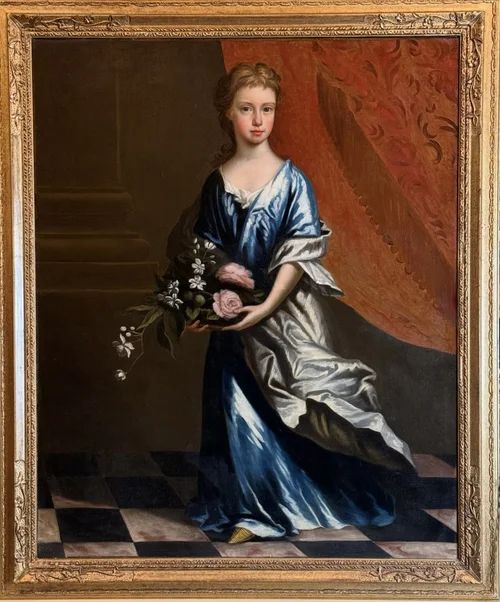
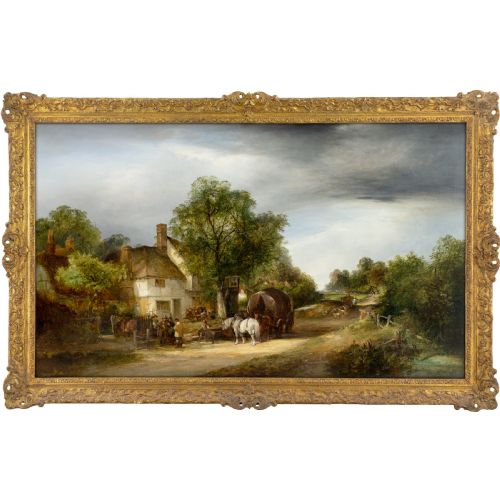
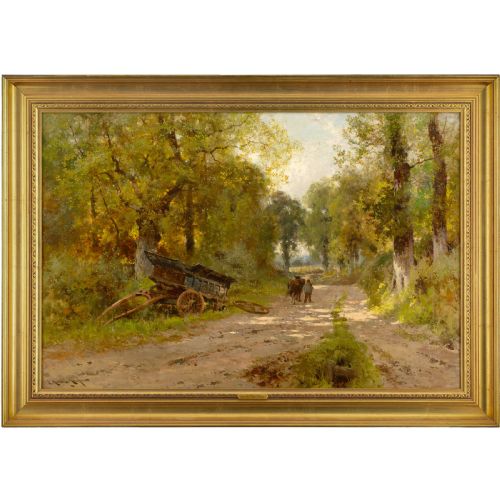
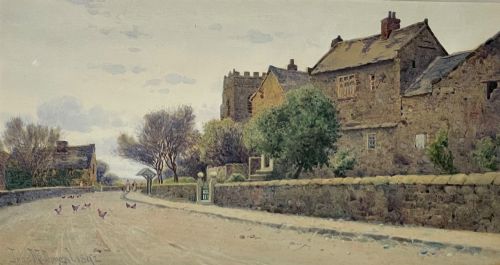
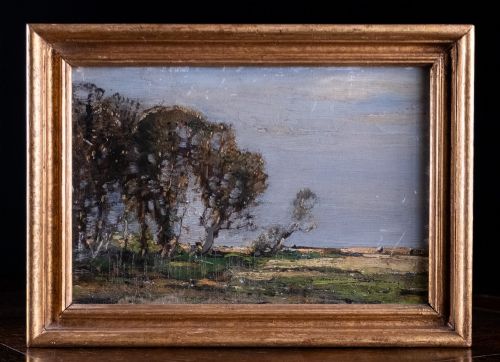
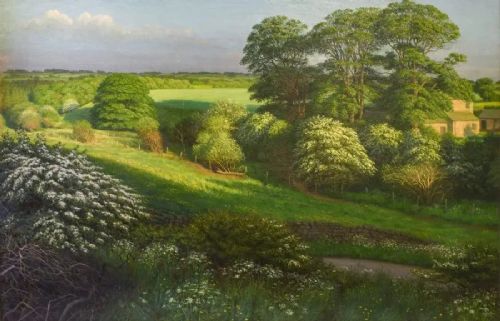
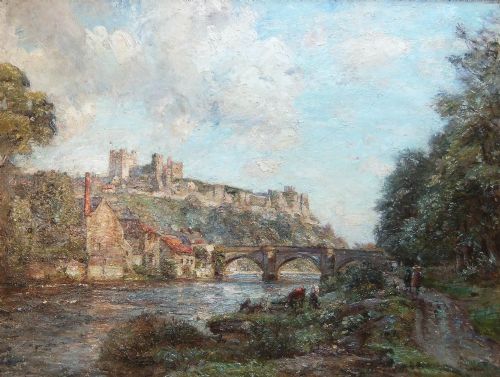
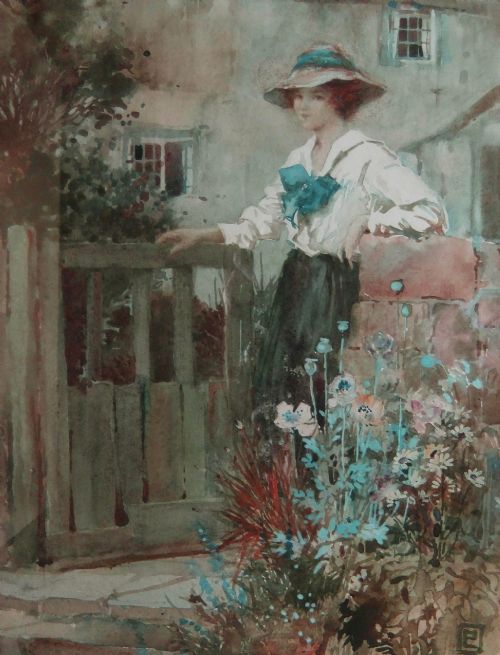
When you search for english country fine art, you encounter framed paintings and watercolours depicting pastoral scenes, country cottages, and livestock across rural Britain. The pieces span from the Georgian period through the Victorian era into mid-century British realism, reflecting changing artistic interpretations of the countryside. You are most likely to meet landscape oil paintings on canvas or board, alongside delicate watercolours on paper.
Subjects range from Yorkshire rivers and Berkshire roads to domestic farmsteads and shepherds tending flocks. These works document specific locations like Wharfedale, York, and Nottingham alongside quieter rural idylls. Each piece preserves a distinct view of British topography and rural heritage as recorded by regional artists.
Materials and technique
Artists utilised oil paint applied to canvas, wood panels, or boards, building rich textures and atmospheric light effects. Other works employ watercolour on paper, sometimes executed with bodycolour or gouache highlights to capture luminosity in skies and water. Canvas supports are occasionally laid onto board for structural stability in older pieces.
Frames play a significant role in the physical composition, with period giltwood mouldings enhancing the depth of the painted scenes. Pigments interact with the chosen support to define the mood, whether through the deep tones of a moonlit landscape or the bright palette of an afternoon sun.
Mediums include oil paint, watercolour, and gouache depicting British landscapes and rural architecture.
Distinctions in quality
The strength of a composition rests on the artist's handling of light, perspective, and atmospheric depth within the landscape. Superior works demonstrate confident brushwork and precise topographical observation rather than formulaic repetition of rural tropes.
Condition and originality further divide the range, with untouched surfaces retaining their original pigment vibrancy. The integration of period frames in good preservation also elevates the standing of an individual piece.
John Horace Hooper·Kershaw Schofield·Herbert Royle·Percy Lancaster·James Orrock·George Hilditch·Ernest Higgins Rigg·Arthur Walker Redgate
The English Country Fine Art Glossary
- Canvas
- A heavy woven fabric stretched across a wooden frame to serve as a support for oil paintings. It provides a flexible yet durable surface that accepts layers of pigment.
- Gouache
- An opaque watercolour paint mixed with a white pigment to create a heavier, matte finish. It allows artists to build solid areas of colour and sharp highlights.
- Pastoral
- A genre of art that idealises rural life, shepherds, and agricultural landscapes. These scenes emphasise peace and simplicity in the countryside.
English Country Fine Art: Frequently Asked Questions
What periods do these paintings cover?
The pieces span from the eighteenth century through the Victorian era up to the mid-twentieth century. This timeline covers Georgian clarity, Victorian pastoralism, and later British realism.
Artists across these decades interpreted the countryside through shifting lenses, moving from structured topographical views towards more expressive interpretations of light and weather.
How should I hang these artworks?
Display these framed paintings away from direct sunlight and damp conditions to protect the canvas, paper, and giltwood frames. Stable interior humidity prevents the wood and paint layers from cracking over time.
Consider eye-level placement in rooms with controlled ambient light to appreciate the subtle brushwork and tonal gradations within each landscape.
Are watercolours as durable as oils?
Watercolours on paper require careful framing behind glass with acid-free mounts to prevent fading and paper degradation. They lack the robust protective varnish layers typical of oil paintings on canvas.
When kept away from direct ultraviolet light, high-quality watercolours retain their original brilliance and delicate detail for generations.
How do I identify a regional school?
Look for titled inscriptions on the reverse of the canvas or on the original mount, which often name specific counties, rivers, or villages. Artists frequently signed and dated their work directly on the front or back.
Style, handling of local foliage, and architectural details within the painting also point towards particular regional traditions, such as the Yorkshire or Nottingham schools.