


Dark Brown Bureau Desk
A dark brown bureau desk provides a practical workspace combined with concealed storage, anchored by traditional forms and rich timber tones.
Dark Brown Bureau Desk
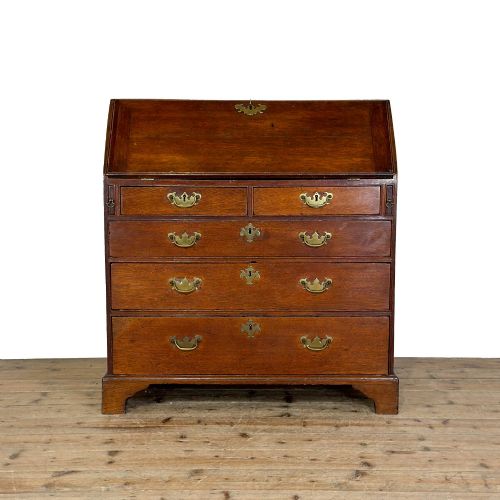
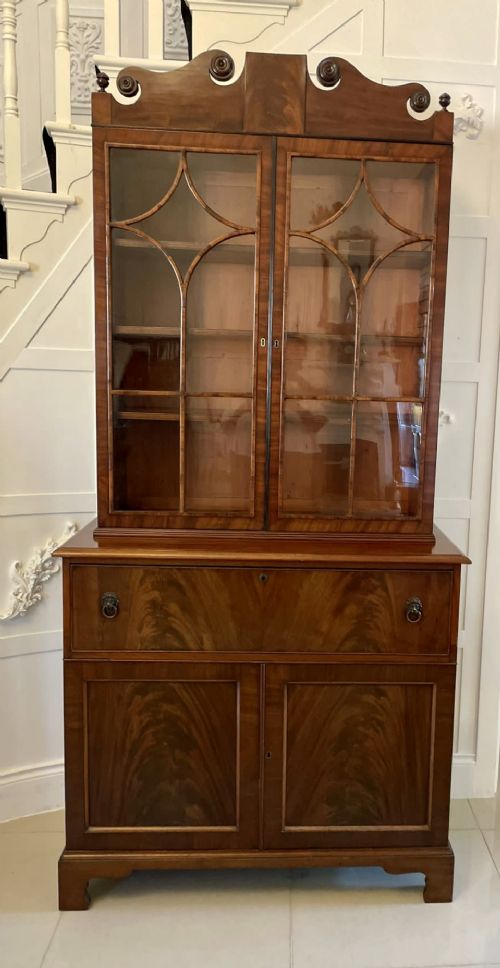
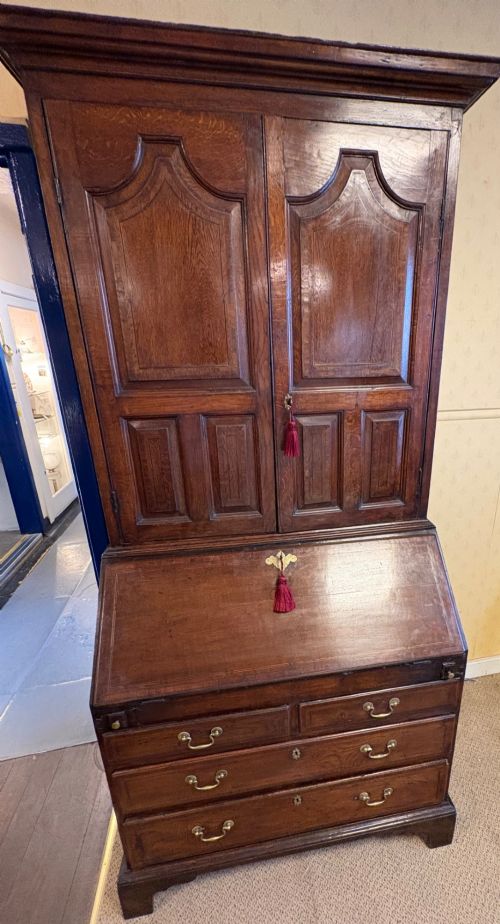
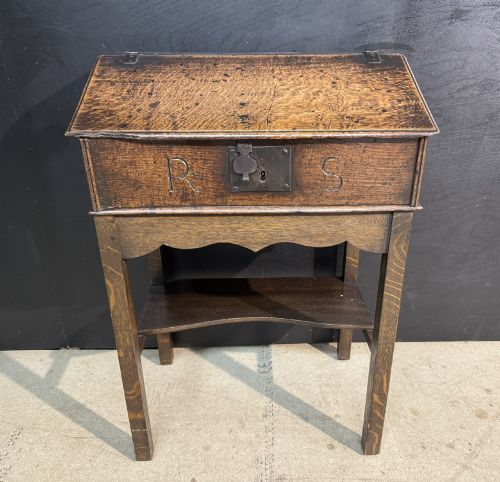
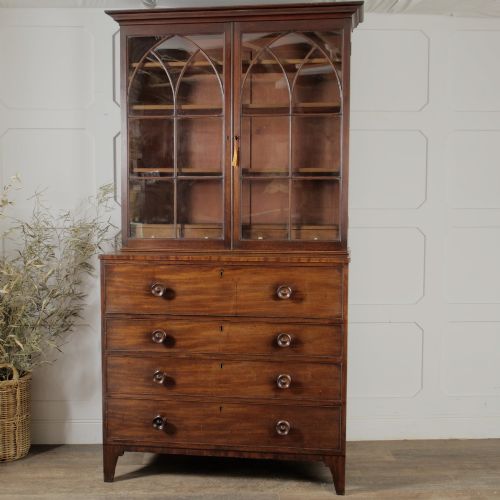
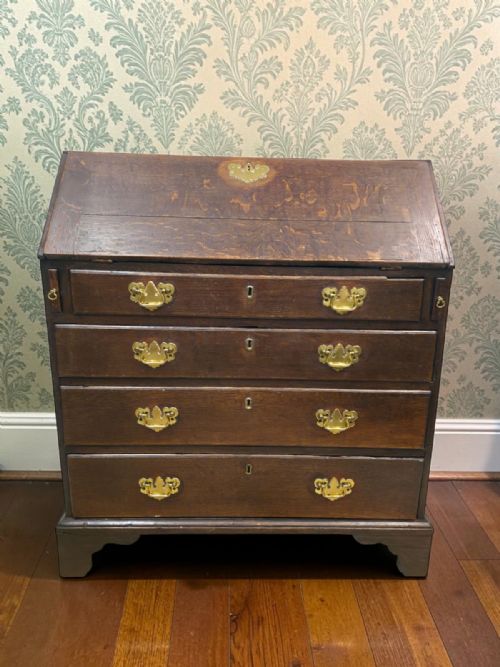
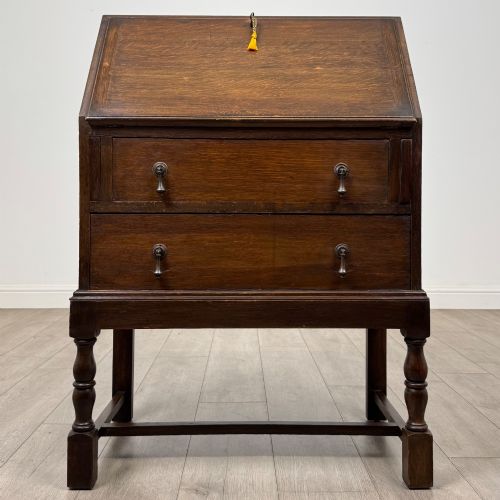
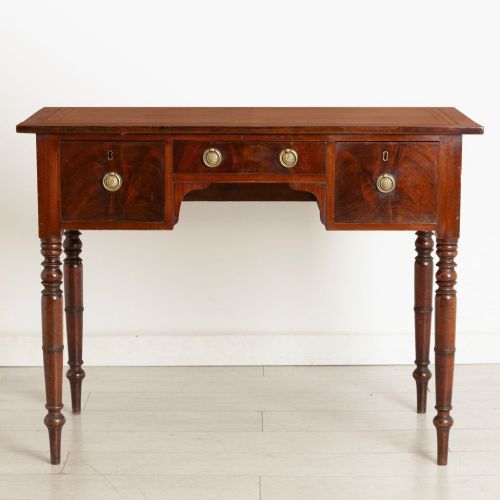
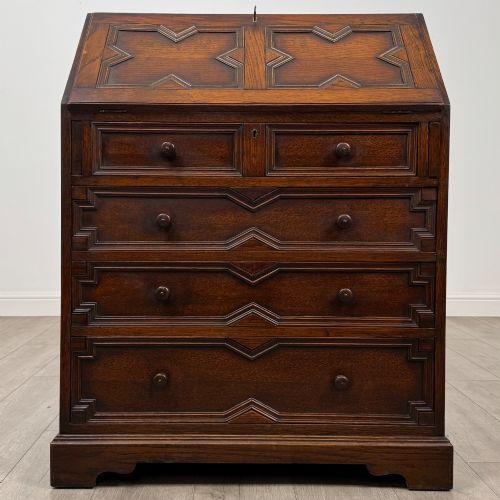
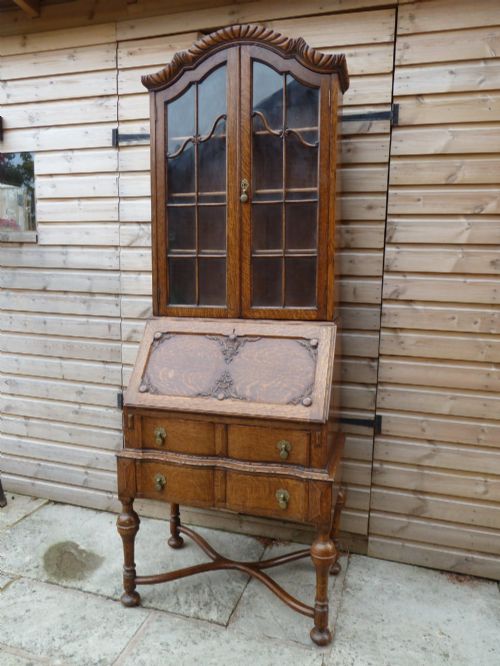
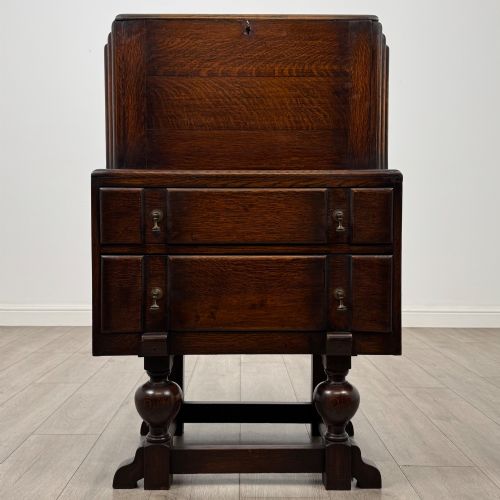
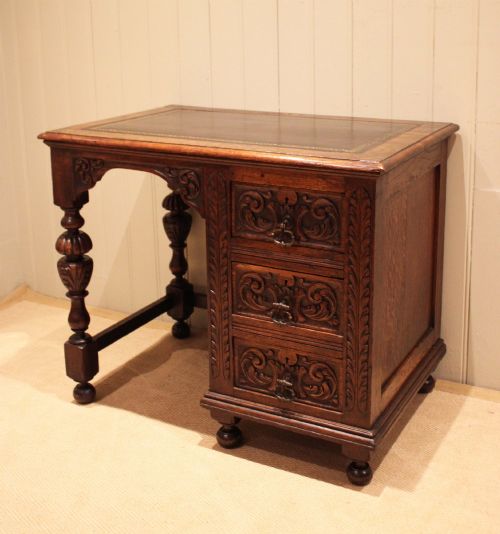
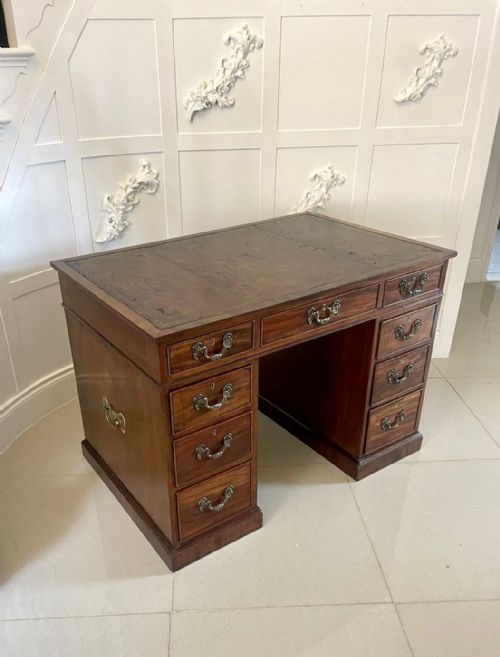
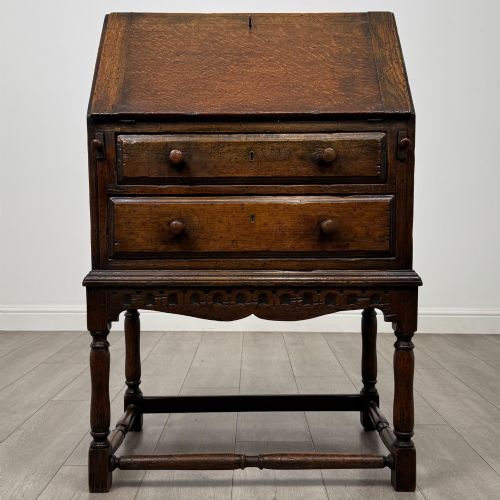
A dark brown bureau desk typically takes the form of a fall-front writing bureau, a secretaire bookcase, or a kneehole desk designed for home administration and correspondence. These pieces originate across the seventeenth, eighteenth, nineteenth, and early twentieth centuries, spanning periods such as the Georgian, Regency, Victorian, and Edwardian eras.
Oak and mahogany dominate the offerings, bringing deep, dark brown hues to both vernacular country pieces and formal urban furniture. Alongside standard writing bureaux, buyers encounter specialised variations including tambour desks, cylinder bookcases, and clerks desks.
The layout frequently incorporates a fitted interior behind the fall-front flap, containing small drawers and pigeonholes for stationery. Many examples combine the writing function with upper bookcase storage enclosed by glass or panelled doors.
How they were made
Cabinet makers utilised solid timber and veneers, principally selecting oak and mahogany for structural strength and rich grain patterns, occasionally incorporating walnut. Panels and writing surfaces were shaped using traditional joinery methods suited to the period.
Hardware details such as brass handles, hinges, and escutcheons punctuate the dark timber surfaces. Leather inserts occasionally line writing compartments, while glass panels feature in the upper sections of bookcase combinations.
Listings feature pieces constructed from oak, mahogany, and walnut across the seventeenth through early twentieth centuries.
What varies in quality
The sophistication of the internal fittings distinguishes standard utilitarian furniture from finer workshop productions. Elaborate stepped interiors, secret compartments, and finely carved detailing elevate the status of individual pieces.
The choice of timber grain, the crispness of mouldings, and the retention of original brass hardware contribute significantly to the overall integrity of the piece.
Étienne Kohlmann
The Dark Brown Bureau Desk Glossary
- Bureau
- A writing desk featuring a sloping fall-front flap that opens to reveal a compartmented interior. It rests on legs or a chest of drawers.
- Secretaire Bookcase
- A tall piece combining a pull-out or drop-front desk drawer with an upper bookcase section. It offers extensive storage for books and papers.
- Tambour
- A flexible sliding shutter formed from narrow strips of wood glued to canvas, used to enclose the top of a desk. It conceals the writing surface when pulled down.
- Kneehole Desk
- A freestanding desk with a central recess for the user's legs, flanked by pedestals of small drawers. It provides a symmetrical and compact writing station.
- Fall Front
- A hinged writing flap that drops from a vertical position to a horizontal surface. It forms the primary writing area on a traditional bureau.
Dark Brown Bureau Desk: Frequently Asked Questions
What is a bureau desk?
A bureau desk is a compact writing cabinet featuring a sloping lid that folds down to create a writing surface. Inside, small drawers and pigeonholes organise stationery and documents.
Beneath the writing flap, storage is provided by a chest of drawers or enclosed shelving. These pieces were designed for domestic correspondence and household administration.
How do I date an antique bureau?
Dating relies on examining the timber species, construction joints, and overall style of the piece. Oak is more common in seventeenth and eighteenth-century examples, while mahogany prevails in later Georgian and Victorian furniture.
Secondary woods, handle types, and the complexity of the interior fittings offer further clues to the period of manufacture. Regional vernacular pieces often retain simpler, earlier construction techniques.
How do I care for a dark wood desk?
Maintenance involves keeping the timber away from direct heat sources and strong sunlight to prevent drying and fading. Regular dusting with a soft, dry cloth preserves the finish.
Application of traditional wax polish feeds the wood and maintains a natural sheen. Leather writing inserts require gentle cleaning without harsh chemical solvents.