


Dark Brown Runner
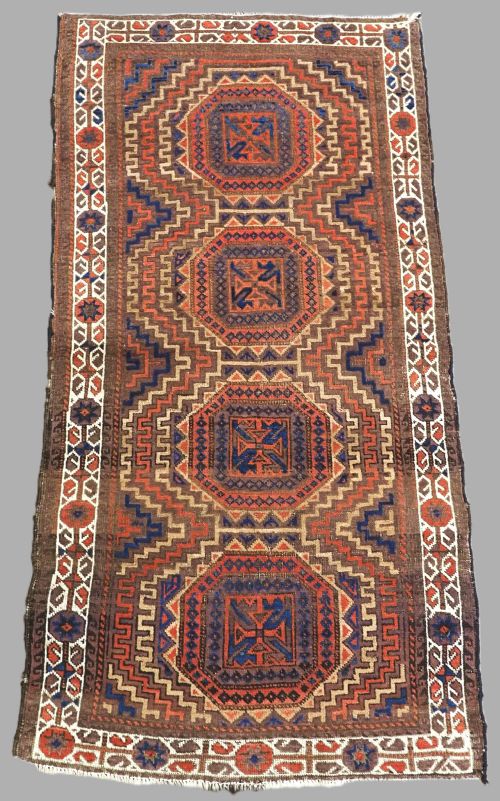
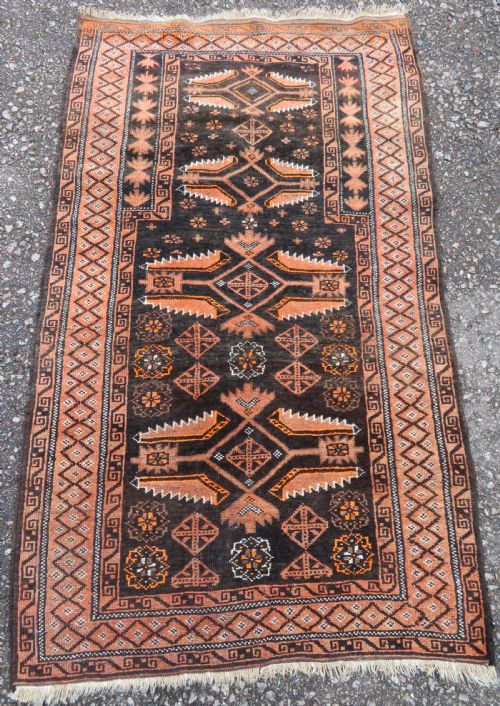
A dark brown antique runner brings deep, earthy tones and tribal artistry into a hallway.
Dark Brown Runner
When a buyer searches for a dark brown antique runner, they encounter tribal and nomadic hand-knotted textiles originating from Persian and Afghan weaving traditions. These elongated floor coverings were traditionally woven by pastoral groups for domestic use in tents and dwellings, rather than for commercial export.
The selections available typically include narrow formats from the nineteenth and early twentieth centuries, spanning periods from the eighteen-eighties through to the nineteen-twenties. These pieces frequently display rich, dark grounds influenced by natural dye baths, featuring repeating geometric motifs, guls, and tribal emblems.
How they were made
The construction relies primarily on hand-spun wool and cotton foundations, utilising durable wool pile knotted tightly by hand. Artisans incorporated supplementary materials such as goat hair for sturdy selvedges and robust structural support along the edges.
Colour depth is achieved through the use of natural dyes, which yield complex, saturated dark brown and earthy tones that age gracefully. These organic colorants interact uniquely with the natural variations in hand-spun wool, creating subtle tonal shifts across the surface of each runner.
Among the woven carpets and geometric runners, a solitary bronze figure of a Greek soldier occasionally stands guard.
What varies in quality
Quality in these runners rests on the fineness of the knotting and the integrity of the wool. Tighter, more precise knots allow intricate geometric designs and lattice patterns to remain sharp and well-defined.
The depth and complexity of the natural dye palette also distinguish superior examples. Richer variations in the dark brown ground and secondary colours indicate careful dye preparation and skilled execution by the weaver.
The Dark Brown Runner Glossary
- Gul
- A medallion motif often found in tribal weavings. This octagonal design element frequently repeats across the field of the textile.
- Natural Dyes
- Colorants derived from plants, insects, and minerals rather than synthetic compounds. These materials produce harmonious, fading tones that develop a rich patina over time.
- Hand-Spun Wool
- Yarn processed manually using a spindle rather than industrial machinery. This method creates uneven yarn thickness, which absorbs natural dyes with subtle variations.
- Runner
- An elongated narrow carpet format designed for corridors, staircases, and hallways. These pieces balance functional space requirements with decorative tribal motifs.
Dark Brown Runner: Frequently Asked Questions
Where were these runners made?
These runners were produced by nomadic and tribal groups across regions of Persia, Afghanistan, and the Caucasus. Weavers worked within specific tribal traditions, passing down distinct patterns and structural techniques through generations.
Production often took place in domestic settings rather than large urban workshops. This regional independence accounts for the diverse mix of tribal designs and geometric motifs seen in surviving pieces.
How do I care for an antique wool runner?
Vacuuming gently without a rotating brush roll helps remove embedded dirt from the wool pile. Professional cleaning suited for antique textiles preserves the natural dyes and fibres.
Placing a breathable rug underlay underneath helps prevent slipping and reduces friction between the floor and the foundation. Keeping the textile away from prolonged direct sunlight preserves the rich dark brown tones.
What is a tribal design?
Tribal designs consist of geometric patterns, stylized animals, latch hooks, and repeating guls created from memory rather than drawn cartoons. These motifs reflect the cultural heritage and immediate environment of the weaver.
Unlike formal court carpets, tribal weavings feature charming irregularities and spontaneous design shifts. These variations highlight the individual hand of the maker rather than mass-produced uniformity.
Why are natural dyes important?
Natural dyes create a living surface quality that synthetic alternatives cannot replicate. Plant and insect extracts interact with wool fibres to produce earthy tones that mellow gracefully with age.
Over decades, these dyes acquire a soft patina that enhances the visual depth of dark brown grounds. This ageing process remains a primary appeal for collectors of early nomadic textiles.