





Dark Bronze Nude Statue
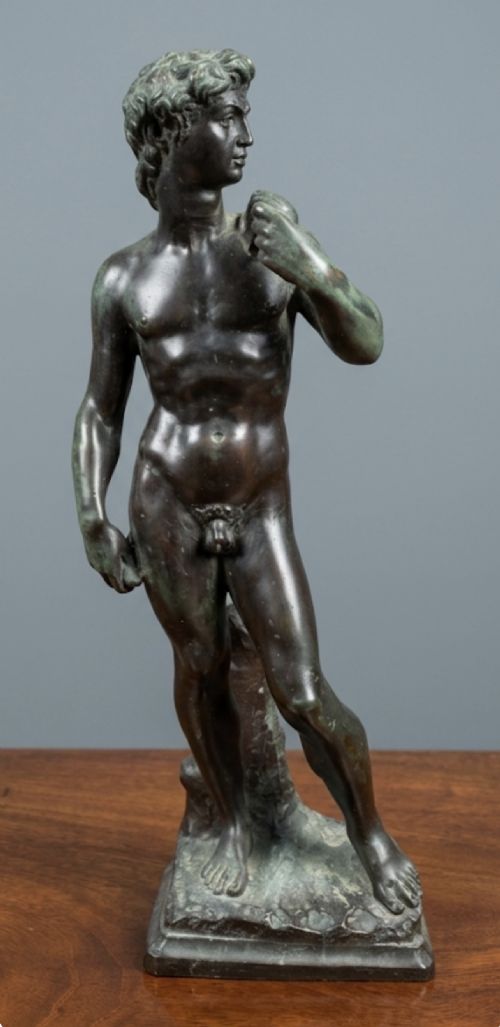
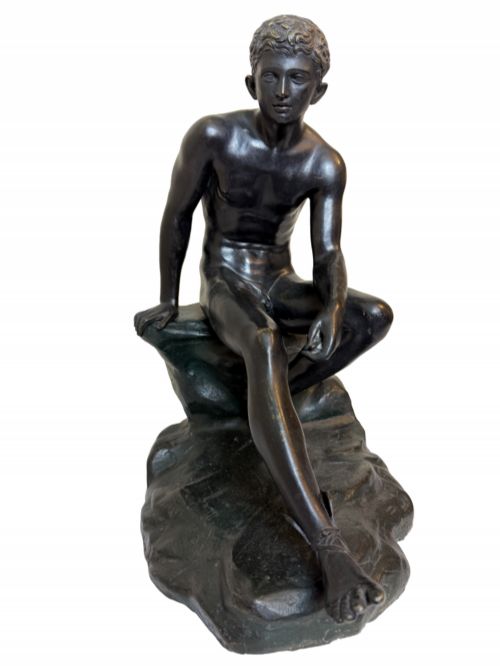
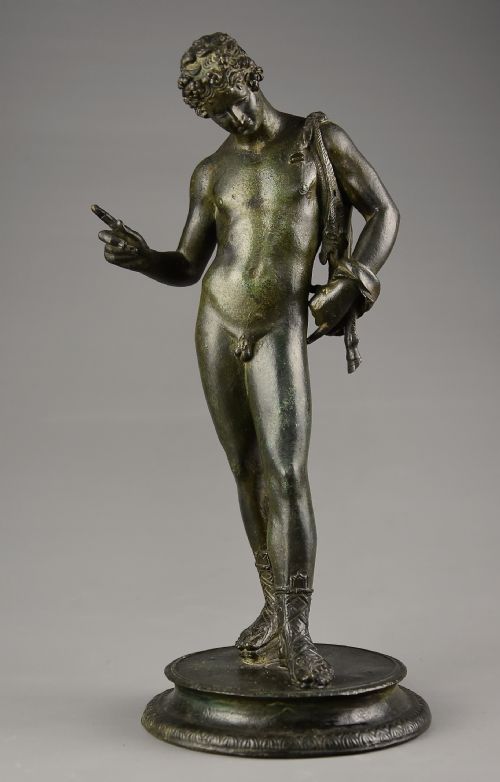
A dark bronze nude statue brings classical form and patinated depth into a room, capturing the human figure through centuries of foundry traditions.
Dark Bronze Nude Statue
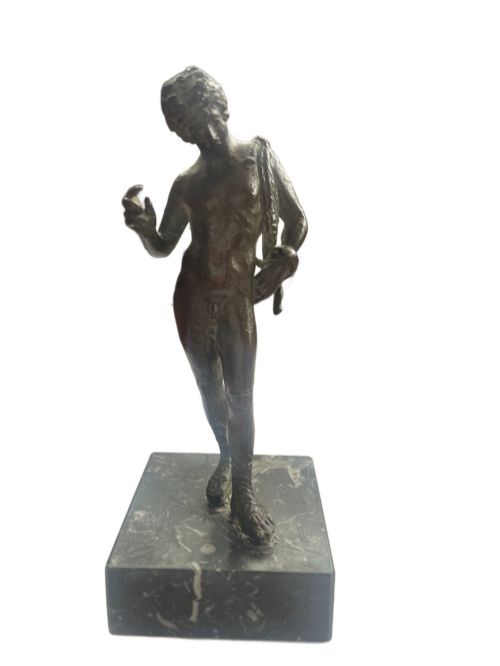
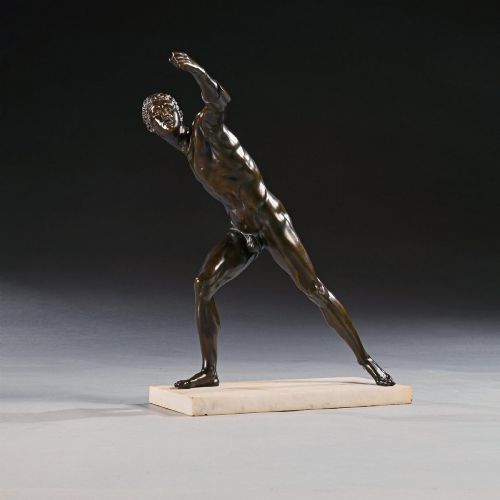
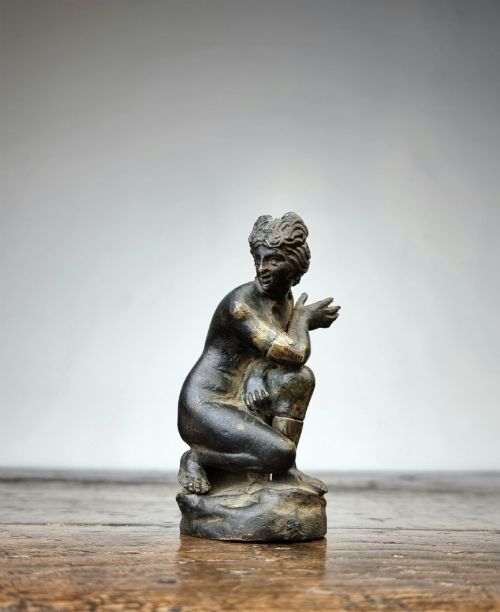
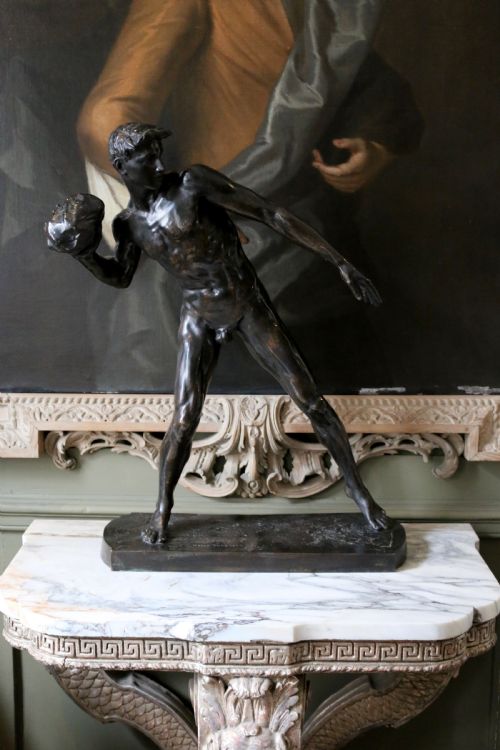
A dark bronze nude statue encompasses interpretations of the human form, ranging from classical mythological subjects to stylised twentieth-century dancers. When searching this phrase, a buyer encounters figures produced through European foundry traditions, with nineteenth-century Grand Tour reductions and French salon casts appearing frequently on this page.
The subjects draw heavily on antique sculpture, depicting deities, athletes, and allegorical figures poised in repose or motion. Statuettes and larger sculptures alike utilise bases of marble, slate, or stone to anchor the metal work.
Dating spans from seventeenth-century small-scale casts to Art Deco car mascots and figures from the nineteen-thirties. Pieces emerge from French, Viennese, and Neapolitan workshops, reflecting shifting aesthetic ideals across periods.
Materials and casting methods
Foundries utilised traditional bronze casting methods, frequently employing the lost-wax technique to capture fine anatomical detail and drapery. Metal alloys varied in copper and tin content, influencing how the material accepted chemical patination.
Surface treatments included dark brown, black, and green patinations applied to the bronze, sometimes paired with cold-painted highlights or gilt details. Statues were mounted directly onto integral bases or secured to fossil marble, slate, and stone plinths.
Listings feature works spanning the seventeenth century through to Art Deco productions of the nineteen-thirties.
Distinctions in craftsmanship
The depth and stability of the chemical patina contribute significantly to the visual weight of a piece, distinguishing master foundry output from commercial secondary casts.
Ferdinand Barbedienne·Sibylle May·Hector Lemaire·Eugene Barillot·Aristide Maillol·Hebrard·Paul de Boulogne·Franz Bergman·James Pradier·Susse Freres·Eugène Désiré Piron·Raoul Francois Larche·Albert Hussmann·Delafontaine
The Dark Bronze Nude Statue Glossary
- Patina
- The surface coloration and chemical skin developed naturally over time or applied intentionally by the founder. This treatment protects the metal and defines the visual tone of the statue.
- Grand Tour
- A nineteenth-century tradition where travellers collected bronze reductions of classical antiquities in Italy. These souvenirs replicated famous statues found in museums and archaeological sites.
- Lost-wax casting
- A historic method where a wax model is melted out of a mould and replaced with molten bronze. This technique allows for intricate undercuts and precise surface details.
- Reduction
- A scaled-down bronze copy of a monumental public or museum sculpture. Foundries produced these smaller versions for domestic display in parlours and studies.
Dark Bronze Nude Statue: Frequently Asked Questions
How do I identify a Grand Tour bronze?
Grand Tour bronzes typically date from the nineteenth century and reproduce famous classical sculptures encountered by travellers in Italy. They often feature distinct dark patination and are mounted on marble or stone bases.
Examine the underside and the finishing work, as these souvenir pieces prioritised portable academic accuracy over original sculptural invention.
What is cold-painted bronze?
Cold-painted bronze refers to figures finished with polychrome paint applied after the casting and patination process. This technique was particularly prevalent in Viennese workshops during the late nineteenth and early twentieth centuries.
The paint sits on the surface of the metal rather than fusing with it through heat, requiring careful handling to prevent flaking.
Where should I display a bronze nude statue?
These statues suit study desks, mantelpieces, or dedicated display cabinets where adequate lighting highlights the contours of the patinated metal. Positioning them away from direct heat sources protects any underlying marble or stone bases.
Consider the scale of the piece relative to surrounding furniture to allow the silhouette to stand clear.
How do I care for antique bronze?
Dust the surface gently with a soft, dry brush to prevent particulate buildup in the crevices of the casting. Avoid liquid cleaners, oils, or waxes that might alter or damage the original chemical patina.
Stable indoor humidity prevents any adverse reactions in the metal alloy or the mounted stone plinths.