
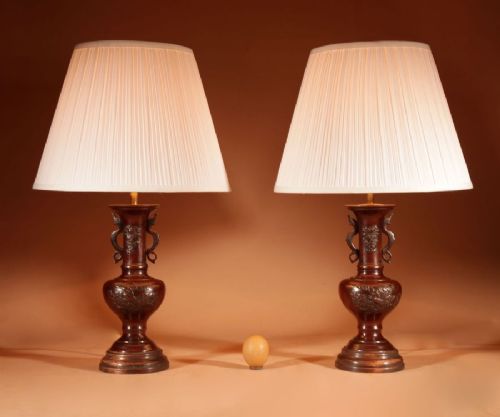
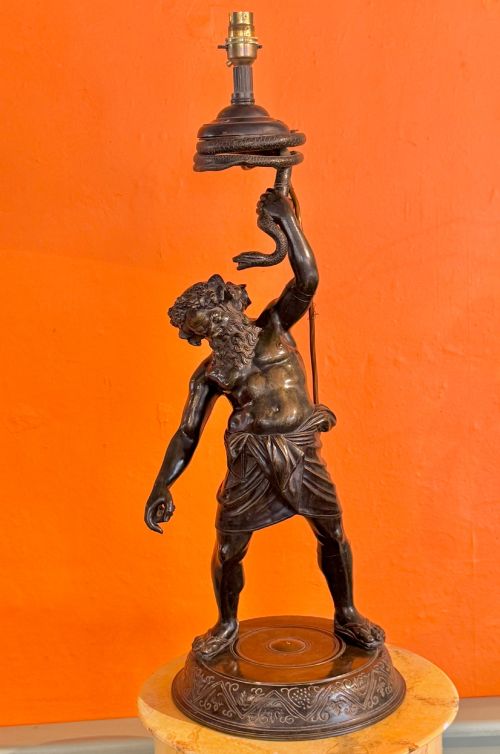
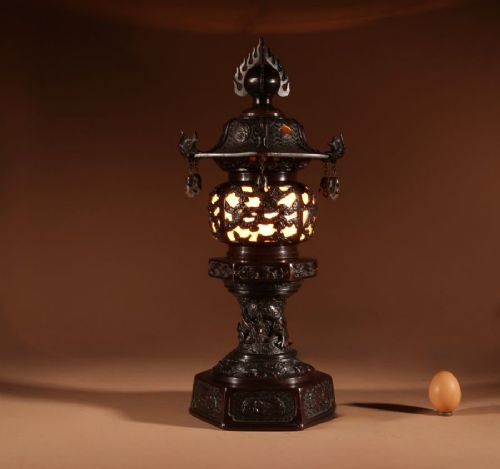
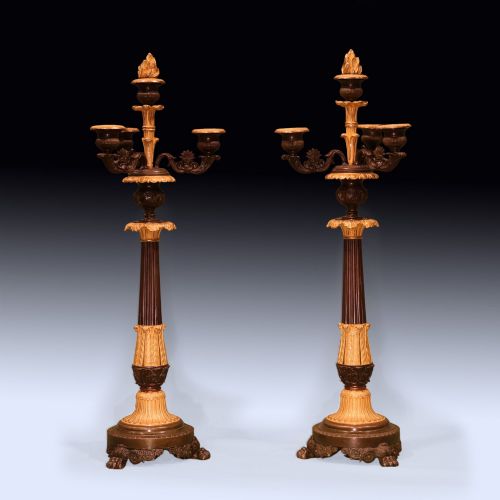

Dark Bronze Light
Dark bronze light pieces combine deep patinated metal finishes with period forms, offering a warm and grounding illumination for interiors.
Dark Bronze Light
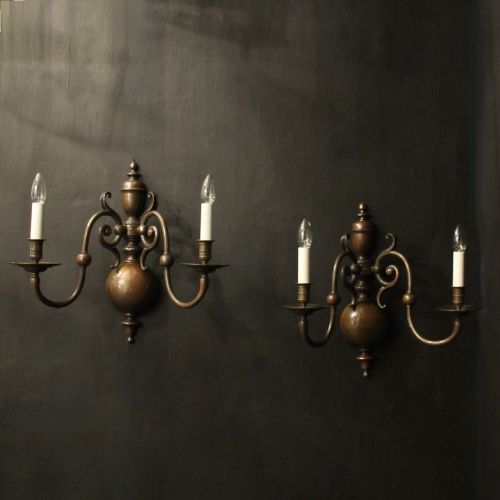
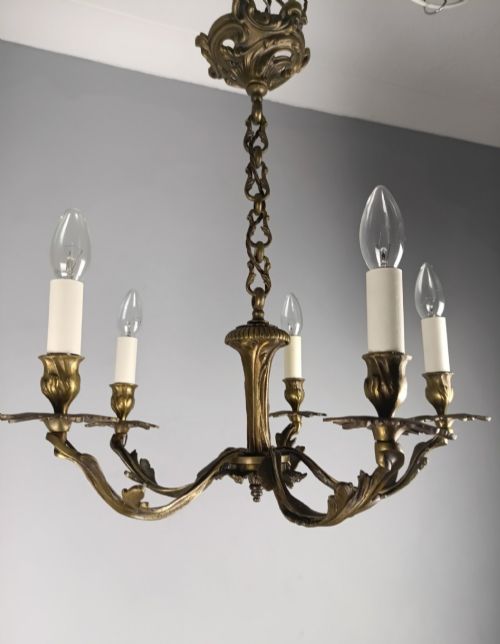
When you search for dark bronze light, you encounter a selection of lighting fixtures and candle holders constructed primarily from cast metal with rich, darkened surfaces. These pieces range from floor lamps and table lamps to grand chandeliers, wall sconces, and hall lanterns spanning the nineteenth and early twentieth centuries.
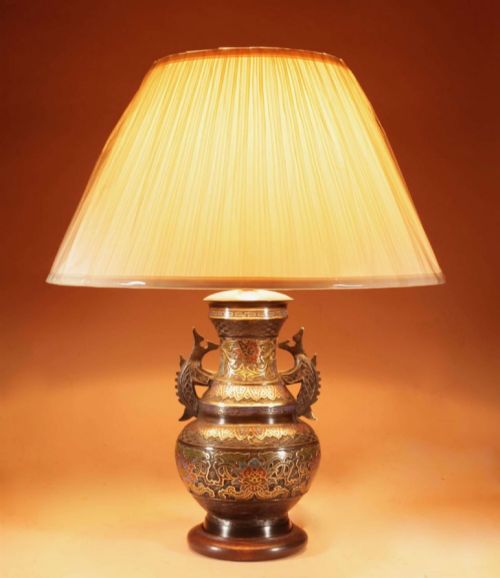
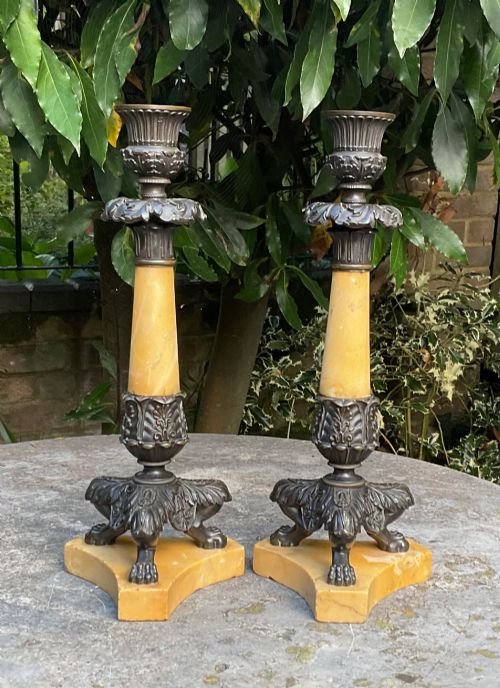
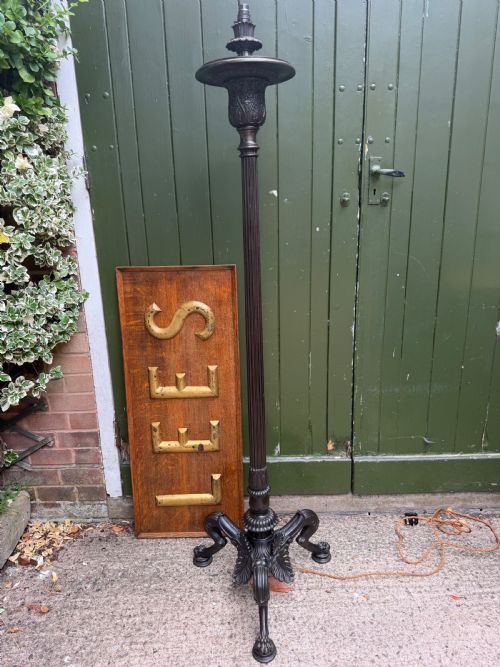
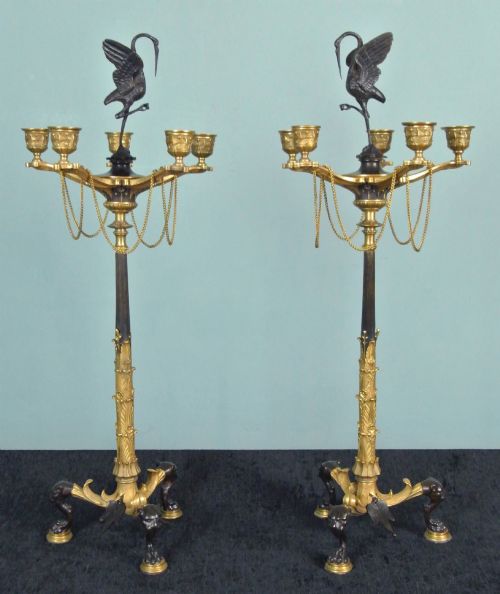
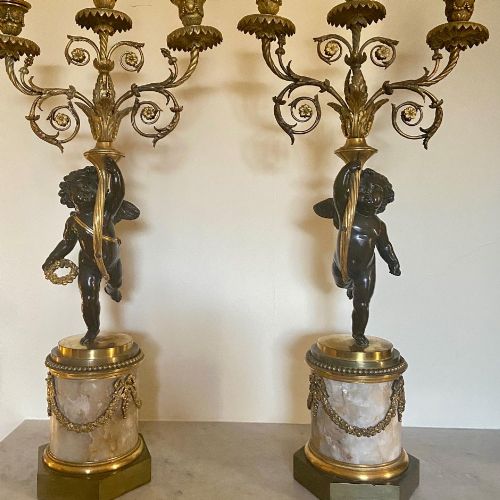
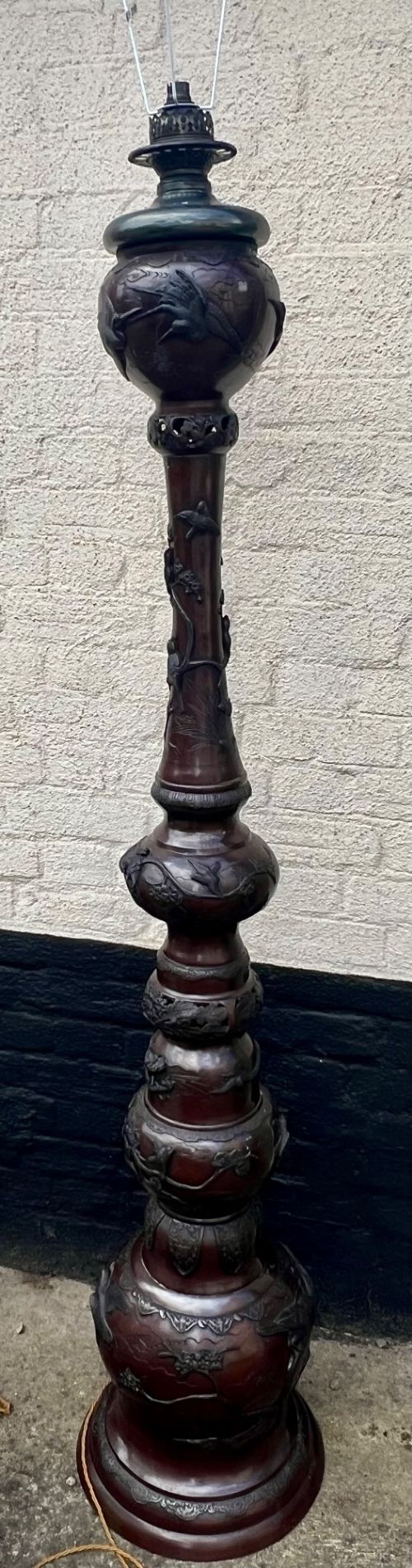
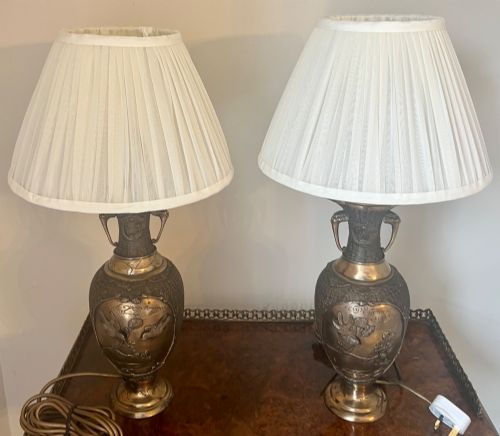
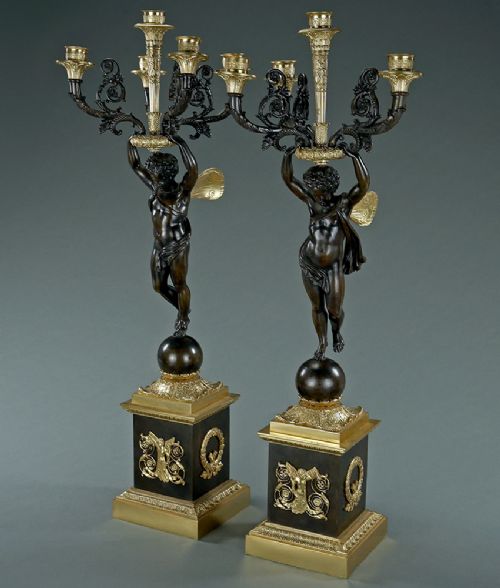
You are most likely to meet French Empire, Regency, and Japanese Meiji period examples on this page. These take the form of patinated bronze table lamps, candelabra, and standard lamps often accented with marble, ormolu, or glass.
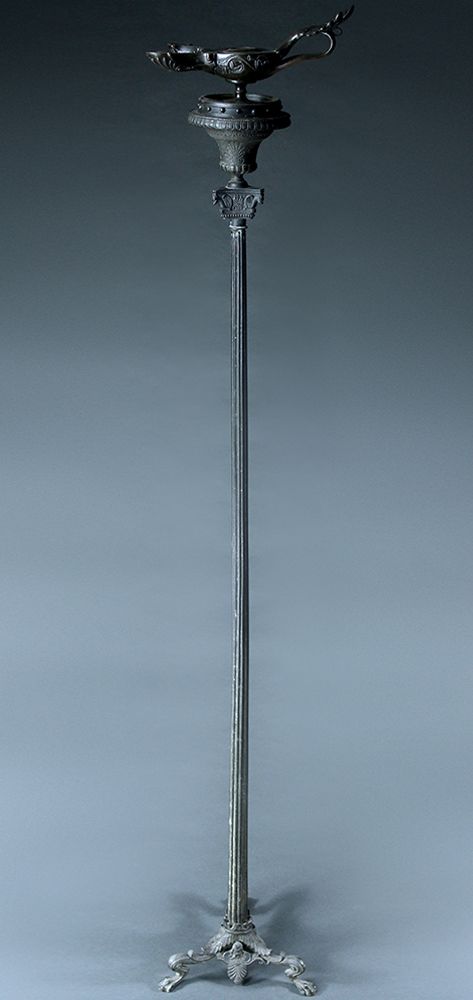
The assortment includes specific historical revivals such as Neo-Pompeian, Chinoiserie, and Egyptian Revival designs. Each object demonstrates the utilitarian purpose of illumination merged with sculptural qualities characteristic of its period of origin.
How they were made
Makers utilised bronze, brass, and patinated cast iron, often combining them with ormolu, marble, onyx, and fluorspar to build structural contrast. Casting techniques allowed for detailed figural components such as putti, cherubs, and dragons.
Surface finishes relied heavily on chemical patination to achieve the characteristic dark bronze tone. Gilding and gilt bronze additions highlight specific decorative elements against the darkened metal grounds.
Listings feature materials including bronze, brass, ormolu, marble, and glass across the nineteenth and early twentieth centuries.
What varies in quality
The distinction between tiers rests upon the crispness of the metal casting and the depth of the patination. Master workshops achieved sharper definition in figural subjects and floral chased details than standard commercial foundries.
Integration of secondary materials such as carved marble bases, onyx plinths, and hand-cut glass components elevates an assembly. Superior examples maintain balanced proportions and architectural coherence across multi-arm candelabra and chandeliers.
Francois Redmond·G. Amodio Naples·Georges Leleu·Barbedienne
The Dark Bronze Light Glossary
- Patinated bronze
- Bronze that has been treated with chemical solutions to produce a darkened or aged surface colour. This finish protects the metal and defines sculptural contours.
- Ormolu
- Gilt bronze mounts applied to furniture, clocks, and lighting fixtures. The technique involves fusing gold amalgam to a bronze base.
- Candelabra
- Branched lighting fixtures designed to hold multiple candles. They frequently appear converted to electricity in later periods.
- Champlevé
- An enamelling technique where troughs are dug into the bronze surface and filled with vitreous enamel before firing. It appears often on Japanese and French decorative items.
- Pricket candlestick
- A candle holder featuring a central spike to secure the base of the candle rather than a socket. These items often date from earlier historical revivals.
Dark Bronze Light: Frequently Asked Questions
What periods do these lamps date from?
The pieces span the nineteenth century through to the early twentieth century, incorporating Regency, Victorian, and Edwardian examples.
Design influences extend back to earlier classical revivals like French Empire and Japanese Meiji period workshops.
Were these fixtures originally electric?
Many items began as candle holders, oil lamps, or gas fixtures before undergoing conversion for modern electrical wiring.
Original chandeliers and wall sconces often show adaptations made to accommodate bulbs while retaining their primary metal structure.
How do I identify French Empire style?
French Empire and related Revival pieces draw upon classical Grecian and Roman motifs, utilising dark patinated bronze contrasted with gilt bronze mounts.
They frequently incorporate architectural shapes, figures from antiquity, and formal symmetry.
What is the difference between bronze and spelter?
Bronze is a heavy alloy of copper and tin that takes fine casting details and chemical patination effectively. Spelter is a cheaper zinc-based alloy used as a substitute in later decorative figures and lamps.
Objects made of bronze possess greater weight, durability, and resonance when tapped.