






Japanese Urn Table Lamp
These japanese urn table lamp selections bring together converted East Asian vases and custom metalwork from the seventeenth century onwards.
Japanese Urn Table Lamp
A japanese urn table lamp typically begins life as a decorative vessel before conversion into lighting through wiring and mounts. These pieces draw from varied eras including the Edo and Meiji periods alongside later nineteenth century production.
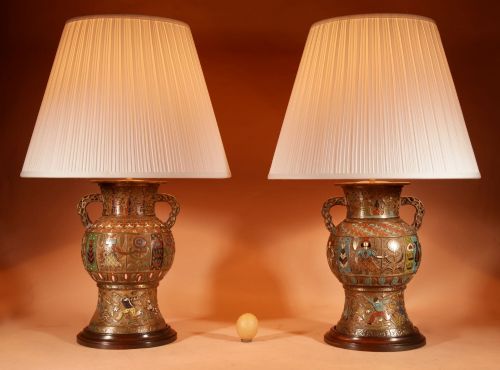
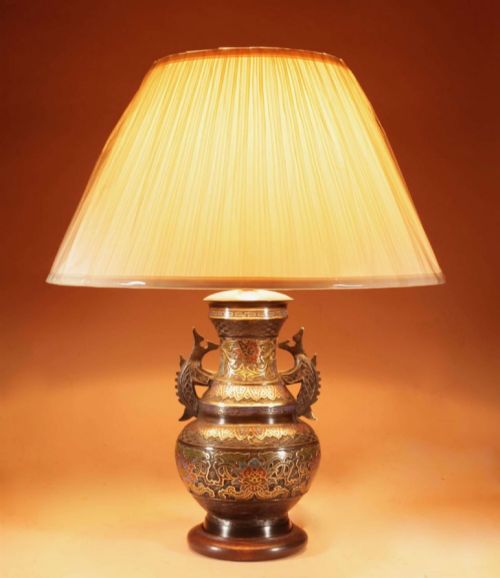
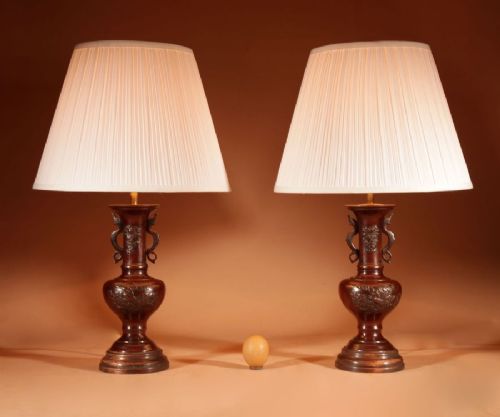
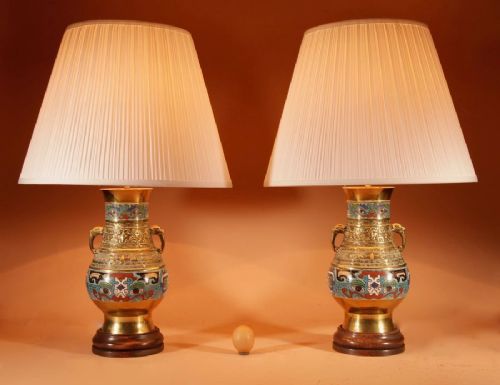
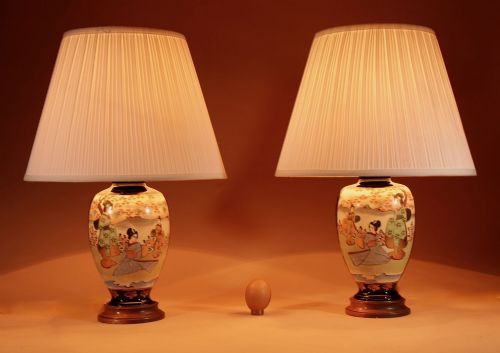
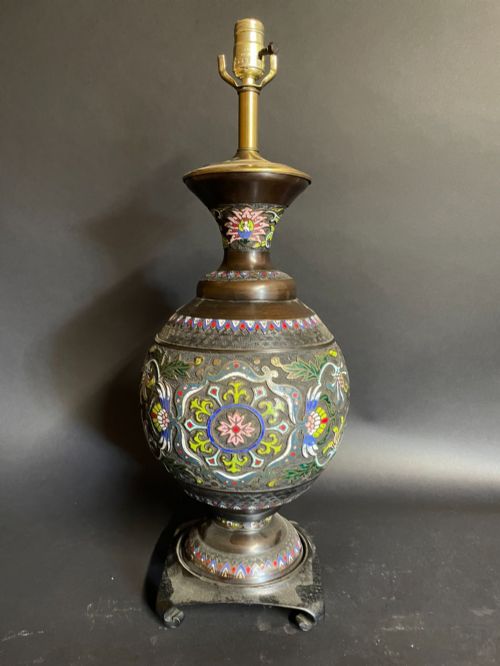
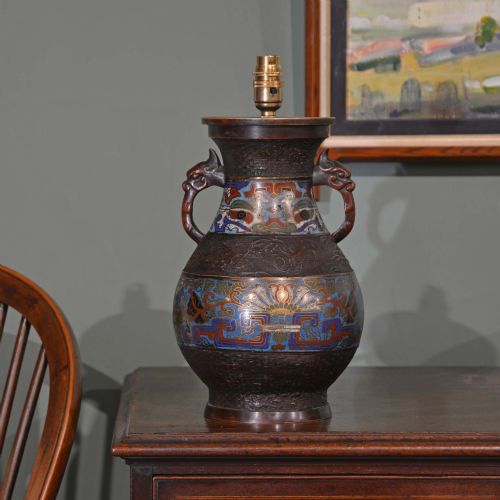
The selections here frequently utilise Satsuma, Kutani, and Arita Imari porcelain alongside cast bronze and champlevé enamel urns. Buyers encounter both individual statement pieces and balanced pairs adapted for interior illumination.
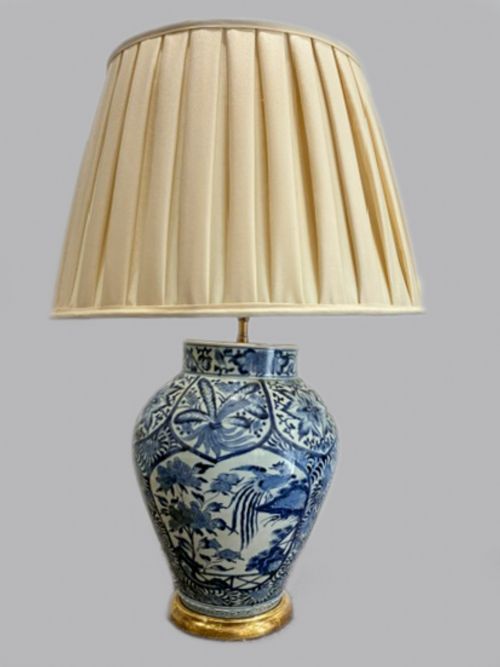
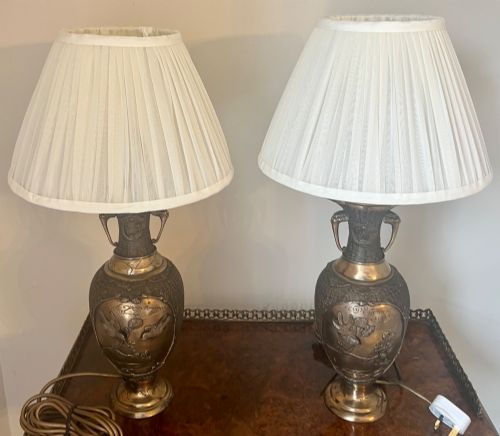
Vessels span from seventeenth century blue and white porcelain to dense bronze creations from the Victorian era. The underlying forms serve as functional urn lamps while retaining their original decorative character.
Materials and construction methods
Makers construct these lamps using ceramic earthenware and porcelain bodies decorated with hand-painted glazes, cobalt blue, or intricate enamel work. Bronze and brass serve as structural elements, providing durable mountings and champlevé detailing.
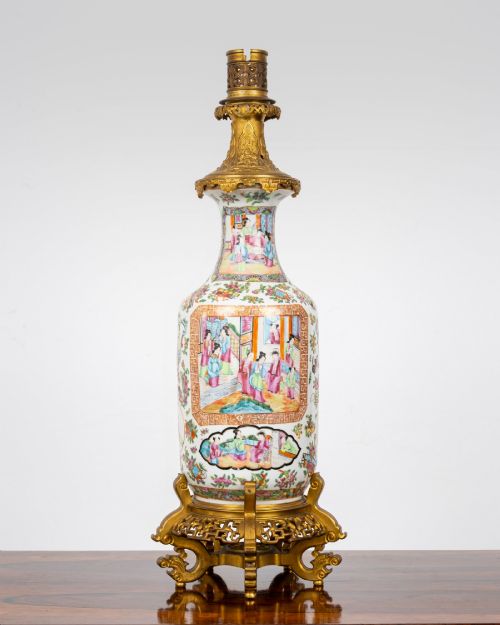
Conversion work involves securing electrical fittings to former vases, occasionally incorporating gilt bronze mounts or custom wooden bases to support the weight of the metal and ceramic bodies.
Textile elements appear in the fabric and silk components used for accompanying shades, complementing the rigid ceramic and metallic structures of the primary urns.
Current listings incorporate items spanning from the seventeenth century up to the 1920s, featuring porcelain, bronze, and fabric materials.
Distinctions in craftsmanship and origin
Quality rests upon the execution of the original vessel, distinguishing finely detailed hand-painted Satsuma and cloisonné enamel work from simpler production. The crispness of the bronze casting and the integration of metal mounts into the ceramic body dictate the overall refinement of the piece.
The integrity of the conversion matters significantly, particularly how cleanly wiring passes through the antique body without compromising the structural stability of the porcelain or metal. Original patination on bronze elements and the preservation of hand-drawn enamel details separate standard conversions from superior examples.
Satsuma·Kutani·Arita
The Japanese Urn Table Lamp Glossary
- Champlevé
- An enamelling technique where troughs are dug into a bronze or metal surface and filled with vitreous enamel before firing. This method creates bold patterns alongside metallic outlines.
- Satsuma
- A type of Japanese earthenware featuring a crackle-glaze ivory body painted with polychrome and gilt designs. These ceramics frequently depict traditional figures and floral scenes.
- Cloisonné
- Metalwork decorated by soldering thin wire compartments to a bronze base and filling them with enamel paste. The piece is subsequently fired and polished to a smooth finish.
- Imari
- A style of Japanese porcelain featuring underglaze blue and overglaze red, green, and gold decorations. Originating from the Arita area, these wares display dense geometric and floral motifs.
- Meiji Period
- The era in Japanese history spanning from 1868 to 1912 characterised by increased trade with the West and distinctive decorative arts. Pieces from this time often combine traditional motifs with elaborate metal mounts.
Japanese Urn Table Lamp: Frequently Asked Questions
What is a japanese urn table lamp?
These objects are decorative East Asian vases, jars, and bronze vessels that have been adapted into functional lighting fixtures. They combine historical ceramic or metal bodies with electrical fittings and stands.
Such pieces allow historical craftsmanship to serve modern interior illumination needs while retaining their original decorative exterior art.
How do I identify Meiji period lamps?
Meiji period lamps often feature detailed bronze casting, champlevé enamel, or intricate Satsuma pottery associated with late nineteenth century production. These items reflect the artistic styles popular during the reign of Emperor Meiji.
Examination of the surface ornamentation and metalwork generally reveals the distinctive aesthetic markers of this era.
Are these lamps converted from old vases?
The majority of these pieces originate as antique vases, urns, or jars dating from the seventeenth to the early twentieth century. Artisans subsequently adapt these vessels into lamps by adding electrical components and mounts.
This conversion process preserves the historical ceramic or bronze body while updating its utility for contemporary homes.
How do I care for antique ceramic lamps?
Maintenance involves dusting the ceramic and bronze surfaces gently with a dry cloth to prevent accumulation. Avoid harsh chemical cleaners that might damage hand-painted glazes or delicate enamel work.
Checking the electrical wiring periodically ensures safe operation while preserving the historical body of the lamp.