


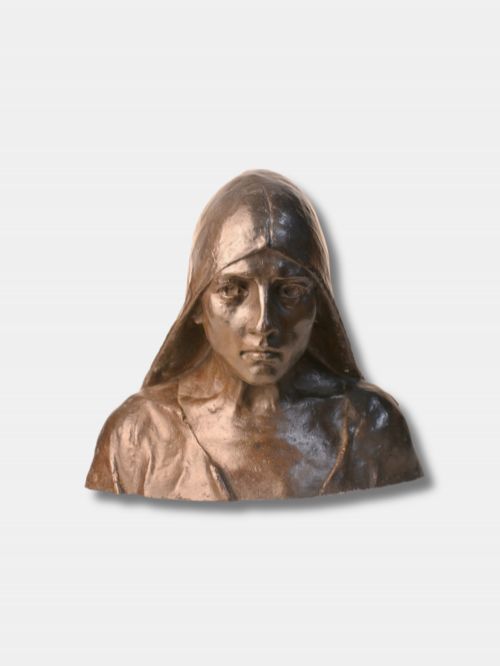


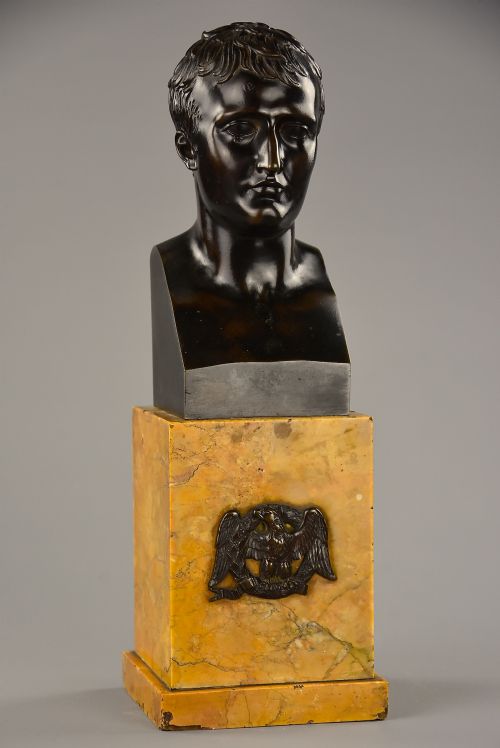


Dark Bronze Head
A dark bronze head brings classical antiquity, portraiture, and architectural metalwork into domestic spaces through enduring foundry work.
Dark Bronze Head
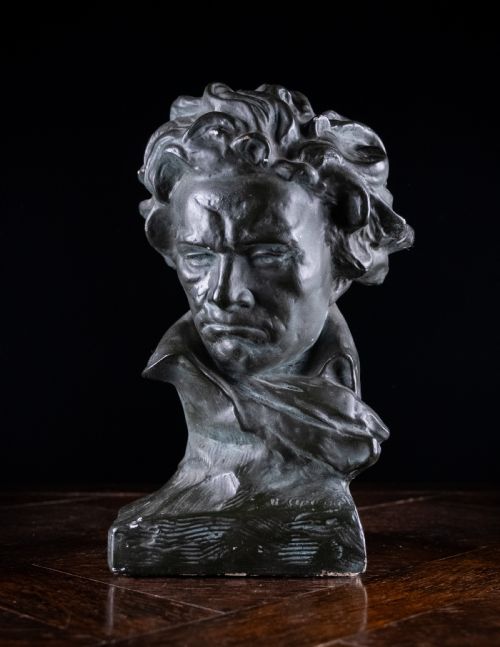
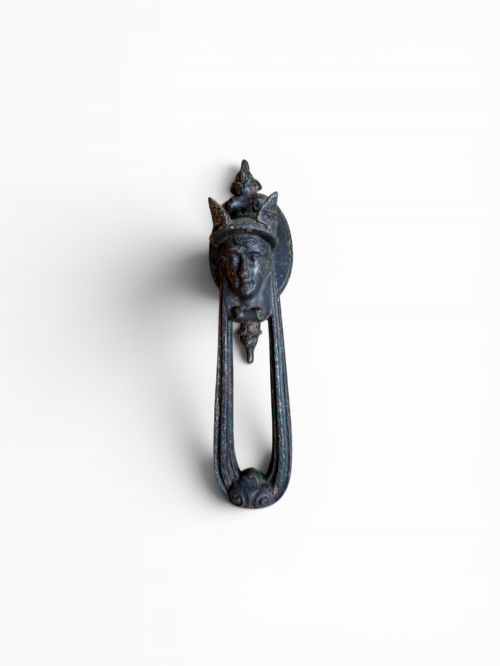
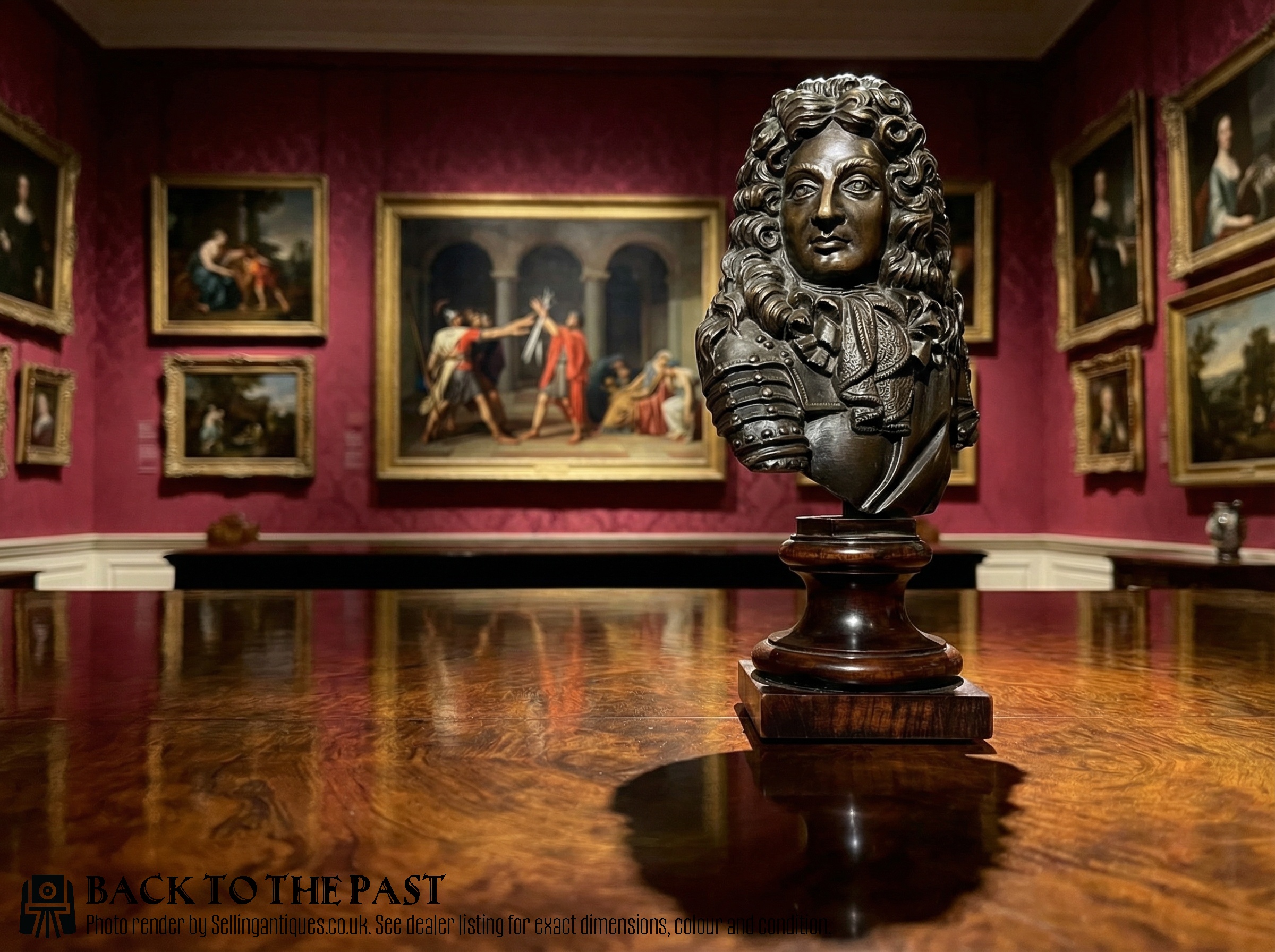
When you search for a dark bronze head, you encounter sculptural works ranging from Grand Tour classical busts and historical figures to fountain spouts and architectural door knockers. These objects primarily originate from the nineteenth and early twentieth centuries, drawing heavily on Neoclassical, Victorian, and Art Nouveau design vocabularies.
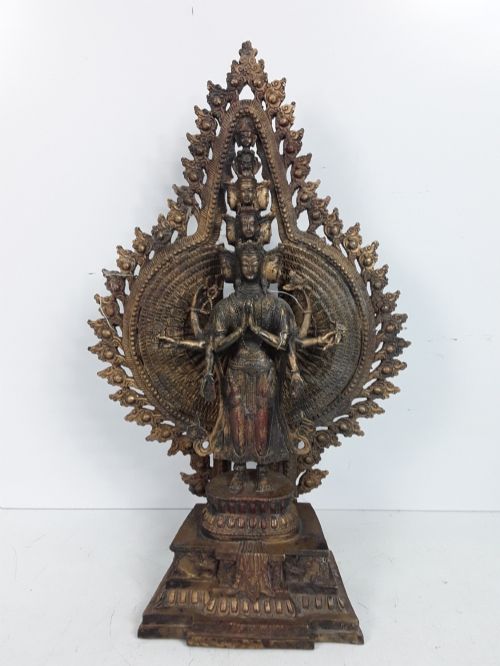
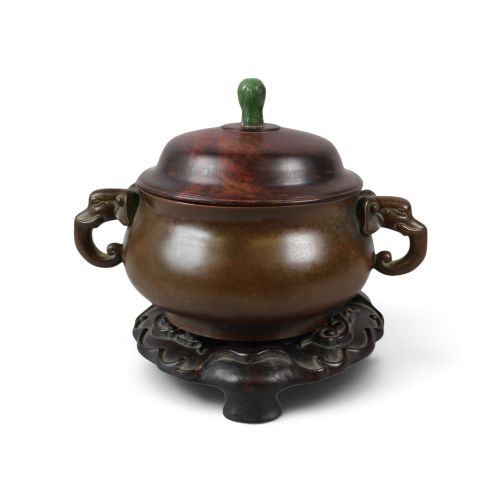
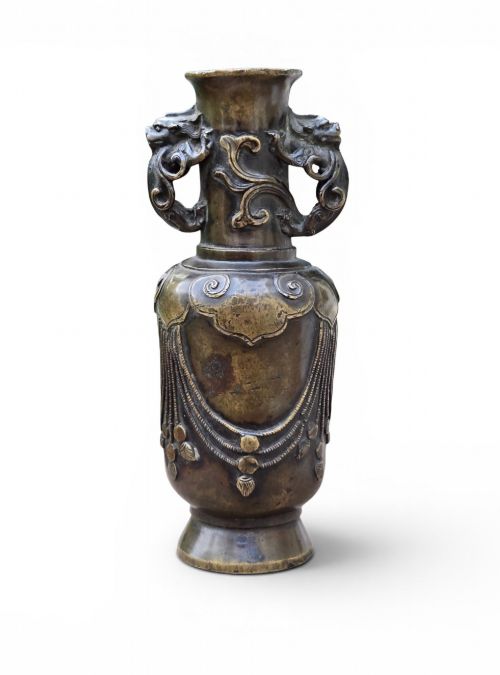
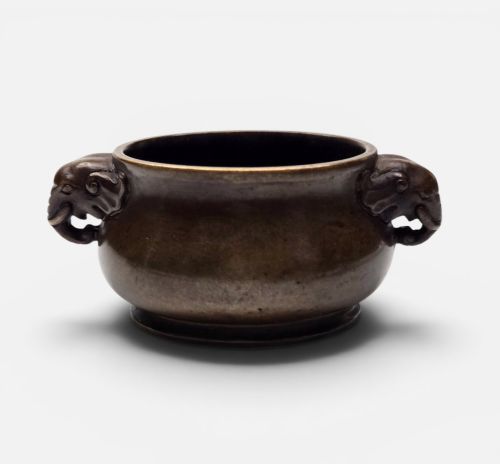
The selections span distinct cultural traditions, encompassing European portrait busts, Asian ritual vessels featuring zoomorphic elements, and African tribal sculpture. Most examples on this page are cast metal sculptures or portrait studies designed for tabletop display, mounted upon marble bases or integrated into functional items such as urns and censers.
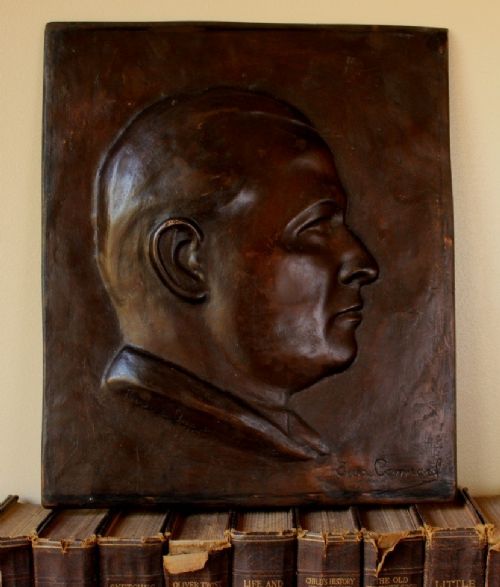
Subjects frequently include mythological figures, Roman emperors, historical rulers, and literary icons rendered in patinated bronze, cast iron, or painted plaster. Whether cast as miniature scholar objects or monumental portraiture, these pieces reflect a sustained historical fascination with sculptural likeness and antiquity.
Materials and technique
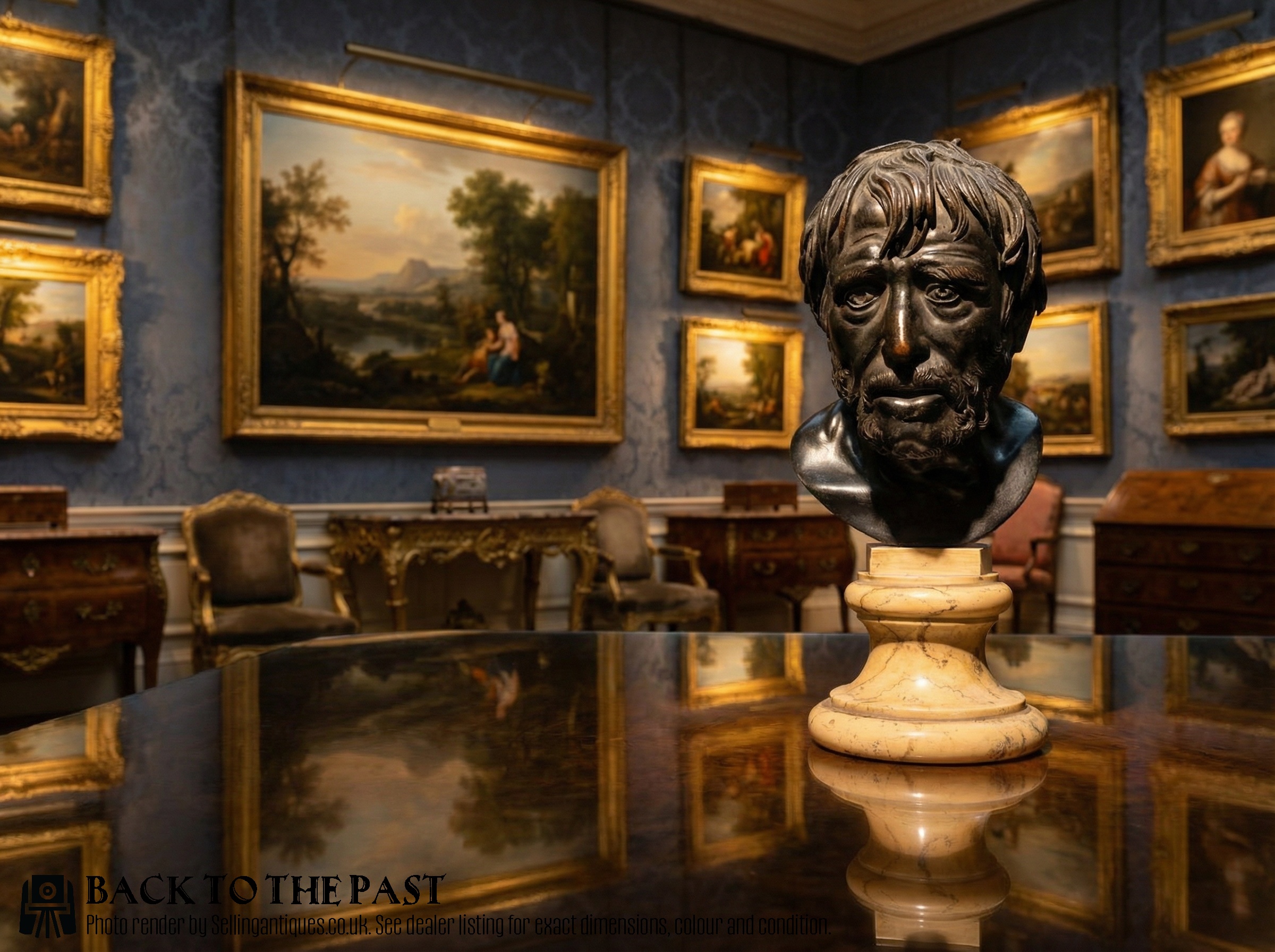
Foundries utilised traditional metal casting methods, predominantly working with bronze and cast iron to achieve durable, highly detailed forms. Molten metal was poured into moulds, allowing artisans to capture intricate facial expressions, hair textures, and ornamental drapery.
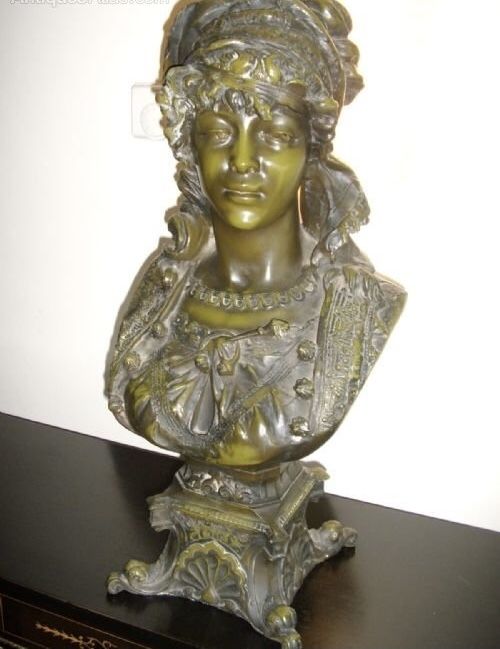
Surface patination played a crucial role in finishing, with chemical treatments applied to dark bronze surfaces to produce deep brown, blackish, or verdantique tones. Many portrait busts were subsequently mounted on turned marble plinths or combined with subsidiary materials like wood, jade, and paint.
Dark Bronze Head Retail Price Guide 2026
Typical asking prices for dark bronze head among the pieces listed under this phrase on Sellingantiques today, from the lower quarter to the upper quarter. They describe what is for sale here now, not the wider market.
Among the historical subjects and stern emperors, a nineteenth-century cat mould waits patiently to cast domestic chaos into metal.
Evaluating craftsmanship
The depth and stability of the chemical patination distinguish accomplished foundry output from flat, uniform factory finishes. Furthermore, the integration of materials - such as a securely fitted bronze bust upon a heavy marble base - reflects the original maker's commitment to structural balance.
Eugene Canneel·Henry Wissen Senior·Emile Jespers·A. Mercie·Giuseppe Moretti·George Minne·Sir Thomas Brock·Alajos Strobl·Mathurin Moreau·Leonhard Posch·E. Villanis
The Dark Bronze Head Glossary
- Grand Tour
- Refers to nineteenth-century souvenirs and sculptural reductions purchased by travellers visiting the classical sites of Italy and Europe. These cabinet bronzes brought ancient Greek and Roman art into domestic interiors.
- Patinated Bronze
- Bronze that has been treated with chemical solutions to alter its surface coloration, yielding dark brown, green, or near-black tones. This layer protects the underlying metal while defining the visual depth of the sculpture.
- Censer
- A ritual vessel designed for burning incense, frequently featuring sculptural zoomorphic handles such as elephant heads or dragons. These objects bridge utilitarian function and decorative metalwork.
- Chasing
- The manual post-casting process where artisans refine the metal surface using punches and chisels to sharpen details and remove casting imperfections. Fine chasing separates master foundry work from commercial production.
- Neoclassical
- A stylistic movement drawing inspiration from the art and culture of classical antiquity, prevalent across nineteenth-century European sculpture and decorative objects.
Dark Bronze Head: Frequently Asked Questions
How should I clean a dark bronze head?
Dust the surface gently with a soft, dry brush to prevent the accumulation of grit within recessed details. Avoid using water, soap, or abrasive metal polishes, as these treatments strip away the historical patination.
Apply a microcrystalline wax sparingly if the metal requires protection, buffing it lightly with a clean cloth. Professional conservation is recommended for stubborn deposits or unstable surfaces.
Were these portrait busts made in antiquity?
The vast majority of nineteenth-century pieces are later interpretations rather than ancient artefacts. Nineteenth-century European foundries frequently reproduced classical sculpture for the Grand Tour market.
Stylistic markers, casting seams, and base materials help determine whether a piece dates to the classical era or its later revival. Patination styles also provide reliable clues regarding the actual date of manufacture.
What is a Grand Tour bronze?
Grand Tour bronzes were produced during the nineteenth century as portable reductions of famous classical sculptures found in European museums and excavations. Travellers collected these pieces as scholarly keepsakes of their continental journeys.
Subjects commonly included Roman emperors, philosophers, and architectural ornaments cast in dark patinated bronze. They were often mounted on marble plinths for display in libraries and studies.
How do I display a heavy bronze sculpture?
Place the piece on a stable, weight-bearing surface such as a hardwood cabinet or a dedicated architectural plinth. Ensure the centre of gravity is supported, particularly when dealing with sculptures mounted on marble bases.
Keep bronze sculptures away from direct heat sources and high humidity to preserve the stability of both the metal and any subsidiary materials.