
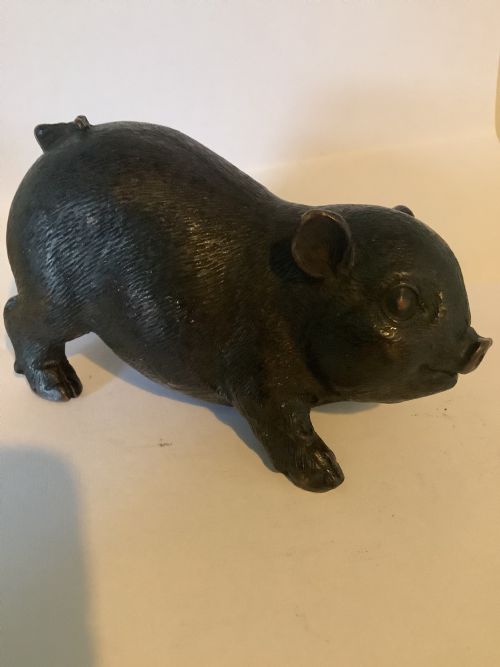
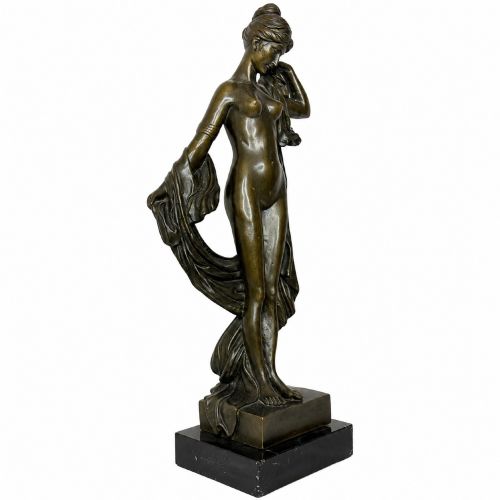
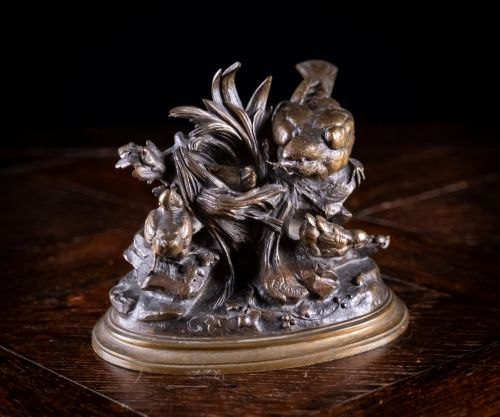
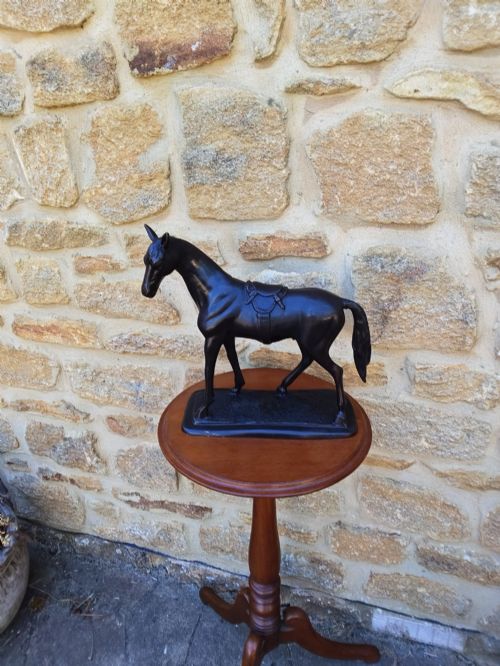
Dark Bronze Desk Sculptures
Dark bronze desk sculptures bring tactile weight and classical presence to a workspace, offering small-scale figures cast in patinated metal.
Dark Bronze Desk Sculptures
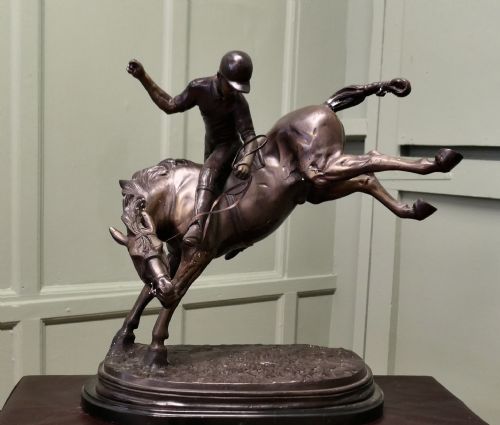
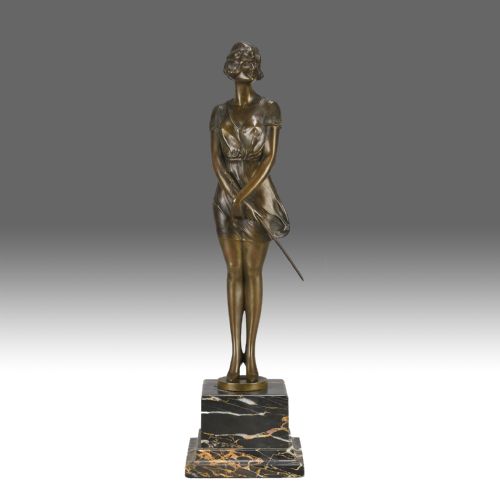
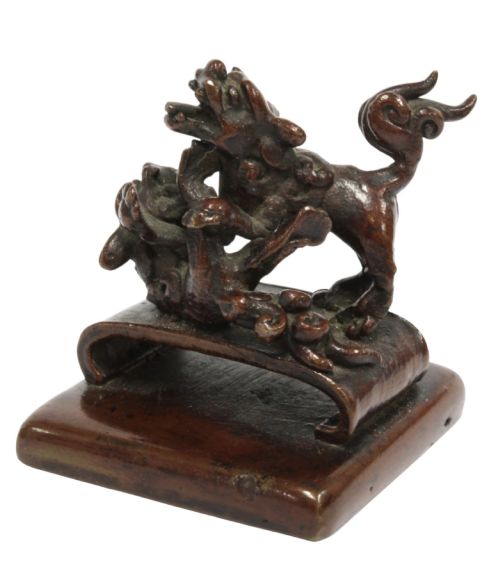
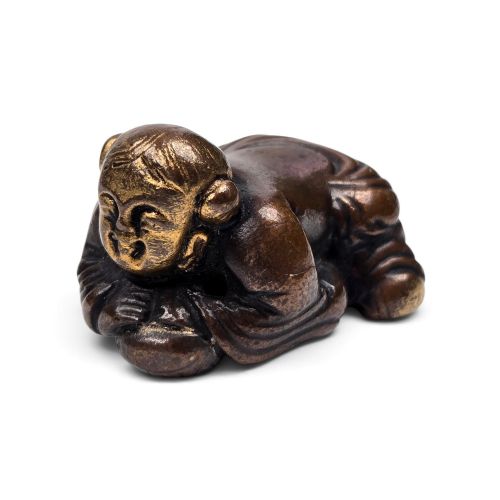
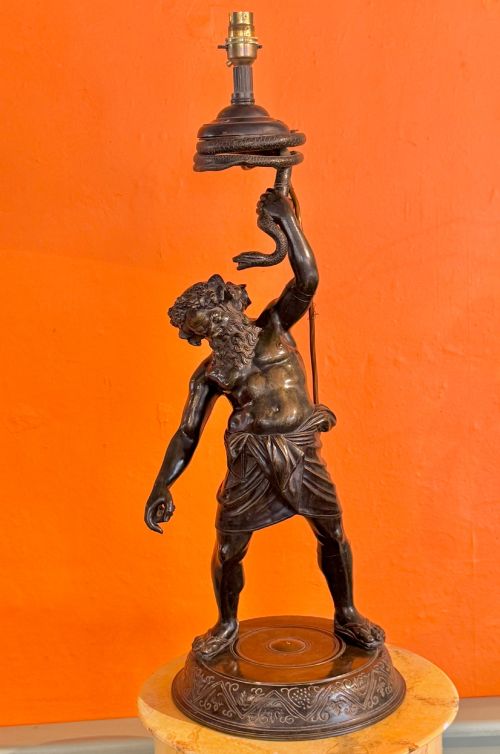
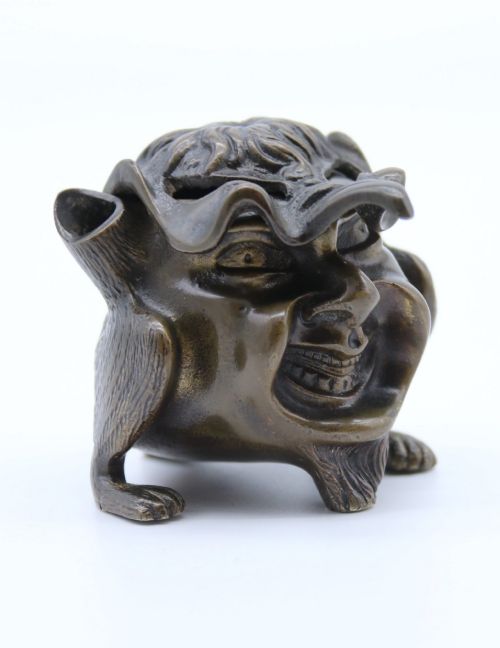
Dark bronze desk sculptures comprise small-scale figurative works, animals, inkwells, paperweights, seals, and lamps designed for writing surfaces and libraries. These pieces range from classical Grand Tour antiquities and French Animalier subjects to Art Deco dancers and Chinese scholar's objects.
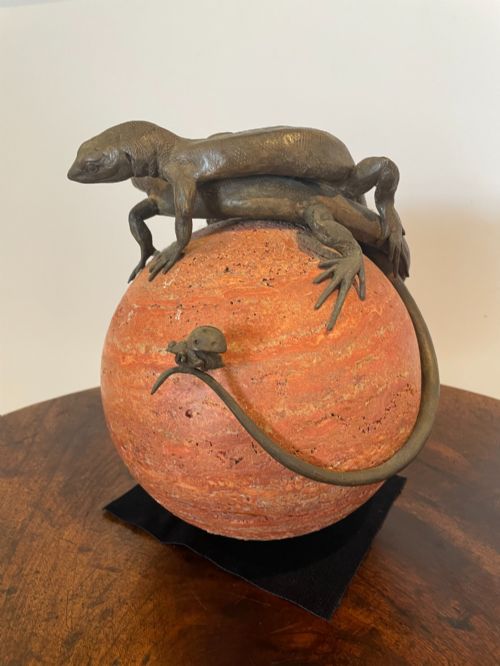
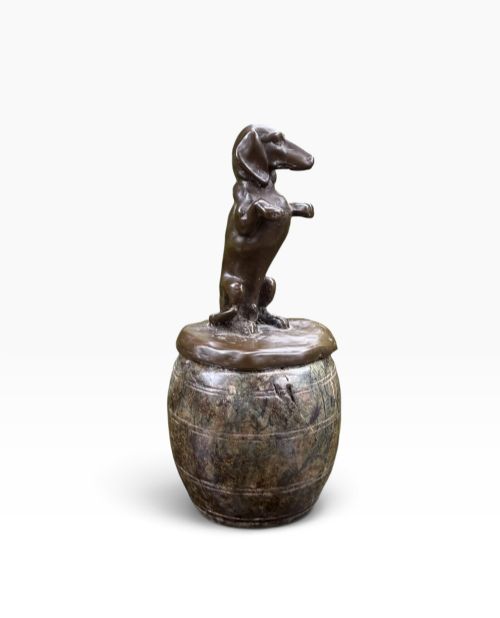
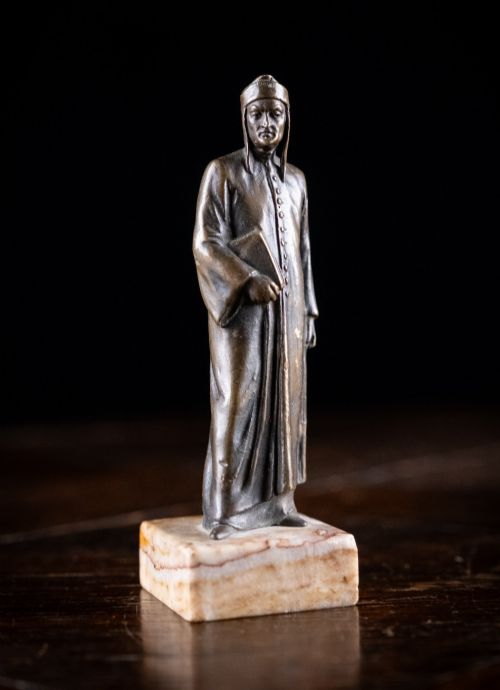
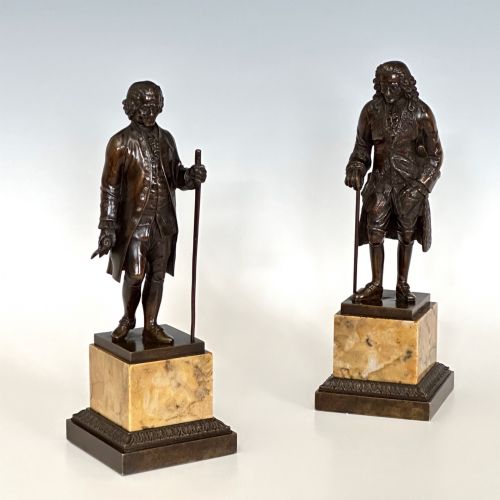
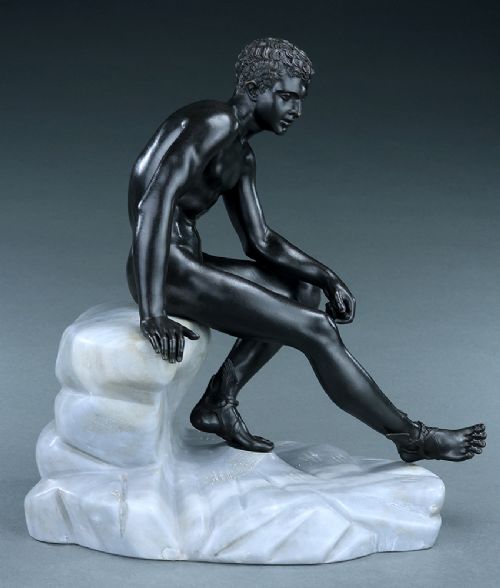
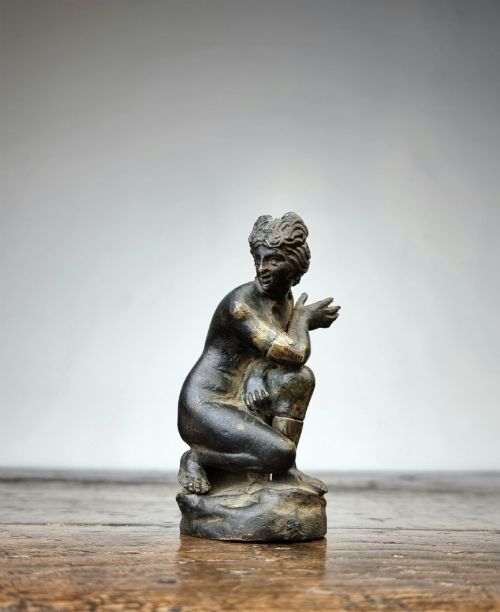
The versions met most frequently on this page date from the nineteenth and early twentieth centuries, alongside earlier Ming Dynasty scholar's pieces and mid-century works. Forms include resting lions, lizards, hounds, literary figures, and mythological subjects mounted on marble or onyx bases.
Makers and sculptors represented span European foundries and individual artists working in distinct stylistic traditions from Neoclassical to Art Nouveau. Each object serves a dual function of utility and ornamentation on the desk.
Materials and casting methods
The primary material is solid-cast or hollow-cast bronze, often enhanced with dark patination, cold painting, or selective fire-gilding. Foundries utilised traditional casting techniques to capture fine surface details in fur, feathers, drapery, and facial expressions.
Many sculptures incorporate secondary materials such as Siena marble, grey marble, or onyx for plinths and bases, providing structural weight and visual contrast to the dark metal. Brass and gold leaf appear as supplementary accents on specific forms.
Listings feature bronze, marble, patinated bronze, paint, brass, gold leaf, Siena marble, and onyx across various object types.
Factors determining quality
The integration between the bronze figure and its stone base marks a distinction in craftsmanship, where tight fitting and balanced proportions elevate the piece. The depth, richness, and preservation of the original dark patina also determine the visual integrity of the work.
Bruno Zach·Louis Emile Cana·G. Amodio Naples·Pierre Jules Meme·Émile Louis Picault·Christophe Fratin·Antoine Louis Barye·Alfred Barye·Aurore Onu·Henry Wissen Senior·Emile Guillemin·Georges Van Der Straeten·Franz Gruber
The Dark Bronze Desk Sculptures Glossary
- Animalier
- A nineteenth-century artistic movement focused on the realistic depiction of animals, particularly predators, horses, and domestic pets. Sculptors in this style studied live subjects closely in menageries.
- Grand Tour
- A traditional trip of Europe undertaken by upper-class Europeans and Americans, resulting in the acquisition of souvenir bronzes depicting classical statues and architecture. These miniature copies were often displayed on desks and library tables.
- Patinated bronze
- Bronze that has been treated with chemical solutions, heat, or acids to produce a specific surface colour, ranging from deep brown to near-black. This layer protects the metal and defines the sculptural contours.
- Cold painted bronze
- A method where paint is applied to a bronze object after casting without being fired in a kiln. This technique was widely utilised by Austrian workshops to render colourful birds, animals, and human figures.
- Scholar's seal
- A carved or cast object used for stamping ink signatures on documents and scrolls, historically placed on scholars' desks in East Asia. These pieces often feature mythological creatures or symbolic figures.
Dark Bronze Desk Sculptures: Frequently Asked Questions
What are dark bronze desk sculptures?
These pieces are small metal figures, animals, inkwells, and paperweights cast in bronze and finished with a dark patina for use on writing desks and tables. They combine decorative appeal with functional roles in libraries and studies.
Origins range from nineteenth-century European foundries to earlier Asian scholar's workshops, encompassing styles from classical antiquity to Art Deco.
How were these sculptures used originally?
Owners placed them on writing desks, library tables, and cabinets as personal objects of contemplation, literary inspiration, or status. Many items served secondary practical duties as paperweights, desk seals, inkwells, or oil lamps.
Grand Tour souvenirs commemorated European travels, while animalier studies reflected contemporary scientific interest in natural history.
How do I care for a bronze desk sculpture?
Maintain the surface by dusting gently with a soft, dry brush to prevent particulate buildup in recessed details. Avoid liquid cleaners, polishes, or abrasive cloths that can strip the historic patina.
Keep the pieces away from direct sunlight, high humidity, and extreme temperature fluctuations to preserve both the metal and any attached stone bases.
How do I distinguish nineteenth-century bronzes?
Examine the base metal, casting seams, signature style, and the depth of the patination for consistency with period manufacturing techniques. Foundries of the nineteenth century utilised specific casting signatures, foundry marks, and mounting styles on marble plinths.
Stylistic cues, such as the naturalism of Animalier subjects or the neoclassical proportions of Grand Tour figures, help date the work accurately.