
Dark Bronze Desk Ornament
A dark bronze desk ornament brings tactile weight and classical line to a writing surface, drawing on centuries of animalier studies and Grand Tour souvenirs.
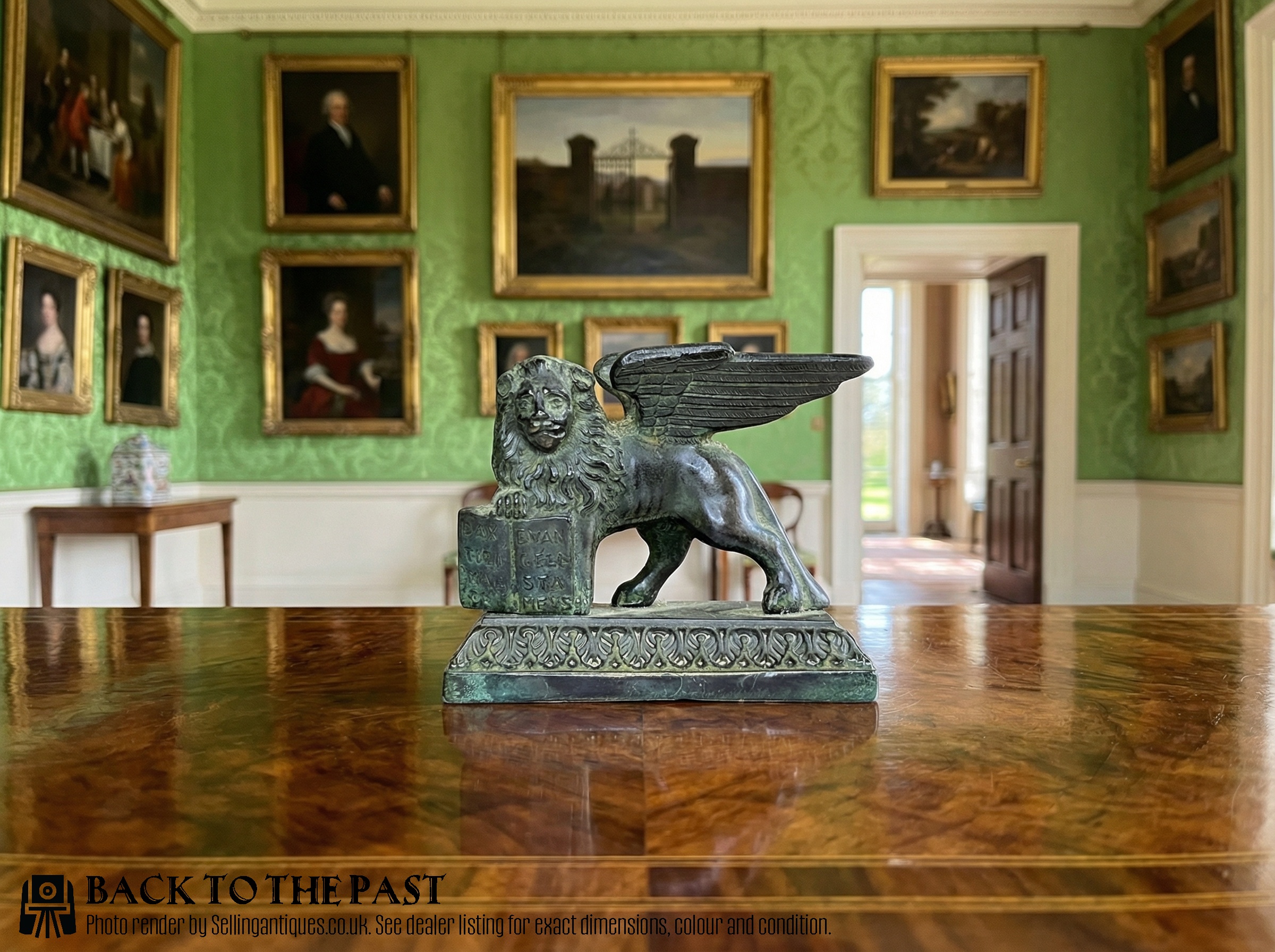
Dark Bronze Desk Ornament
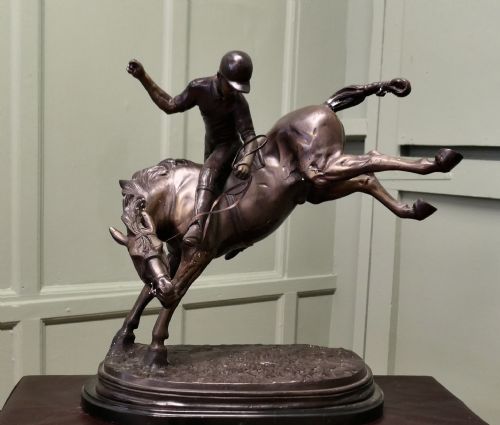
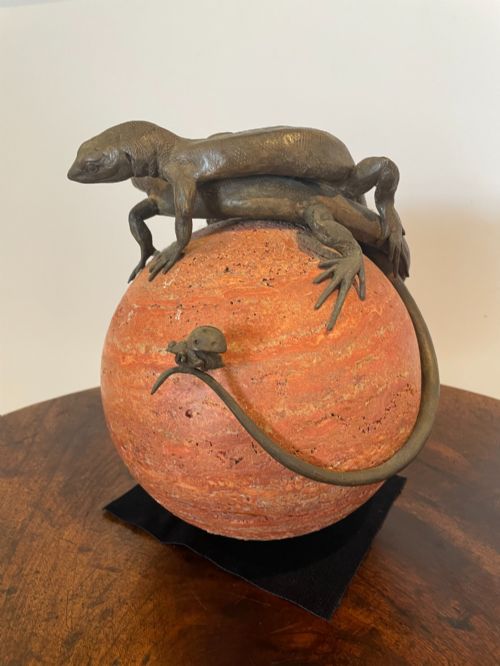
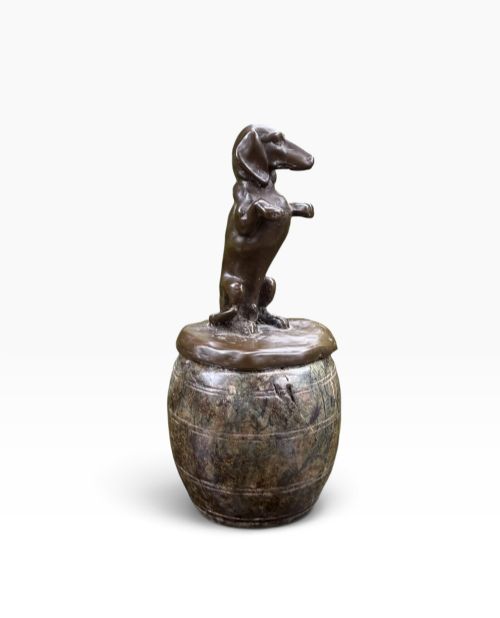
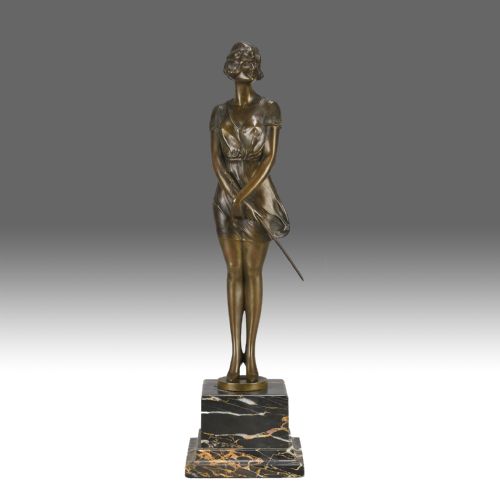
When you search for a dark bronze desk ornament, you encounter small sculptures, inkwells, paperweights, and architectural models designed to anchor a workspace. These pieces emerge primarily from the nineteenth and early twentieth centuries, spanning French animalier subjects, Neoclassical figures, and Grand Tour souvenirs.
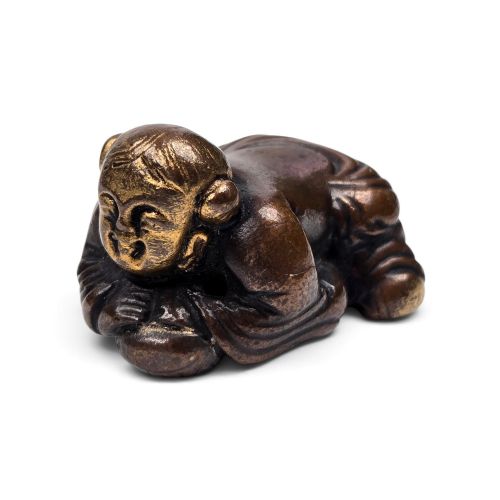
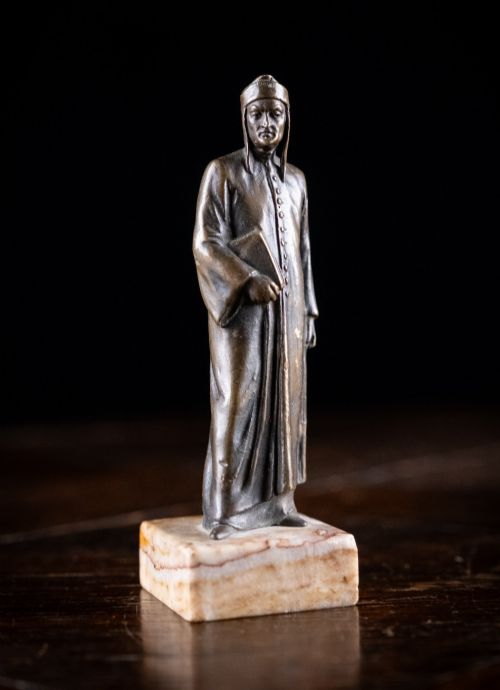
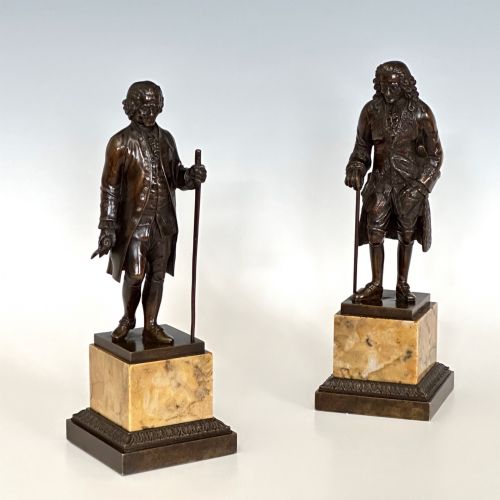
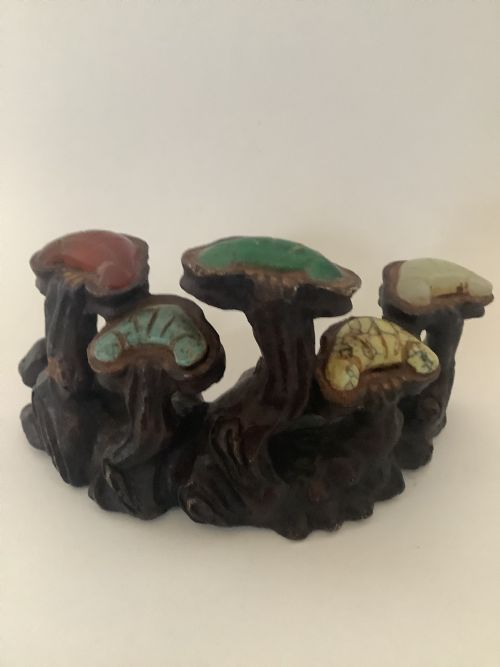
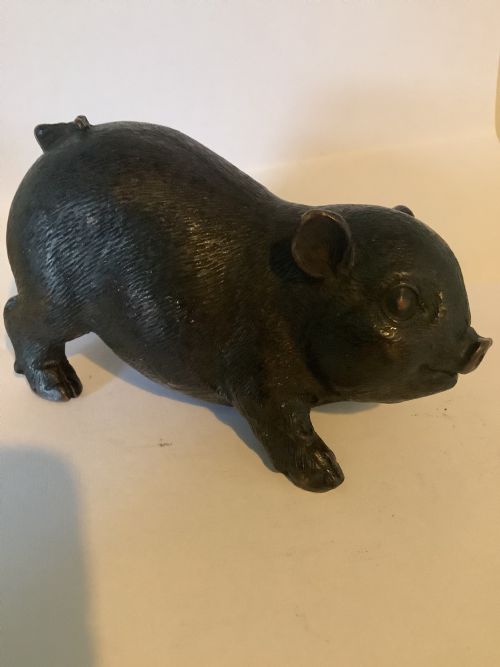
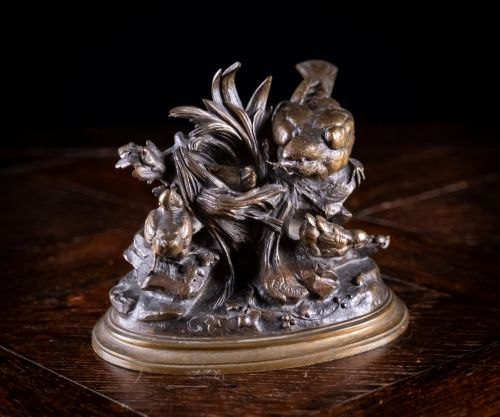
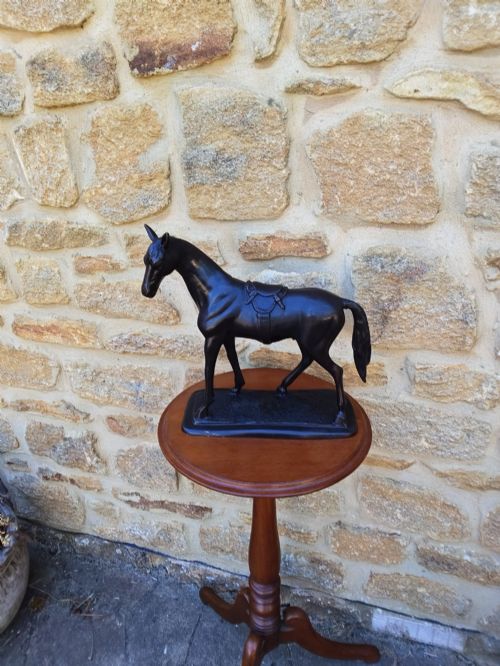
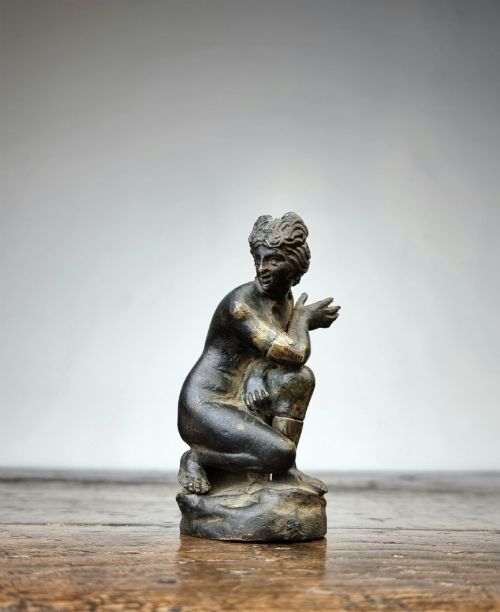
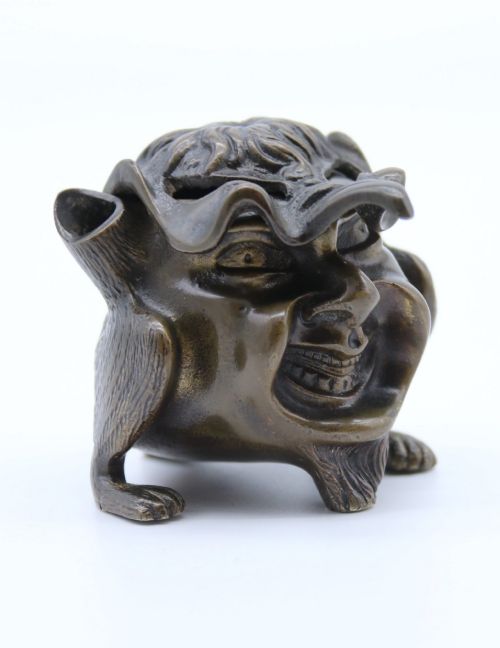
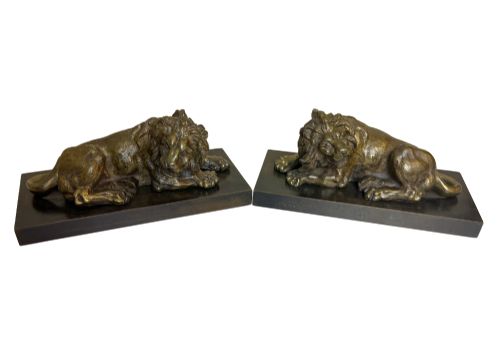
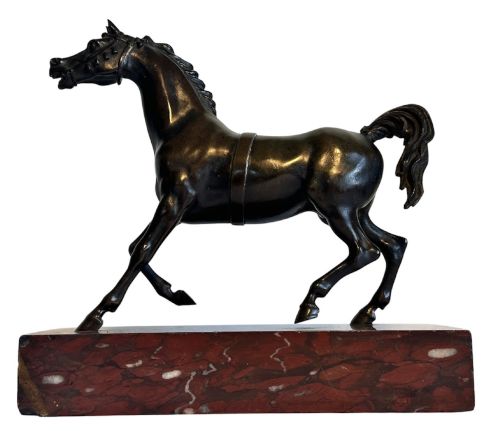
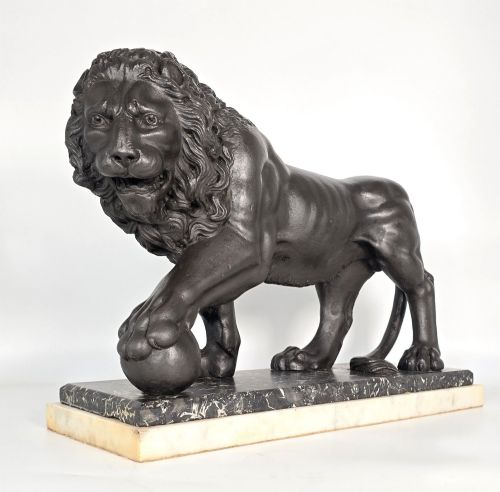
You are most likely to meet nineteenth-century French animalier bronzes depicting lions, dogs, and horses, alongside patinated bronze figures of historical or mythological subjects mounted on marble or onyx bases. Smaller utilitarian items such as bronze inkwells and scholars' objects also appear frequently across the period selections.
The aesthetic leans heavily toward dark patination, often complemented by Siena marble, onyx, or hardstone plinths. Makers utilise solid casting techniques to produce compact forms intended specifically for desktop utility and contemplation.
Materials and Casting Methods
These pieces rely on bronze as the primary structural material, worked through traditional casting methods to capture fine anatomical and architectural details. Artisans frequently apply patination treatments to achieve deep, dark surface tones on the metal.
Many sculptures and figures incorporate integrated or fitted bases made from contrasting materials such as marble, onyx, and hardstone. Certain items also employ cold painting or selective fire-gilding to accentuate specific decorative elements upon the bronze surface.
Dark Bronze Desk Ornament Retail Price Guide 2026
Typical asking prices for dark bronze desk ornament among the pieces listed under this phrase on Sellingantiques today, from the lower quarter to the upper quarter. They describe what is for sale here now, not the wider market.
Listings span the nineteenth and twentieth centuries, incorporating materials such as bronze, marble, onyx, and hardstone across various decorative styles.
Distinctions in Quality and Execution
Quality rests upon the crispness of the casting and the sensitivity of the chasing work applied after the metal leaves the mould. Superior examples retain sharp musculature, clear facial expressions, and well-defined textures in fur, drapery, or stonework.
The integration between the bronze figure and its stone base further signals execution standards, with finer pieces showing seamless mounting and substantial weight. The depth and stability of the dark patination also distinguish accomplished foundry work from simpler production.
Bruno Zach·Louis Emile Cana·Émile Louis Picault·Christophe Fratin·Antoine Louis Barye·Alfred Barye·Aurore Onu·Emile Guillemin·Georges Van Der Straeten
The Dark Bronze Desk Ornament Glossary
- Animalier
- A nineteenth-century artistic style and genre focusing on the realistic portrayal of animals, particularly lions, horses, and dogs in dynamic poses.
- Grand Tour
- A cultural journey of Europe undertaken by wealthy young men in the eighteenth and nineteenth centuries, commemorated through small bronzes of classical sculptures and architectural models.
- Patination
- The chemical or natural treatment of a bronze surface to alter its colour, producing deep dark brown, green, or black tones that protect the metal and define form.
- Cold Painted
- A technique where paint is applied to a bronze object after casting without subsequent firing, common in Austrian animal figures.
- Siena Marble
- A yellow decorative limestone quarried in Italy, frequently utilised as a contrasting plinth for nineteenth-century bronze sculptures and Grand Tour models.
Dark Bronze Desk Ornament: Frequently Asked Questions
What is a dark bronze desk ornament used for?
These pieces functioned historically as desktop accessories, paperweights, inkwells, or contemplative art objects for scholars and writers.
Today, they serve primarily as decorative accents that bring nineteenth-century craftsmanship and classical subjects into home and office interiors.
How do I care for a bronze desk ornament?
Maintenance requires only gentle dusting with a soft, dry cloth to protect the dark patination and any underlying stone base.
Avoid liquid cleaners, polishes, or abrasive materials that might strip the historic surface treatments or damage the metal.
What periods do these desk ornaments come from?
The selection consists predominantly of nineteenth-century works, alongside early twentieth-century examples spanning Art Deco and Neoclassical revivals.
Earlier pieces from the seventeenth and sixteenth centuries also appear occasionally, representing classical revivalism and early scholar objects.
Why are many bronzes mounted on marble bases?
Mounting smaller bronzes on marble, onyx, or Siena marble plinths provided physical stability and visual weight for desktop use.
This practice became particularly common during the nineteenth century and the Grand Tour period, elevating cabinet bronzes into distinct sculptural objects.