
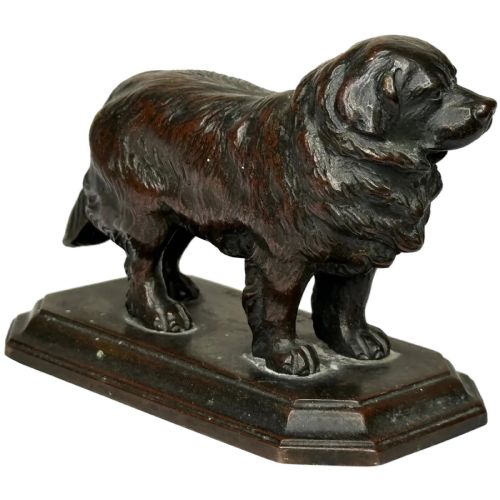
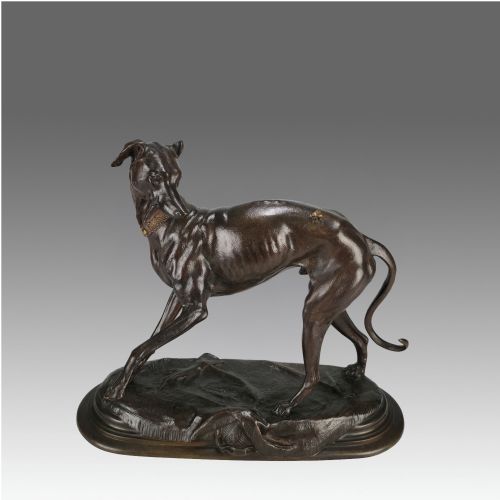
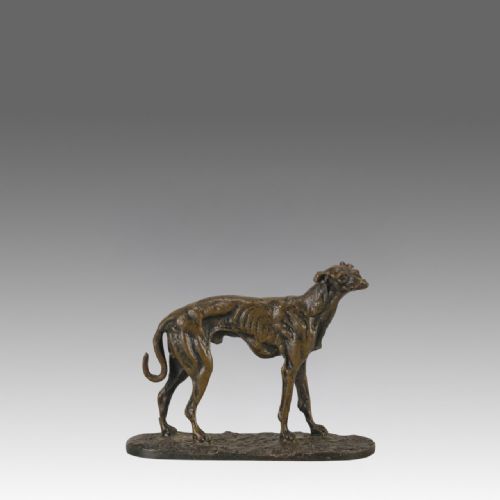


Dark Bronze Canine Statue
A dark bronze canine statue brings the energy and loyalty of dogs into metal sculpture, spanning French animalier work and Japanese pieces.
Dark Bronze Canine Statue
A dark bronze canine statue captures dogs in bronze, ranging from greyhounds and terriers to bulldogs and spaniels. These figures appear across the nineteenth century and into the twentieth century, reflecting varied breeds and poses.
The pieces on this page lean heavily into nineteenth century French animalier styles, alongside Victorian pieces and Japanese Meiji period work. Collectors encounter terriers, sighthounds, and spaniels modelled with careful attention to canine anatomy.
Makers and foundries such as Barbedienne shaped these sculptures, rendering hounds in realistic action or restful poses. A dark bronze canine statue sits on timber or marble bases, holding its presence through disciplined metalwork.
Materials and Techniques
Casting in bronze forms the core of these pieces, often paired with a patinated surface finish to deepen the dark tone. Some works incorporate cold painted bronze elements or detailed paintwork over the metal.
Foundries mounted the metal sculptures onto wood, timber bases, or marble plinths to ground the heavy figures. The integration of patinated bronze and mixed mineral bases defines the physical construction of these sculptures.
Listings feature nineteenth century and twentieth century bronze canine sculptures, utilising materials including marble, timber bases, and patinated bronze.
Assessing Quality and Execution
The distinction between tiers rests upon the fidelity of the casting and the nuance of the patina. Superior examples demonstrate precise musculature and clear facial expressions that capture the specific character of the breed.
Signature markings and foundry stamps elevate certain pieces, connecting the work directly to known animalier sculptors. The treatment of the surface, whether smooth dark patina or detailed cold painting, separates standard foundry production from masterwork.
Alfred Barye·P J Mêne·Prosper Lecourtier·Antoine Louis Barye·Joseph Francois Victor Chemin·Barbedienne
The Dark Bronze Canine Statue Glossary
- Animalier
- A nineteenth century artistic movement focused on the realistic depiction of animals, particularly in bronze sculpture. Practitioners of this style studied animal anatomy closely.
- Patinated Bronze
- Bronze treated with chemical solutions to produce a specific surface colour, commonly dark brown or black in these canine figures. This finish protects the metal and defines the shadows.
- Cold Painted Bronze
- A technique where oil paint is applied to a cold bronze object rather than fired in a kiln. This method allows for multi-coloured detail on dogs such as bulldogs.
Dark Bronze Canine Statue: Frequently Asked Questions
How do I identify a French animalier dog bronze?
French animalier bronzes show realistic muscle structure and natural poses, frequently depicting greyhounds, hounds, or spaniels. These pieces often bear signatures of prominent sculptors on the bronze base.
Look for deep patination and heavy metal casting, which distinguish nineteenth century French studio production from later reproductions.
What is cold painted bronze?
Cold painted bronze refers to metal sculptures painted with oil colours after casting, rather than utilising high-temperature enamel firing. This technique brings naturalistic colour to breeds like bulldogs and spaniels.
Care is required when cleaning these surfaces to preserve the applied pigment.
How were these canine sculptures displayed?
Many of these bronze dog figures were mounted on timber bases or marble plinths to provide stability and a finished presentation. The weight of the bronze required a solid foundation.
Collectors placed them on desks, mantelpieces, or dedicated cabinets alongside other animalier works.
How do I care for a bronze dog statue?
Maintain the dark bronze patina by dusting the surface gently with a soft dry cloth. Avoid chemical polishes that can strip the patinated finish from the metal.
Keep the sculpture away from direct moisture and extreme temperature changes to protect both the bronze and any wooden or marble base.