


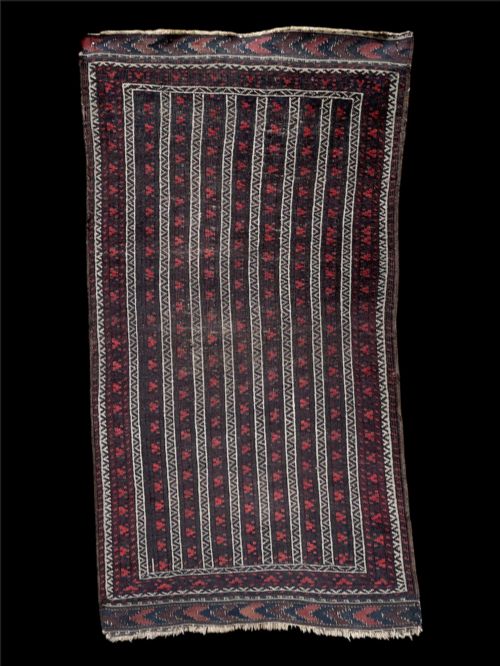
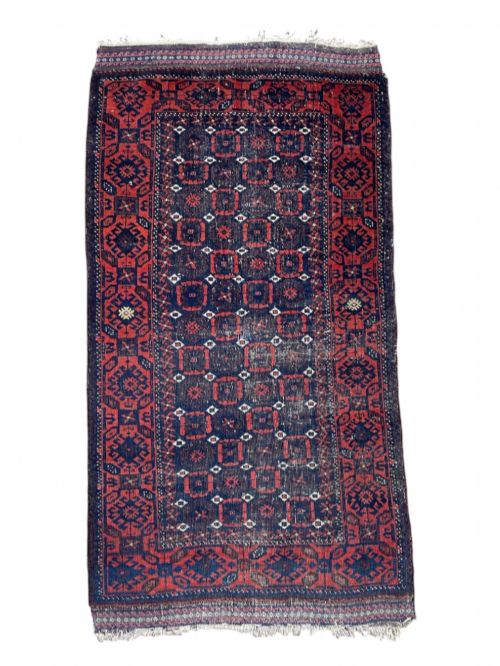


Dark Blue Woven Rug
A dark blue woven rug brings centuries of tribal artistry and rich indigo depth directly to your floor.
Dark Blue Woven Rug
When you search for a dark blue woven rug, you encounter hand-knotted and flatwoven tribal textiles originating from Persia, Afghanistan, and the Caucasus. These pieces span from the late nineteenth century through to the early decades of the twentieth century, reflecting traditional village and nomadic weaving practices.
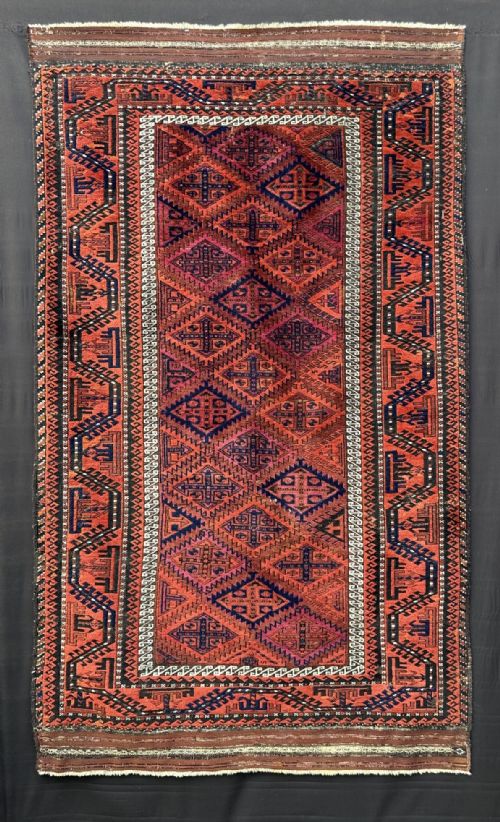
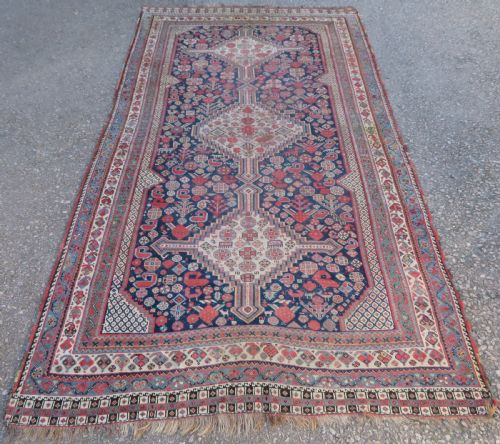
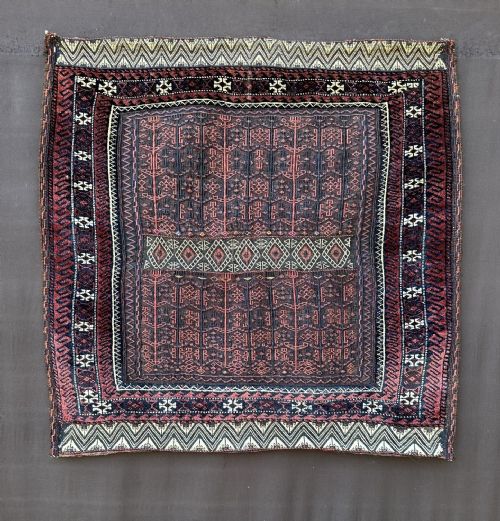
The selections available include full-sized carpets, runners, smaller area rugs, and functional tribal items such as bag faces, torbas, and sofreh. Baluch, Kurdish, and Persian tribal pieces dominate the offerings, providing geometric motifs and rich indigo grounds.
Buyers seeking authentic textile history find that these floor coverings deliver genuine character through regional designs like Mina Khani patterns, prayer mihrabs, and medallion layouts. Each textile represents the specific cultural aesthetic of the tribe that knotted it.
How they were made
Weavers constructed these textiles using hand-spun wool and cotton foundations, often incorporating goat hair for durability along the selvages. Natural dyes provided the deep blue grounds and contrasting hues that define the palette of these vintage pieces.
Nomadic and village artisans knotted or wove each piece by hand on traditional vertical or horizontal looms. This manual process resulted in varying densities of weave, from coarse tribal structures to the finer knotting found in city and regional workshops.
Listings feature traditional wool and cotton constructions from nineteenth and twentieth-century Persian, Afghan, and Caucasian origins.
What varies in quality
Quality in these textiles depends heavily on the precision of the weave and the depth of the dye work. Tighter knotting and well-balanced natural dye lots separate superior tribal pieces from simpler commercial variants.
The artistic merit of the design layout and the integrity of the original wool foundation dictate the overall grade. Pieces retaining crisp geometric definition and sound structural edges command greater appreciation among collectors.
The Dark Blue Woven Rug Glossary
- Mina Khani
- A traditional repeating pattern of daisy-like flowers connected by curved vines. This symmetrical design frequently appears across Persian and Baluch rugs.
- Mihrab
- A niche design symbolising the prayer focal point, commonly seen in rugs produced for devotional use. It typically mimics the architectural prayer arches of mosques.
- Torba
- A small ceremonial wall hanging or storage bag produced by Turkmen tribes. These pieces often feature specific gul motifs.
- Sofreh
- A flatwoven textile used historically for spreading food or handling bread-making tasks. They showcase striking tribal geometry and practical utilitarian weaving.
- Soumak
- A flatweaving technique where decorative face threads wrap around the warp yarns in a continuous sweep. This method creates a sturdy structure without a traditional knotted pile.
Dark Blue Woven Rug: Frequently Asked Questions
How do I identify a Baluch rug?
Baluch rugs typically display deep indigo and dark brown grounds paired with geometric patterns, camel hair accents, and distinctive wool quality. Their compact sizes and specific tribal motifs distinguish them from larger Persian city carpets.
Many examples incorporate prayer designs, box medallions, or tree of life elements rooted in the traditions of nomadic weavers from the borderlands of Persia and Afghanistan.
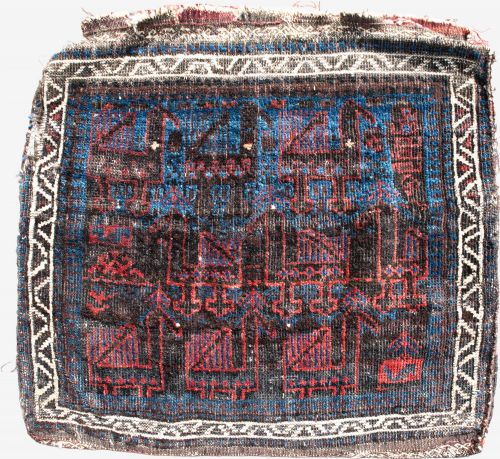
What is a bag face?
A bag face is the decorative front portion of a utilitarian storage sack originally used by nomadic tribes for household possessions. These squares or rectangles were preserved when the backings wore out.
Collectors prize them as self-contained artistic statements that display the weaver's finest geometric work in a condensed format.
How should I care for an antique rug?
Vacuum these antique textiles gently with a suction-only attachment, avoiding rotating bristle brushes that can pull at aged wool fibres. Professional antique rug cleaning is recommended every few years to remove embedded grit safely.
Keep the textile out of direct, intense sunlight to protect the natural indigo and madder dyes from fading over time.
Are these rugs made with natural dyes?
The pieces from the nineteenth and early twentieth centuries rely primarily on natural dyes derived from plants, roots, and insects. Indigo provides the characteristic dark blue grounds seen across these tribal weaves.
These natural colourants yield subtle variations in tone known as abrash, adding visual depth that chemical dyes cannot replicate.