



Antique Sofreh Mat
An antique sofreh mat is a tribal textile used for meals and bread-making, prized by collectors for its raw, utilitarian artistry and rich cultural history.
Antique Sofreh Mat
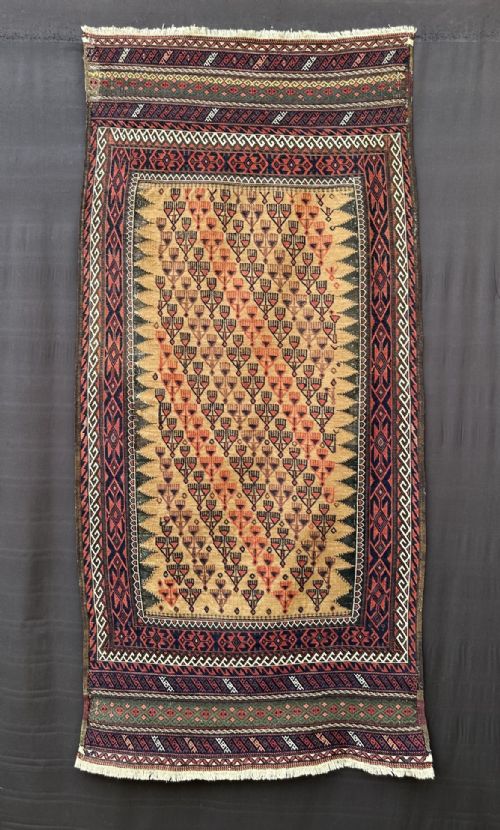
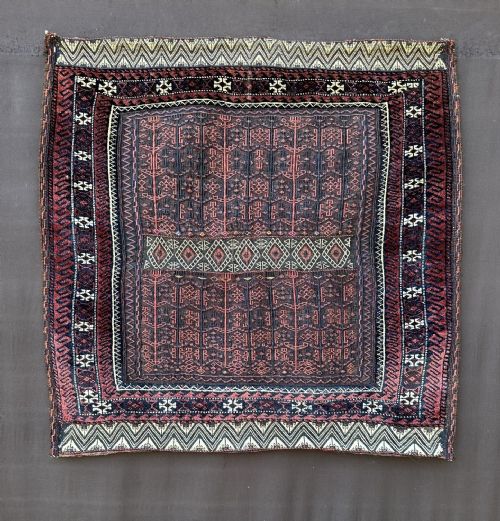
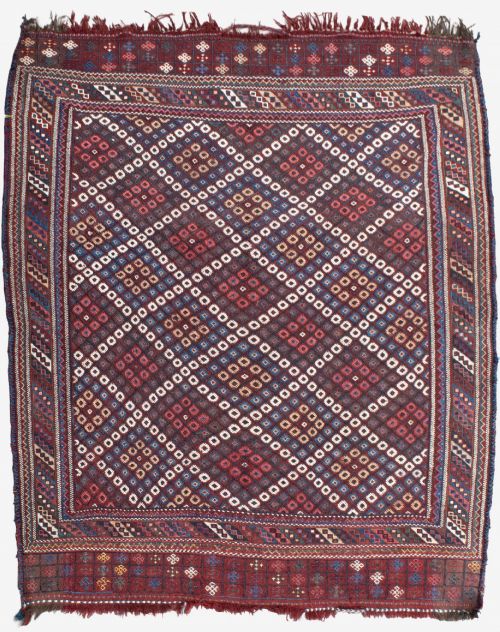
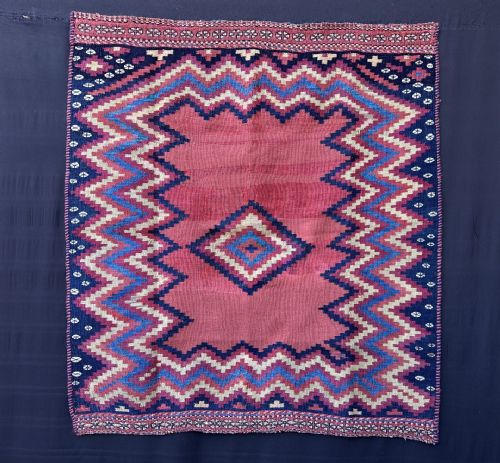
An antique sofreh mat is a traditional woven textile originating from nomadic and tribal communities in Persia and Afghanistan. These flatweave rugs and kilims served specific domestic purposes, principally connected with the preparation, serving, and sharing of food and bread within the tribal household.
Buyers browsing this selection will most frequently encounter flatweave rugs and textiles attributed to regional groups such as the Afshar nomads, Timuri tribes, and Lor weavers. These pieces span the late nineteenth century and the early decades of the twentieth century, reflecting the distinct utilitarian aesthetics of their makers.
The forms range from dining sofreh to specific bread sofreh, created in locales from the Kerman province to the borderlands of Persia and Afghanistan. Each piece carries the geometric and tribal vocabulary characteristic of its specific origin, offering a direct link to nomadic domestic life.
How they were made
The construction of an antique sofreh mat relies primarily on wool, cotton, and occasional camel hair, manipulated through flatweaving techniques to create durable, pileless surfaces suited to daily use. These materials provided the necessary strength and flexibility for textiles that were repeatedly rolled, folded, and laid upon the ground.
Weavers utilised natural dyes to colour the yarns, producing deep, earthy tones that have aged with considerable character over the decades. The interplay of wool and cotton foundations with these organic colourants defines the tactile and visual reality of the surviving pieces.
What varies in quality
The distinction between ordinary and exceptional examples rests upon the integrity of the weave, the clarity of the tribal design, and the vibrancy or depth of the natural dyes. Superior pieces demonstrate a confident handling of geometric motifs and a disciplined execution that speaks to the weaver's individual skill within strict tribal traditions.
Condition and completeness also play a defining role, as these textiles were subjected to rigorous domestic service. The retention of original flatweave edges and the stability of the foundation yarns separate well-preserved specimens from those heavily altered by heavy wear.
The Antique Sofreh Mat Glossary
- Sofreh
- A spread or cloth, typically woven flat, used in nomadic households for dining or handling bread. It forms the central focus of this collecting category.
- Flatweave
- A textile produced without knotted pile, such as a kilim, resulting in a smooth, tapestry-like surface. This technique allows for sharp geometric patterning.
- Natural Dyes
- Colourants derived from plant, insect, or mineral sources rather than synthetic chemistry. They yield the characteristic muted tones seen in nineteenth-century tribal weaving.
- Nomad
- A member of a community with no fixed home, moving seasonally with livestock. Tribal weaving traditions developed directly out of this mobile existence.
Antique Sofreh Mat: Frequently Asked Questions
What is an antique sofreh mat used for?
These textiles were utilised primarily as spread cloths for communal dining or for the kneading and baking of bread within nomadic households.
Today, collectors mostly appreciate them as wall hangings or decorative flatweave floor coverings that bring organic warmth to modern interiors.
Where do antique sofreh mats come from?
They originate from various tribal groups and regions across Persia and Afghanistan, including the Kerman province, Luristan, and the borderlands.
Specific tribes such as the Afshar, Timuri, and Lor communities produced these distinctive flatweaves according to their own local domestic customs.
How old are these flatweave textiles?
The pieces available generally date from the late nineteenth century through to the early decades of the twentieth century.
This timeframe captures the period before synthetic dyes and industrial changes fully altered traditional nomadic textile production.
How should I care for a tribal sofreh mat?
Care involves gentle vacuuming without a rotating brush and keeping the textile away from direct, prolonged sunlight to protect the natural dyes.
Professional textile conservation cleaning is recommended if deep maintenance becomes necessary over time.