




Dark Blue Persian Runner
These dark blue persian runner pieces bring deep indigo tones and nomadic craft into a hallway, offering durable wool and traditional tribal patterns.
Dark Blue Persian Runner
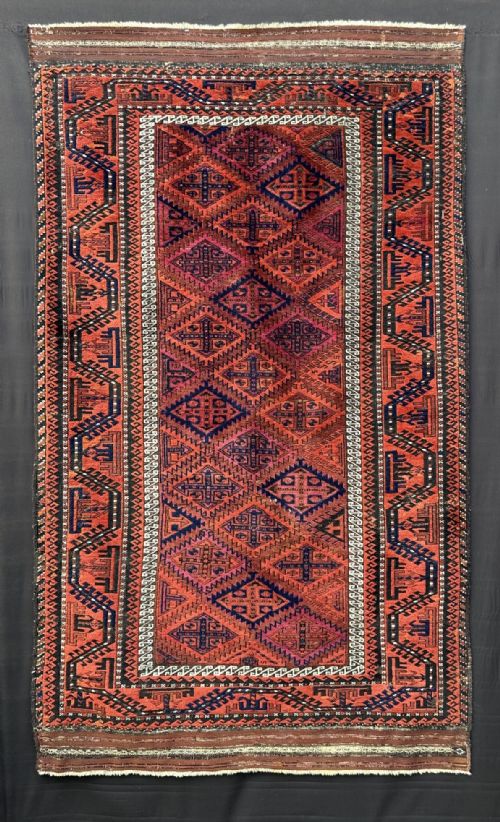
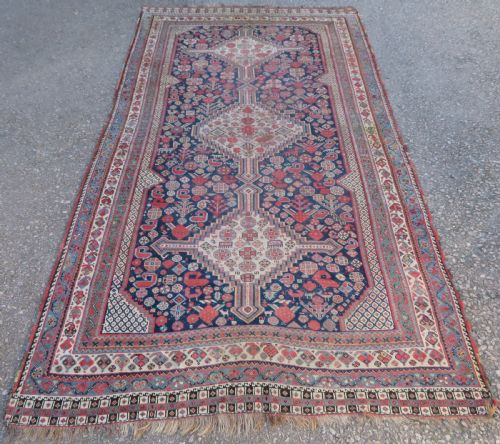
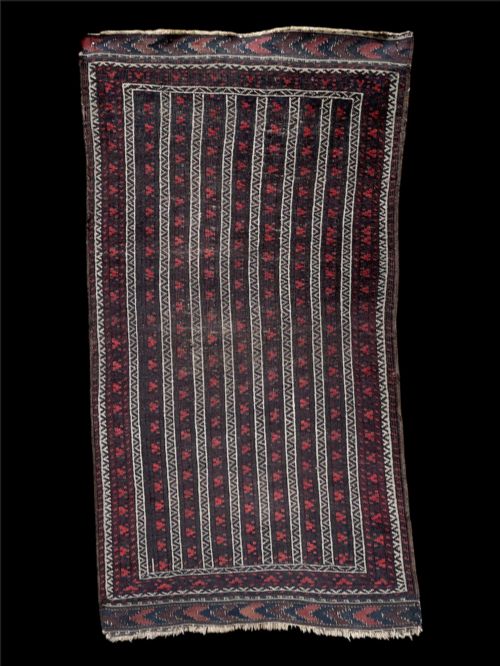
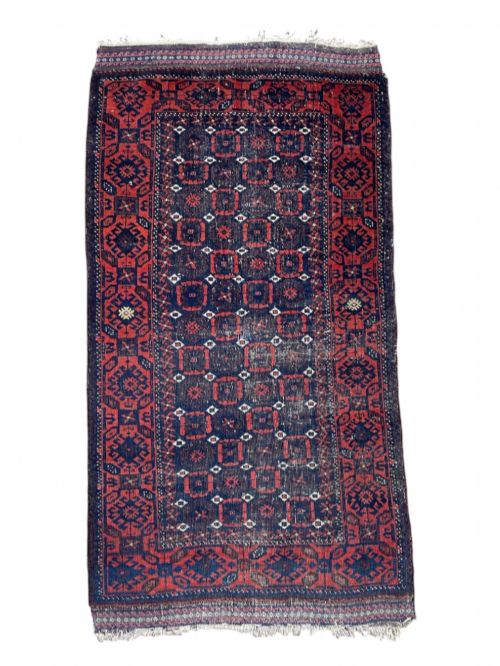
A dark blue persian runner serves as a narrow floor covering woven by tribal and village groups across Persia and neighbouring regions. When searching for this phrase, a buyer encounters pieces originating from various traditions including Baluch, Kurdish, Heriz, and Luri workshops.
The selection on this page spans several decades from the late nineteenth century into the early twentieth century, alongside older examples. These formats suit long corridors, entryways, and narrow spaces where traditional motifs display vertically.
Nomadic weavers created these carpets for practical domestic use rather than formal court display. Consequently, the surviving examples carry geometric medallions, repeating field patterns, and deep indigo grounds achieved through traditional dyeing methods.
How They Were Made
Weavers relied on hand-spun wool for the pile, providing resilience and a rich surface texture that responds well to age. Foundations typically consist of sturdy cotton or wool warps and wefts, ensuring structural stability along the length of the runner.
Natural dyes produced the deep indigo shades and contrasting accents found across these textiles. Artisans extracted colours from plant and mineral sources, allowing the dyes to mellow gradually over decades of exposure and use.
The inventory includes tribal styles originating from Baluch, Kurdish, and Luri traditions alongside classic Heriz and Hamadan village designs.
What Varies in Quality
Knot density and structural tightness dictate the longevity and crispness of the woven design. Tighter packing of the wool pile against the foundation results in a firmer handle and sharper definition in geometric borders and medallions.
The complexity and consistency of the natural dye palette influence the visual depth of the indigo ground. Subtle variations in tone, known as abrash, demonstrate hand-dyeing methods, whereas muddy or unstable colours indicate lesser dye preparation.
The Dark Blue Persian Runner Glossary
- Runner
- A long, narrow carpet format designed specifically for hallways, corridors, and stairs. These pieces balance length with a restricted width.
- Abrash
- A natural variation in colour shading across the wool pile caused by different dye batches or changes in yarn lots. This variation is characteristic of traditional hand-dyed textiles.
- Warp
- The vertical foundation threads stretched lengthwise on the loom before weaving begins. Weft threads are passed alternately through these structural elements.
- Medallion
- A central decorative motif placed in the field of the rug. Tribal weavers often used geometric or box-shaped versions to anchor the composition.
- Pile
- The dense surface layer of wool loops or cut ends that forms the soft upper face of the carpet. Its thickness affects both comfort underfoot and wear resistance.
Dark Blue Persian Runner: Frequently Asked Questions
Where should I place a long runner?
These narrow formats work best in hallways, corridors, and staircases where foot traffic is frequent. Their proportions direct movement through a home while protecting timber or stone flooring.
Ensure you use a suitable rug underlay beneath the piece to prevent slipping and reduce friction between the wool foundation and hard floors.
How do I clean an old wool runner?
Regular gentle vacuuming without a rotating brush helps remove embedded dust from the wool pile. Professional specialist cleaning remains essential for addressing deeper soil safely.
Avoid using harsh chemical detergents or hot water immersion, as these treatments can damage natural dyes and weaken antique wool fibres.
Are indigo dyes permanent?
Natural indigo provides a stable blue tone that holds its depth well over long periods. Minor fading can occur naturally through decades of direct sunlight exposure.
Such gentle mellowing often enhances the character of the textile by softening harsh contrasts between the dark blue ground and accent colours.
How do I distinguish tribal from village weaving?
Tribal runners produced by nomadic groups frequently feature asymmetrical geometric layouts, memory-woven motifs, and irregular borders. Village pieces tend toward more balanced structures and structured medallions.
Both categories rely on local materials and traditional dyeing practices handed down through generations of makers.