




Dark Blue Oil Portrait
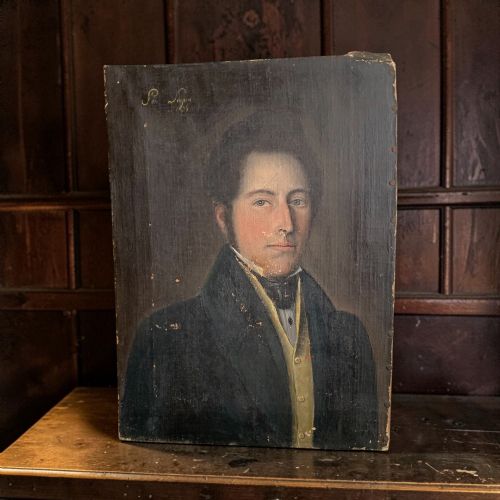
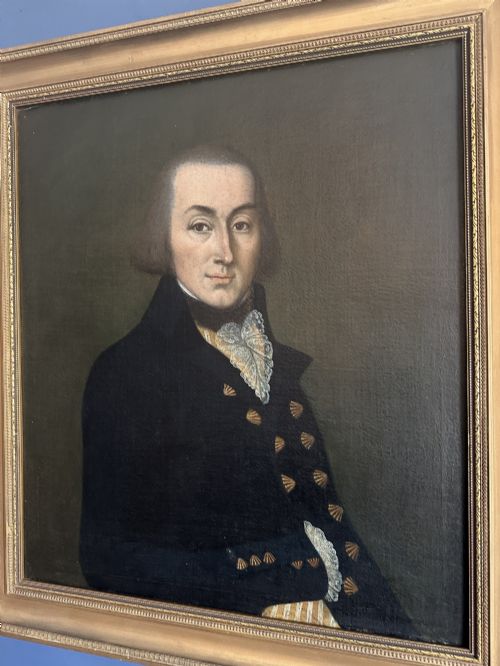
A dark blue oil portrait captures the depth and gravity of historical subjects through rich pigments and enduring canvas.
Dark Blue Oil Portrait
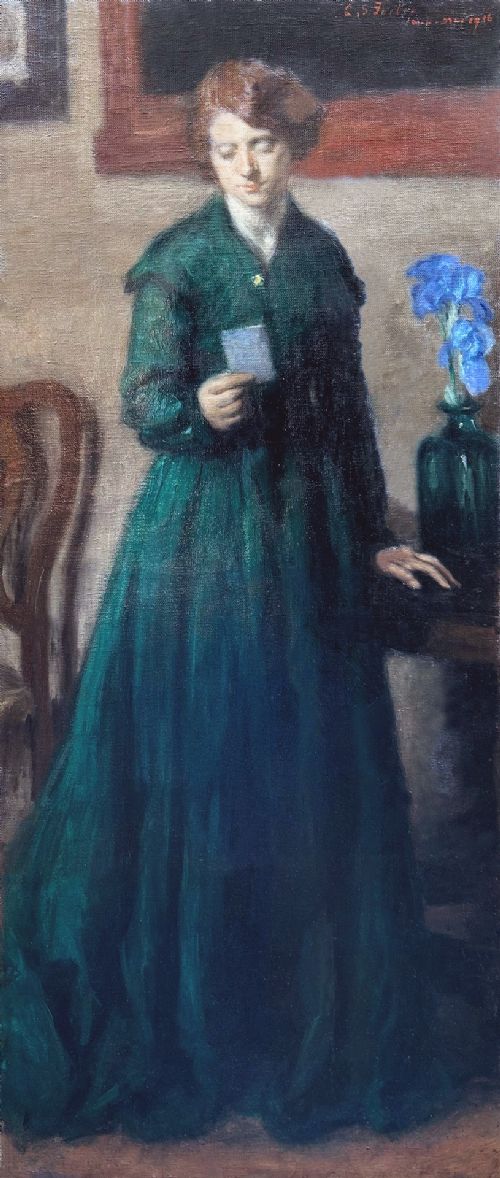
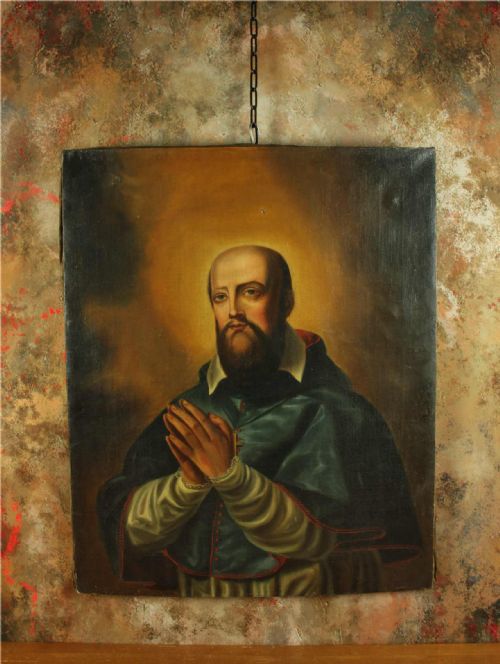
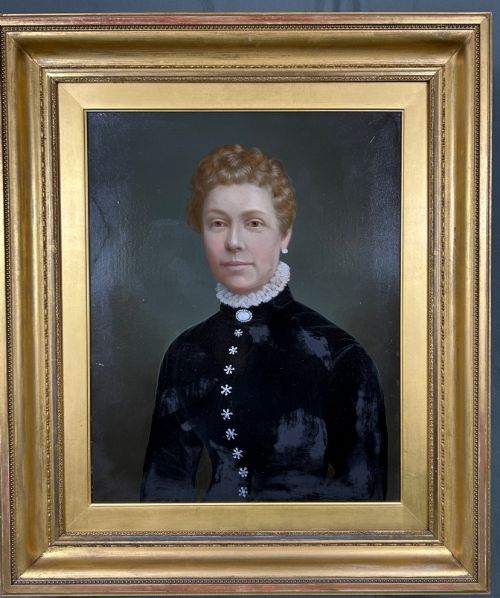
A dark blue oil portrait presents subjects ranging from naval officers in uniform to noblewomen and gentlemen rendered in moody palettes. These works emerge from centuries of tradition, spanning Stuart, Georgian, Regency, and Victorian periods.
The selections available here reflect diverse European and British schools, including miniature paintings alongside large canvas works. Collectors encounter depictions of military figures, monarchs, and family groups set against deep chromatic backgrounds.
The focus centres on characterisation and costume, where dark blue attire or drapery anchors the composition. Painters utilise oil paint to build subtle tonal gradients that accentuate the subject's presence.
Materials and Techniques
Artists built these portraits using oil paint applied to canvas, wood panels, or framed boards. Ground pigments mixed with drying oils allowed painters to achieve rich dark blue depths through successive translucent glazes.
Support structures varied from unframed canvas to elaborately gilded wood frames featuring gold leaf. Preparation of the ground surface ensured the stability of the oil medium over centuries of display.
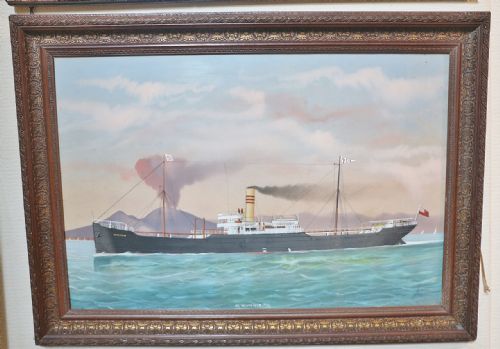
Several naval officers stare out with absolute sternness while a small dog or racing pigeon quietly steals the entire scene.
Assessing Quality and Execution
Provenance and attribution to documented artists or recognised schools elevate a piece. The preservation of the original paint layer without intrusive restoration preserves the integrity of the work.
John Hayls·Sir Thomas Lawrence·Sir Godfrey Kneller·Edward Bird·Lemuel Francis Abbott
The Dark Blue Oil Portrait Glossary
- Canvas
- A heavy woven fabric stretched across a wooden frame to serve as a painting surface. It provides the primary support for the majority of historical oil portraits on this page.
- Oil paint
- A slow-drying medium composed of pigments suspended in a drying oil such as linseed. This medium allows for smooth blending and deep chromatic richness.
- Gilded wood
- Wood ornamented with a thin layer of gold leaf or gold paint. Frames constructed in this manner often accompany formal historical portraits.
- Genre painting
- The depiction of scenes from everyday life involving ordinary people. These works contrast with formal portraiture by focusing on narrative moments.
- Miniature painting
- A small-scale portrait executed with fine detail. These compact works often were intended to be portable mementos.
Dark Blue Oil Portrait: Frequently Asked Questions
What periods do these dark blue oil portraits represent?
The selections span from the seventeenth century through the Georgian and Victorian eras up to mid-century modernist works. Each era brings distinct clothing styles and painting techniques.
Earlier pieces often depict nobility in formal attire, while nineteenth-century examples frequently capture military uniforms or provincial subjects with direct realism.
How were historical portraits originally displayed?
Portraits hung within domestic interiors, institutional halls, and private galleries inside heavy gilded wood frames designed to complement the room's decor.
They served as markers of status, familial lineage, or professional achievement, often positioned prominently above mantelpieces or in stairwells.
How do I care for an antique oil portrait?
Keep the painting away from direct sunlight and dramatic fluctuations in temperature and humidity to protect the canvas and oil pigments from cracking.
Dust the surface gently with a soft, dry brush and avoid applying liquid cleaners or solvents to the aged paint layer.
How can I tell a seventeenth-century portrait from a nineteenth-century one?
Examine the clothing, hairstyle, and stretcher construction of the canvas, as these elements shifted noticeably between eras.
Seventeenth-century sitters typically wear elaborate lace collars or armour, whereas nineteenth-century subjects feature tailored civilian jackets or contemporary military dress.