


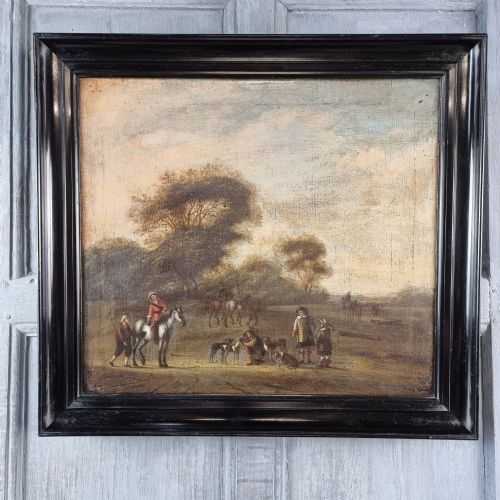
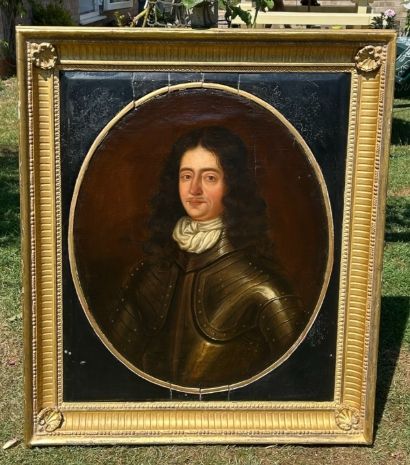


Original 17th Century Painting
An original 17th century painting carries the uncompromised brushwork and linseed medium of the Stuart and Dutch Golden Age eras straight to your wall.
Original 17th Century Painting
The portraiture ranges from depictions of noblewomen and cavaliers to bishops and merchants, often tied to the Stuart or Dutch Golden Age traditions. Landscapes and maritime scenes by artists associated with the Dutch School or British workshops also appear among the oil paintings and fine art.
Most pieces date directly to the 17th century, whilst others reflect the aesthetic traditions of that era through later 18th century interpretations. Buyers typically encounter oil paint applied to canvas or wood, framed in original giltwood or housed simply in period wood surrounds.
Materials and construction
These works rely primarily on oil paint applied to woven canvas stretched over wooden frames, or directly onto prepared wood panels. Artists of the period built their compositions using layered pigments bound in oil, which allowed for deep tonal variation and lasting durability.
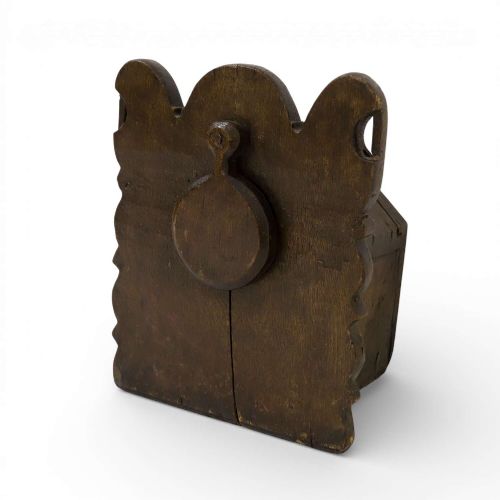
Frames and ancillary pieces incorporate carved oak, giltwood, and iron hardware such as hinges and latches found on salt boxes. The physical support structures utilise traditional joinery and hand-forged metal components appropriate to seventeenth-century workshops.
Original 17th Century Painting Retail Price Guide 2026
Typical asking prices for original 17th century painting among the pieces listed under this phrase on Sellingantiques today, from the lower quarter to the upper quarter. They describe what is for sale here now, not the wider market.
Recorded materials span oil paint, canvas, giltwood, oak, and iron, reflecting seventeenth-century fine art and domestic craftsmanship.
Evaluating quality and authenticity
Quality in these works rests upon the integrity of the surface pigment, the legibility of the composition, and the retention of the original canvas or wood support. Masterful handling of light and shadow, particularly in Dutch Golden Age and Stuart portraits, distinguishes the work of accomplished painters from standard studio output.
The presence of period frames, such as giltwood surrounds, and documented attributions to known circles or specific hands elevate a piece. Conversely, heavy overpainting or compromised canvas integrity alters the original visual balance achieved by the artist.
John Hayls·Nicolaes Maes·Cornelis Van Poelenburgh·Robert More·Jacob Knyff·Bartholomeus Van der Helst·Jacob van der Does·Jan Van Goyen
The Original 17th Century Painting Glossary
- Canvas
- A heavy woven fabric stretched across a wooden frame to serve as a painting surface. It provides the primary foundation for most oil works from this period.
- Giltwood
- Wood carved and coated with a thin layer of gold leaf or gilt finish. This material forms the ornate frames frequently paired with fine art from the seventeenth century.
- Stuart
- The stylistic period spanning the reigns of the Stuart monarchs in Britain. Works from this era often display distinct courtly attire and formal compositional arrangements.
- Dutch Golden Age
- A period in Dutch history spanning the seventeenth century marked by immense output in painting. Artists from this movement excelled in lifelike portraiture and detailed landscapes.
- Oil paint
- A slow-drying paint made by mixing pigments with a drying oil, typically linseed. This medium allowed seventeenth-century painters to achieve rich glazes and subtle blending.
Original 17th Century Painting: Frequently Asked Questions
How do I identify a genuine seventeenth-century canvas?
Examine the weave of the fabric and the preparation layers on the reverse side of the support. Seventeenth-century canvases typically exhibit hand-woven irregularities and aged ground layers distinct from later industrial production.
Look also for craquelure in the oil paint layer, which develops naturally over centuries as the medium hardens and responds to environmental changes.
What subjects are most common in these paintings?
Portraiture dominates the surviving output of this era, featuring noblewomen, bishops, merchants, and cavaliers dressed in period attire. These commissions recorded the status and likeness of prominent individuals.
Landscapes, maritime views of rivers and shipyards, and pastoral scenes with cattle and farm buildings also form a significant portion of the available fine art.
How should I care for an oil painting on canvas?
Keep the artwork away from direct sunlight, extreme temperature fluctuations, and high humidity to protect both the canvas support and the oil paint layers. Stable environmental conditions prevent the wood stretcher and canvas from warping or slackening.
Dust the surface gently with a soft, dry brush without applying pressure, and avoid using liquid cleaners or household solvents on the painted area.
What is the difference between Dutch Golden Age and British Stuart works?
Dutch Golden Age paintings often focus on naturalistic lighting, detailed textures in clothing, and expansive landscapes or everyday merchant portraits. The brushwork reflects a thriving mercantile society's interest in realism and daily life.
British Stuart pieces tend toward formal portraiture commissioned by nobility and the court, emphasising heraldry, lineage, and structured poses associated with the reigning monarchy.