



Dark Oil Painting Art
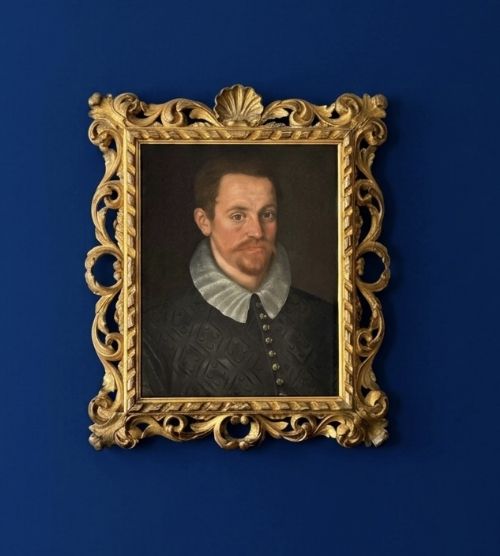
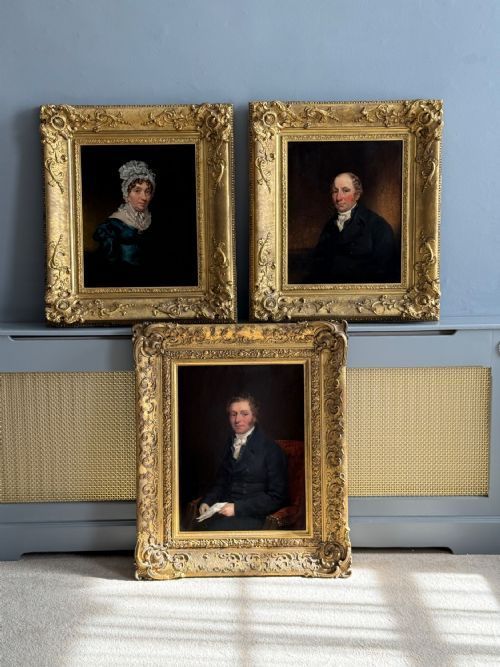
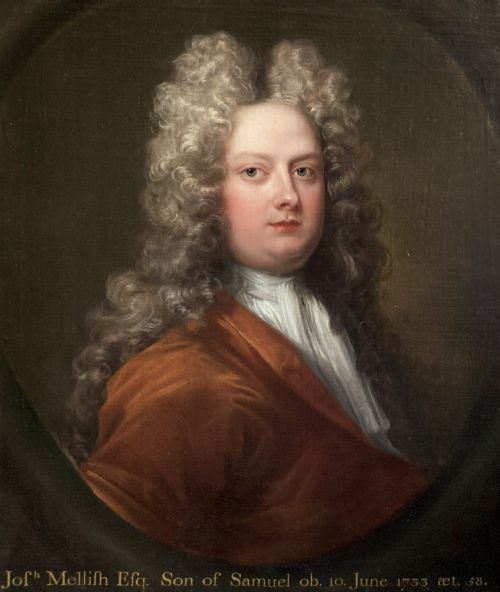
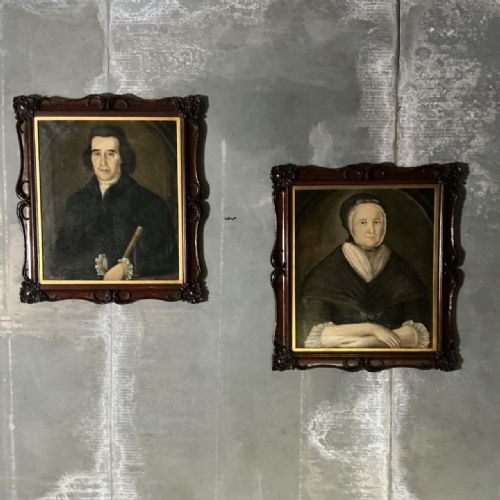
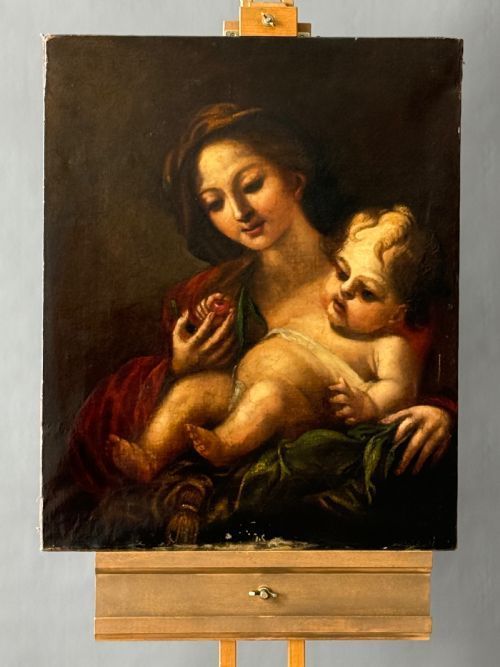
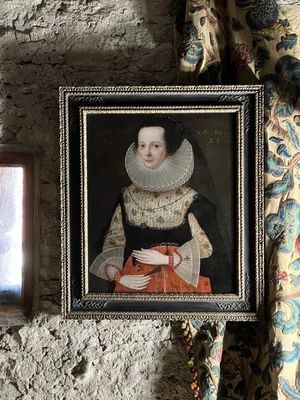
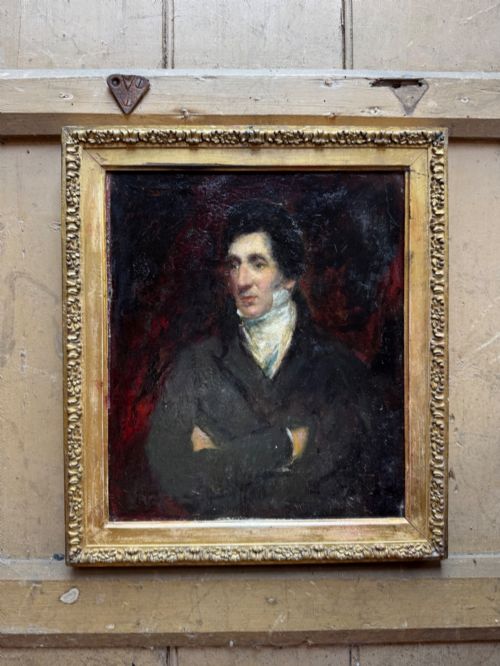
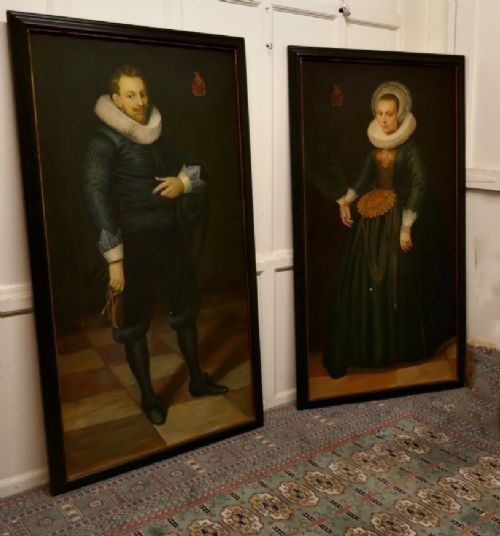
When you search for dark oil painting art, you enter a centuries-old tradition of moody portraiture, dramatic still lifes, and shadowy old master compositions designed to bring atmosphere and depth into a room.
Dark Oil Painting Art
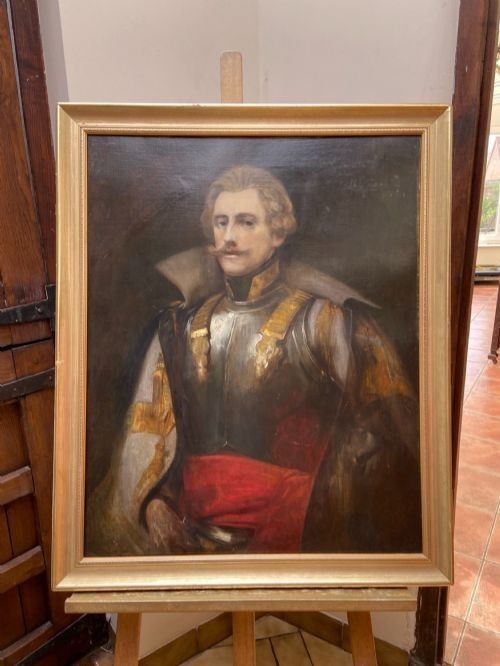
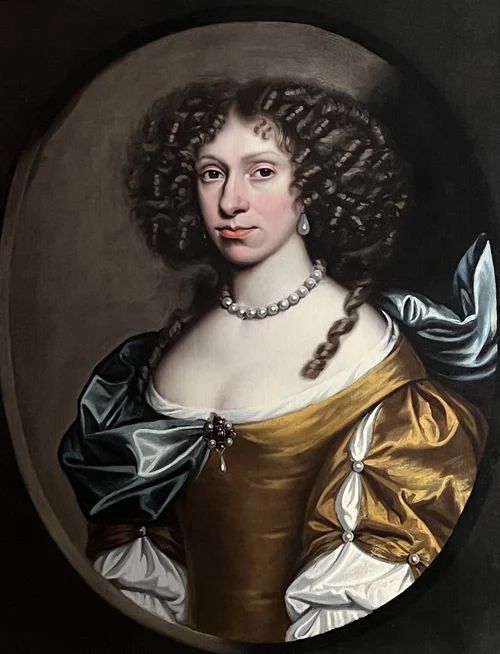
Dark oil painting art encompasses historical works dominated by deep shadows, rich subterranean tones, and dramatic chiaroscuro lighting effects. Collectors seeking this aesthetic encounter everything from strict seventeenth-century court portraiture in heavy armour to nineteenth-century animal studies and moody maritime scenes.
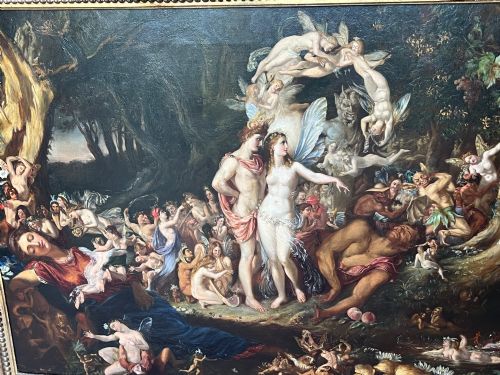
The dominant forms on this page include seventeenth-century aristocratic portraits, eighteenth-century mythological oil paintings, and nineteenth-century still lifes featuring game, fowl, and domestic scenes. Many of these pieces emerge from established European traditions, including the Dutch Golden Age, Italian Baroque, and various French and English schools.
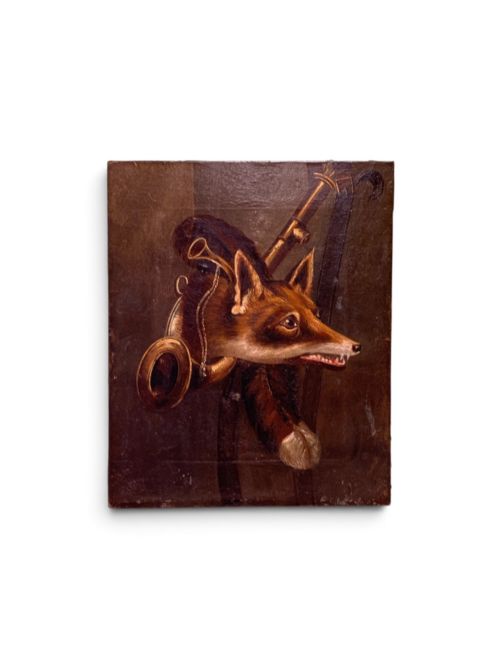
Subject matter ranges widely from solemn nobility and religious iconography to racing pigeons, marine rescues, and foxes. While many works depict named historical figures or nobility, others capture anonymous gentlemen, noblewomen, and pastoral landscapes steeped in shadow.
Materials and technique
These works rely on traditional oil pigments applied to woven canvas supports, wooden panels, or occasionally vinyl canvas in later reproductions. The ground layers typically support deep, layered applications of oil paint that build up rich dark tones over time.
Many surviving examples incorporate ornate framing elements such as giltwood and gold leaf surrounds that accentuate the deep shadows within the painted canvas. Artisans and painters utilised varied brushwork, from the tight, controlled glazing of the seventeenth-century old masters to the looser application seen in later nineteenth-century pieces.
Racing pigeons make unexpected companions to sombre historical nobility in this eclectic mix of canvas portraiture and avian art.
Determinants of quality
The attribution to a known hand, studio, or recognised period school elevates the standing of a canvas. Furthermore, the original integrity of the support - whether wood panel or canvas - and the minimal presence of disruptive overpaint dictate the overall standard of the surviving artwork.
Charles Jervas·David Scougall·Angelo Maria Crivelli·Sir Godfrey Kneller·John Greenhill·Thomas Beach
The Dark Oil Painting Art Glossary
- Chiaroscuro
- An artistic technique using strong contrasts between light and dark, usually bold contrasts affecting a whole composition. This approach defines much of the dramatic tension found in seventeenth-century dark oil paintings.
- Old Master
- A term applied to skilled European painters working before about eighteen hundred. These artists produced the foundational portraits and religious scenes frequently found in dark oil painting art.
- Canvas
- A heavy woven fabric used as a surface for oil painting. Painters stretched this material over wooden frames to create a durable support for their pigments.
- Provenance
- The chronological history of the ownership of a work of art. Documented lineage helps confirm the authenticity and age of historical oil paintings.
Dark Oil Painting Art: Frequently Asked Questions
How do I care for an old oil painting?
Keep the artwork away from direct sunlight and steady humidity levels to prevent the canvas or wood panel from warping and the oil paint from cracking.
Dust the surface very gently with a soft, dry brush, and avoid using any water, chemical cleaners, or moisture on the paint layer.
How can I tell a seventeenth-century portrait?
Look for specific markers in the costume, hair styling, and framing devices, such as stiff lace collars, heavy armour, or painted oval cartouches typical of the period.
Examine the back of the canvas or panel for old stretchers, wax seals, and historical inscriptions that often accompany genuine seventeenth-century works.
What is an old master painting?
An old master painting is a work created by a highly skilled European artist before the nineteenth century. These pieces often follow traditional academic or regional school conventions.
Such works frequently depict religious, mythological, or portrait subjects rendered with sophisticated handling of oil glazes and shadow.
Where should I hang dark art?
Position these moody compositions on walls with neutral or darker paint colours to let the dramatic lighting effects stand out without visual competition.
Ensure the hanging spot avoids strong, direct window light to protect the aged oil pigments and reduce glare on the varnished surface.