

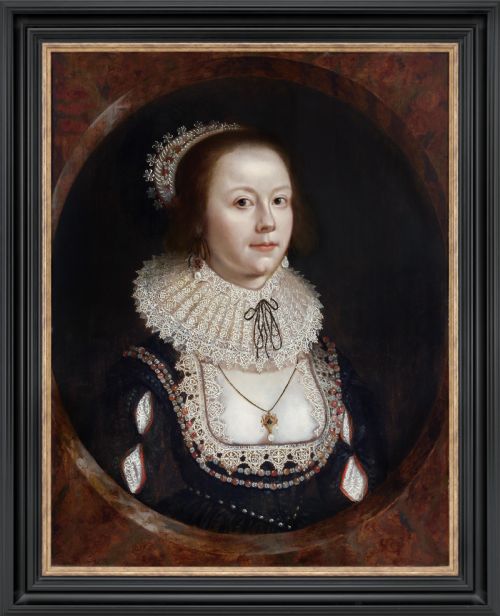


Stuart Period Female Portrait
A stuart period female portrait captures elite women in oils through Jacobean, Baroque and Restoration aesthetics.
Stuart Period Female Portrait
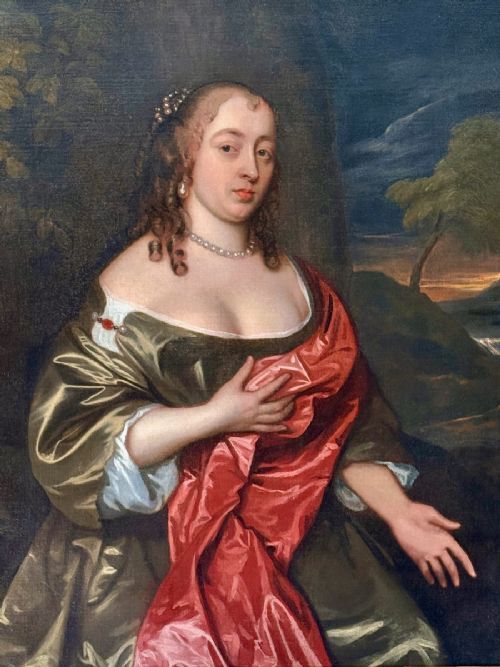
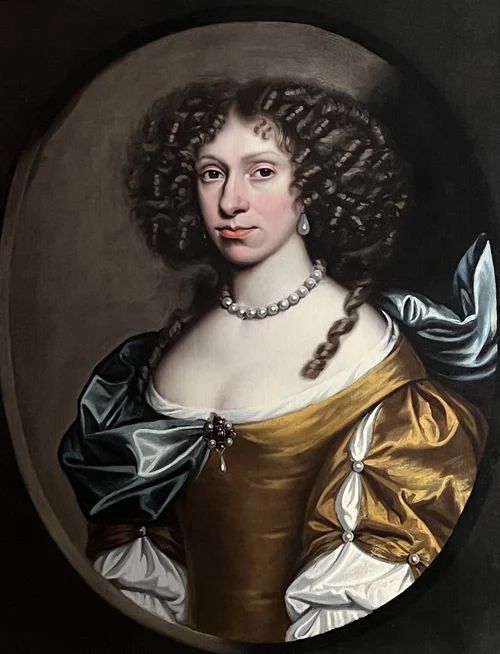
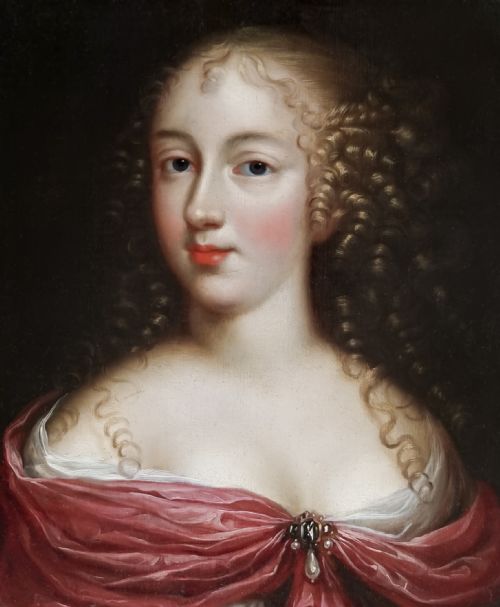
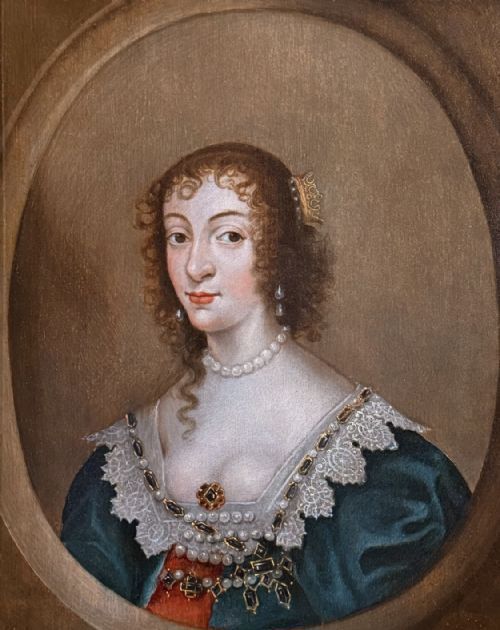
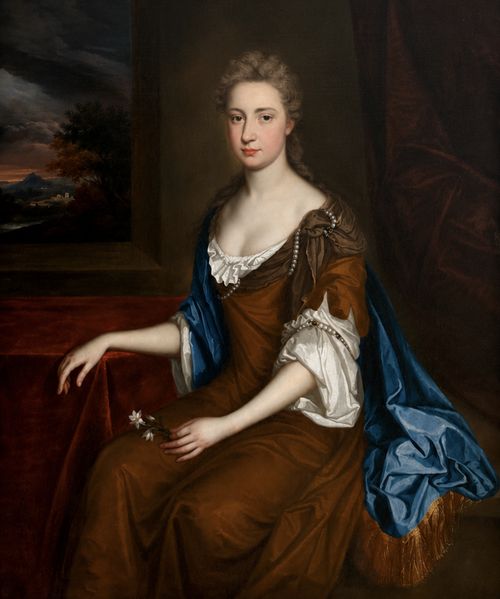
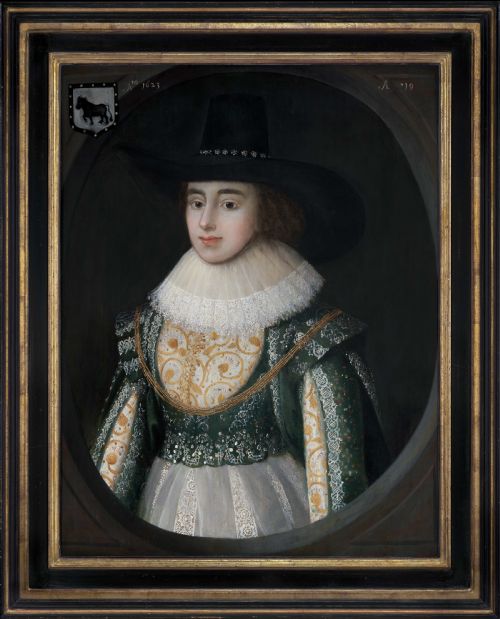
A stuart period female portrait depicts noblewomen, ladies of prominent families and royal figures rendered during the seventeenth century. These works capture subjects such as Ellen Napier, Lady Elizabeth Wheeler and Queen Henrietta Maria in formal attire.
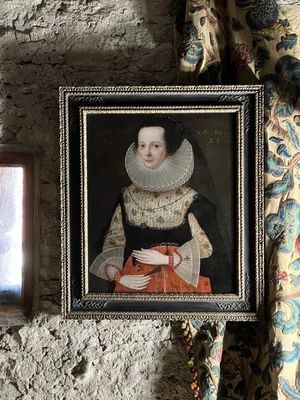
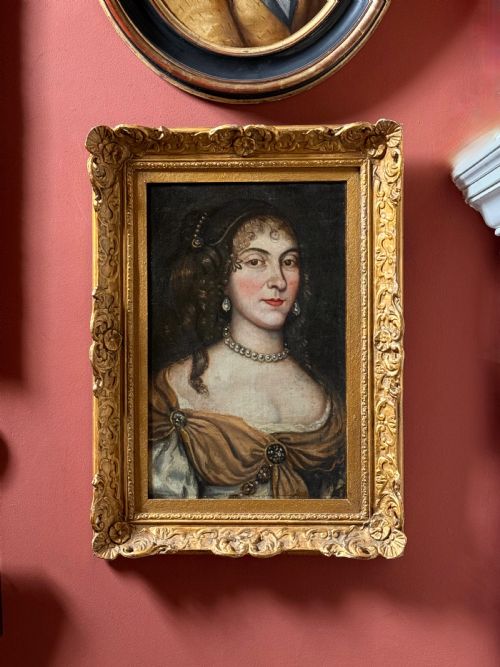
Most examples found here originate from the seventeenth century and reflect styles ranging from early Jacobean stiff ruffs to later Restoration Baroque drapery. The subjects appear in elaborate costume, adorned with jewels and lace, reflecting the social standing of the sitter.
Compositions range from intimate bust-length wooden panel paintings to expansive canvases set within landscapes. Anonymous English school pieces sit alongside works attributed to notable portraitists of the era.
Materials and construction
Painters of this era applied oil paint onto prepared wood panels or woven canvas supports. These materials received layers of ground and pigment to build the rich tones characteristic of seventeenth-century fine art.
Frames utilise wood and gold leaf, frequently taking the form of gilt wood mouldings that complement the grandeur of the paintings. The integration of oil on canvas or wood panel ensures the durability of these historic surfaces.
Listings feature seventeenth-century works executed in oil on canvas and wood panel, framed in gold leaf and gilt wood.
Distinctions in execution
Condition of the original paint layer and the survival of contemporary gilt wood framing significantly influence the integrity of the piece. Untouched surfaces retain the subtle glazes applied during the seventeenth century.
John Hayls·David Scougall·Pierre Mignard·Cornelius Johnson·John Greenhill·Sir Godfrey Kneller·Sir Peter Lely·Mary Beale·John Michael Wright·Michael Dahl
The Stuart Period Female Portrait Glossary
- Jacobean
- An early seventeenth-century style spanning the reign of James I, characterised by rigid formality and flat perspective in portraiture. Subjects often wear stiff lace ruffs and embroidered doublets.
- Baroque
- A dynamic seventeenth-century European art movement marked by theatrical lighting, rich colour and sense of movement. Portraits from this period often incorporate flowing drapery and atmospheric backgrounds.
- Restoration Stuart
- The artistic period following the return of Charles II in 1660, introducing a more relaxed, continental elegance to English portraiture. French and Dutch influences became prominent during this phase.
- Wood Panel
- A rigid support base made from timber used by painters before canvas gained dominance. Oak and other hardwoods provided a stable foundation for early seventeenth-century oils.
Stuart Period Female Portrait: Frequently Asked Questions
Where were these paintings displayed originally?
These portraits hung in country houses, estate reception rooms and aristocratic galleries across Britain. They served to record lineage, marriages and social alliances among the nobility.
Grand scale works occupied central wall spaces in great halls, while smaller panel portraits suited private chambers and closets.
How should I care for an antique oil painting?
Keep the artwork away from direct sunlight, heating vents and damp environments to protect the canvas and wood panel. Stable indoor humidity prevents the paint layer from cracking or lifting.
Dust the surface gently with a soft, dry brush and avoid chemical cleaning agents. Professional conservators should handle any structural repairs or varnish removal.
What is the difference between panel and canvas portraits?
Wood panels were preferred during the early seventeenth century, offering a rigid and smooth surface for detailed brushwork. Canvas became more common later in the period for larger, sweeping compositions.
Panel paintings often indicate an earlier date within the seventeenth century, while large oil on canvas formats align with later Baroque trends.