


Cut Glass Vessel
These cut glass vessel pieces bring deep refraction and tangible weight to a room, offering the collector heavy lead crystal forms with centuries of hand-cut brilliance.

What a cut glass vessel is
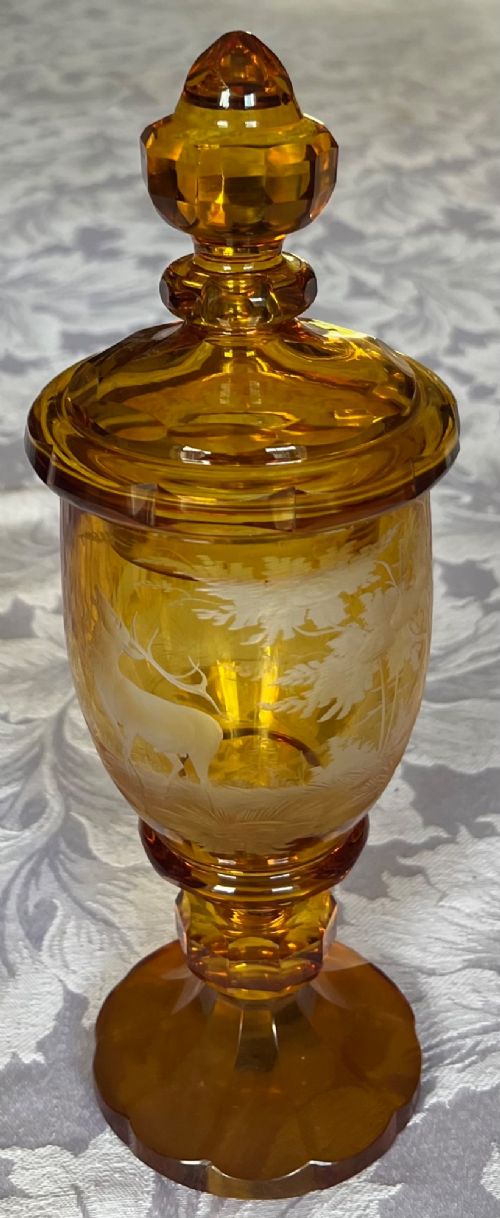
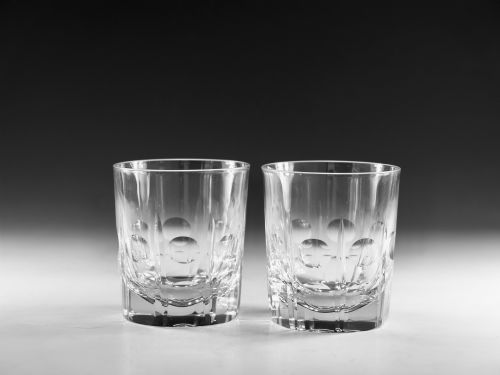
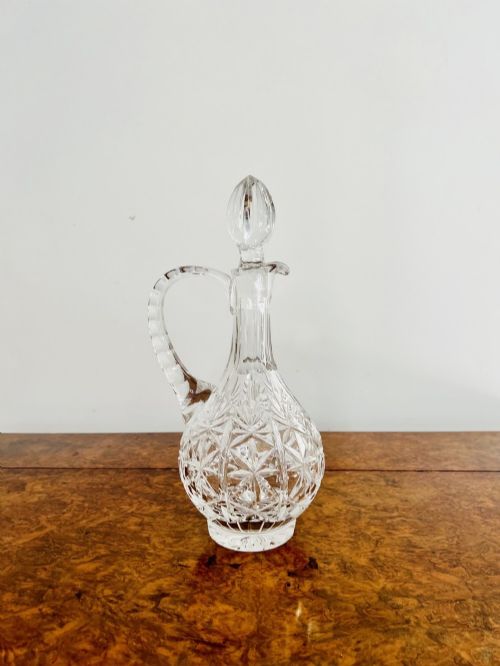
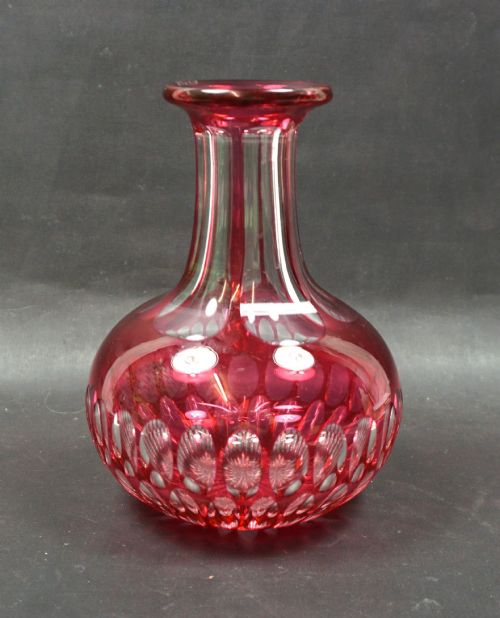
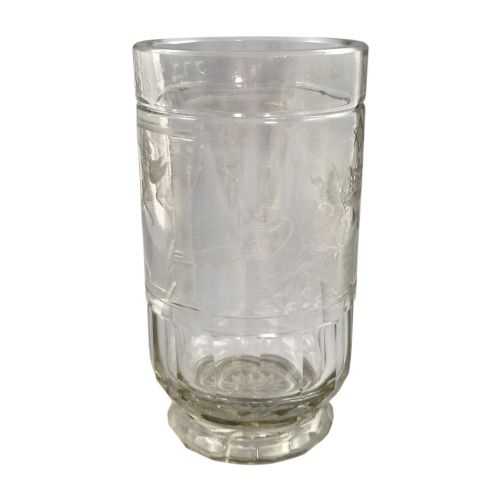
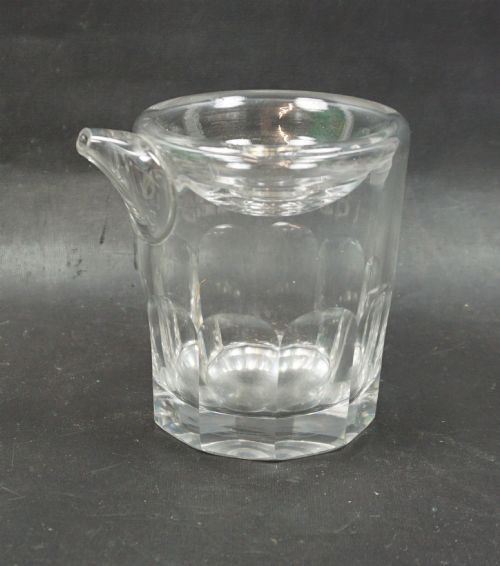
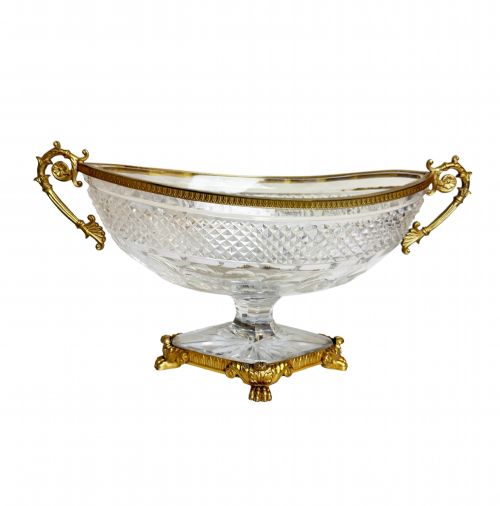
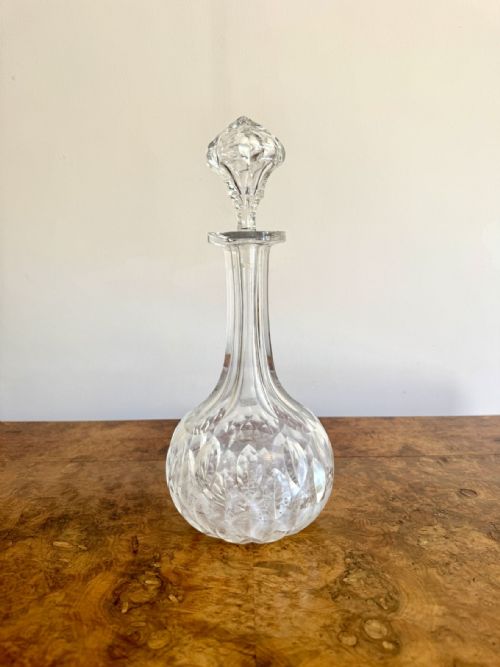
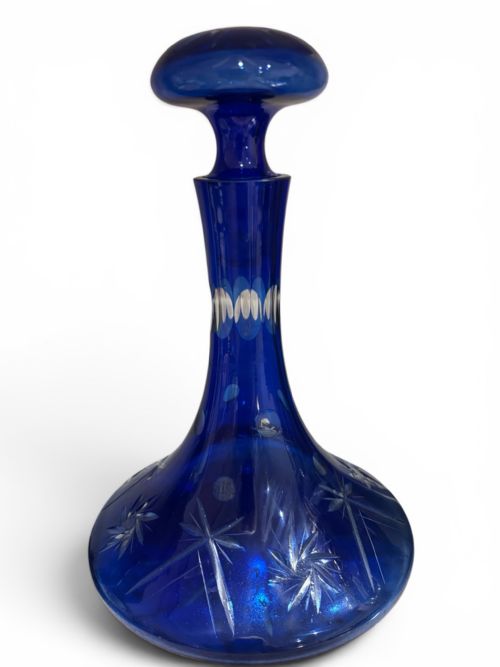
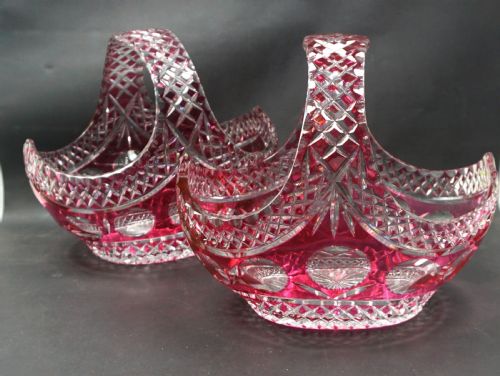
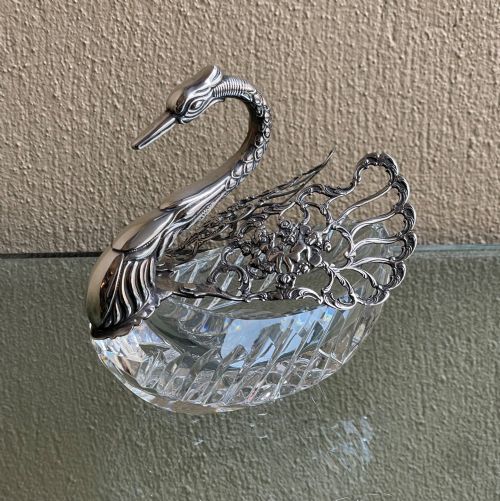
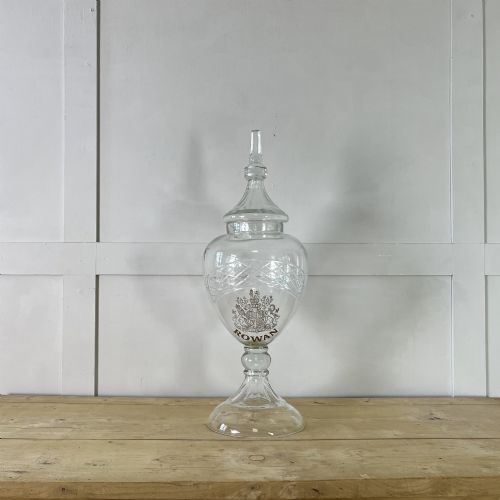
A cut glass vessel encompasses functional and decorative objects such as decanters, vases, decorative bowls, and lidded urns. When exploring this selection, buyers most frequently encounter decanters and vases representing the Victorian, Edwardian, and Mid-Century Modern periods.
The objects range from nineteenth-century English spirit vessels to French Belle Epoque bowls and sapphire blue Art Deco vases. Each piece displays distinct facets and contours that reflect light differently depending on its age and origin.
How they were made
Makers utilised lead crystal, crystal glass, and standard glass, often incorporating gold leaf or paste enamel for surface detail. The primary technique relied on hand-cutting deep facets into the vessel body.
Artisans ground and polished these patterns by hand, creating sharp geometric angles or soft curves across the material. Some pieces combined heavy crystal bodies with delicate applied metallic or enamelled ornamentation.
Retail Price Guide 2026
Typical UK retail prices for cut glass vessel, calculated from the Sellingantiques database of over a million retail prices indexed since 2003. This retail price guide relies exclusively on Sellingantiques data; no external sources or auction records are used, so the figures do not describe the wider market.
Materials recorded across the inventory include lead crystal, paste enamel, and applied gold leaf.
What varies in quality
Quality separates through the depth and crispness of the hand-cutting, alongside the clarity and weight of the underlying lead crystal. Superior pieces exhibit precise, sharp-edged facet junctions rather than soft, rounded profiling.
The integration of decorative elements, such as paste enamel or gold leaf, also distinguishes finer examples. Heavier crystal composition provides better resonance and superior light dispersion.
Royal Doulton
The Cut Glass Vessel Glossary
- Lead crystal
- Glass containing a high proportion of lead oxide, which increases weight, clarity, and the refractive index. This material allows for deeper and sharper facet cutting.
- Ships decanter
- A specific vessel form featuring a wide base that prevents tipping at sea. It remains a stable shape for serving spirits in domestic settings.
- Paste enamel
- A decorative glass-based pigment applied to the surface of a vessel and fired. It adds opaque colour and texture to the clear or coloured body.
- Faceting
- The process of grinding flat planes into the exterior of a glass object. It creates multiple reflective surfaces that catch ambient light.
Frequently Asked Questions
What is a cut glass vessel used for?
These vessels serve both functional and display purposes around the home. Decanters hold and aerate spirits, while vases and bowls display flowers or stand alone as decorative objects.
The heavier forms provide stability for everyday use while catching light from windows or lamps.
How do I date a cut glass vessel?
Dating relies on stylistic clues, cutting techniques, and material composition seen across different eras. Victorian pieces often feature deep, dense facet cutting, whereas Art Deco examples introduce coloured glass and streamlined geometric profiles.
Mid-century items show simpler, modernist interpretations of traditional cutting methods.
Are these vessels made of lead crystal?
Many of the pieces utilise lead crystal or heavy crystal glass to achieve their brilliance and weight. The presence of lead enhances the material's softness for hand-cutting and increases light refraction.
Standard glass and plain glass also appear in certain periods.
How do I care for antique glass?
Hand washing in lukewarm water with mild soap preserves the surface brilliance and any delicate enamel or gold leaf details. Avoid sudden temperature changes to prevent thermal shock in older crystal.
Soft cloths prevent scratching during routine cleaning.