
Cut Glass Glassware
Cut glass glassware brings weight and brilliance to the table through deep wheel-cut facets that catch the light.
Cut Glass Glassware
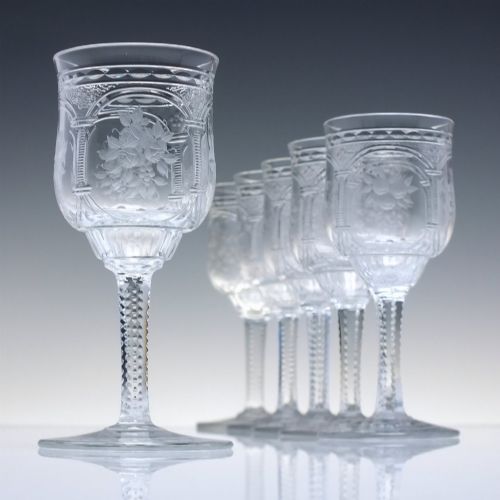
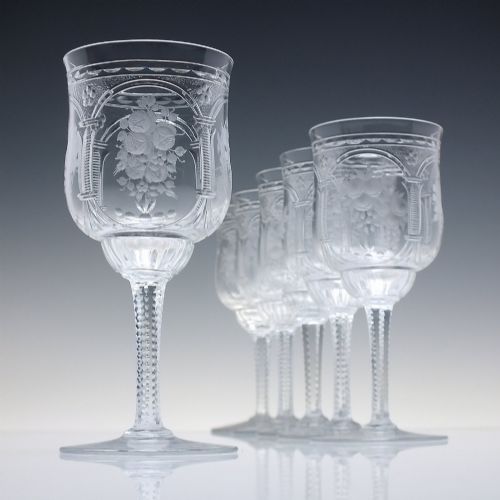
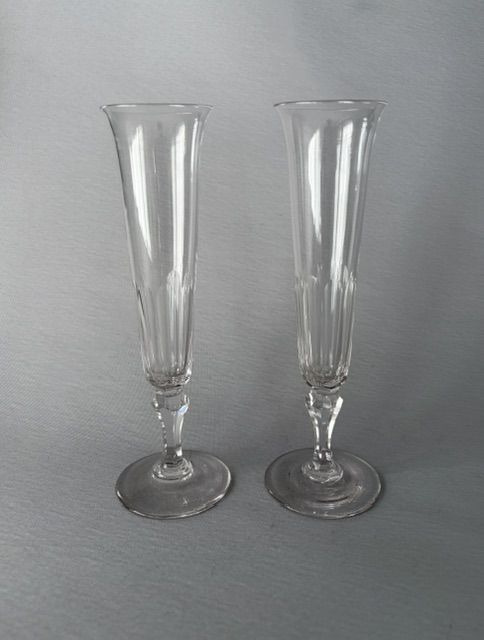
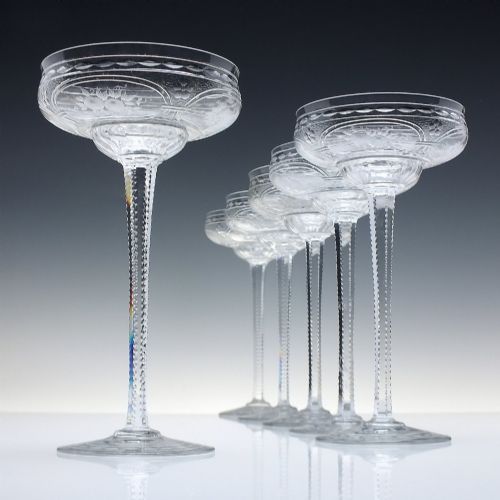
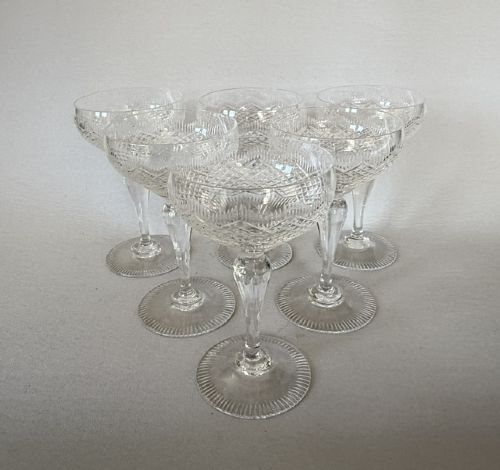
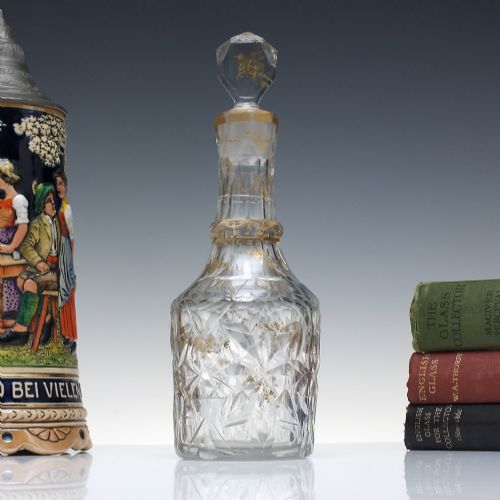
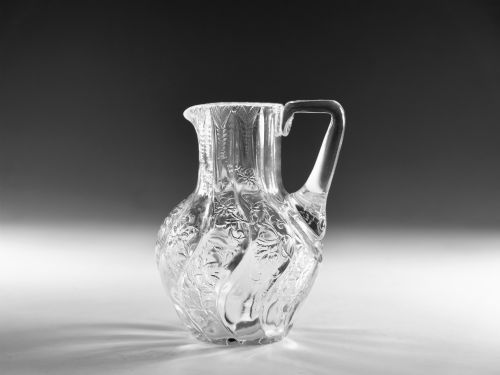
Cut glass glassware encompasses a wide selection of table service items, from Georgian decanters and rummers to Victorian champagne flutes and Edwardian jugs. The selection relies heavily on nineteenth-century pieces alongside Georgian examples and early twentieth-century sets.
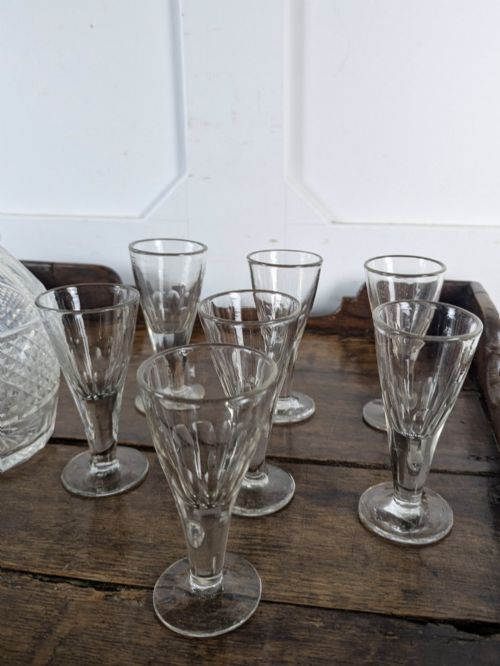
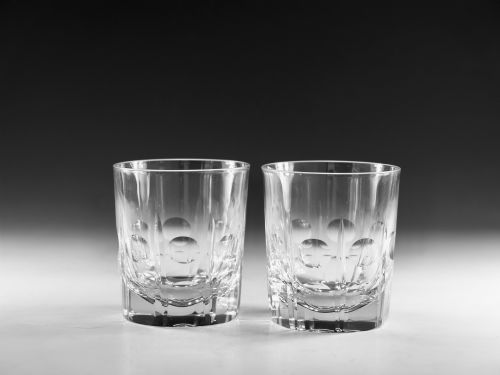
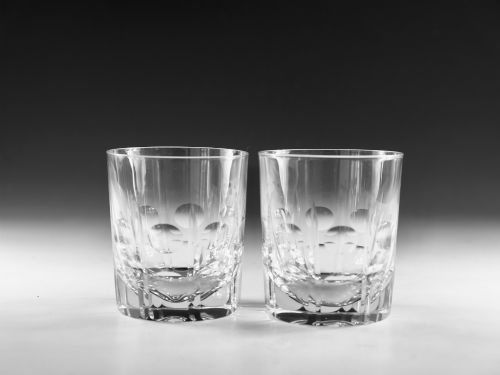
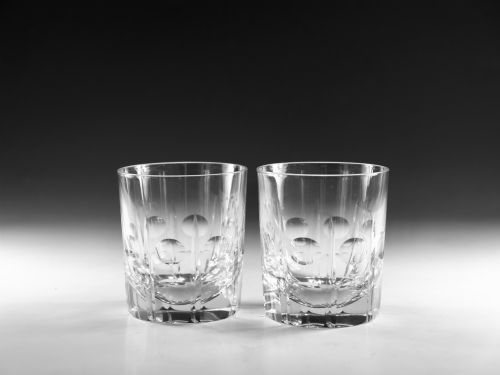
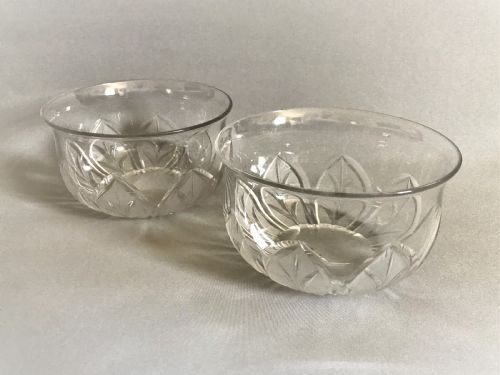
Buyers encounter functional drinking vessels like thumb-cut sherry flutes and whisky tumblers alongside decorative items such as vases, bowls, and apothecary jars. Many pieces survive as matched sets or pairs rather than full original services.
Origins stretch across England, Ireland, Bohemia, France, and Belgium, reflecting diverse regional cutting styles and colour palettes including cranberry, cobalt blue, aqua green, and clear crystal.
Materials and production
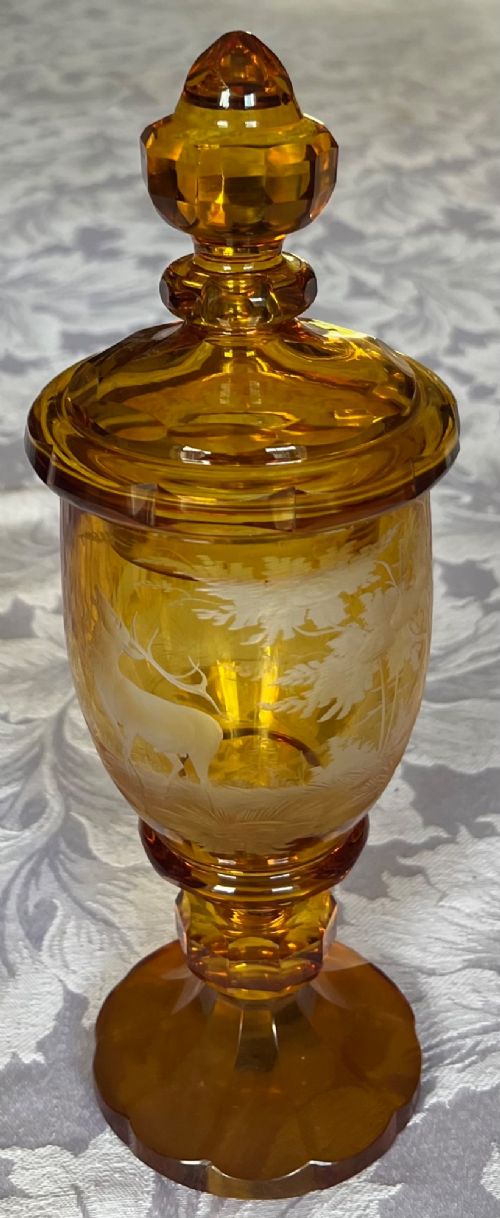
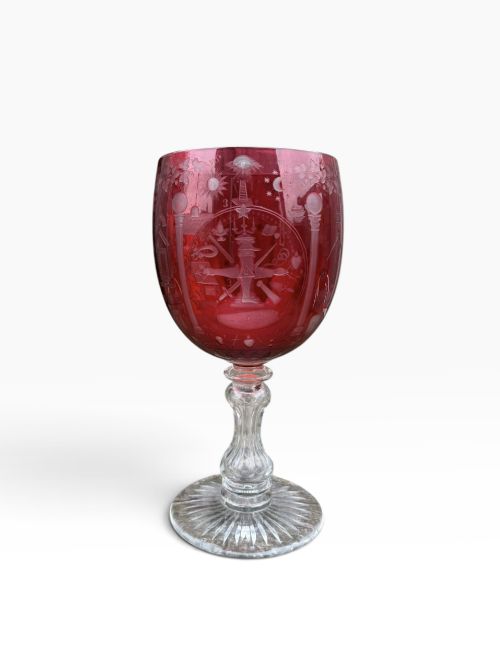
Makers utilised lead crystal, clear glass, and cased or over crystal, applying techniques like wheel-cutting, facet-cutting, engraving, gilding, and acid etching. Overlay pieces combine a coloured glass layer over clear crystal, allowing the cutter to grind through the top layer to reveal the contrasting glass beneath.
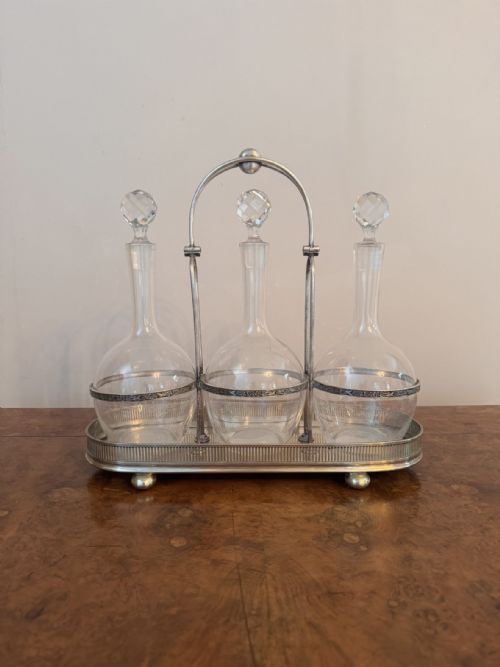
Early items often feature hand-blown bodies with polished pontil marks and heavy foot bases, while later Edwardian and Art Deco suites incorporate precise geometric patterns and silver-plated or sterling silver mounts.
The listings span from Georgian Regency hobnail cut rummers to French Art Deco drinking glass suites.
The markers of distinction
Quality rests upon the crispness of the cutting and the weight of the metal. Superior pieces display sharp, clean facet lines with well-polished hollows that remain smooth to the touch.
The resonance of the metal and the clarity of the crystal separate standard production from finer workshop output. Exceptional examples balance heavy lead content with balanced proportions and deeply engraved decorative motifs.
Atelier of James Giles·Stevens and Williams·Moser·Charles Graffart for VSL
The Cut Glass Glassware Glossary
- Thumb-cut
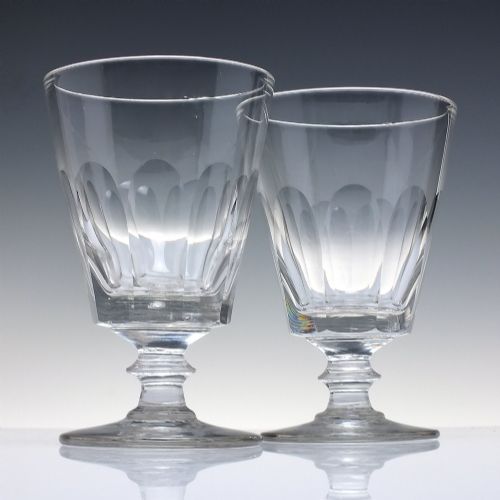
- A decorative pattern of shallow, concave ovals ground into the surface of the glass, resembling the mark of a thumb. This technique provides a secure grip on heavy drinking vessels.
- Rummer
- A large, sturdy stemmed drinking glass popular during the eighteenth and nineteenth centuries for serving ale, wine, or punch. These pieces typically feature heavy bucket bowls and thick stems.
- Pontil mark
- The rough scar left on the base of a blown glass vessel where the pontil rod was attached during manufacture. Finer pieces show this mark ground and polished flat.
- Cased glass
- A vessel formed of two or more distinct layers of glass, often in contrasting colours such as cranberry over clear crystal. Cutters grind through the outer layer to create a two-tone decorative effect.
Cut Glass Glassware: Frequently Asked Questions
How do I date old cut glass?
Dating relies on the weight of the glass, the sharpness of the cutting, and the form of the vessel. Georgian pieces often display heavy pontil scars and faceted stems, while Victorian examples introduce vibrant colours and thumb-cuts.
Later Edwardian and Art Deco pieces show lighter metal, acid etching, and more geometric, symmetrical patterns combined with factory production methods.
Can I use antique cut glass daily?
Many sturdy nineteenth-century tumblers and rummers remain suitable for regular use if handled with care. Lead crystal is softer than modern glass and scratches easily against harder surfaces.
Hand washing in warm, soapy water prevents thermal shock and protects delicate engraved rims or silver mounts from detergent damage.
What is lead crystal?
Lead crystal contains a high proportion of lead oxide added to the glass batch during melting. This addition increases the weight, refractive index, and acoustic resonance of the material.
The added density allows cutters to achieve deeper, sharper facets that scatter light more brilliantly than standard soda-lime glass.
How should I clean cloudy glass?
Cloudiness often results from mineral deposits or moisture trapped inside decanters and narrow vases over decades. Warm water, mild vinegar, and non-abrasive cleaning beads help lift internal residue without scratching.
Avoid soaking antique pieces with silver or metal mounts in harsh chemical solutions to preserve the integrity of the joins.