


Vintage Wine Flutes
Vintage wine flutes bring together glassware, decanters and tables suited to pouring and serving.
Vintage Wine Flutes
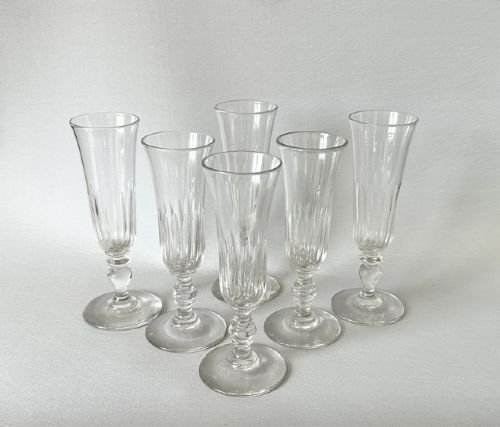
When you search for vintage wine flutes, you encounter a selection spanning glassware, decanters and wine tables from the Georgian period through to the 1930s. These pieces cover drinking glasses and champagne flutes alongside related accessories like claret jugs and wine coasters.
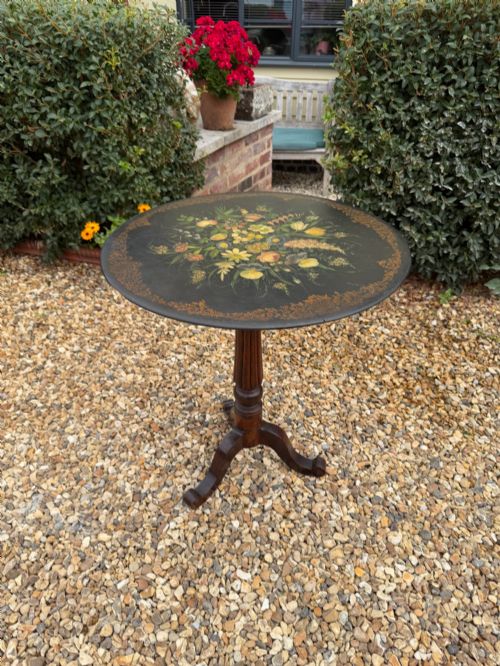
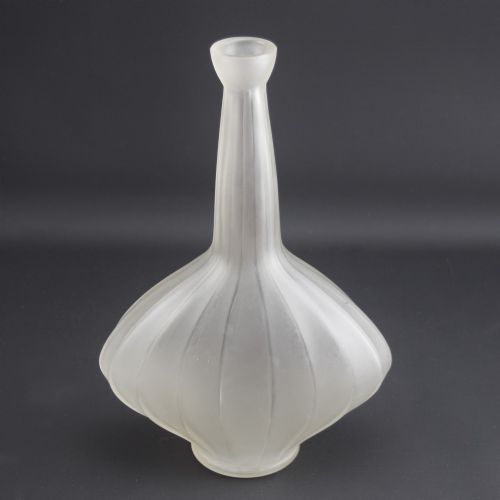
The glassware on this page tends to represent Victorian and Edwardian manufacturing alongside Georgian examples and Art Deco designs from the 1930s. Alongside the drinking vessels, the selection occasionally includes furniture forms such as gueridon tables, side tables and wine tables in mahogany, marble and painted finishes.
Most items you meet date from the nineteenth and early twentieth centuries, reflecting the periods most commonly preserved by makers and collectors. The forms bridge functional dining items and decorative serving vessels that survive from earlier centuries.
How they were made
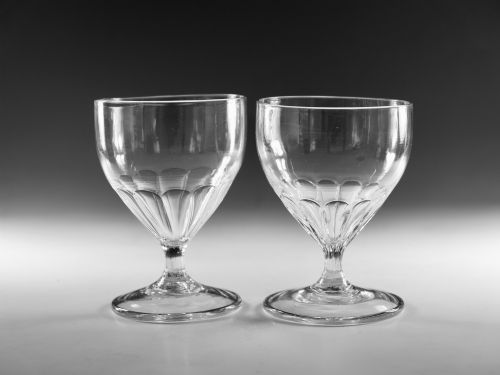
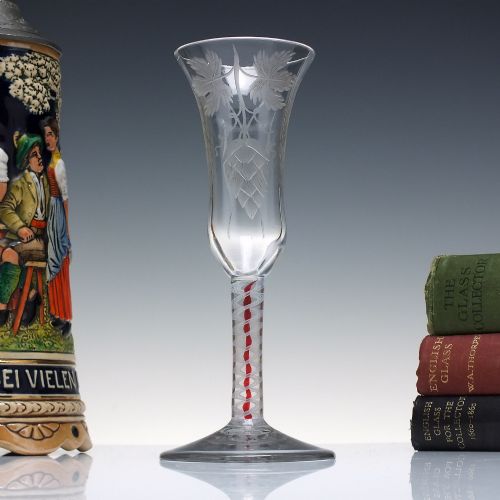
The glassware relies on traditional forming and cutting techniques, utilising lead crystal and lead glass shaped into flutes, rummers and decanters. Many items feature engraved decoration, twist stems or coloured glass bodies achieved through specialised melting and blowing methods.
Tables and furniture pieces utilise mahogany, wood and white marble, often incorporating inlaid details or painted surfaces characteristic of periods like the Edwardian era and Venetian revival styles.
Silver plating appears on specific serving items such as claret jugs, combining metalwork with blown glass to create composite vessels for the table.
Materials documented across the items include cut glass, lead crystal, mahogany, white marble and silver plate.
What varies in quality
Quality in these pieces rests upon the crispness of glass cutting, the clarity of the metal or crystal, and the depth of any engraving. Better examples show precise facets and balanced proportions that demonstrate skilled hand-manipulation during the forming process.
For furniture items, the grade of timber, the precision of inlay work, and the execution of painted surfaces determine the standard of the piece. Superior items maintain integrity in their structural joints and decorative veneers.
Rene Lalique·Riihimaki
The Vintage Wine Flutes Glossary
- Rummer
- A large heavy drinking glass popular in the eighteenth and nineteenth centuries, typically used for ale or wine. These sturdy vessels often feature moulded bowls and thick stems.
- Gueridon
- A small circular table supported by a central pillar, frequently topped with marble or wood. These tables appeared in various revival styles during the nineteenth and twentieth centuries.
- Opaque twist
- A style of glass stem containing white or coloured enamel threads twisted inside a clear glass rod. This technique requires considerable skill from the glassmaker.
- Claret jug
- A pouring vessel designed for serving red wine, typically constructed from cut glass with a mounted handle and collar. Many examples incorporate silver-plated elements.
- Wine coaster
- A small tray or stand with a raised rim, placed on the dining table to hold a bottle or decanter. They frequently incorporate wood bases and protective linings.
Vintage Wine Flutes: Frequently Asked Questions
How do I clean vintage glass flutes?
Wash these pieces by hand in warm water using mild soap, avoiding harsh scrubbing brushes or abrasive detergents that might scratch the surface.
Dry them immediately with a lint-free cloth to prevent water spots from forming on the lead crystal or glass.
Can I use these glasses for daily dining?
Many of these drinking vessels remain robust enough for regular use if handled with proper care during washing and serving.
Consider the fragility of antique stems and engraved bowls when selecting pieces for frequent gatherings.
How do I identify Georgian glassware?
Georgian drinking glasses often display pontil marks on the base, heavy lead glass composition, and hand-cut or engraved details.
Look for characteristics like opaque twist stems and flute-moulded ogee bowls typical of eighteenth-century production.
Where should I place a wine table?
These small tables suit placement beside seating areas or in dining rooms to hold glasses, decanters or serving accessories.
Keep them away from direct sunlight and extreme temperature fluctuations to protect the wood and marble surfaces.