



Curved Seat Stool
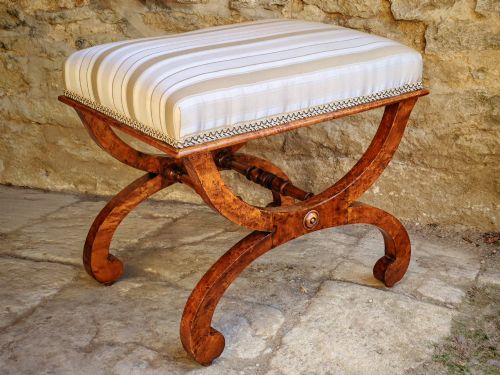
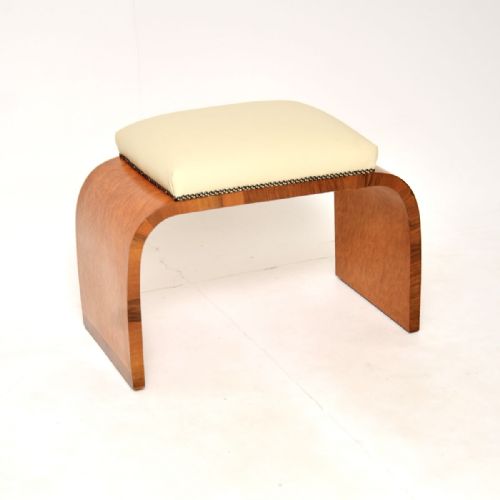
A curved seat stool is a seating piece designed with a concave or moulded top for comfort, spanning periods from the eighteenth century to the Art Deco era.
Curved Seat Stool
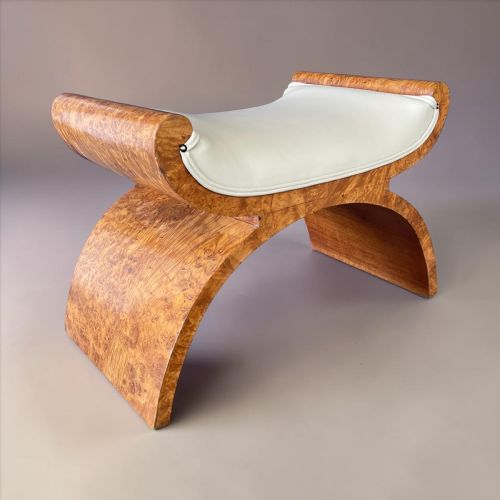
When searching for a curved seat stool, buyers encounter diverse forms ranging from Georgian mahogany framed window seats and dressing table stools to Arts and Crafts oak saddle seated versions and African tribal pieces. The selection includes Art Deco examples in burr walnut, sycamore, and birds-eye maple, alongside Edwardian oak and mahogany designs.
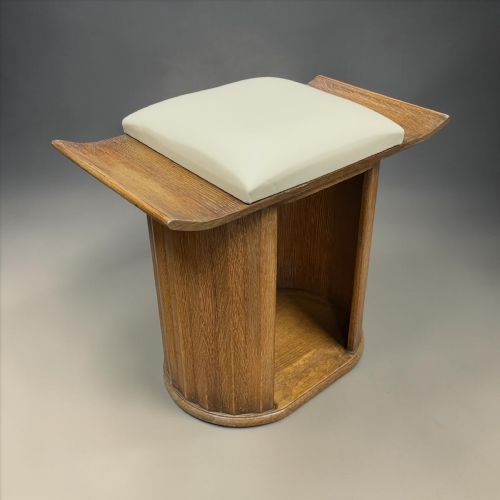
The pieces on this page span several centuries, with a notable concentration of Art Deco models by makers such as Harry and Lou Epstein alongside nineteenth-century and earlier styles. Forms extend from music chairs and window seats to dressing stools and artisanal work seats.
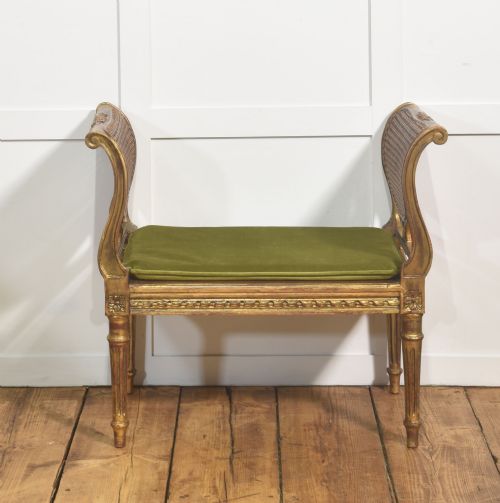
Origin and period heavily dictate the visual character of each curved seat stool, shifting from the formal classical lines of Louis XVI style giltwood to the geometric figures of the 1930s or the carved wooden forms of Ashanti tribal work.
How they were made
Cabinetmakers utilised solid woods and decorative veneers such as mahogany, oak, satinwood, burr walnut, sycamore, and burr maple to build the frames and structural bodies of these seats. Traditional joinery and framing techniques secure the stability of each piece across different eras.
Upholstery methods incorporate leather, fabric, velvet, and cane inserts to form the upper seating surfaces, often paired with shaped or slatted wooden contours as seen in saddle seated and tribal variations.
Listings feature items spanning the eighteenth century through the Art Deco period of 1930, utilising materials from mahogany and oak to leather and cane.
What varies in quality
The distinction between standard examples and the finest pieces rests on the choice of timber figurations, such as figured walnut, birds-eye maple, and burr maple, matched with precise cabinetmaking and original upholstery surfaces like leather or velvet. Attribution to recognised makers like Harry and Lou Epstein or Thonet further elevates the standing of a piece.
Harry and Lou Epstein·Thonet
The Curved Seat Stool Glossary
- Saddle seated
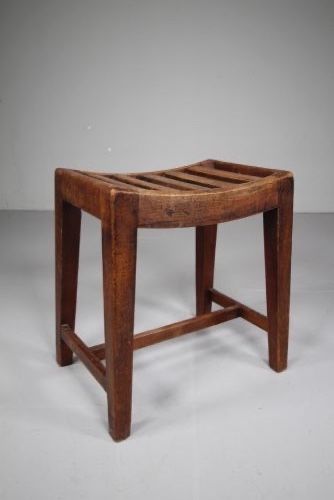
- A wooden seat base carved with a deep concavity to fit the contours of the body. This shape appears on Arts and Crafts examples.
- Giltwood
- Timber treated with gold leaf or a gold-coloured metallic finish. This surface treatment decorates Louis XVI style window stools.
- Veneer
- A thin layer of figured wood applied over a secondary timber core. Makers utilise burr walnut and birds-eye maple in this manner.
- Caning
- Woven rattan material used to form light, flexible panels for seat tops. It frequently appears on Edwardian and period window stools.
- Aesthetic Movement
- A late nineteenth-century design style prioritising visual beauty over narrative content. Pieces from this movement include specific window seats.
Curved Seat Stool: Frequently Asked Questions
What is a curved seat stool?
A curved seat stool is a small seating furniture piece featuring a moulded, concave, or saddle-shaped top designed for ergonomic comfort. These items function variously as dressing table seats, window benches, and standalone decorative objects.
They appear across numerous historical periods, utilising timber frames such as mahogany, oak, and walnut, paired with upholstered leather, fabric, or exposed wooden surfaces.
How do I identify Art Deco stools?
Art Deco stools date typically from around 1930 and display distinctive geometric styling combined with decorative veneers like burr walnut, sycamore, and birds-eye maple. Many of these pieces were produced by prominent workshops such as that of Harry and Lou Epstein.
They often accompany dressing tables and incorporate leather or contrasting fabric top covers that complement their rounded wooden frames.
Where were tribal stools made?
Tribal stools, including Ashanti examples, originate from African woodworking traditions and are carved entirely from single blocks of wood. These pieces emphasise sculptural form and indigenous craftsmanship rather than European joinery methods.
They serve both utilitarian seating functions and cultural roles, standing apart from contemporary Western furniture forms found on the page.
How do I care for leather seats?
Leather-topped stools require periodic conditioning with appropriate leather balms to maintain flexibility and prevent the material from drying out over time. Keeping the hide away from direct sunlight and excessive heat preserves its original colour and texture.
Wooden frames beneath or around the leather benefit from gentle dusting with a dry cloth and occasional application of appropriate furniture wax.
What are Thebes stools?
Thebes stools are nineteenth and early twentieth-century seating forms inspired by ancient Egyptian furniture designs. They typically feature splayed legs and concave wooden seats constructed from timbers like oak.
Associated with the Arts and Crafts movement and Liberty style interpretations, they combine ancient structural archetypes with modern domestic utility.