


Curved Glass Display
When you search for curved glass display, you are looking at cabinets and vitrines shaped to showcase collections.
Curved Glass Display
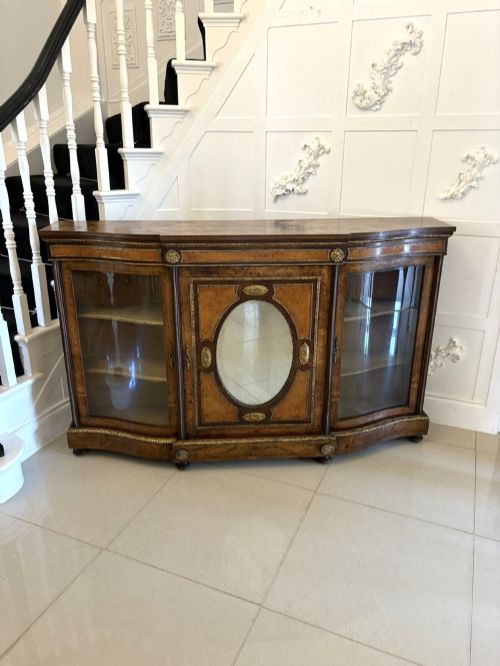
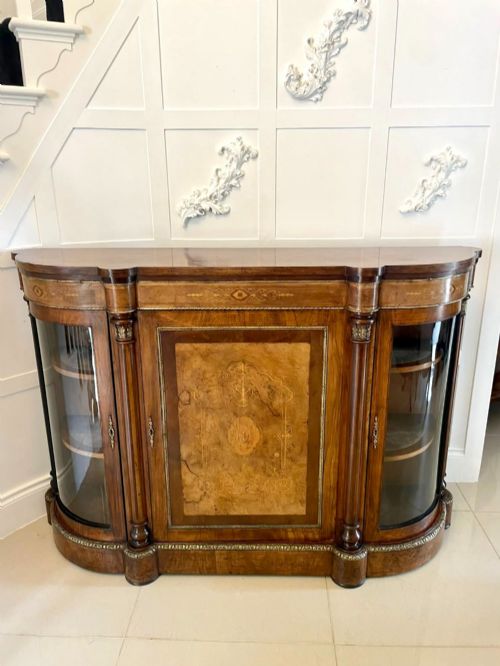
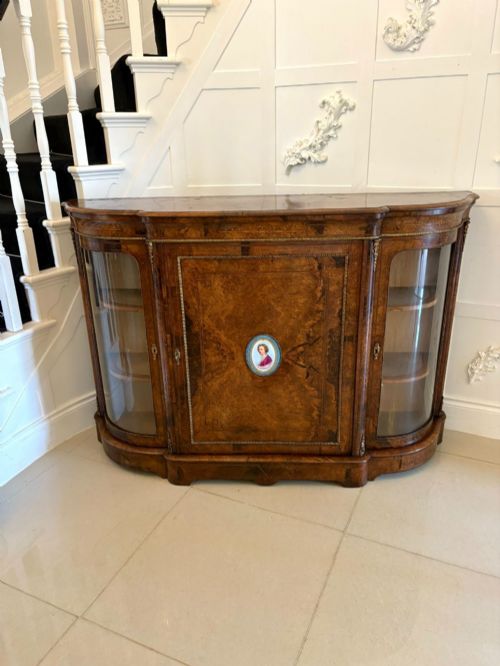
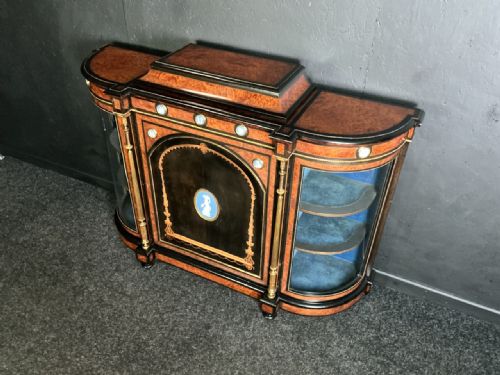
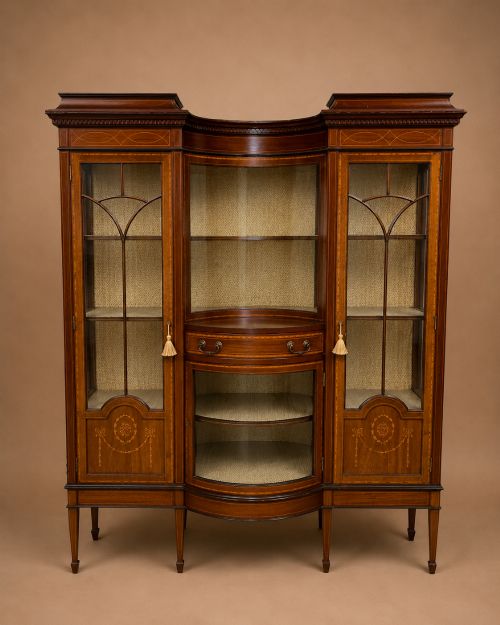
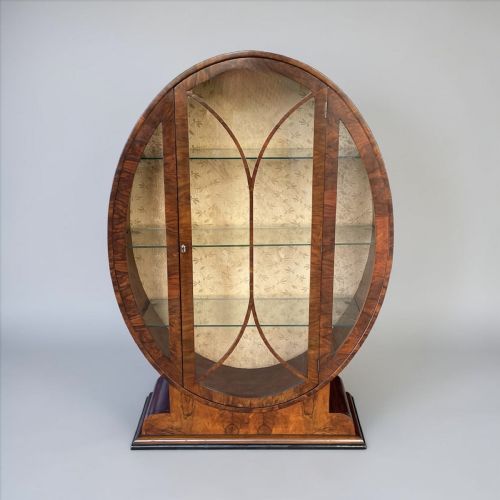
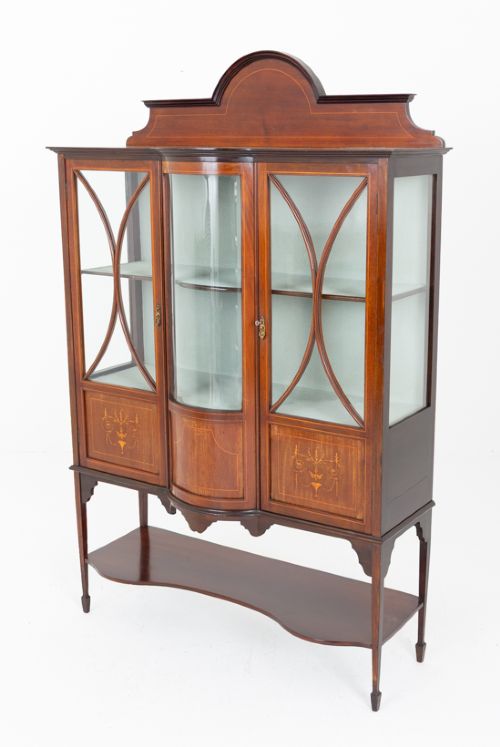
Curved glass display pieces encompass cabinets, vitrines, and credenzas designed to exhibit objects from multiple angles. These forms span from Victorian and Edwardian iterations to Art Deco designs.
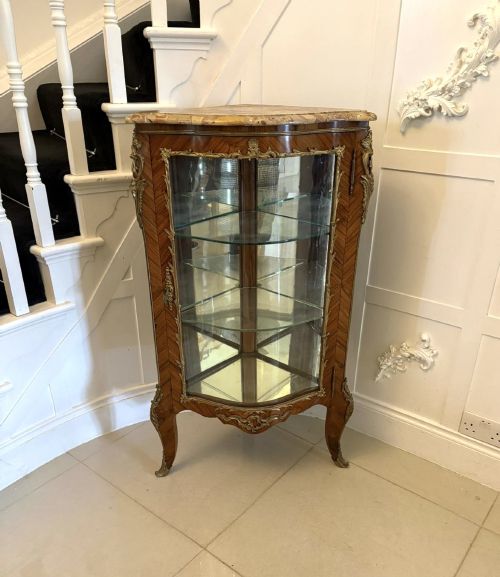
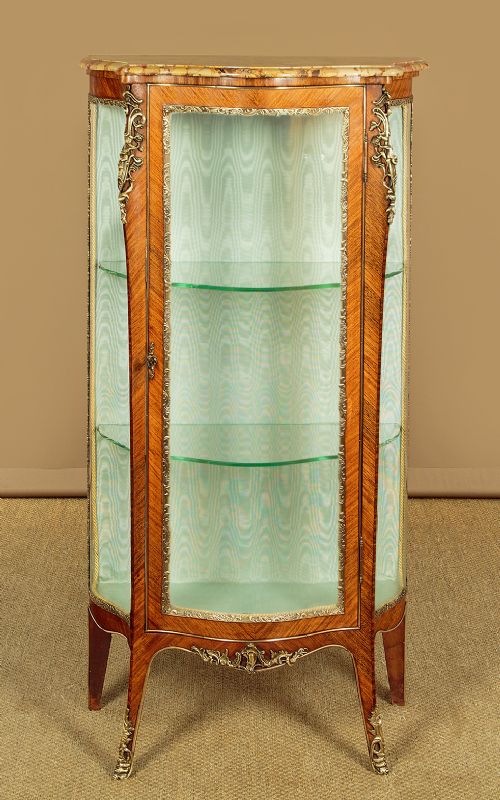
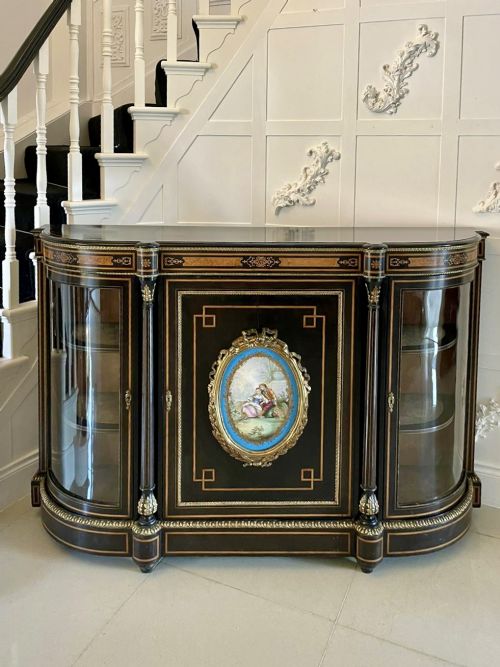
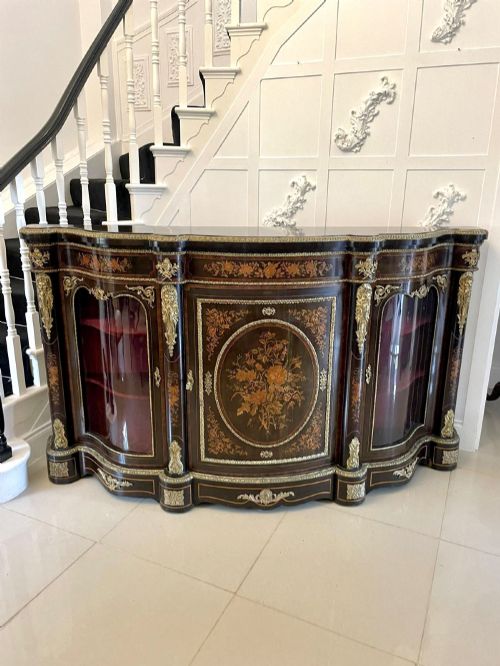
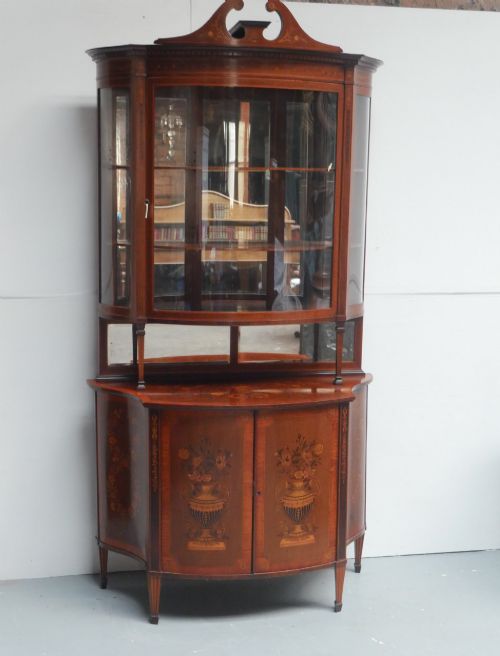
The evidence shows examples ranging from French kingwood and mahogany vitrines to English shop display cabinets and walnut credenzas. A buyer frequently encounters nineteenth-century and early twentieth-century pieces incorporating glazed panels and curved fronts.
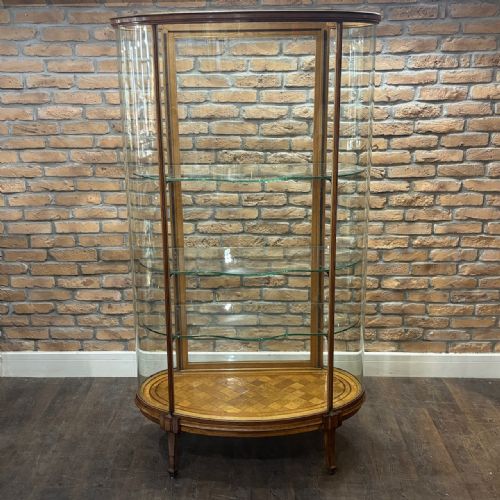
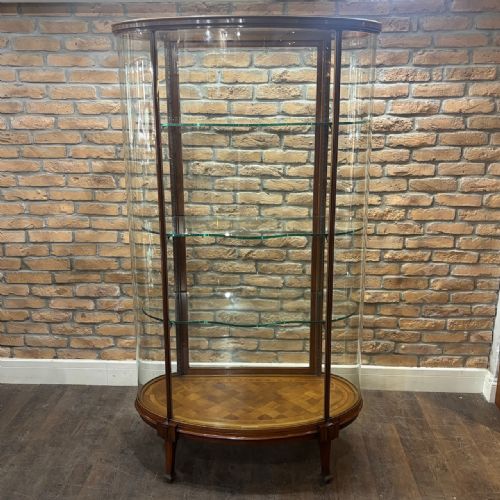
Makers and workshops utilised specific silhouettes, including serpentine, oval, and bow-ended shapes, to house porcelain, books, and curiosities. These furniture types served domestic parlours and commercial showrooms alike.
How they were made
Cabinetmakers combined timbers such as mahogany, walnut, kingwood, and satinwood with brass and ormolu mounts. Frames often incorporated intricate marquetry, floral inlay, and ebonised details.
Glazing required specialised techniques to form the curved glass doors and panels characteristic of these cabinets. Ormolu mounts and marble tops frequently completed the construction of French and English pieces.
Listings show materials including glass, ormolu, brass, mahogany, burr walnut, fabric, walnut, and kingwood across the nineteenth and twentieth centuries.
What varies in quality
The sophistication of the timber veneers and the precision of the marquetry set finer pieces apart from standard production. Burr walnut, kingwood, and amboyna demand skilled handling to achieve balanced grain patterns across serpentine fronts.
The integration of cast ormolu mounts and the clarity of the curved glass panels indicate the workshop standard. Well-executed mounts and substantial marble tops reflect the ambition of the original maker.
F. Sage & Co·Edwards & Roberts·Maison Gagneau·James Hicks
The Curved Glass Display Glossary
- Ormolu
- Gilded bronze ornamentation applied to furniture. This technique was widely utilised on nineteenth-century French and English cabinets.
- Vitrine
- A glass-fronted cabinet designed for displaying fine porcelain or curiosities. These pieces often feature glazed sides to maximise light.
- Credenza
- A sideboard or cabinet originating in the nineteenth century, frequently mounted with ormolu and inlaid with marquetry. They serve both storage and display functions.
- Vernis Martin
- A type of simulated Japanese lacquer developed in France. It appears on decorative panels of nineteenth-century display cabinets.
- Marquetry
- The art of applying pieces of veneer to a structure to form decorative patterns. Craftsmen utilised various coloured woods to create floral designs.
Curved Glass Display: Frequently Asked Questions
What are curved glass display cabinets?
Curved glass display cabinets are glazed furniture pieces designed to exhibit objects from multiple angles using bent glass panels. They emerged in various forms across the nineteenth and twentieth centuries.
These pieces range from English shop counters and Edwardian bow-ended cabinets to French kingwood vitrines with ormolu mounts.
How were these cabinets used?
Owners used these cabinets to showcase fine porcelain, glassware, books, and personal collections in domestic drawing rooms and parlours. Commercial establishments utilised similar glazed fixtures for retail display.
The integration of glass panels allowed light to reach the interior items from several directions.
How do I live with a curved glass display cabinet?
Placing a cabinet away from direct sunlight protects both the timber veneers and the displayed contents. Positioning them in rooms with stable temperatures prevents strain on the wooden frames and glazed doors.
These cabinets function effectively as focal points in living spaces, holding collections while adding nineteenth or twentieth-century character.
How can I tell periods apart?
Victorian and Edwardian pieces frequently feature heavy timber construction, elaborate marquetry, and ormolu mounts. Art Deco examples from the nineteen-thirties display cleaner lines and distinctive geometric or clove shapes.
French pieces often incorporate kingwood, mahogany, and Vernis Martin panels, whereas English iterations lean towards walnut and mahogany.