

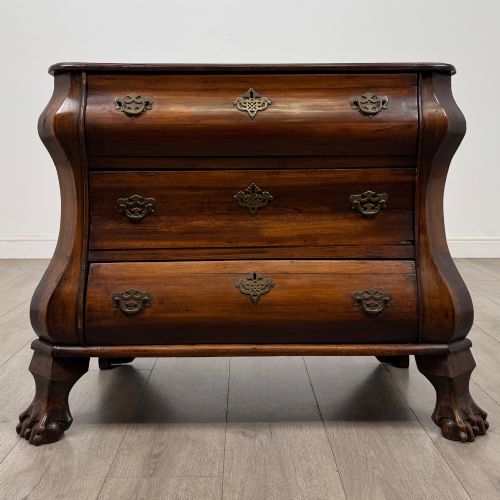
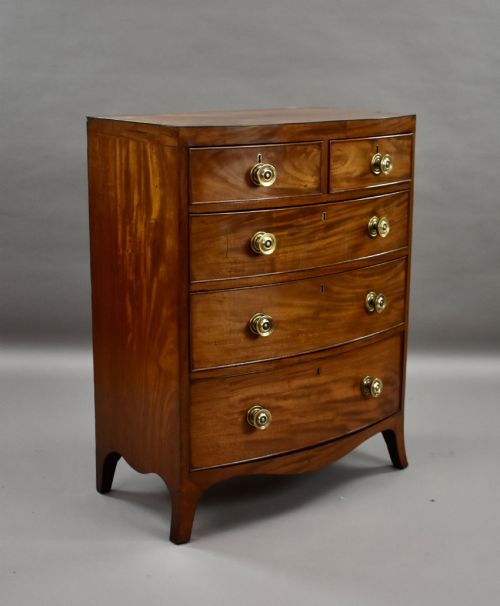

Curved Front Wooden Chest
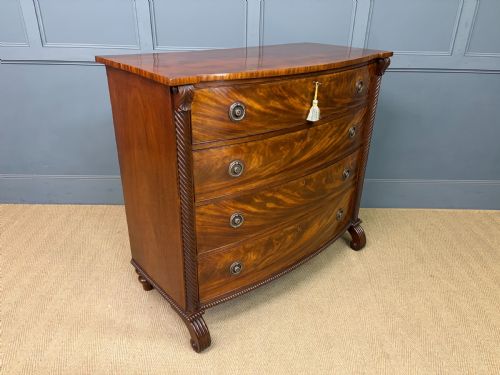
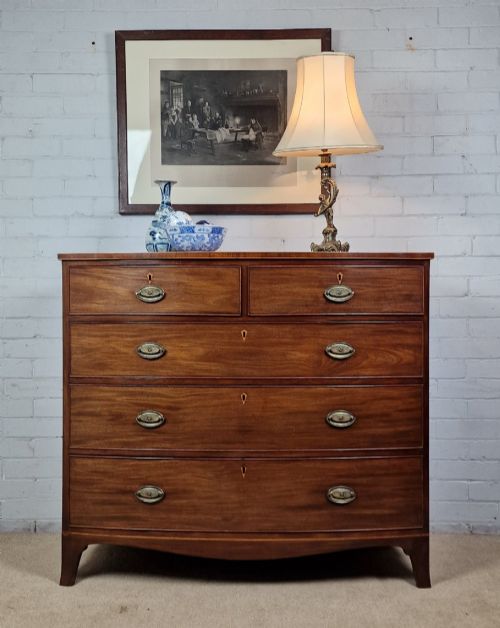
A curved front wooden chest delivers deep storage with a convex facade, shaped across Georgian, Regency and Victorian eras to catch the eye.
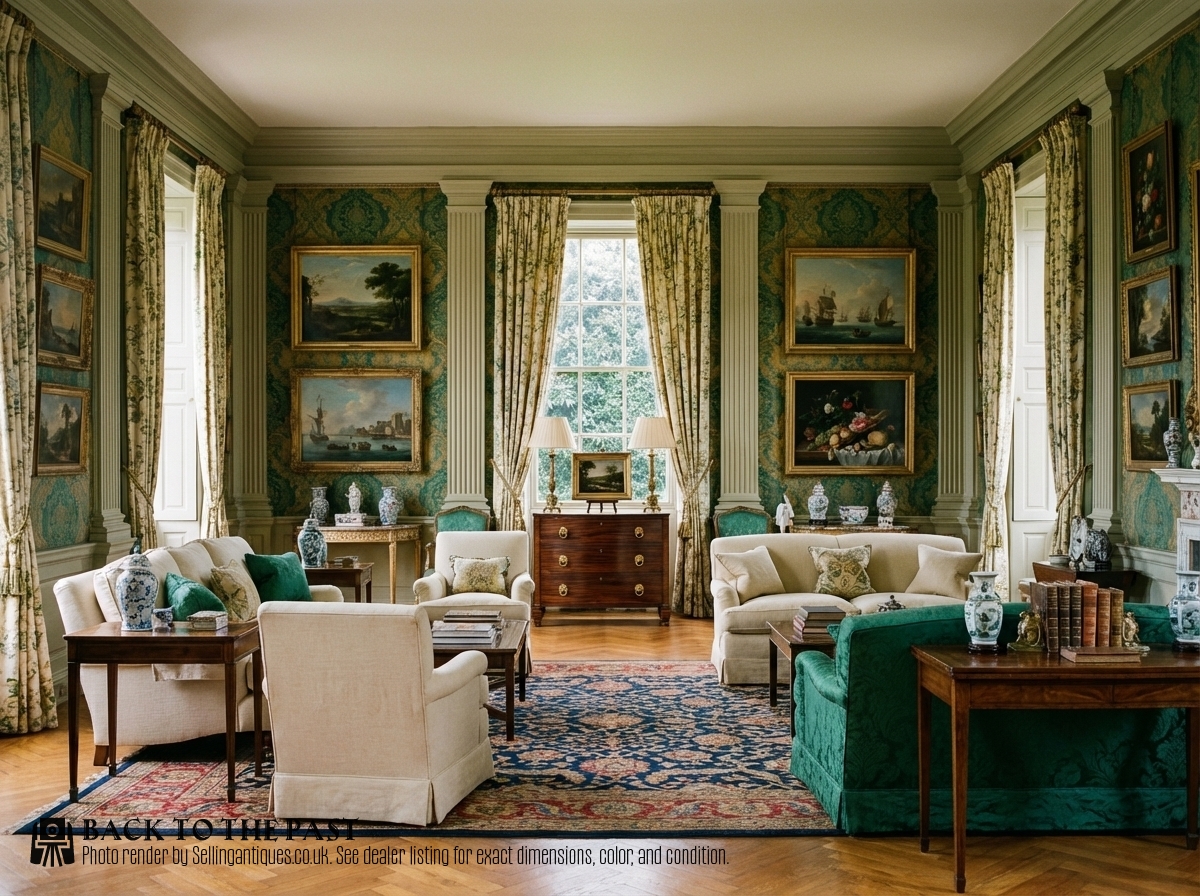
Curved Front Wooden Chest
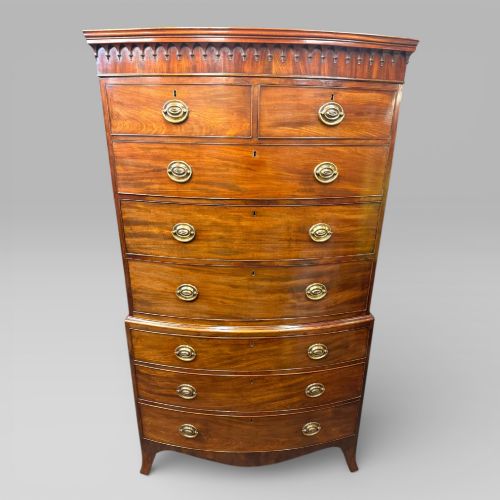
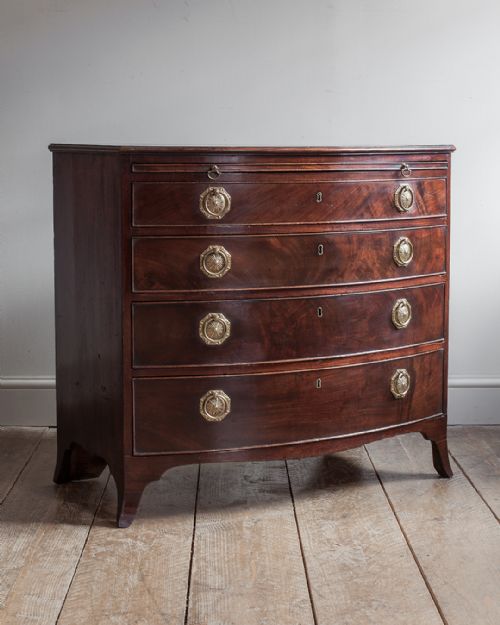
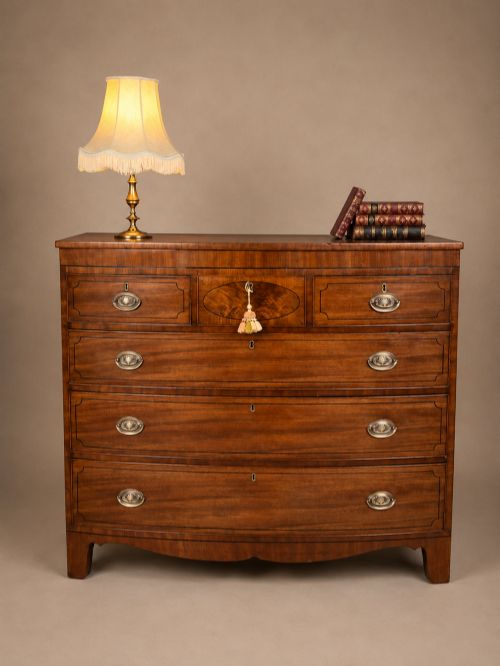
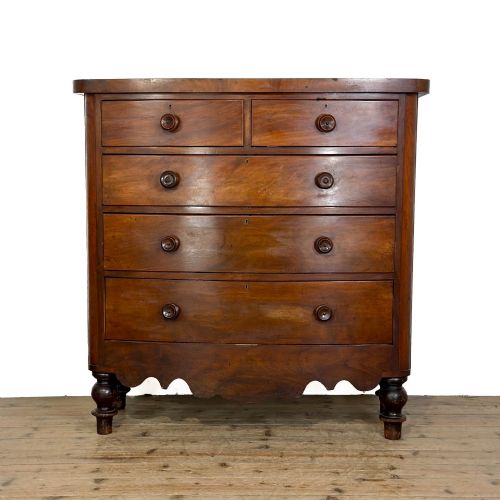
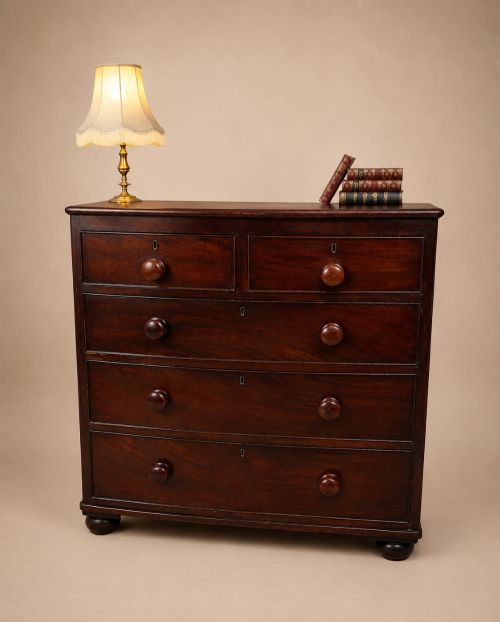
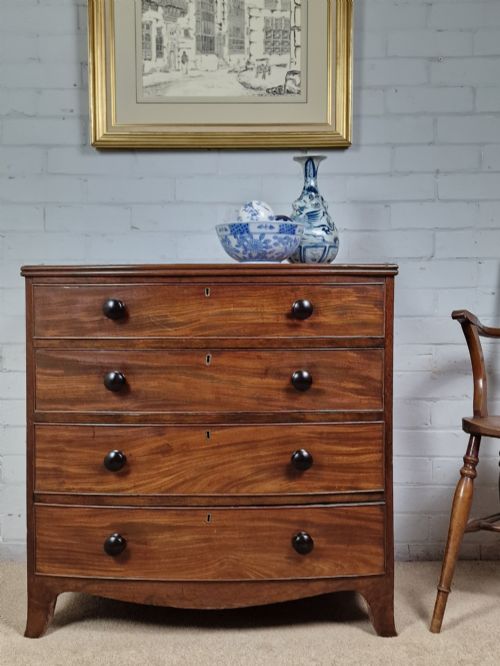
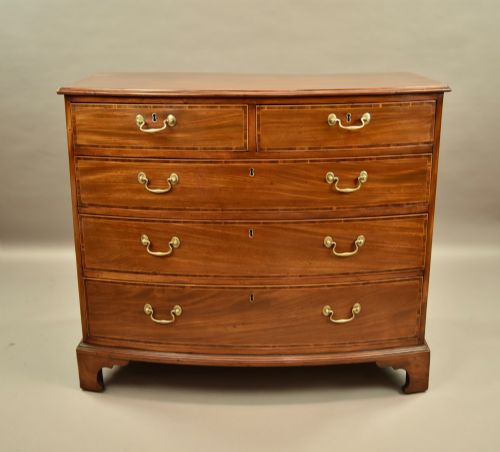
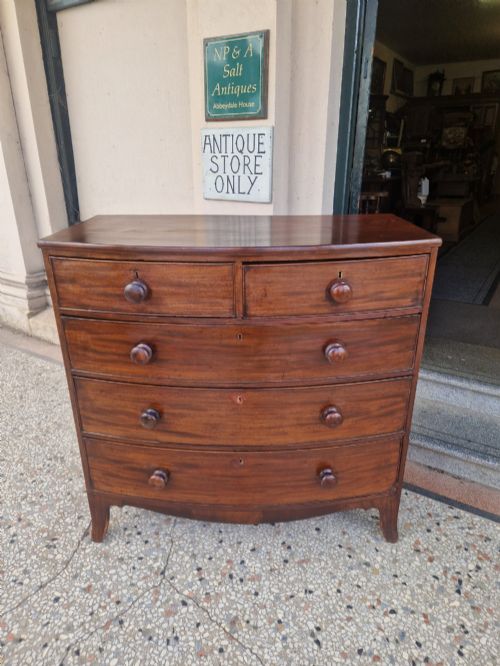
A curved front wooden chest takes several distinct shapes across the eras, with the bow front appearing most frequently in these listings. These pieces emerge in Georgian, Regency and Victorian workshops as functional furniture designed to maximise bedroom storage without sacrificing floor space.
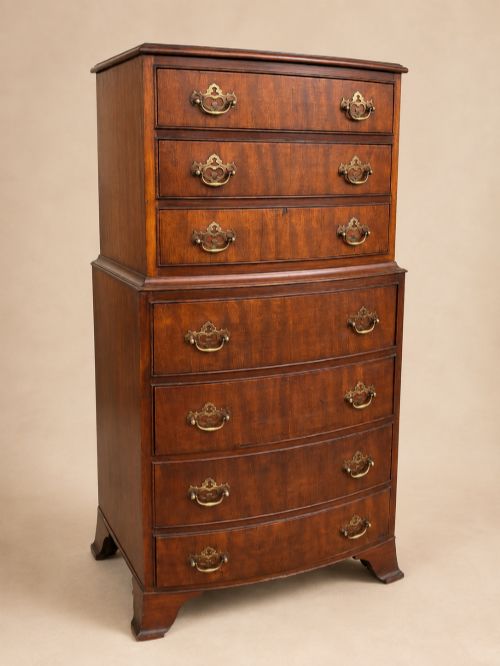
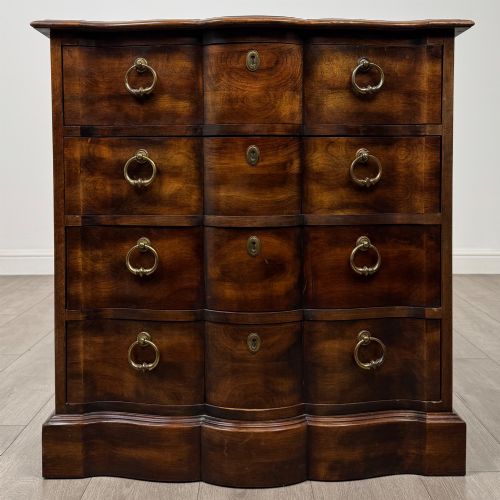
The inventory spans standard chests of drawers, taller chest on chest configurations, and diminutive bedside examples in mahogany, walnut and painted finishes. Makers also shaped hardwood into serpentine facades and bombe profiles during later revival periods.
Originating primarily in English workshops, these items reflect changing domestic fashions from the eighteenth century onwards. Buyers encounter everything from compact early nineteenth-century specimens to larger twentieth-century revivals.
Materials and construction
Cabinetmakers constructed these carcases using solid timbers such as mahogany and walnut, frequently applying decorative wood veneers to the curved drawer fronts. Flame mahogany veneer provides distinctive figuring across the primary facade, whilst contrasting boxwood and satinwood inlay creates fine border details.
Makers shaped the front boards into gentle convex curves before fitting dovetailed drawer boxes inside the frame. Brass handles and escutcheons secure the drawer faces, accompanied occasionally by marble tops on continental commodes.
Curved Front Wooden Chest Retail Price Guide 2026
Typical asking prices for curved front wooden chest among the pieces listed under this phrase on Sellingantiques today, from the lower quarter to the upper quarter. They describe what is for sale here now, not the wider market.
Mahogany dominates the material selection, whilst Georgian, Regency and Victorian periods account for the majority of the listed chests.
Craftsmanship and proportion
Superior examples reveal themselves through the precision of the curved drawer fronts and the alignment of the timber grain across multiple drawers. Finely executed dovetail joints and original brass hardware distinguish workshop pieces from later mass-produced alternatives.
The balance of the proportions relative to the depth of the bow determines the visual grace of the carcase. Crisp boxwood inlay and intact veneer work signal higher standards of period cabinetmaking.
The Curved Front Wooden Chest Glossary
- Bow front
- A convex curved cabinet front that swells outward in the centre. This shape defines the majority of the chests listed here.
- Serpentine
- A facade shaped with a central convex curve flanked by two concave curves. It requires advanced woodworking skill to execute properly.
- Chest on chest
- A tall storage unit comprising two separate sections stacked vertically, offering numerous drawers in a narrow footprint. Also known as a tallboy.
- Dovetail
- An interlocking joint formed by wedge-shaped fingers, used to join drawer corners securely. Period pieces show hand-cut variations.
- Veneer
- A thin layer of figured wood applied over a secondary timber carcase. Flame mahogany veneer is typical of these pieces.
Curved Front Wooden Chest: Frequently Asked Questions
How do I date a bow front chest?
Examine the construction methods of the internal drawer boxes, particularly the hand-cut dovetails and secondary woods used inside. Cabinet styles, handle types and the thickness of the drawer linings generally align with Georgian, Regency or Victorian manufacturing standards.
Look closely at the backboards and feet for further clues regarding the period. Peg construction and unpainted secondary timbers often point towards eighteenth or early nineteenth-century origins.
Where were these chests placed originally?
These chests served primarily as bedroom furniture for storing linens, clothing and personal items. Their decorative facades also suited them for placement in grand hallways and formal sitting rooms.
Today, buyers utilise them in bedrooms, living areas and entryways for practical surface space and concealed storage. Their shaped fronts make them suitable focal points in domestic interiors.
Are all these chests made of mahogany?
Mahogany forms the dominant timber across the inventory, reflecting its popularity in Georgian and Regency cabinetmaking. Walnut and painted wood appear less frequently, alongside twentieth-century hardwood pieces.
Inlay materials also vary, with boxwood and satinwood adding contrasting borders to the primary wood. Some continental examples incorporate marble tops instead of timber.