
Curio Display Case
A curio display case gathers small treasures behind glass, protecting fragile keepsakes while putting collections on open view.
Curio Display Case
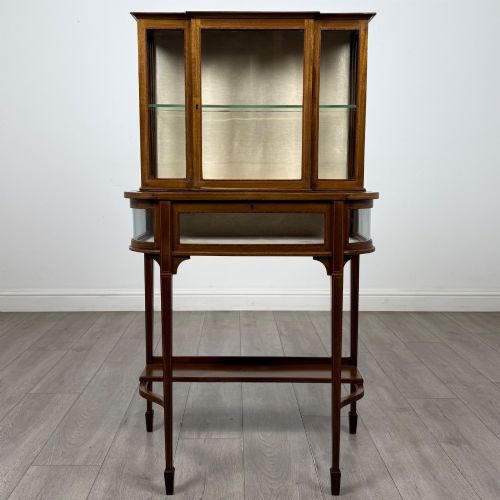
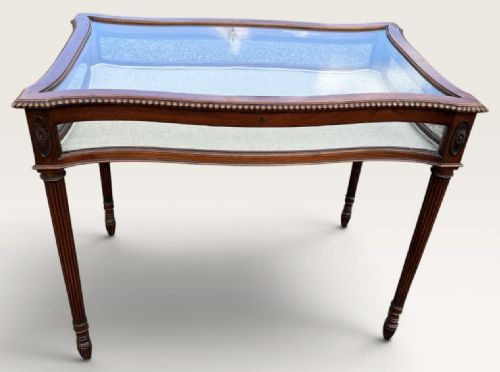
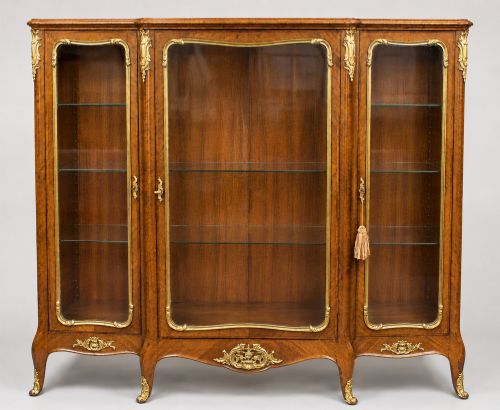
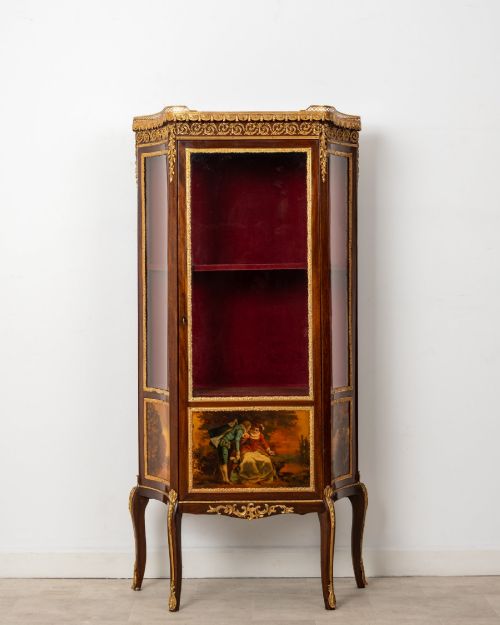
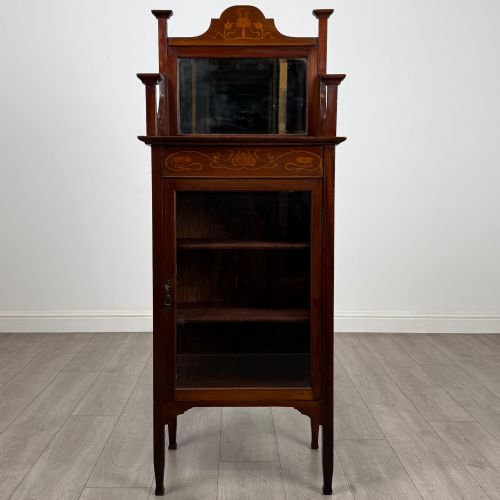
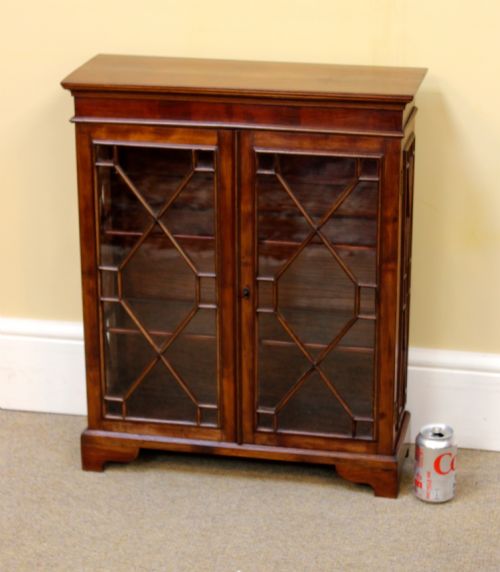
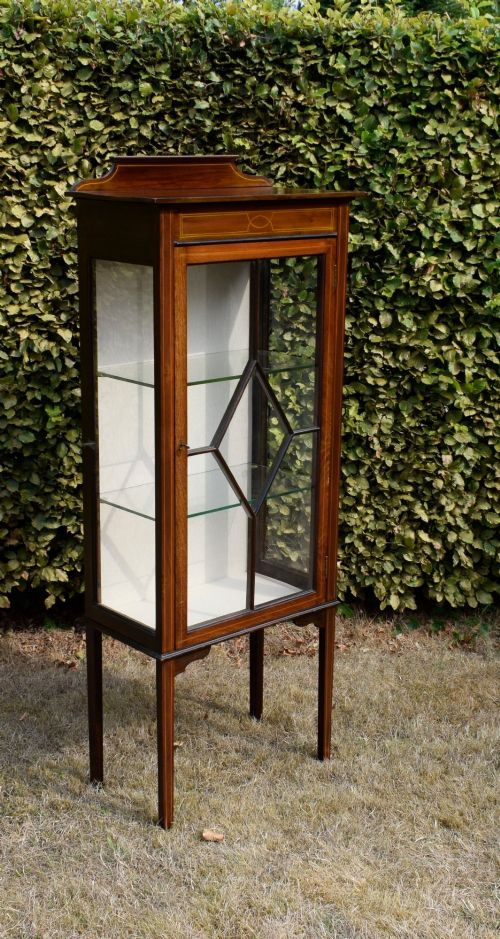
A curio display case spans several distinct forms designed to exhibit treasured possessions, most frequently appearing as upright vitrines, tabletop cases, and dedicated bijouterie tables with glazed lids. These pieces emerge predominantly from the Edwardian era and the nineteenth century, drawing heavily on French styles including Louis XV revival and Rococo motifs alongside Georgian proportions.
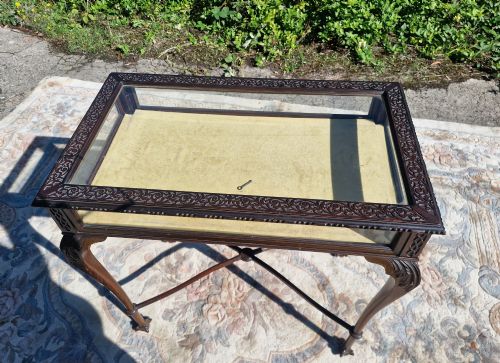
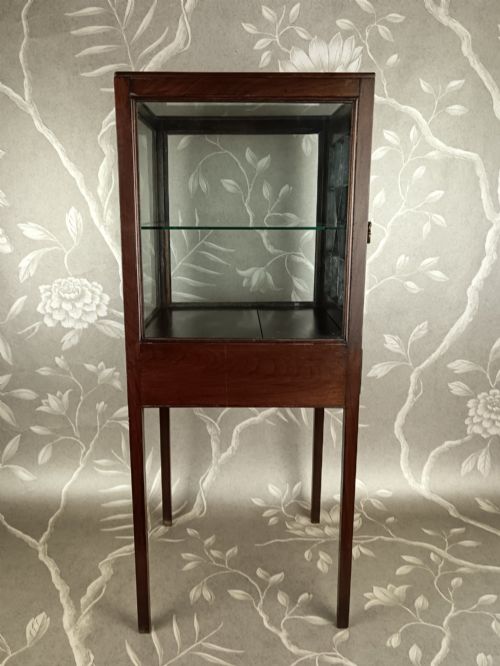
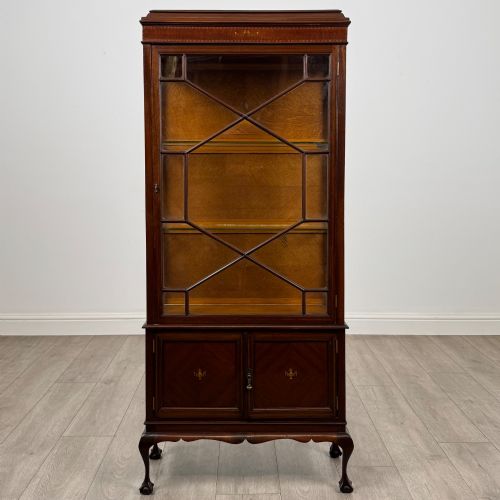
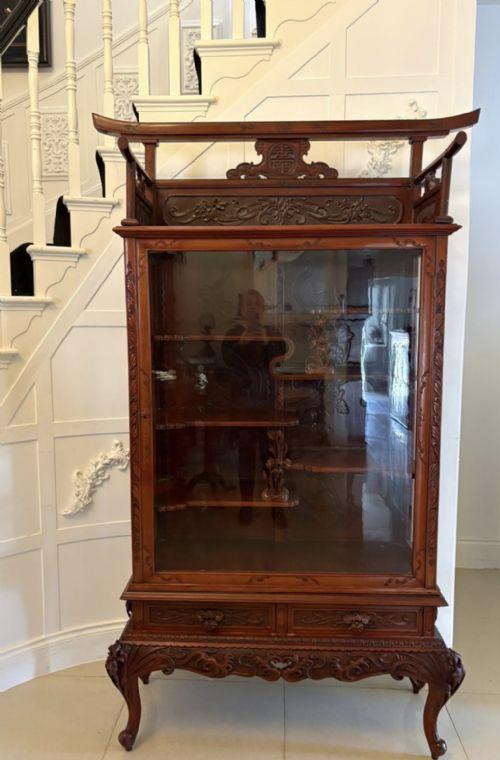
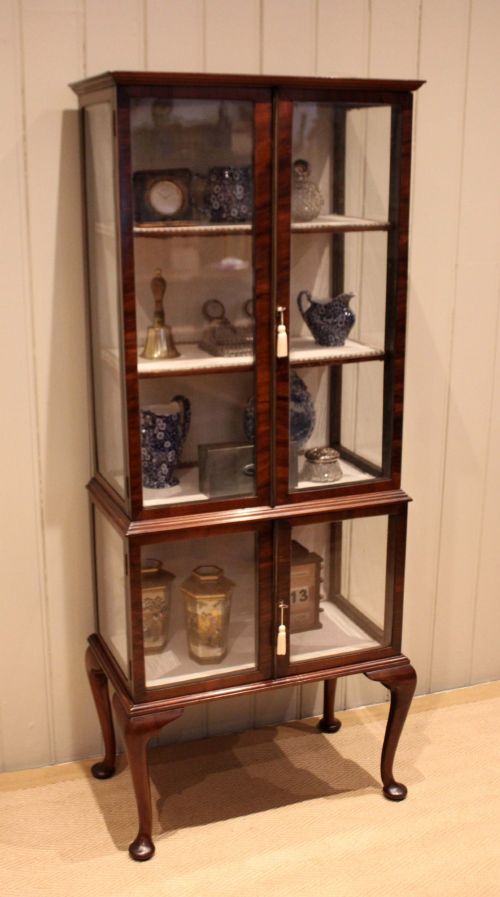
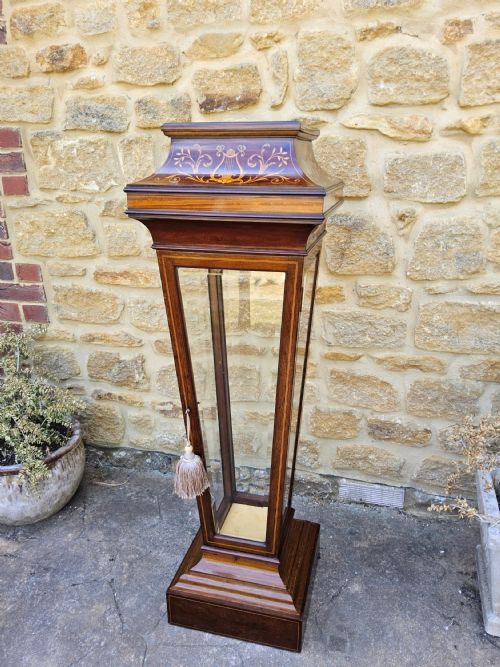
Upright cabinets offer multi-tiered shelving behind timber-framed glass doors, whilst table-top formats and bijouterie pieces lift smaller objects into eye-line view on glazed surfaces. The selection ranges from compact miniature cabinets and pedestal designs to grand French vitrines finished with elaborate mounts.
Mahogany and kingwood dominate the timber framework, often paired with specialist glazing and lined interiors to display ceramics, silver, and curiosities. Pieces from the early twentieth century sit alongside nineteenth-century French models and Georgian precedents.
Materials and construction
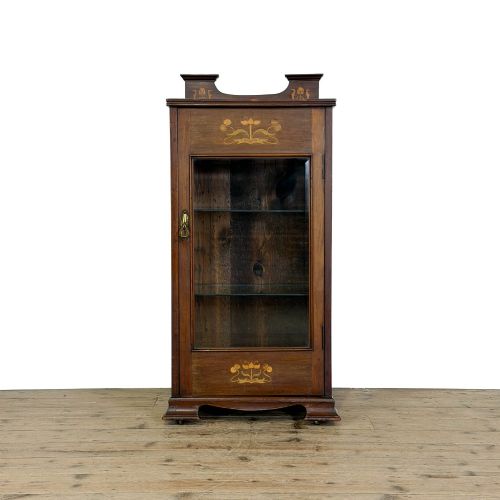
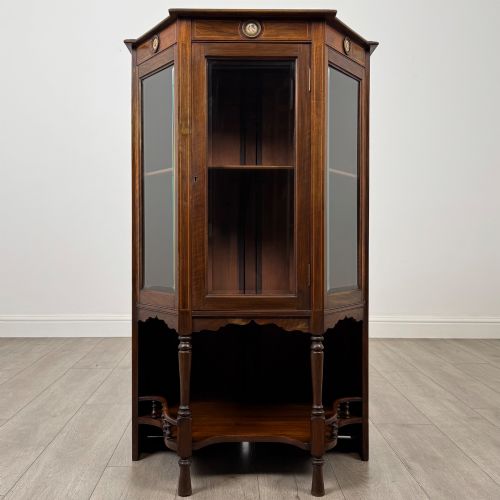
Cabinet makers utilised dense hardwoods such as mahogany, satinwood, walnut, and kingwood as the structural foundation, frequently applying intricate marquetry inlays or painted Vernis Martin panels. Ormolu and gilt bronze mounts decorate the corners, cornices, and feet of higher-end French pieces.
Glazing forms the central functional element, set into timber frames or secured with brass and gilt metal mouldings to seal the cabinet chamber. Marble tops appear on select nineteenth-century French vitrines, providing a durable and weighty counterpoint to the glazed framework.
Some Edwardian merchants adapted shop display techniques for domestic parlours, ensuring every curious trinket had a proper glass stage.
Judging execution and finish
Quality rests in the precision of the timber joinery, the crispness of the ormolu casting, and the fluidity of hand-applied marquetry or lacquer work. Finer cabinets exhibit seamless mitred joints, substantial cast bronze mounts rather than pressed brass, and carefully selected veneer grains.
The refinement of the glazing bars and the weight of the hardware dictate the overall character, separating utilitarian shop display fixtures from sophisticated salon cabinets.
François Linke
The Curio Display Case Glossary
- Vitrine
- A glass-fronted display cabinet intended for the presentation of porcelain, curios, and objets d'art. These pieces rely on extensive glazing to maximise light entry from multiple angles.
- Bijouterie table
- A low display table featuring a glazed top and a shallow internal compartment lined with fabric. They were traditionally used for laying out portrait miniatures, medals, and jewellery.
- Ormolu
- Gilt bronze ornamentation applied to furniture, cast and chased to produce sharp decorative details. The technique gained prominence on French nineteenth-century cabinets.
- Vernis Martin
- A simulated Japanese lacquer technique developed in eighteenth-century France and revived on later display cabinets. It involves multiple layers of varnish applied to painted panels.
- Chinoiserie
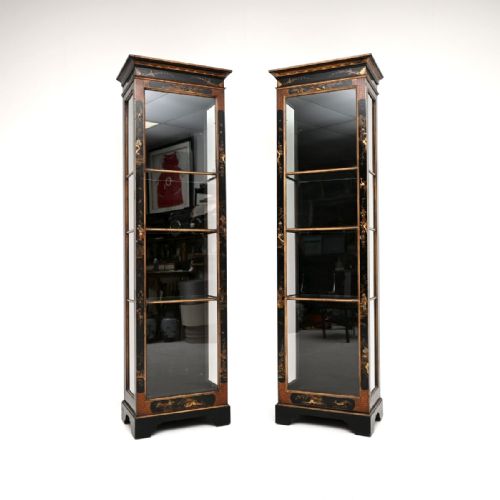
- European decorative motifs inspired by Chinese art, expressed through lacquerwork and painted scenes on furniture. This style appears on Edwardian lacquered cabinets.
Curio Display Case: Frequently Asked Questions
What is a curio display case used for?
These cabinets serve to house and protect small collections of porcelain, silver trinkets, and natural curiosities. The glazed panels keep dust away while allowing objects to be viewed from across a room.
Tabletop and bijouterie variants place items directly beneath glass at hand height, making them suitable for inspecting medals, coins, and jewellery.
How do I date a display cabinet?
Dating relies on identifying the underlying timber, the style of the hardware, and construction markers like dovetailing or screw types. Edwardian and late Victorian pieces often feature inlaid mahogany and satinwood, whereas nineteenth-century French examples favour kingwood with ormolu mounts.
Georgian models display heavier timber scantlings and simpler interior arrangements compared to later revival pieces.
Where should I place a vitrine?
A vitrine requires a stable position away from direct sunlight and dramatic temperature fluctuations to protect fragile timbers, veneers, and internal fabric linings. Placing them against an interior wall ensures the structure remains level and the glass doors hang true.
Adequate ambient lighting or room positioning helps illuminate the interior shelves through the side and front glazing.
Are shelves adjustable in antique cabinets?
Many nineteenth and twentieth-century cabinets feature adjustable wooden or glass shelving supported by rack systems or brass clips. This allows the internal height to be altered for different collections of objects.
Earlier or fixed-carcase pieces often retain their original stationary timber shelves.