

Edwardian French Cabinet
These pieces bring an Edwardian French cabinet into your room to hold displays, books and small objects with continental flair.
Edwardian French Cabinet
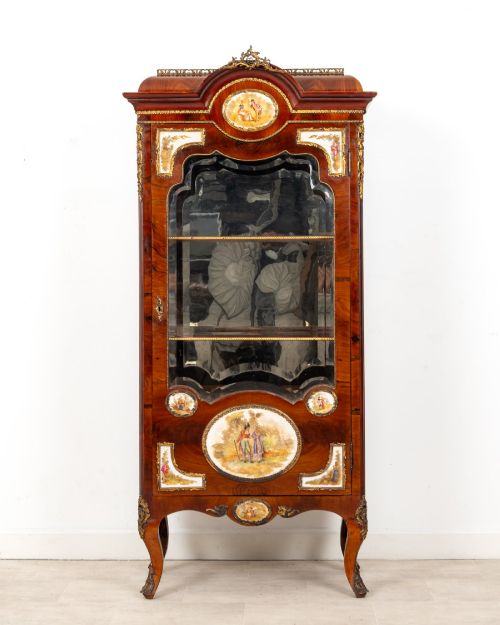
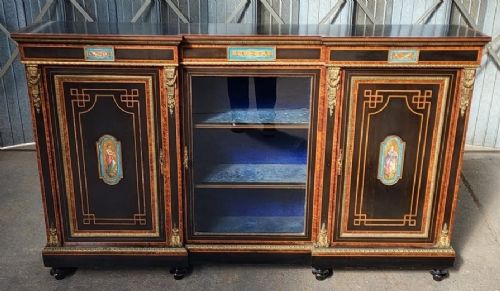
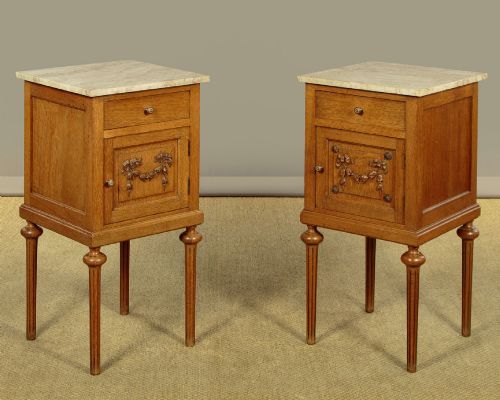
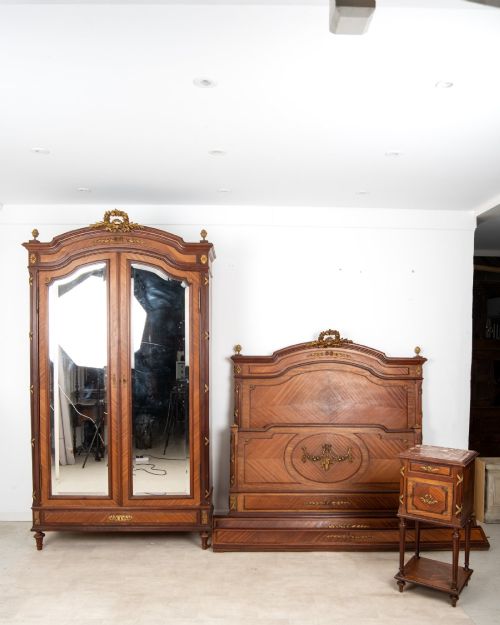
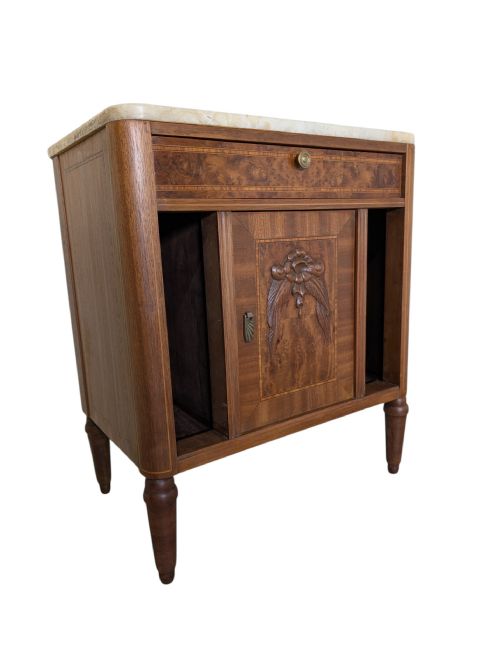
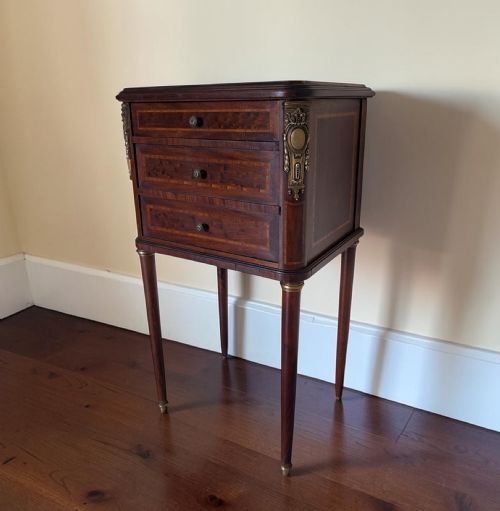
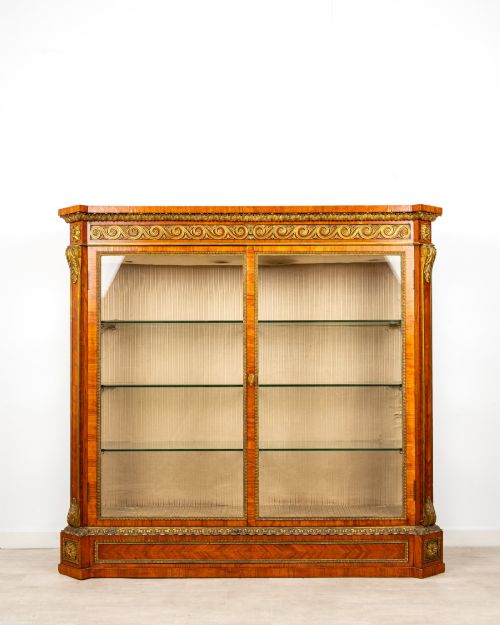
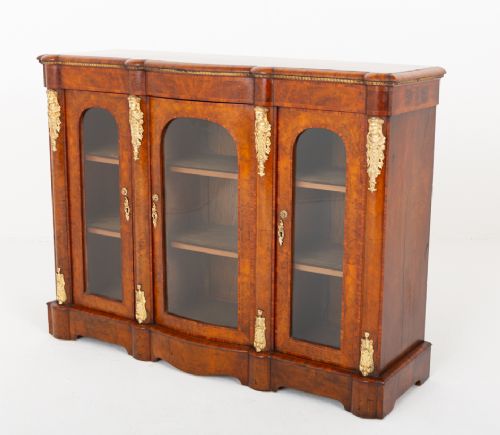
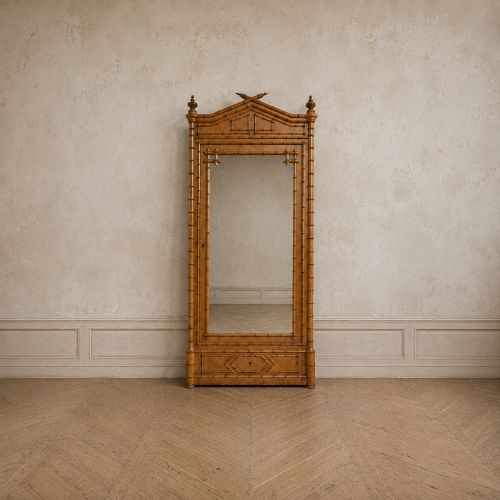
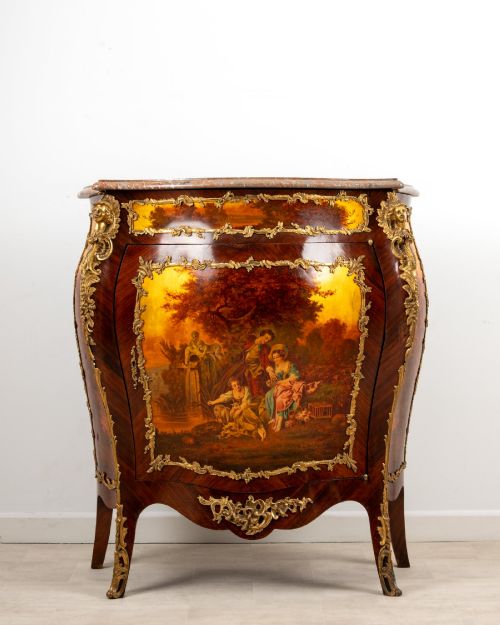
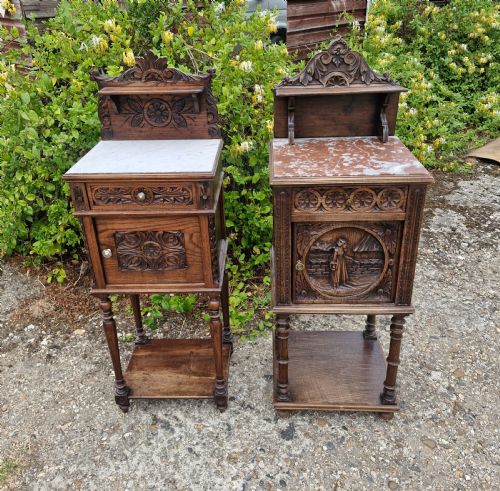
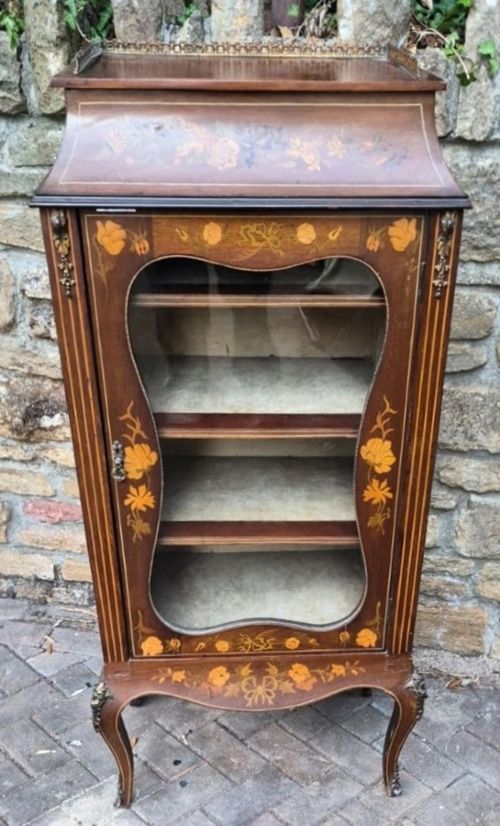
When you search for an edwardian french cabinet, you encounter display cabinets, vitrines, bedside tables and side cabinets shaped by Louis XV Revival, Louis XVI Revival and French Art Nouveau styles. The version you meet most often on this page is a walnut, mahogany or kingwood piece bearing marquetry inlay and brass mounts, dated around nineteen hundred.
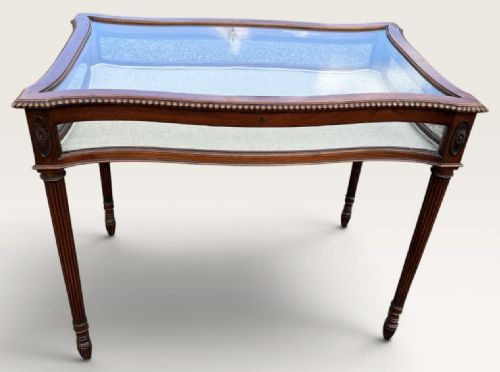
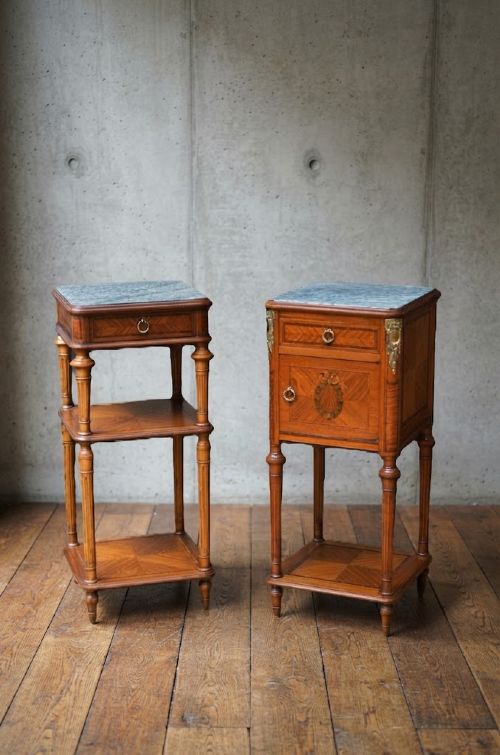
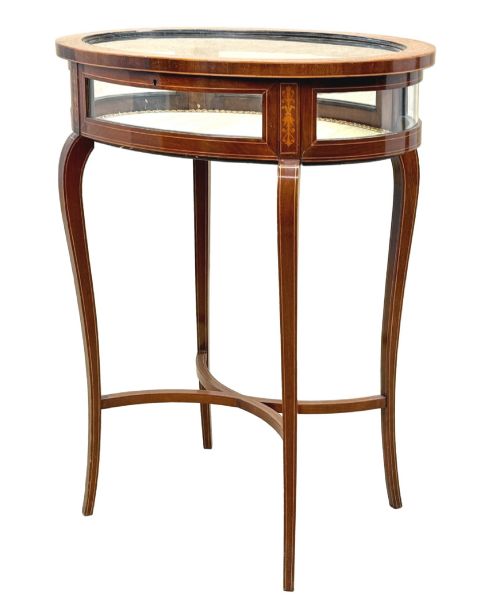
The form spans from compact bedside units with marble tops to serpentine bijouterie tables and tall display cases designed for drawing rooms and bedrooms. These items draw heavily on continental aesthetics, blending English interior practicality with French decorative flourishes from the late nineteenth and early twentieth centuries.
Materials and construction
Cabinet makers utilised dense hardwoods like mahogany, walnut, satinwood and kingwood as carcase foundations, frequently adding intricate marquetry inlay, bird's-eye maple or amboyna veneers. Ormolu, gilt-bronze and brass mounts accent edges, key escutcheons and cabriole legs.
Marble tops provide durable, cool surfaces on bedside units and commodes, while glazed doors and sides enclose display cabinets and vitrines to protect delicate contents.
Listings feature woods including satinwood, mahogany, walnut, kingwood, amboyna, burr walnut and bird's-eye maple alongside marble and ormolu.
Markers of quality
The distinction between ordinary workshop production and high craftsmanship rests in the precision of the marquetry, the weight of the cast bronze or ormolu mounts, and the choice of primary timbers. Superior examples display fluid hand-cut veneers and substantial marble slabs fitted precisely to the wooden frames.
Construction methods such as dovetail joints in drawer construction and the smoothness of tambour mechanisms or door hinges indicate the level of care invested by the maker.
H. J. Hatfield & Sons
The Edwardian French Cabinet Glossary
- Vitrine
- A glass-fronted display cabinet utilised for showing porcelain, figurines and small collectibles. These pieces often feature glazed side panels to maximise light penetration.
- Ormolu
- Gilded bronze mounts applied to furniture for decorative effect. The material provides bright metallic contrast against dark hardwoods.
- Marquetry
- Decorative patterns formed by inserting pieces of wood veneer into a master background. Makers utilise contrasting timbers to create floral or geometric designs.
- Bijouterie table
- A glass-topped display table designed to exhibit jewellery and small ornaments. These items frequently stand on slender cabriole legs.
- Bombe
- A swollen or bulging convex shape characteristic of continental furniture fronts. This contour requires skilled carpentry to achieve balanced proportions.
Edwardian French Cabinet: Frequently Asked Questions
What is an edwardian french cabinet used for?
These cabinets serve multiple domestic roles, from bedside storage to housing display collections in drawing rooms.
Glazed vitrines and bijouterie tables showcase ceramics and ornaments, while side cabinets and commodes provide enclosed storage space.
How do I clean a marble top?
Wipe marble surfaces with a soft damp cloth using mild soap when necessary. Avoid acidic cleaners that etch the polished stone finish.
Dry the surface thoroughly with a lint-free cloth to maintain the natural sheen.
Where should I place a vitrine?
Position display cabinets away from direct sunlight to protect interior items and wood veneers from fading. Choose locations with stable room temperatures.
Ensure adequate clearance for opening glass doors and hinged lids on table formats.
How do I identify revival styles?
Louis XV Revival pieces display asymmetrical curves, cabriole legs and organic foliate mounts. Louis XVI Revival designs feature straight tapered legs, neoclassical symmetry and urn motifs.
Art Nouveau examples incorporate flowing, plant-inspired lines distinct from earlier historical revivals.