


Cuban Mahogany Side Table
A cuban mahogany side table brings dense grain, deep colour and sturdy eighteenth or nineteenth century craft straight into a room.
Cuban Mahogany Side Table
A cuban mahogany side table is a solid timber surface built for practical use during the eighteenth and nineteenth centuries, spanning George II, George III, Regency and Victorian eras. These pieces appear in forms such as simple single drawer lowboys, drop-leaf pembroke tables, tea tables and tiered dumb waiters.
The pieces on this page mostly hail from the Georgian and Regency periods, constructed to stand against a wall or serve as occasional furniture in parlours and halls. Makers utilised the heavy tropical timber for its deep reddish brown tone and striking figure.
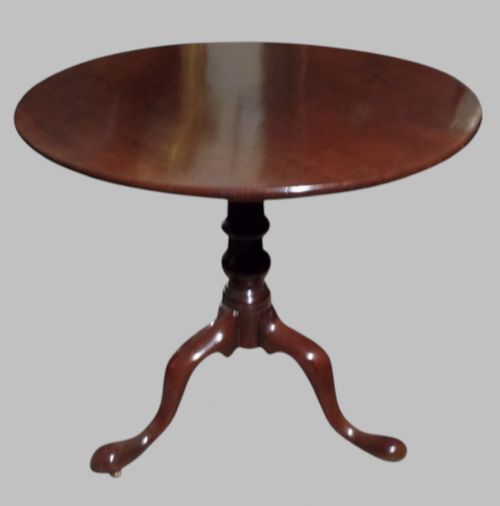
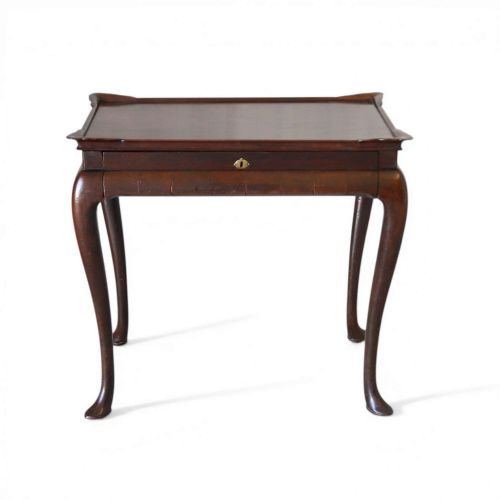
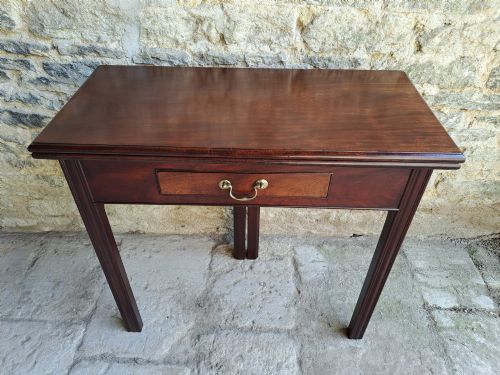
Buyers seek these tables for their combination of robust utility and refined proportion. Whether configured with cabriole legs and pad feet or straight tapered supports, each item reflects the domestic habits of its period.
Materials and technique
Cabinet makers relied primarily on dense Cuban mahogany, a timber prized for its weight and dark, rich grain that accepts a high polish. Brass hardware, including drop handles, castors and key escutcheons, often accents the drawers and supports.
Joinery techniques involve traditional methods such as dovetailing for drawer construction and pegged mortise and tenon joints for frames. Carved details like acanthus leaves or pointed pad feet appear on early examples, while later pieces favour cleaner lines.
What separates the grades
Quality rests in the selection of the timber and the crispness of the joinery and carving. Superior pieces display lively, highly figured grain patterns across the primary surfaces rather than plain or patched timber.
The integrity of the construction, from smooth-sliding dovetailed drawers to original brass fittings and stable leg joints, dictates the standing of an individual table. Maker stamps, such as those from documented cabinet makers, elevate a piece further.
James Shoolbred·Gillow
The Cuban Mahogany Side Table Glossary
- Cabriole leg
- A furniture leg that curves out and then in, mimicking animal limbs. This form frequently terminates in a pad or claw foot on mid eighteenth century tables.
- Pembroke table
- A small, versatile table with hinged drop leaves on either side. These typically include one or two small drawers.
- Lowboy
- A small side table or dressing table featuring one or more drawers and relatively short legs. They date predominantly from the Georgian period.
- Dumb waiter
- A tiered serving table fitted with multiple rotating or fixed trays on a central column. These served dining rooms for holding dishes or drinks.
- Birdcage
- A timber mechanism beneath a tilt-top table top that allows the surface to pivot and rotate. It uses small wooden spindles resembling a cage.
Cuban Mahogany Side Table: Frequently Asked Questions
How were cuban mahogany side tables used?
These tables served various domestic functions depending on their specific form. Drop-leaf and tea tables expanded for dining or card games, while lowboys provided surface space and drawer storage in bedrooms or parlors.
Dumb waiters held drinks and serving dishes beside dining tables, and writing tables offered a sturdy surface for correspondence.
How do I identify a georgian table?
Georgian tables generally date from the eighteenth century and display distinct stylistic markers of the reigns of George II and George III. Look for solid Cuban mahogany timber, hand-cut dovetails on drawer linings, and traditional patination.
Early pieces often feature cabriole legs with pad feet, while later examples transition to straight, tapered legs and understated brass hardware.
How do I care for cuban mahogany?
Keep the timber away from direct heat sources and strong sunlight to prevent the deep mahogany colour from fading. Dust regularly with a soft, dry cloth and occasionally apply a quality beeswax to nourish the wood.
Avoid commercial silicone sprays, which build up over time and dull the historic finish of the surface.