


Crystal Scent Bottle Silver
A crystal scent bottle silver piece combines heavy faceted glass with a solid metal mount, offering both practical vanity storage and decorative presence.
Crystal Scent Bottle Silver
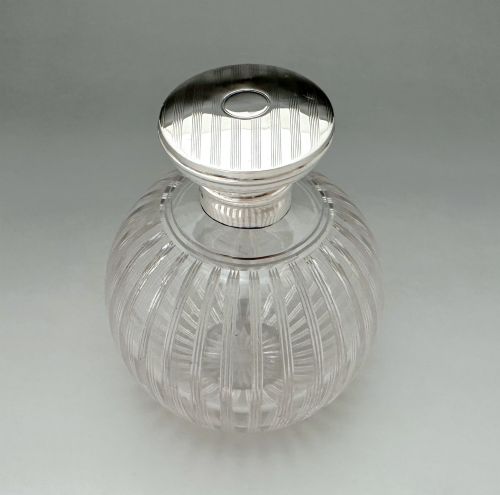
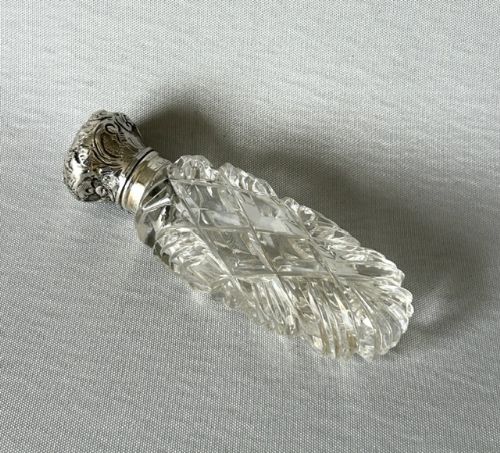
A crystal scent bottle silver object is typically designed for dressing table use, combining a heavy glass or crystal body with a fitted metal lid or collar. These vessels appear in forms ranging from tall decanting bottles to pocket-sized globes and teardrops.
The most common versions encountered on this page date from the Victorian, Edwardian, and Art Deco periods. They manifest as cut glass containers fitted with sterling silver, silver gilt, or enamel-topped mounts.
Makers and workshops across England and continental Europe produced these accessories in significant variety. Surviving examples include matching pairs, single vanity jars, and gentleman's cologne bottles secured with locks.
Manufacturing and Materials
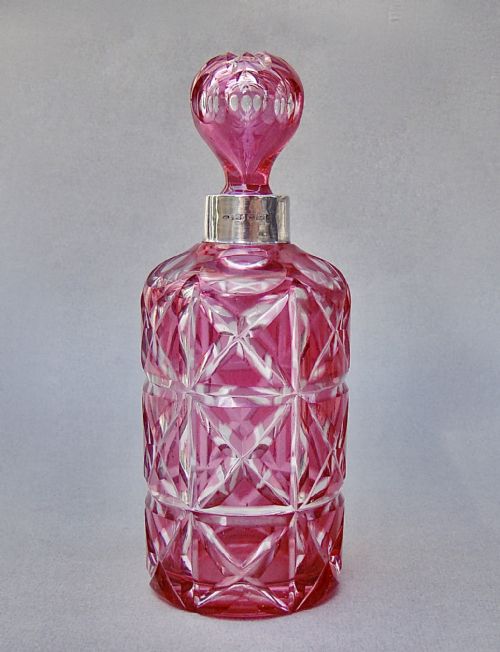
The glass bodies are formed through cutting, moulding, or overlay techniques, creating deep facets and reflective surfaces on clear, cranberry, green, or emerald crystal. Coloured glass varieties often utilise layered overlays that are hand-cut to reveal contrasting tones beneath.
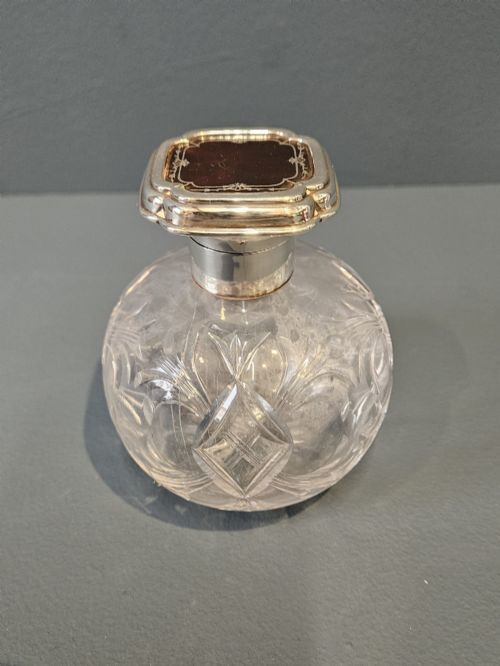
Mounts and lids employ sterling silver or silver gilt, frequently paired with tortoiseshell or guilloché enamel in blue, yellow, and white shades. Metal components are often stamped with hallmarks indicating Birmingham, Sheffield, or London assay offices alongside maker marks.
Listings feature cut crystal and glass bodies paired with sterling silver, enamel, and tortoiseshell across the Victorian, Edwardian, and Art Deco eras.
Quality Variations
Quality rests primarily on the depth and crispness of the glass cutting, the weight of the crystal body, and the structural integrity of the metal mount. Thickly cast crystal with sharp, clean facets distinguishes finer pieces from lighter, mass-produced alternatives.
The standard of decorative work on the lid creates further distinction. Enamelled panels showing engine-turned detailing, intact tortoiseshell inlays, and substantial hinged silver caps represent higher tiers of craftsmanship compared to plain, thin slip-on collars.
Harold Bushell & Co·Karl Palda·Barnsley & Co·George Unite·S. Morden & Co
The Crystal Scent Bottle Silver Glossary
- Guilloché enamel
- A decorative technique where a precise geometric pattern is機械-engraved into metal beneath a translucent layer of coloured enamel. This process adds depth and light reflection to vanity bottle lids.
- Sterling silver
- An alloy consisting of ninety-two point five percent silver by mass, with the remainder composed of copper or other metals. It serves as the primary material for the hinged caps and collars on these bottles.
- Overlay glass
- A method where a layer of coloured glass is fused over a clear crystal base before portions are cut away. This technique creates high-contrast decorative windows through the coloured surface.
- Hallmark
- A system of official marks stamped onto precious metal items in the United Kingdom. These marks indicate the maker, the assay office, and the year of testing.
- Engine turned
- A surface decoration applied by a specialised lathe that cuts intricate geometric designs into metal or enamel. It provides a textured finish resistant to everyday fingerprints.
Crystal Scent Bottle Silver: Frequently Asked Questions
How were these bottles used?
These vessels held perfumes, colognes, and volatile scent oils on dressing tables or inside travel cases. The tight-fitting silver mounts and ground glass stoppers prevented evaporation.
Gentlemen utilised secure cologne bottles featuring lockable mechanisms for travel. Ladies kept decorative vanity jars and pendant bottles for daily grooming routines.
How do I clean the interior?
Residue inside vintage crystal requires gentle treatment to preserve the interior glass surface. Warm water and soft bottle brushes without harsh abrasives usually suffice.
Submerging the entire bottle should be avoided if the piece contains a cork liner or glued tortoiseshell components. Moisture can weaken internal adhesives and discolour metal collars.
Are stoppers usually original?
Many surviving pieces retain their internal glass or crystal stoppers beneath the outer silver cap. Finding a matching stopper is an important indicator of completeness.
Replacement stoppers occur frequently due to breakage over long periods of use. Buyers examine the fit and glass matching to determine if the internal stopper belongs to the original manufacture.
How do I date these items?
Assay office hallmarks stamped on the silver mounts provide exact year letters for English pieces. These small punches identify the specific testing location and date of manufacture.
Stylistic indicators such as Art Deco geometric enamelling or heavy Victorian facet-cutting help narrow down unmarked continental examples. Comparing the mounting technique and glass colour to documented periods further confirms age.