



Crimson Turkmen Textile
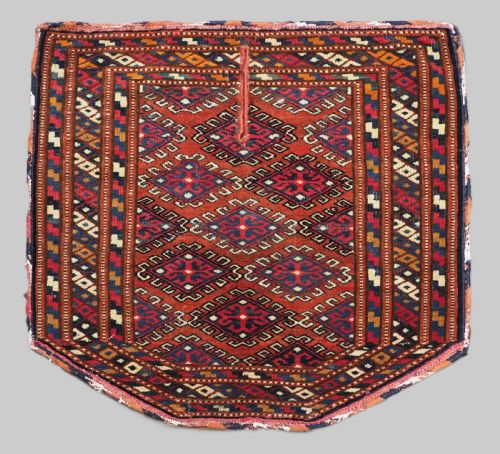
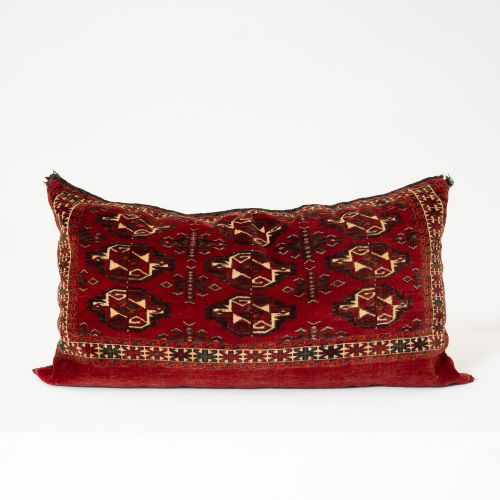
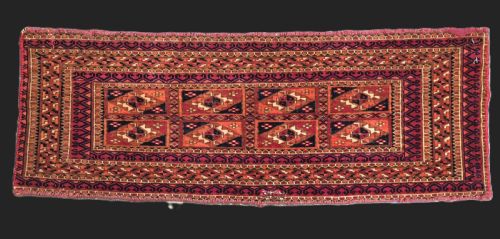
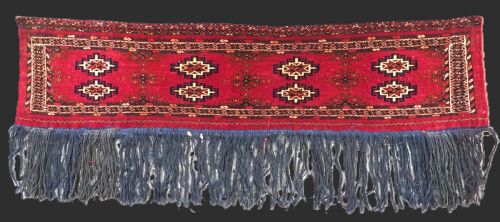
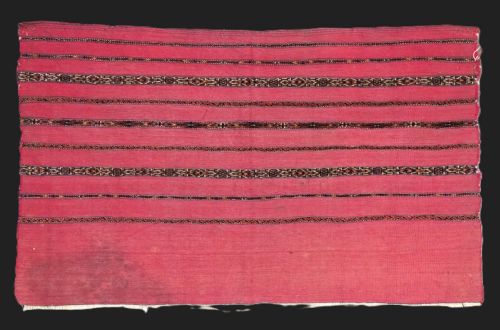
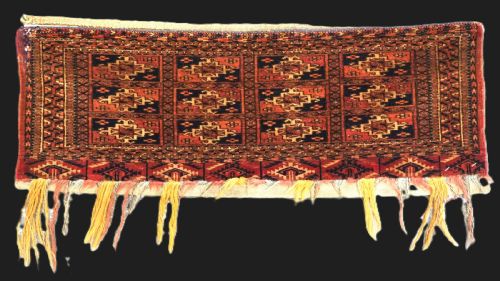
These crimson turkmen textile examples comprise tribal woven bags, chuvals and torbas crafted by Central Asian nomads from wool and natural dyes.
Crimson Turkmen Textile
A crimson turkmen textile represents the nomadic weaving traditions of Central Asia, specifically encompassing tribal items such as torbas, chuvals, and saddle covers. Buyers encounter numerous pieces produced by groups including the Tekke, Yomut, Saryk, and Ersari tribes across the nineteenth and early twentieth centuries.
The selection ranges from large storage bagfaces to smaller dowry pieces and fragments, reflecting utilitarian domestic and tent furnishings created across the Trans-Caspian steppes and various oases. Many examples exhibit classic guls, such as the Salor gul or 'aina gul' designs, structured in traditional banded or repeated medallion formats.
How They Were Made
Weavers utilised hand-spun wool combined with natural dyes to construct these dense pile textiles, often incorporating plain weave backs made from wool or linen. The manipulation of natural dyestuffs produced the characteristic deep red and crimson grounds seen across the tribal output.
Construction techniques involve fine knotting and precise geometric drafting, particularly visible in the detailed border bands and secondary motifs. Surviving pieces frequently retain original hanging loops, selvedges, or complete plain weave backing structures that demonstrate traditional nomadic assembly methods.
Listings span periods from the mid-eighteenth century to the early twentieth century, focusing on nineteenth-century tribal production.
What Varies in Quality
Knot density and structural fineness separate standard utility pieces from exceptional tribal examples, with very fine weaves demonstrating meticulous execution by the weaver. The clarity of the drawing within the primary guls and secondary ornaments indicates the skill and control applied during production.
The preservation of the pile alongside the vibrancy and variation of the natural crimson dyes significantly influences the visual impact of an item. Completeness also plays a role, as examples retaining their original plain weave backs or hanging loops offer a more intact representation of the original nomadic object.
The Crimson Turkmen Textile Glossary
- Torba
- A small Turkmen wall pocket or storage bag used within the yurt. These rectangular containers frequently served functional domestic purposes.
- Chuval
- A large Turkmen tent bag designed for bedding and household storage. They typically display multiple primary guls across the crimson field.
- Gul
- A primary medallion or repeated octagonal motif characteristic of Turkmen tribal weaving. These principal emblems often identify the specific tribe that produced the textile.
- Mafrash
- A trapezoidal or rectangular storage container panel used by nomadic tribes. These fragments and complete faces illustrate traditional Central Asian utilitarian formats.
- Elem
- The decorative lower panel of a Turkmen bag or rug located beneath the main field of guls. This secondary border often contains intricate minor motifs.
Crimson Turkmen Textile: Frequently Asked Questions
What is a turkmen torba?
A torba is a small storage bag or hanging pocket created by nomadic tribes in Central Asia for domestic organisation inside the tent.
These pieces were woven using hand-spun wool and natural dyes, frequently displaying traditional guls and geometric border designs.
How were chuval bags used?
Chuvals functioned as large storage sacks utilised by families to hold bedding, clothing, and household goods within the nomadic dwelling.
Their substantial size accommodated daily domestic requirements while showcasing the specific tribal patterns of makers such as the Tekke or Ersari.
What is a salor gul?
The Salor gul is a prominent octagonal medallion design adopted across various Turkmen tribal groups including the Tekke and Saryk.
Weavers repeated these primary motifs in rows across the crimson ground to create balanced and symbolic compositions.
How do you date antique turkmen textiles?
Dating relies on assessing material characteristics such as the use of early hand-spun wool, specific natural dye palettes, and structural fineness.
Many surviving examples date from the nineteenth century through the early twentieth century, reflecting traditional nomadic weaving methods of that era.