
Crested Mirror
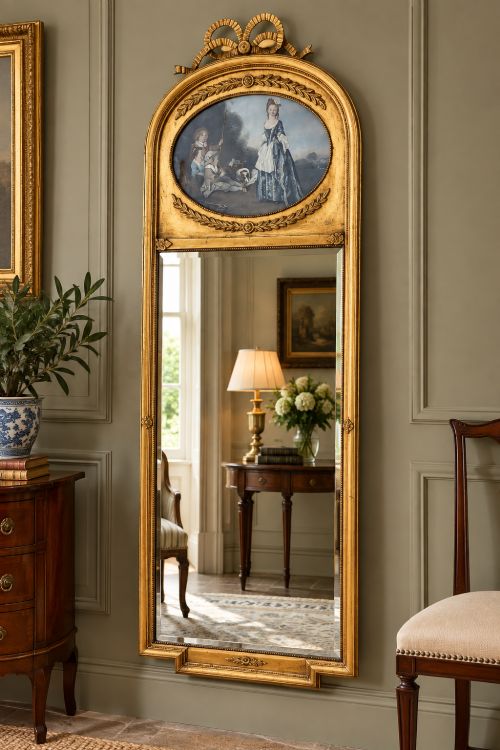
When you search for a crested antique mirror, you enter a world of giltwood and carved crests that anchor period rooms.
Crested Mirror
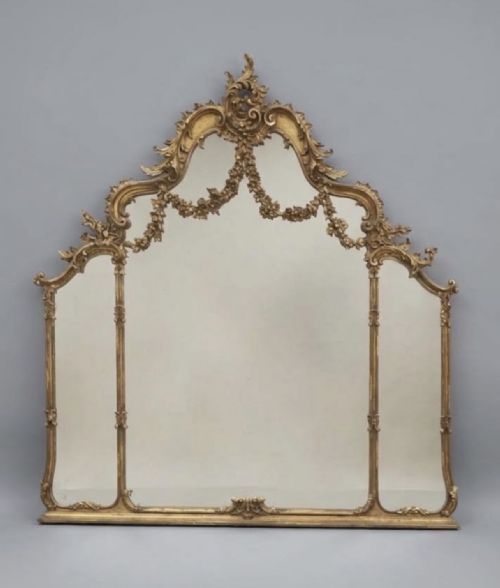
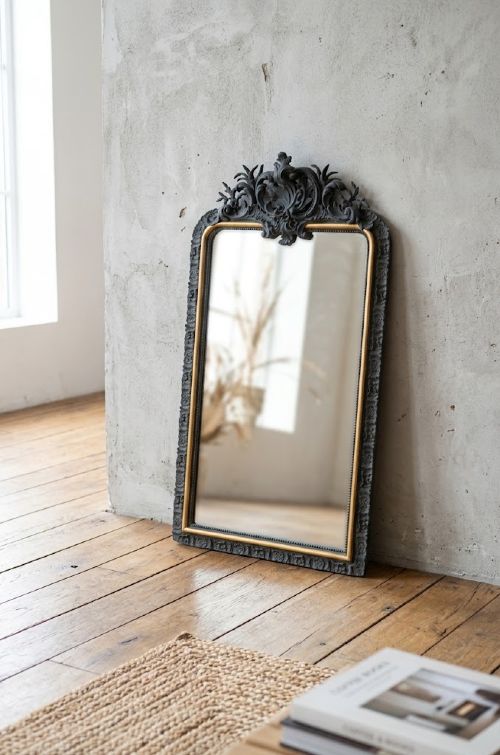
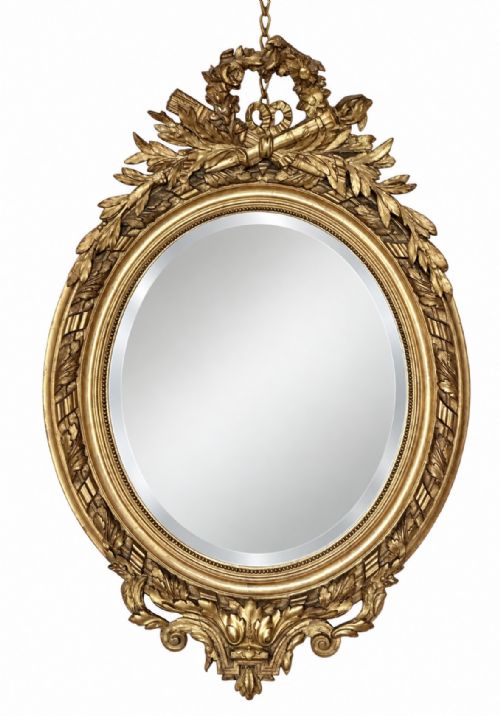
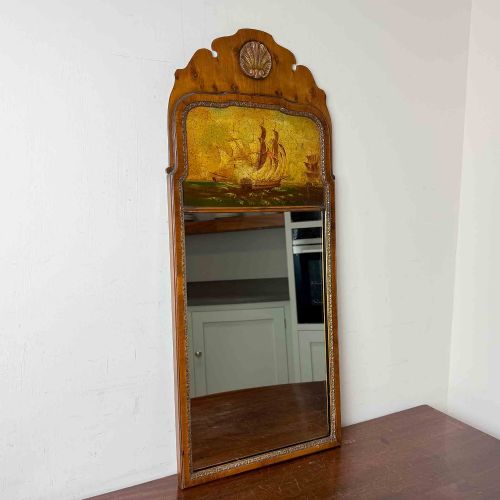
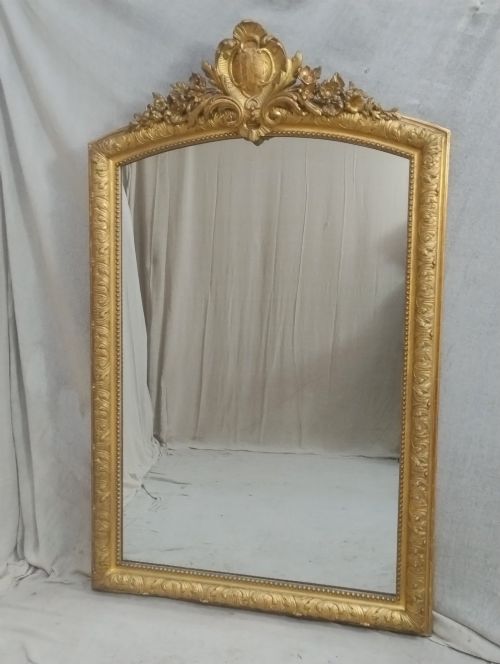
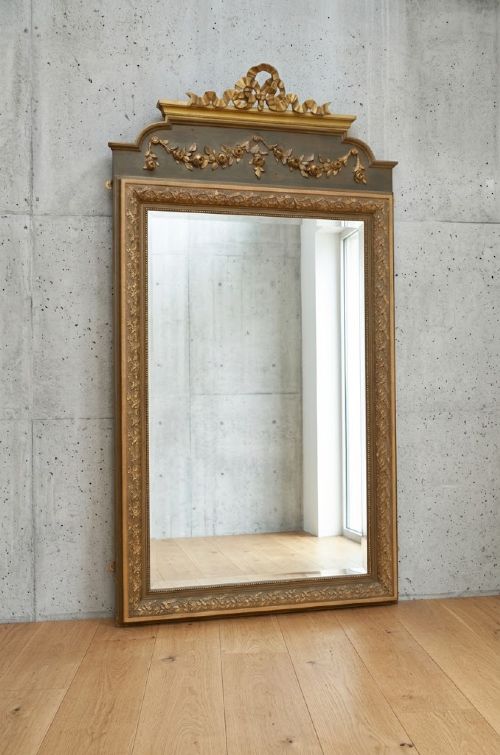
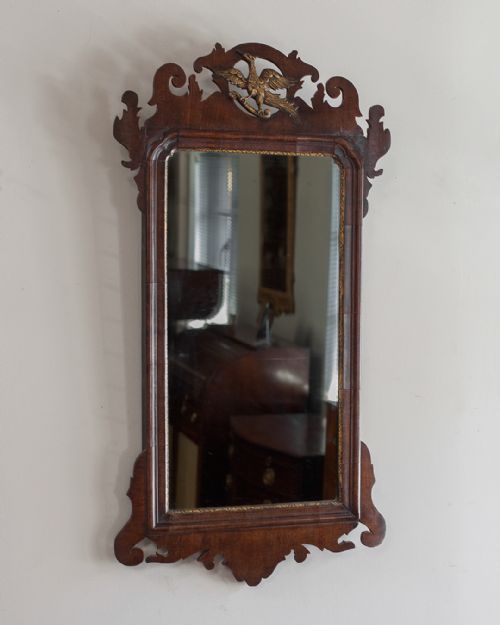
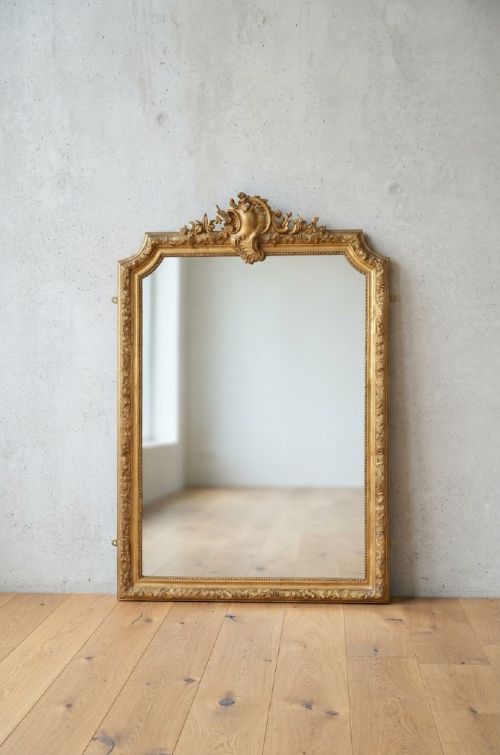
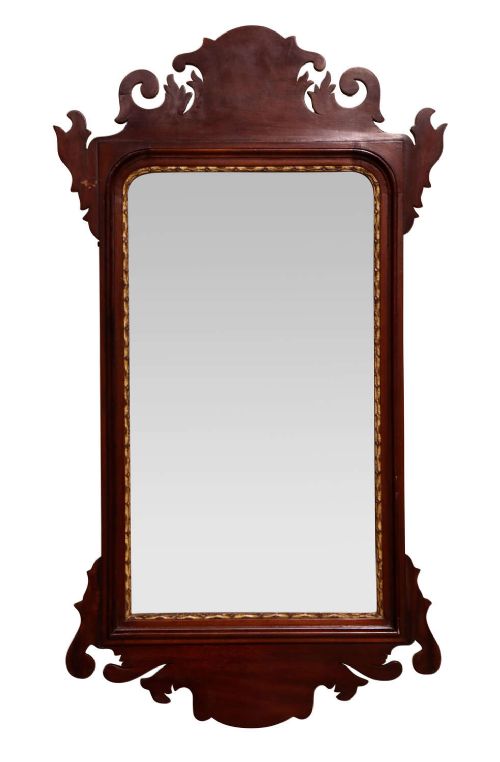
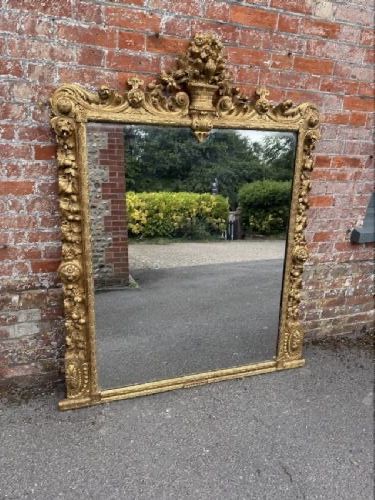
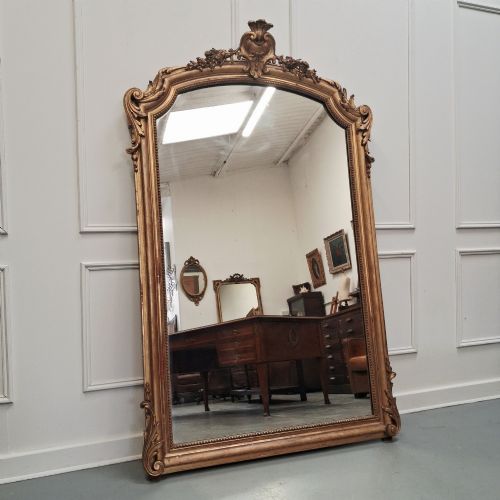
A crested antique mirror combines reflective glass with an elaborate top ornament, spanning wall, pier, and overmantel forms from the eighteenth and nineteenth centuries. You will frequently encounter French and English examples featuring carved wooden frames, gesso enrichments, and prominent crestings.
The phrase embraces styles from Georgian fretwork to Napoleon III chateau designs and Louis XV revivals. These pieces served to bounce light around formal reception rooms and anchor the space above mantelpieces.
How they were made
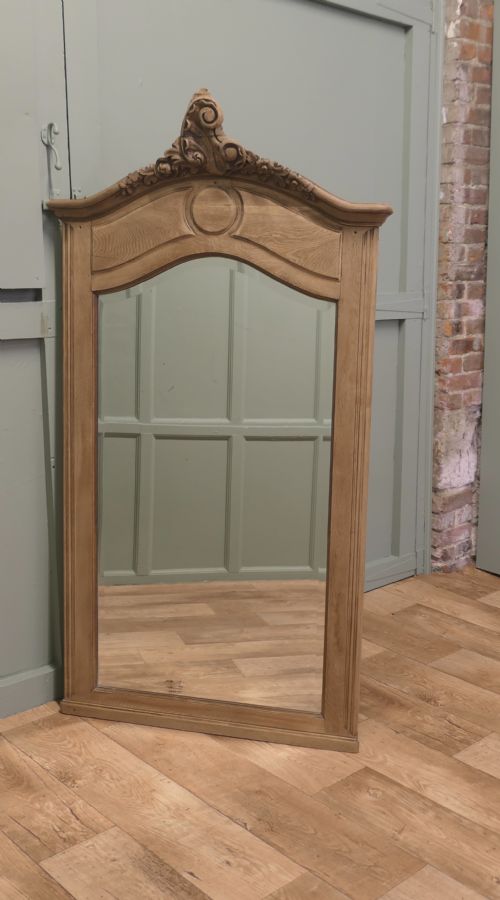
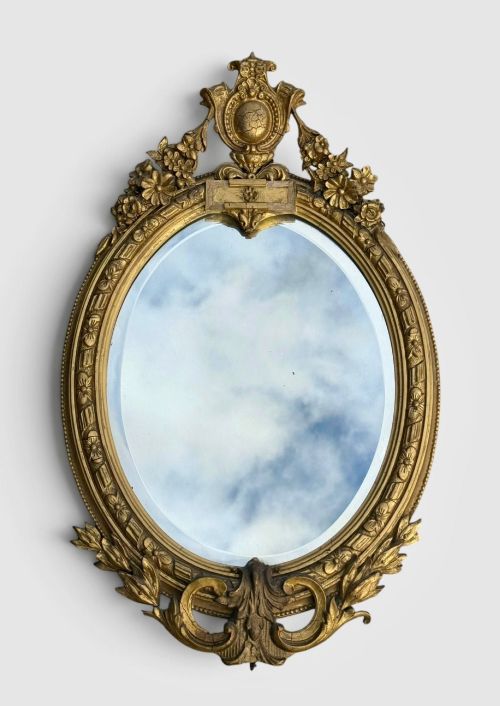
Makers shaped frames from solid mahogany, oak, or softwoods, applying layers of gesso to build up intricate surface ornamentation before gilding with gold leaf or painting. Carved wooden elements were joined to the main frame structure to form the distinctive crest at the top.
Mirror plates utilised early glass production methods, sometimes resulting in foxed mercury surfaces or bevelled edges held within rabbeted frame rebates.
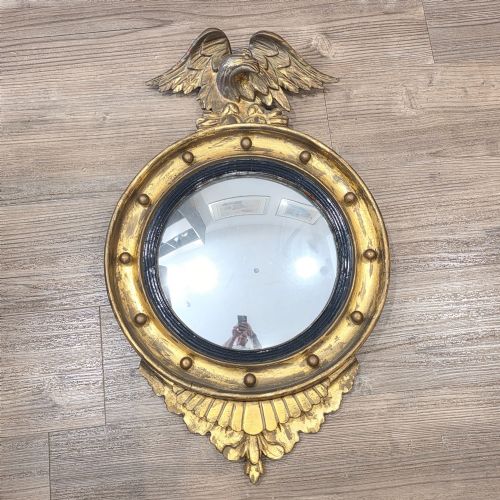
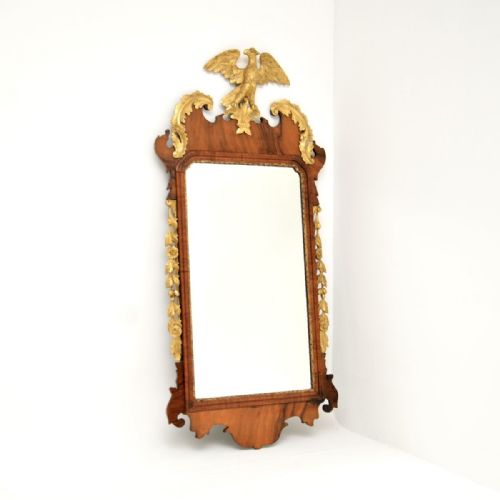
Several mirrors proudly wear a large spread eagle atop their frames, keeping a watchful eye over centuries of drawing-room gossip.
What varies in quality
The depth and crispness of the hand-carved wooden or gesso cresting define the upper tiers of quality. Finer examples retain their original gold leaf and untouched mirror plates rather than modern replacements.
Proportion and structural integrity matter, as heavy overmantel frames require robust internal framing to support the weight of the glass and crest.
The Crested Mirror Glossary
- Crest
- The ornamental carved feature at the top of a mirror frame. It often takes the form of ribbons, eagles, or floral motifs.
- Gesso
- A plaster-like mixture applied to wood frames to create a smooth surface for carving and gilding. It accepts fine detail work before leaf application.
- Overmantel Mirror
- A large mirror designed to sit directly upon a mantelpiece. These pieces frequently feature architectural framing to suit fireplace proportions.
- Pier Mirror
- A tall, narrow mirror made to hang on the wall space between windows. They often match console tables positioned below.
- Foxed Glass
- Mirror plate degradation where the silver backing has aged or oxidised. This creates characteristic dark spots and historical charm.
Crested Mirror: Frequently Asked Questions
Where should I hang an overmantel mirror?
Position your overmantel mirror directly above the fireplace mantelpiece to anchor the room's primary focal point. Ensure the width aligns well with the mantel shelf below for visual balance.
Secure the heavy frame firmly to wall studs using appropriate fixings, as these giltwood and gesso pieces carry significant weight.
How do I clean an antique mirror glass?
Use a soft, dry microfibre cloth to gently remove dust from the glass surface and the delicate gilded frame. Avoid harsh chemical cleaners that can damage historical silvering or painted finishes.
Keep moisture away from the edges of the mirror plate where the backing has deteriorated over the centuries.
What is the difference between pier and wall mirrors?
Pier mirrors are specifically proportioned to hang in the narrow wall space between two windows. They tend to be taller and narrower than standard wall mirrors.
Standard wall mirrors were designed for general placement across any room wall without architectural constraints.
How do I identify a Regency convex mirror?
Regency convex mirrors feature a round, outward-curving glass plate that offers a wide fish-eye reflection of the entire room. They typically include a heavy circular frame surmounted by an eagle or candle arms.
Look for eighteenth or early nineteenth century construction markers in the timber and backboards to confirm the period.