




Cream Upholstered Daybed
These cream upholstered daybeds bring historic elegance and versatile lounging to any room.

What a cream upholstered daybed is
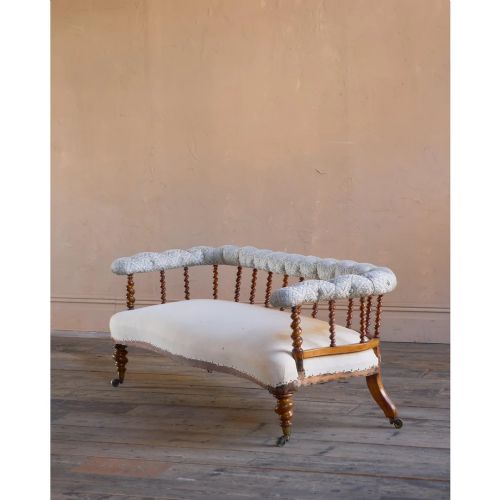
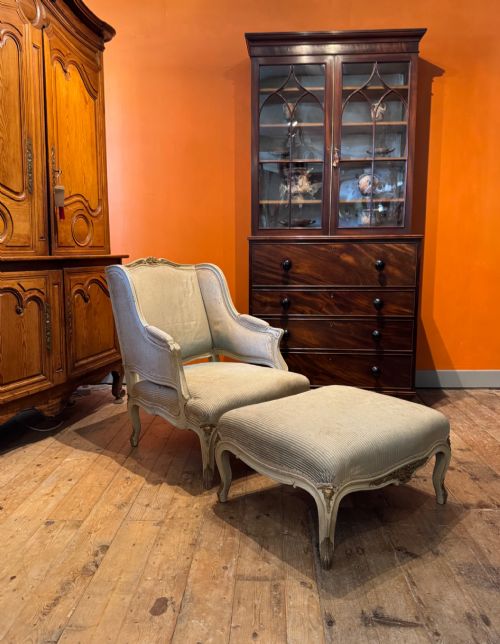
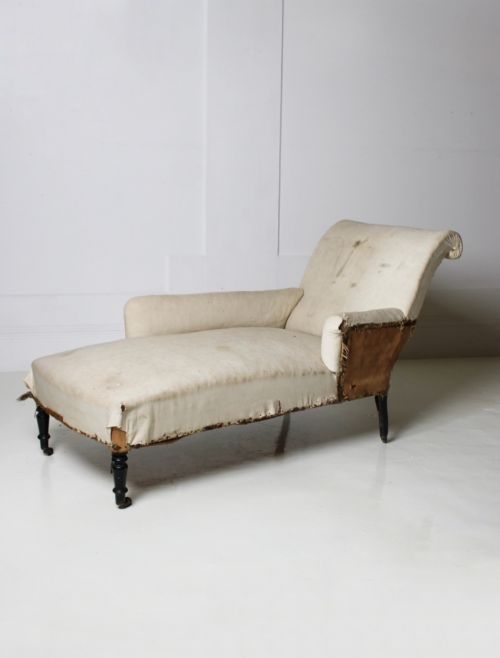
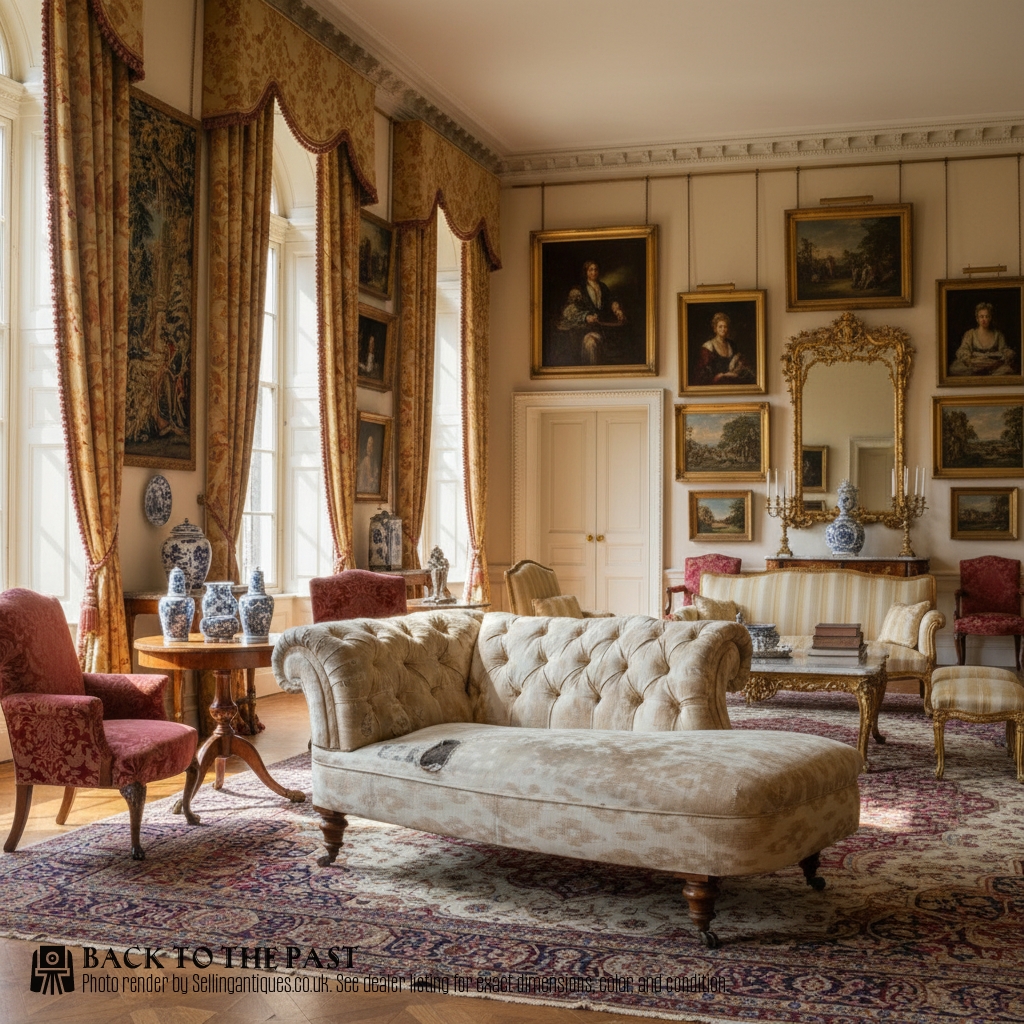
When you search for a cream upholstered daybed, you encounter a selection of historic seating forms including chaise longues, sofas, and day beds. These pieces span the Regency period, the nineteenth century, and the early twentieth century.
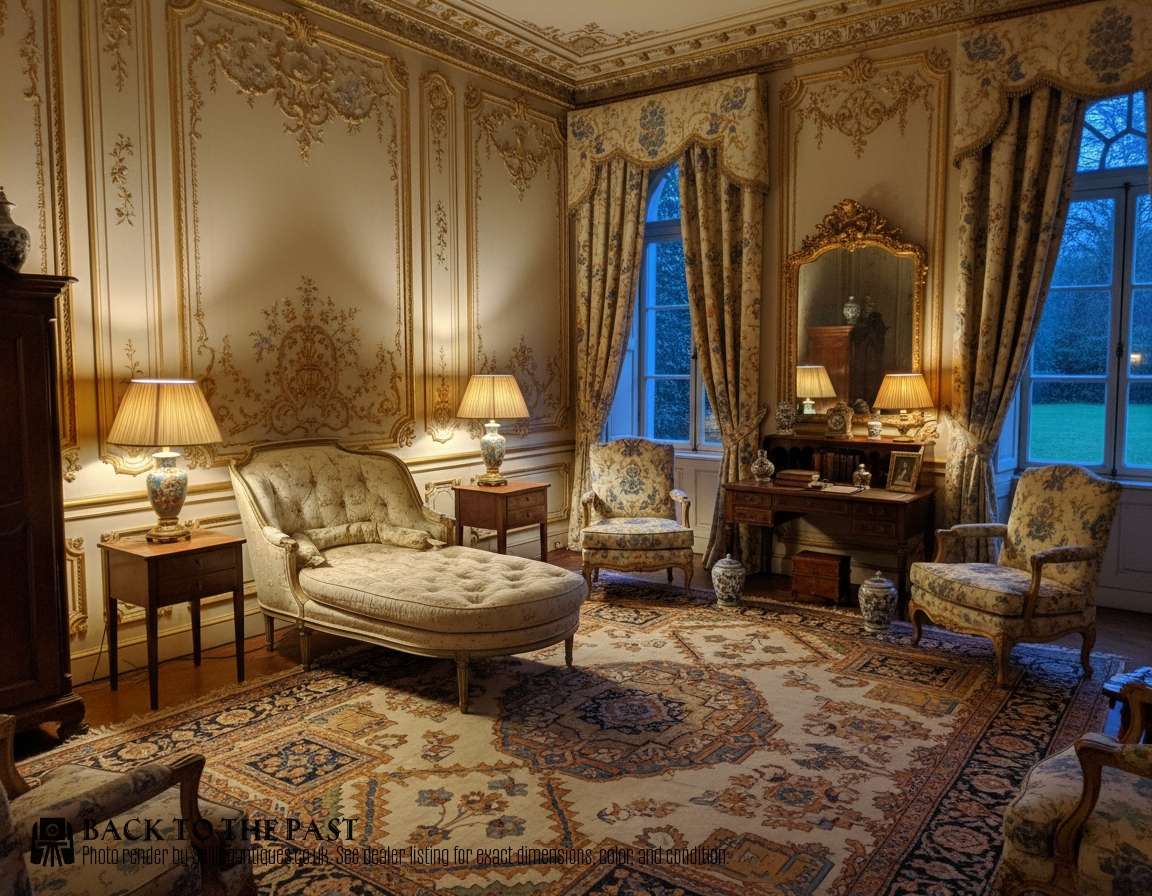
The items listed on this page showcase various historical design influences such as Victorian, Grand Regency, and Louis XVI Revival styles. Each piece combines traditional seating architecture with comfortable fabric upholstery.
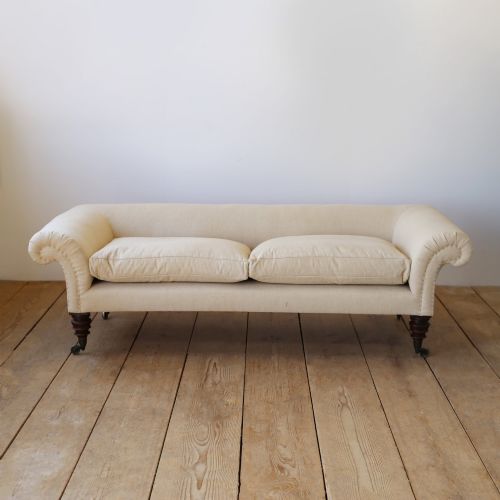
The most likely versions to meet here are nineteenth century mahogany scroll arm sofas, gilded day beds, and Chesterfield chaise longues. They offer extended seating designed for reclining in formal rooms.
How they were made
The structural framework of these pieces relies on timber, predominantly mahogany and giltwood, supplemented by brass details. Makers shaped these materials into scroll arms and scroll ends.
Upholstery relies on diverse fabrics, including general upholstery fabric and tapestry fabric. These textiles cover the sprung or padded surfaces of the daybeds and sofas.
Retail Price Guide 2026
Typical UK retail prices for cream upholstered daybed, calculated from the Sellingantiques database of over a million retail prices indexed since 2003. This retail price guide relies exclusively on Sellingantiques data; no external sources or auction records are used, so the figures do not describe the wider market.
The listings on this site span the Regency period, the 1850s, 1880, and 1900, using mahogany, timber, and giltwood.
What varies in quality
Quality reveals itself in the finesse of the timber framing and the execution of carved or gilt decoration. Finer examples display superior joinery and carefully shaped scroll ends that define the silhouette.
The choice of covering material and the precision of the upholstery work differentiate standard pieces from exceptional items. Gilt decoration and brass accents further distinguish the upper tier of these historic forms.
Jas Shoolbred
The Cream Upholstered Daybed Glossary
- Day bed
- A long seat designed for reclining, functioning as both a chair and a bed. These historic forms date across the nineteenth and early twentieth centuries.
- Chaise longue
- An upholstered sofa in the shape of a chair that is long enough to support the user's legs. Examples often feature scroll ends and rich timber frames.
- Scroll arm
- A curved armrest resembling a scroll, commonly seen on nineteenth century sofas and daybeds. This feature defines the profile of Regency and Victorian seating.
- Giltwood
- Wood that has been decorated with gold leaf or gold paint. This technique appears on decorative frames from revival styles.
- Chesterfield
- A traditional style of upholstered sofa or chaise longue. Historically associated with makers such as Jas Shoolbred.
Frequently Asked Questions
Where did people use a daybed historically?
Historically, daybeds occupied drawing rooms, antechambers, and bedrooms where residents rested during the day without retiring to a full bed.
They provided comfortable seating for reading or receiving visitors in a semi-formal setting.
How do I distinguish Regency from Victorian daybeds?
Regency pieces often display classical lines and mahogany framing influenced by earlier traditions. Victorian examples tend to introduce heavier proportions and more elaborate upholstery.
Looking at the scroll arms and timber tones helps clarify the specific period of manufacture.
Are these daybeds suitable for daily lounging?
These historic pieces accommodate gentle reclining and sitting just as they did in the nineteenth century. Their sturdy timber frames and padded upholstery support relaxed postures.
Placing them in a quiet corner allows you to utilise them much like an antique sofa.
What materials make up the frames?
The frames predominantly utilise mahogany, alongside other timbers and giltwood. Brass fittings occasionally appear on specific decorative styles.
These durable woods ensure the structural integrity of the scroll ends and legs.