


Cream Stone Figure
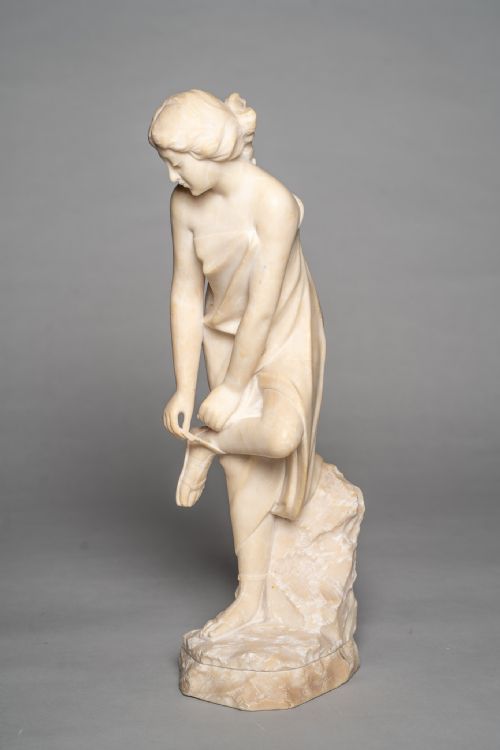
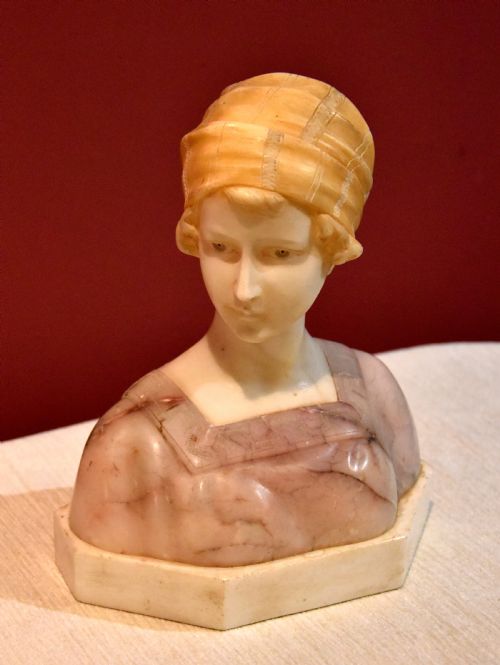
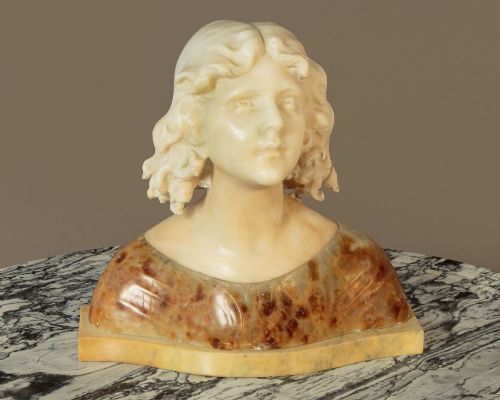
A cream stone figure brings tactile warmth and classical form into a room, offering sculptural presence carved from alabaster, soapstone, or marble.
Cream Stone Figure
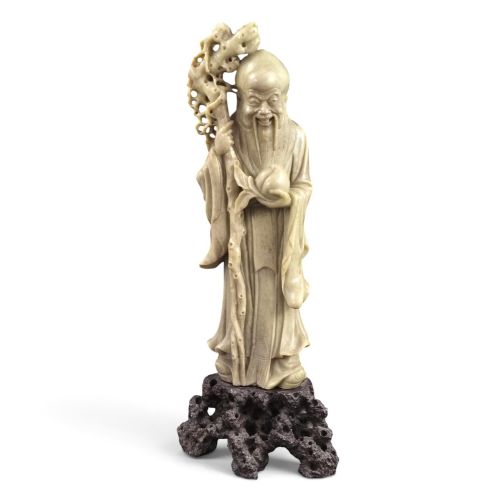
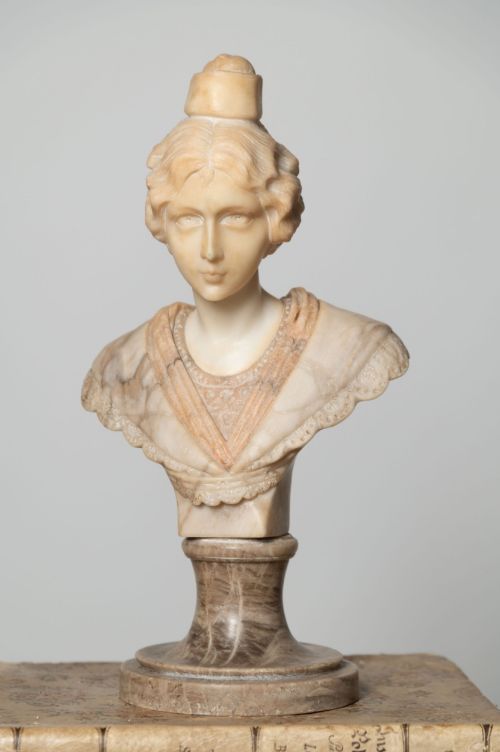
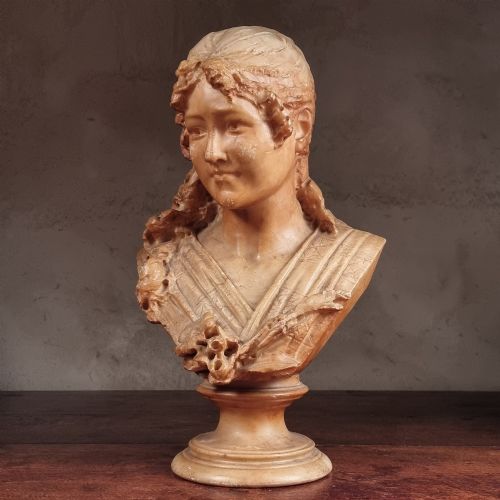
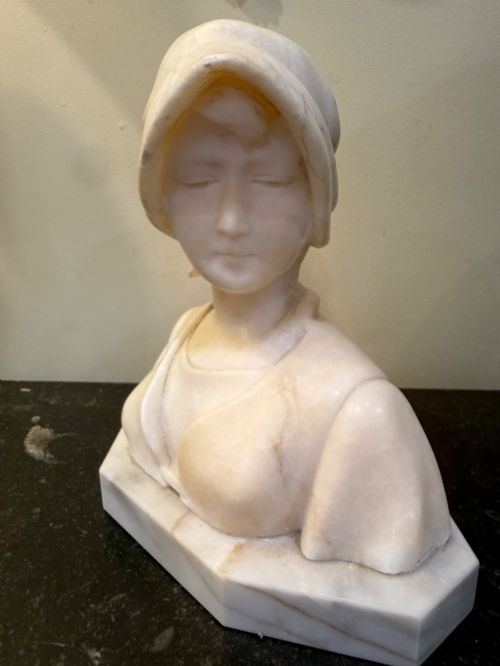
A cream stone figure primarily comprises carved alabaster, marble, soapstone, and hardstone sculptures originating from the nineteenth century and the early twentieth century. These pieces range from portrait busts and mythological figures like Hestia to Asian scholar's carvings, Chinese deities, and reclining Buddhas.
The version most commonly met on this page is the nineteenth century or turn of the twentieth century carved alabaster bust of a young woman or female subject, often reflecting French Classical, Art Nouveau, or Victorian styles. Italian workshops and French studios produced many of these polished female portraits and full-length statues.
Asian examples also appear within the selection, represented by Chinese soapstone figures of Shoulao, dragon and pearl scholarly carvings, and hardstone sage statues alongside Burmese white marble temple statues. These diverse origins mean a buyer encounters both European neoclassical portraiture and Eastern figurative carving under the same heading.
What varies in quality
The natural quality and consistency of the stone itself play a major role, with clean, unblemished alabaster and finely grained marble commanding greater appreciation. Signatures from recognised nineteenth and early twentieth century sculptors elevate the standing of a piece considerably.
Listings feature alabaster, marble, and soapstone across nineteenth century and early twentieth century periods.
A. Gamay·Auguste Henri Carli·Fritz Kochendorfer·Pugi·Gugielmo Pugi·Cipriani
The Cream Stone Figure Glossary
- Alabaster
- A fine-grained, soft stone with a smooth, translucent quality suited to detailed figurative carving. It readily absorbs polish to create a warm, cream finish.
- Soapstone
- A talc-schist stone that feels smooth to the touch and allows intricate undercut detailing. Chinese artisans frequently utilised it for scholarly and religious figures.
- Portrait Bust
- A sculptural representation of a person from the chest up. These pieces capture the likeness, hairstyle, and dress characteristic of their period.
- Hardstone
- A term for semi-precious stones harder than ordinary marble used for small carvings. These materials require specialised abrasive techniques to shape.
- Neoclassical
- A style inspired by the classical art of ancient Greece and Rome. It emphasises balance, dignity, and mythological subjects.
Cream Stone Figure: Frequently Asked Questions
What is a cream stone figure made of?
These sculptures are carved from natural minerals, predominantly alabaster, marble, soapstone, and hardstone. Each material possesses distinct weight and translucency.
Alabaster and white marble provide the pale cream tones most frequently seen in European portrait busts. Soapstone and hardstone account for the Asian figures and scholarly carvings in the selection.
Where were these figures made?
The pieces originate from various European and Asian centres of sculpture production during the nineteenth and early twentieth centuries. Italian and French workshops created many of the classical and Art Nouveau alabaster busts.
At the same time, Chinese and Burmese carvers produced the soapstone deities and marble temple statues. Each region utilised local stone traditions and established carving techniques.
How do I care for alabaster?
Alabaster is a relatively soft stone that dissolves in water and absorbs stains easily. Dusting should be done gently with a dry, soft cloth.
Keep these figures away from direct moisture and damp environments to protect the polished surface. Handling should be minimal to prevent natural skin oils from marking the stone.
How can I tell the period?
Dating relies on stylistic clues such as the hairstyle and clothing of portrait busts, alongside specific design movements like Art Nouveau or the Arts and Crafts style. Signatures or inscriptions carved into the base often point to active workshop dates.
The choice of subject matter, such as classical mythological figures or nineteenth-century dress, also helps anchor the piece in its era.