




Cream Satsuma Vase
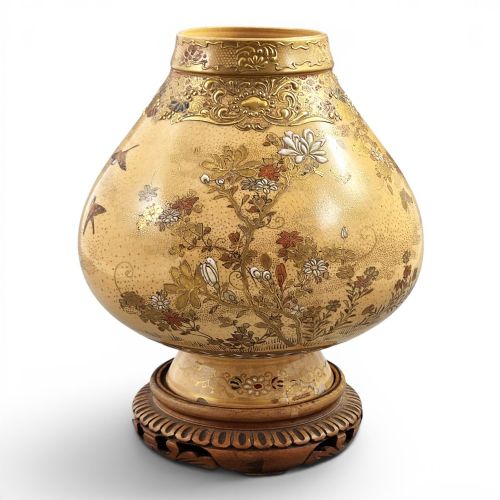
A cream satsuma vase brings subtle Japanese ceramic artistry and intricate polychrome enamel to a room, offering a quiet focal point for collectors of historic earthenware.
Cream Satsuma Vase
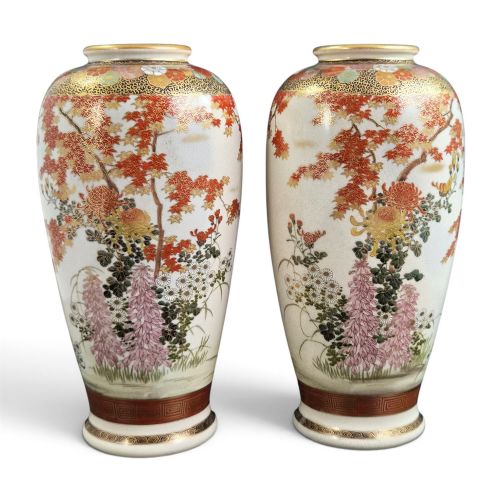
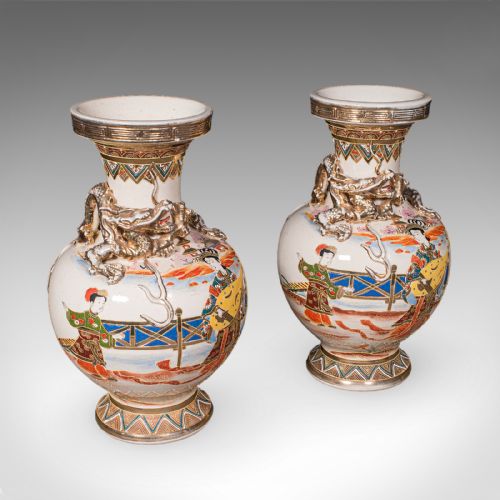
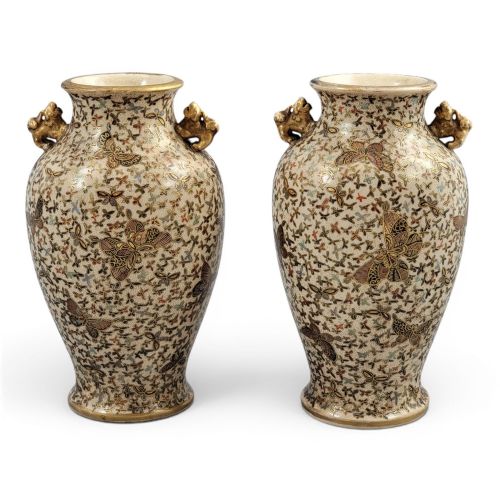
When you search for a cream satsuma vase, you are looking at earthenware vessels distinguished by their pale, finely cracked glaze and elaborate surface decoration. These pieces originate predominantly from the Meiji period through to the Taisho and early Showa periods, capturing a distinct era of Japanese ceramic export production.
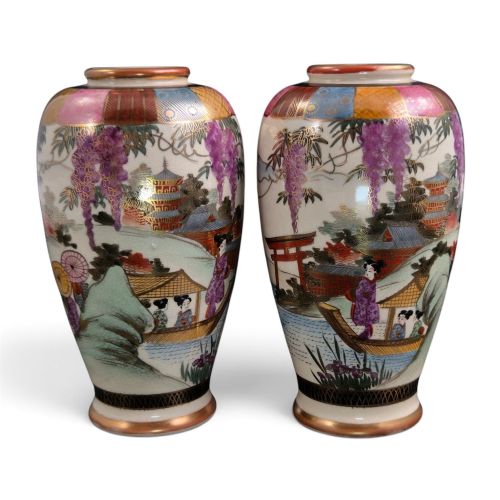
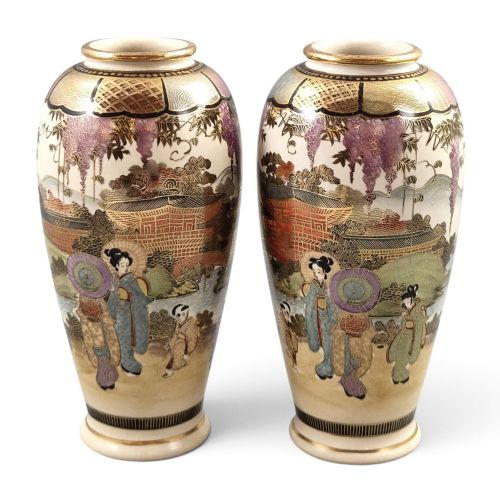
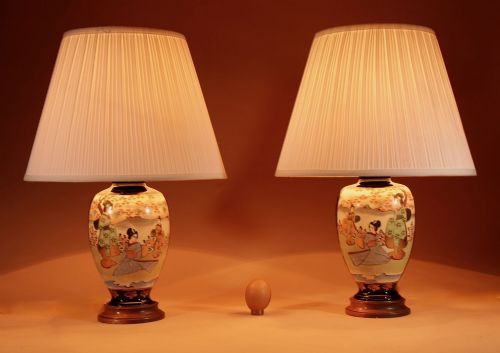
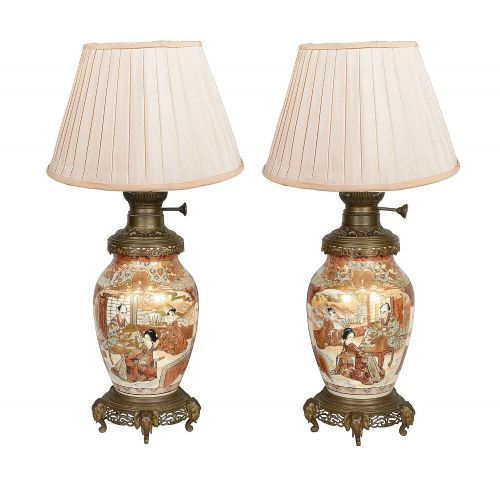
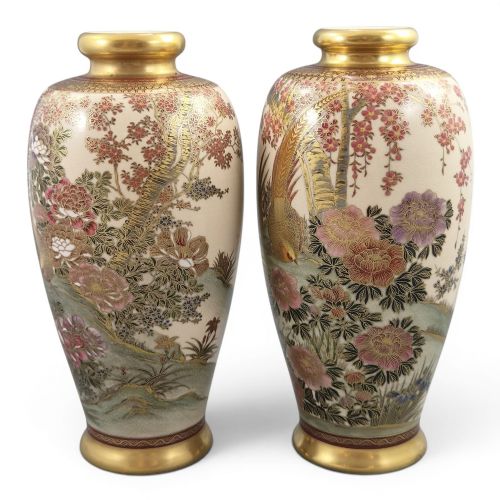
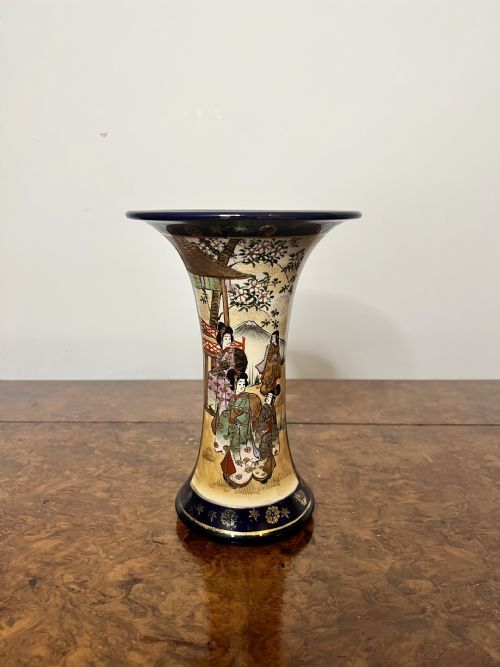
You are most likely to meet baluster-shaped vases, jars, and decorative pairs on this page, alongside occasional table lamps and incense burners. The forms span from miniature cabinet pieces up to monumental display items, often featuring traditional motifs such as wisteria, landscapes, butterflies, and figural processions.
How they were made
The foundation of each piece is an earthenware body finished with a distinctive cream-coloured glaze that develops a fine network of crackles across the surface. Artisans then applied intricate hand-painted designs using rich enamels and gold leaf.
Workshops utilised precise brushwork to depict detailed scenes of human figures, foliage, and animals, frequently incorporating signed artist marks or family crests directly into the ceramic base before final firing.
Listings feature earthenware vessels from the 19th century through to the 1920s, incorporating wood, brass, fabric, and enamel.
What varies in quality
The distinction between ordinary and exceptional examples rests upon the precision of the enamel work and the delicacy of the gilding. Superior pieces display crisp, highly detailed figural compositions and balanced botanical motifs rather than heavy or crowded brushwork.
The reputation of the workshop or artist also dictates standing, with documented signatures from prominent Kyoto makers commanding greater attention from collectors who value historical attribution.
Maruni Kobe·Shozan·Manpei·Kinkōzan·Kinzan·Hododa·Chosei·Shuzan·Seiko-en Chokei·Yamashu·Choshuzan·Hakusan·Tagawa·Tashiro·Hattori·Hayakawa
The Cream Satsuma Vase Glossary
- Meiji Period
- The era in Japanese history spanning from 1868 to 1912, known for a surge in decorative arts created for international export. Much of the finest earthenware on the market originates from these decades.
- Baluster
- A vase shape characterised by a rounded body that tapers toward the base and swells gracefully before rising to a narrow neck. This traditional form provides a balanced canvas for wrap-around landscape scenes.
- Koro
- A traditional Japanese incense burner typically supported on legs and fitted with a decorative pierced lid. These often feature sculptural elements such as guardian lions on the cover.
- Shimazu Mon
- The heraldic crest of the Shimazu clan, featuring a cross within a circle, frequently found on high-quality Satsuma wares associated with the Satsuma domain.
- Gilding
- The application of gold leaf or powdered gold paint to accentuate specific details of a design. On finer ceramics, this metallic enrichment highlights garments, borders, and floral patterns.
Cream Satsuma Vase: Frequently Asked Questions
What is a satsuma vase?
A satsuma vase is a type of Japanese earthenware featuring a distinctive ivory or cream-coloured crackled glaze decorated with detailed enamel and gold leaf.
Originating from the Satsuma province and later produced extensively in Kyoto and Kobe, these vessels are celebrated for their elaborate narrative and botanical scenes.
How can I date a satsuma vase?
Dating these pieces relies primarily on stylistic clues, historical periods such as the Meiji era, and specific artist signatures or workshop marks stamped on the base.
Earlier examples from the late nineteenth century tend to exhibit finer, more controlled brushwork and subtle gilding compared to later export pieces.
What are the common motifs on these vases?
Typical decorative themes include wisteria gardens, serene lake landscapes, butterflies, Mount Fuji, and processions of figures or deities.
Many designs incorporate traditional Japanese iconography alongside subtle floral borders that wrap completely around the ceramic body.
How do I care for antique satsuma ceramic?
These delicate earthenware pieces should be kept out of direct sunlight to protect the surface enamels and gold leaf from fading over time.
Dusting gently with a dry, soft cloth is sufficient for maintenance, avoiding any liquid cleaners or abrasive materials that might harm the antique glaze.