


Cream Porcelain Ornaments
Cream porcelain ornaments encompass ceramic figures and sculptures from the nineteenth and early twentieth centuries, offering detailed sculptural forms for interior display.
Cream Porcelain Ornaments
Cream porcelain ornaments comprise figures, decorative ewers, and sculptural groups originating primarily from Victorian and early twentieth-century makers. These pieces span British, continental European, and Japanese workshops, reflecting diverse aesthetic movements from Rococo revival to Art Nouveau.
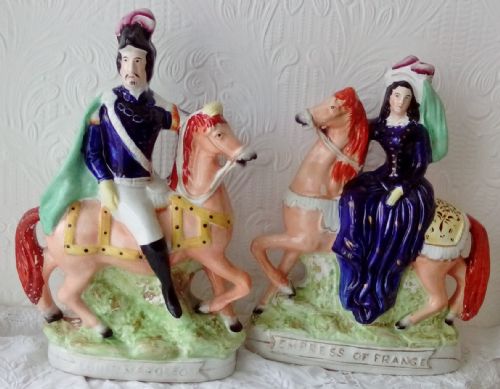
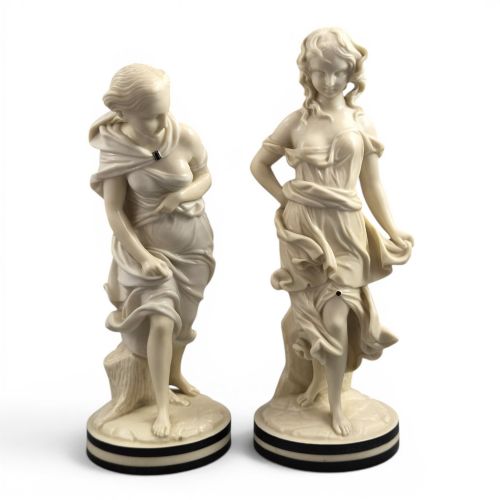
Figurines and decorative objects dominate the selections, ranging from classical maidens and historical figures to animal studies such as dogs and elephants. Collectors encounter works from established factories alongside uncredited nineteenth-century Staffordshire and Bohemian pieces.
The objects serve purely decorative functions, often modelled with considerable attention to costume, posture, and base ornamentation. The surviving inventory demonstrates how domestic display preferences evolved from mid-Victorian romanticism toward cleaner twentieth-century lines.
Materials and technique
The pieces utilise porcelain, parian ware, earthenware, and bisque, often finished with delicate glaze, enamel, or gold leaf applications. Soft-paste and hard-paste porcelain bodies provide the smooth foundation required for fine modelling.
Modelling and casting techniques allow for intricate details in drapery, hair, and facial expressions, executed by skilled sculptors and painters. Many figures incorporate tinted blush grounds or gilt highlights to accentuate the sculptural contours.
Listings feature periods spanning from the eighteenth-century Georgian era through Victorian, Edwardian, and Art Deco phases.
Judging quality
The employment of subsidiary materials such as gold leaf and original glass domes indicates the original status of the piece. Well-preserved painted surfaces and clear factory marks distinguish masterworks from standard commercial output.
Royal Worcester·Royal Dux·Volkstedt Richard Eckert·James Hadley
The Cream Porcelain Ornaments Glossary
- Parian ware
- An unglazed biscuit porcelain resembling marble, developed in the nineteenth century for classical sculptures and figures. It derives its name from Paros, the Greek island famous for white marble.
- Bisque
- Biscuit-fired porcelain left unglazed with a matte, porous surface. It captures fine sculptural detail effectively without the softening effect of a glossy glaze.
- Okimono
- A Japanese freestanding carved ornament intended for display in a traditional interior setting. These figures often depict deities, historical figures, or animals with high craftsmanship.
- Ewer
- A large jug with a wide spout and elaborate handle, produced as a decorative object rather than for practical use. Victorian examples often feature painted landscape or floral motifs.
- Soft-paste
- An artificial porcelain composition fired at lower temperatures than hard-paste, producing a warmer body texture. Eighteenth and nineteenth-century factories utilised this material for decorative figures.
Cream Porcelain Ornaments: Frequently Asked Questions
How do I clean cream porcelain ornaments?
Dust these decorative objects gently with a soft, dry brush to prevent accumulation in crevices and delicate painted areas. Avoid submerging unglazed parian ware or bisque pieces in water.
For glazed surfaces, a damp cloth with mild soap suffices if done sparingly. Ensure pieces dry thoroughly before returning them to display.
What is parian ware?
Parian ware is a type of unglazed white porcelain designed to imitate carved marble. Victorian manufacturers used it extensively for classical figures and animal sculptures.
The material has a matte, fine-grained texture that highlights intricate modelling without the distraction of a shiny glaze.
How do I date these figures?
Dating relies on factory marks, registration numbers, and stylistic markers such as Victorian drapery or Art Nouveau curves. Base stamps and impressed numbers often correspond to specific production years.
Comparing costume details and modelling styles with documented factory catalogues helps narrow the period of manufacture.
Where were these ornaments displayed?
Victorian households placed these figures on mantelpieces, occasional tables, and inside glass cabinets to protect them from dust. Large pairs frequently stood on pedestals or flanking furniture.
Edwardian and later interiors continued the tradition of decorative placement, occasionally pairing figures with protective glass domes.