

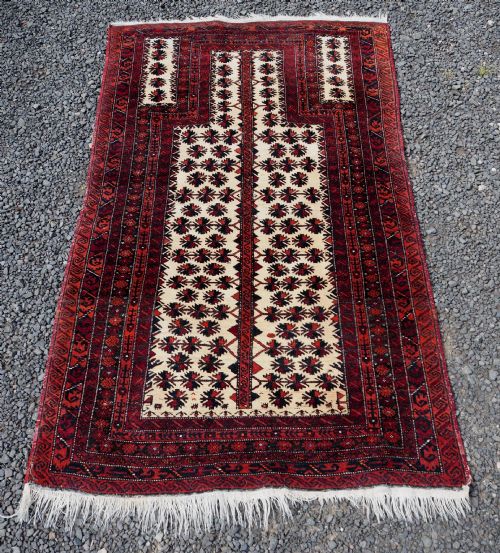
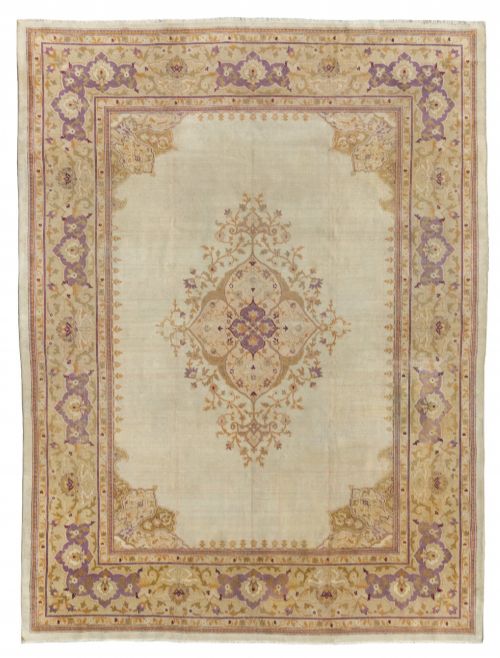
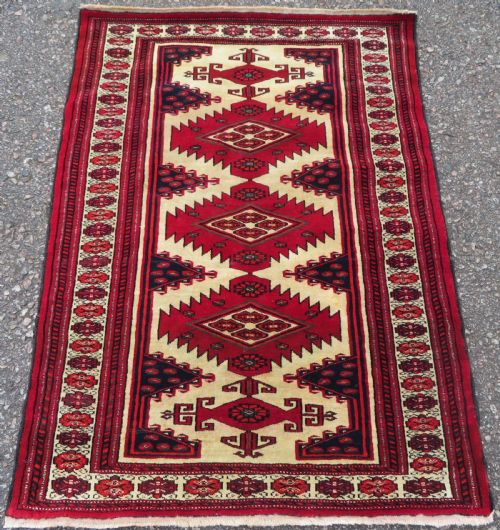
Cream Hand Knotted Rug
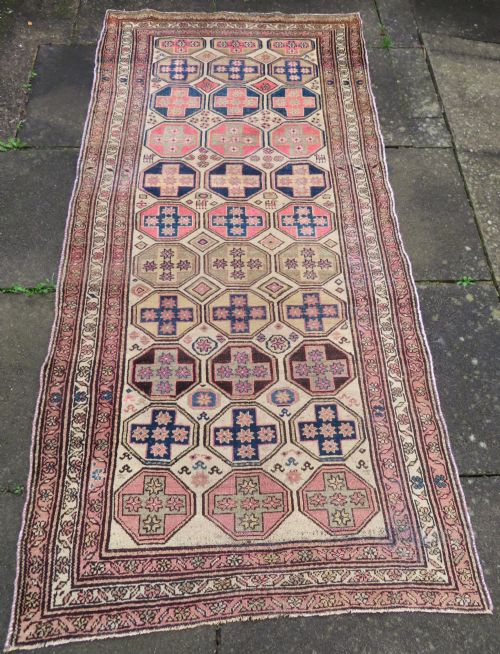
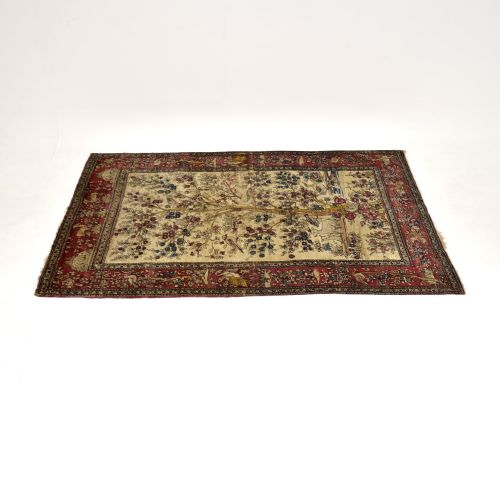
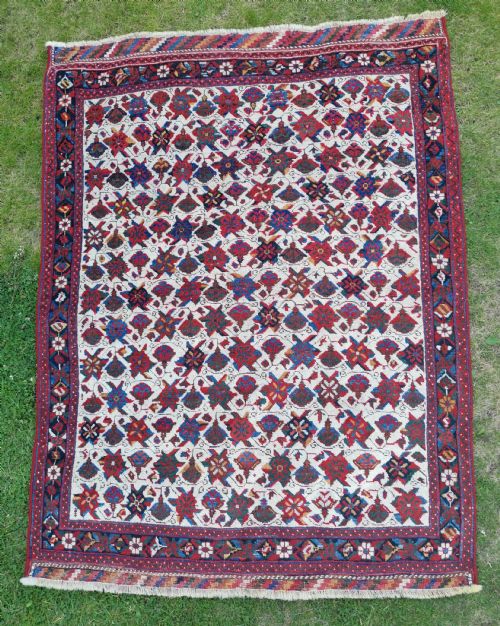
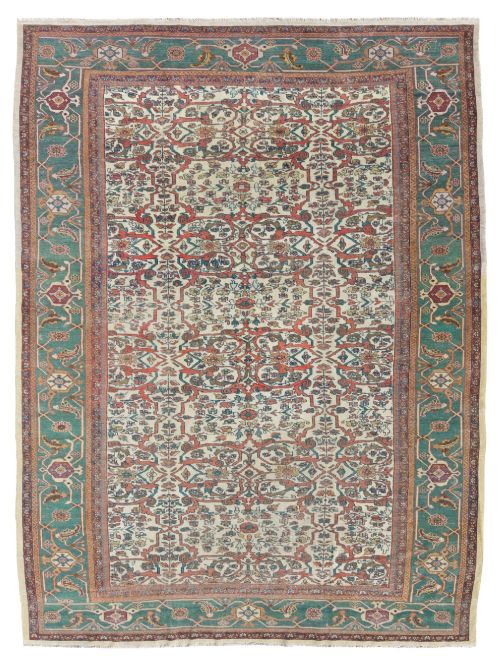
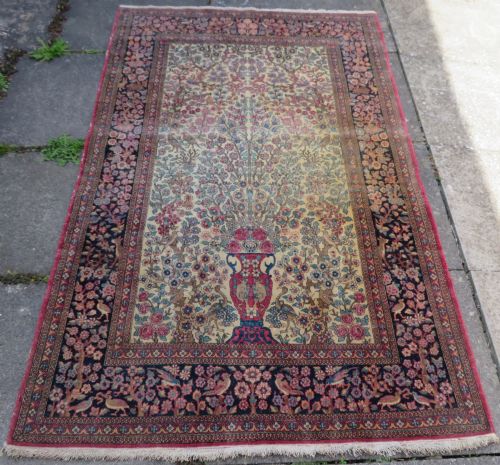
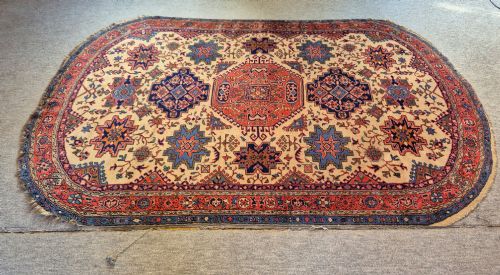
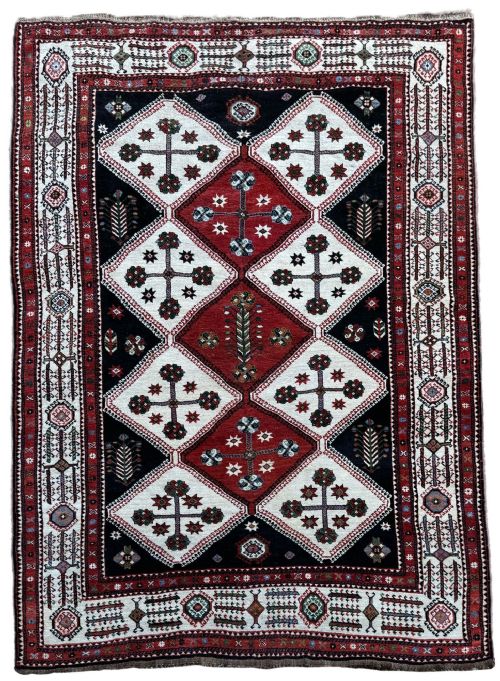
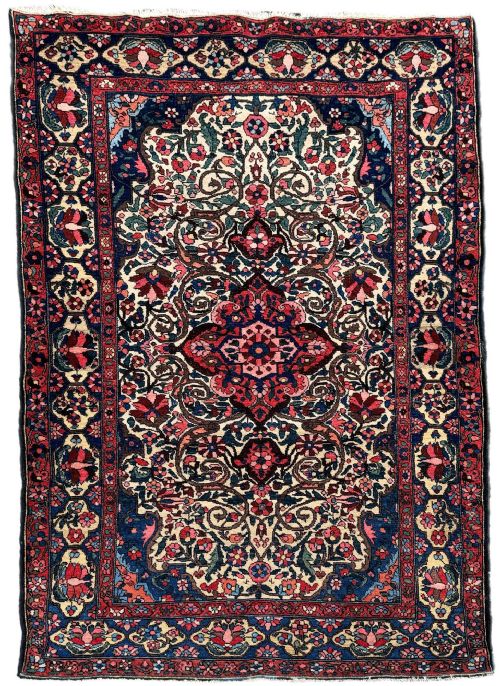
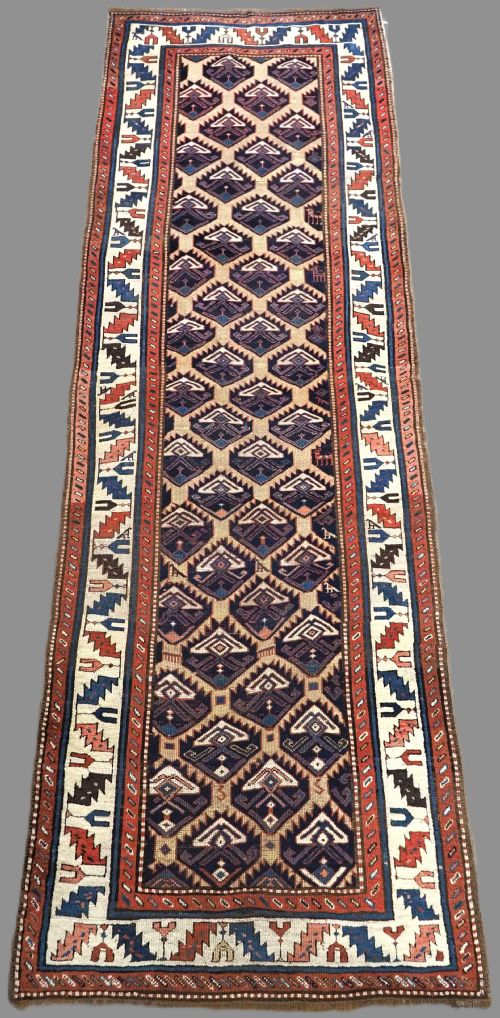
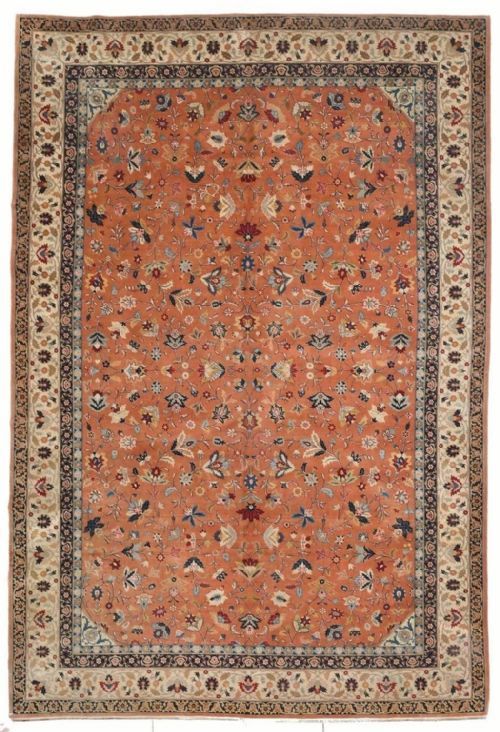
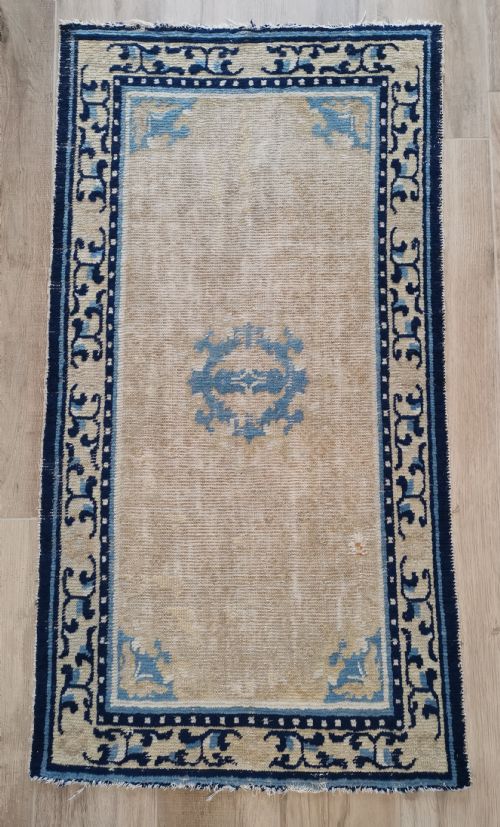
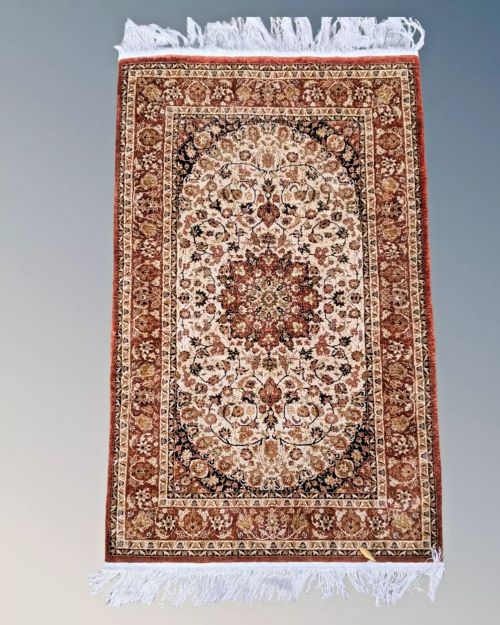
These cream hand knotted rug pieces bring enduring texture and traditional Persian or tribal patterns into a room.
Cream Hand Knotted Rug
A cream hand knotted rug sits at the intersection of traditional weaving artistry and practical floor covering, drawing on centuries of regional design. When you search for this phrase, you find pieces originating from Persian, Turkish, and Caucasian workshops and tribes, dating from the nineteenth and early twentieth centuries.
The selection encompasses diverse regional formats, ranging from small prayer rugs and village runners to large room-size carpets. Village weaves like Bakhtiar, Afshar, and Kurdish examples appear alongside city pieces from Tabriz, Kirman, and Isfahan.
Most examples rely on wool pile knotted onto cotton or wool foundations, though occasional silk pieces exist. The prevalent palette utilises ivory, cream, and soft neutral grounds accented by deeper madder red, indigo, and earth tones.
Distinctions in quality
Knot density and structural tightness dictate the fineness of the work, with city carpets generally displaying higher precision than coarser tribal nomadic pieces. The regularity of the weave and the suppleness of the foundation reveal the weaver's control and the quality of the materials selected.
The complexity and execution of the design, from well-drawn floral vases to spirited tribal lattices, separate standard utility pieces from master workshops. Colour balance and the harmonious ageing of natural dye lots further define the standing of an individual carpet.
Regional origins represented include Persian styles like Tabriz, Kirman, Heriz, and Bakhtiar, alongside Caucasian and Turkish examples.
Benlian
The Cream Hand Knotted Rug Glossary
- Pile
- The vertical or slanted yarn surface of a rug formed by the cut ends of knots. This is the soft part you walk upon.
- Warp
- The stationary longitudinal threads stretched parallel on the loom before weaving begins. Weavers tie the knots directly around these foundational strands.
- Weft
- The horizontal threads passed alternately over and under the warp threads between rows of knots to bind the structure together. It provides stability to the finished fabric.
- Prayer rug
- A small format rug featuring a mihrab or niche design historically used for daily devotion. The niche is oriented toward Mecca during use.
- Medallion
- A symmetrical central ornamental design motif placed in the middle of the rug field. It forms the focal point of many Persian and regional compositions.
Cream Hand Knotted Rug: Frequently Asked Questions
Can I place these rugs in high traffic areas?
Many sturdy village and tribal carpets handled heavy daily use well due to resilient wool construction and tight knotting. Placing a quality underlay beneath the rug prevents slipping and reduces fibre friction against hard flooring.
Delicate silk or very fine city carpets benefit from placement in lower traffic zones like bedrooms or studies to preserve their fine pile. Evaluating the density of the weave helps determine appropriate placement for each individual piece.
How do I identify a tribal rug from a city rug?
Tribal rugs typically display geometric motifs, asymmetric abrash colour variations, and coarser, heavier structures woven by nomadic groups. Their designs reflect generational folklore and local materials rather than rigid cartoon patterns.
City rugs generally exhibit refined floral curves, precise symmetry, higher knot counts, and sophisticated medallion layouts created in organised urban workshops. These pieces utilised professional designers and standardised looms to achieve formal elegance.
What is abrash?
Abrash refers to the subtle horizontal variations in colour shade across the field of a rug, caused by shifts in dye batches or hand-spun wool lots. This natural characteristic occurs organically as dyers prepared new vats of vegetable dye during production.
Rather than a fault, connoisseurs view abrash as a mark of authenticity and handmade charm that proves the use of natural dyeing methods. It adds depth and visual movement to the neutral cream grounds and patterned borders.