



Bakhtiar Wool Carpet
A bakhtiar wool carpet brings enduring tribal warmth and intricate Persian artistry straight to your floor.
Bakhtiar Wool Carpet
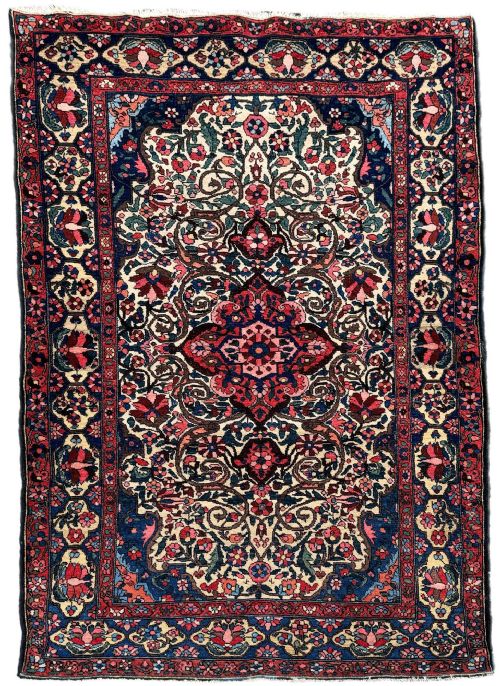
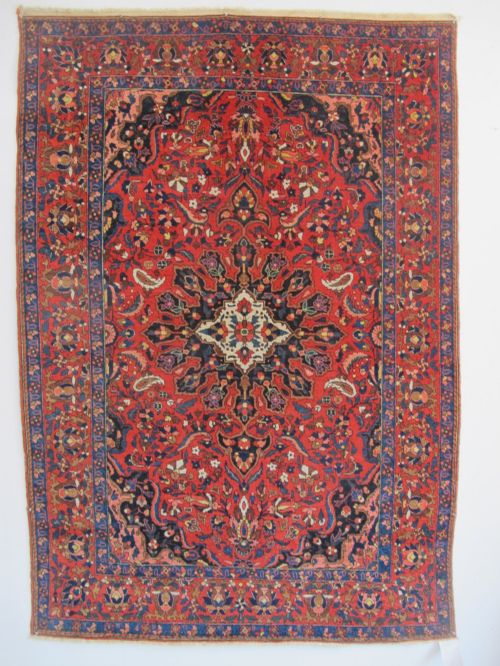
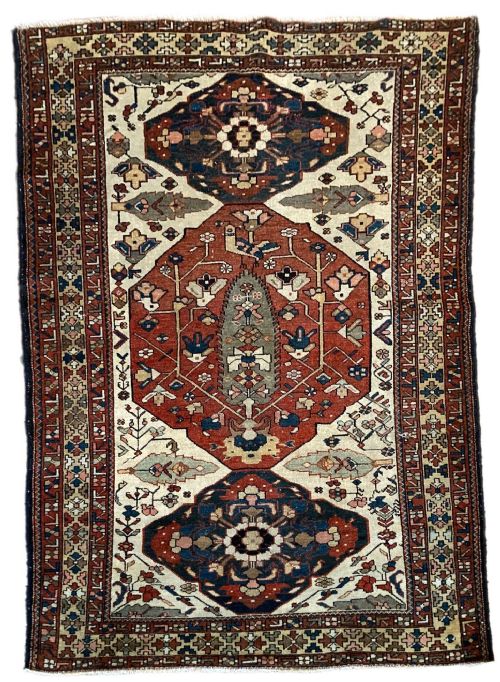
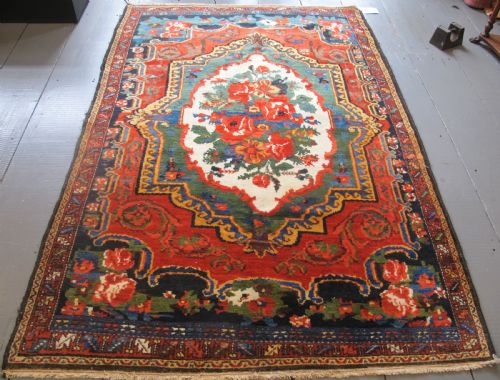
A bakhtiar wool carpet represents a distinct tradition of Persian weaving, typically appearing in formats such as rugs, larger carpets, and runner rugs. These pieces originate from the late nineteenth and early twentieth centuries, spanning the 1890s through to the 1920s.
These floor coverings reflect the stylistic heritage of Persian tribal artisans. Each piece combines functional utility with historic decorative patterns derived from traditional workshops.
How they were made
These floor coverings are constructed primarily from natural wool and cotton. Artisans utilised wool for the soft, durable pile whilst employing cotton for the structural foundation.
The traditional weaving techniques rely on hand-knotted construction methods passed down through generations. This combination of materials and manual craft ensures the resilience seen in antique Persian specimens.
Every listed piece utilises wool and cotton, originating from the decades between 1890 and 1920.
What varies in quality
Quality differences emerge in the fineness of the knotting and the crispness of the traditional Persian patterns. Tighter knots allow for sharper delineation of design motifs across the surface.
The handling of the wool pile dictates the tactile feel and longevity of each piece. Superior examples display even wear and a supple drape derived from quality natural materials.
The Bakhtiar Wool Carpet Glossary
- Pile
- The upright yarn loops that form the usable surface of the carpet. This layer absorbs foot traffic and displays the woven design.
- Foundation
- The underlying grid of warp and weft threads that supports the knotted pile. Cotton is commonly utilised for this structural framework.
- Runner
- A long, narrow format of carpet suited for hallways and corridors. These pieces balance length with a restrained width.
- Warp
- The stationary vertical threads stretched upon the loom before weaving begins. The pile knots are tied around these foundational elements.
Bakhtiar Wool Carpet: Frequently Asked Questions
Where were these carpets made?
These pieces originate from Persia, reflecting the rich weaving heritage of the region.
The items on this page span the late nineteenth and early twentieth centuries, specifically between 1890 and 1920.
How do I choose the right size?
Consider the proportions of your room and whether you need a compact area rug or a larger carpet format.
Runners are specifically suited for hallways, whilst smaller rugs fit well in intimate seating areas.
What materials are used?
The construction relies on natural wool for the soft pile and cotton for the underlying structural foundation.
These traditional materials contribute to the lasting durability of antique Persian examples.
How should I care for an antique rug?
Vacuum gently without a rotating brush roll to protect the wool pile from unnecessary friction and damage.
Rotate the piece periodically to ensure even exposure to foot traffic and natural light.