




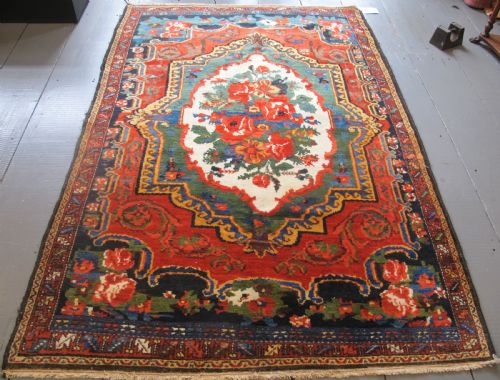
Hand Woven Bakhtiari Carpet
These hand woven bakhtiari carpet pieces are durable Persian tribal textiles offering rich geometric and floral designs for traditional interiors.
Hand Woven Bakhtiari Carpet
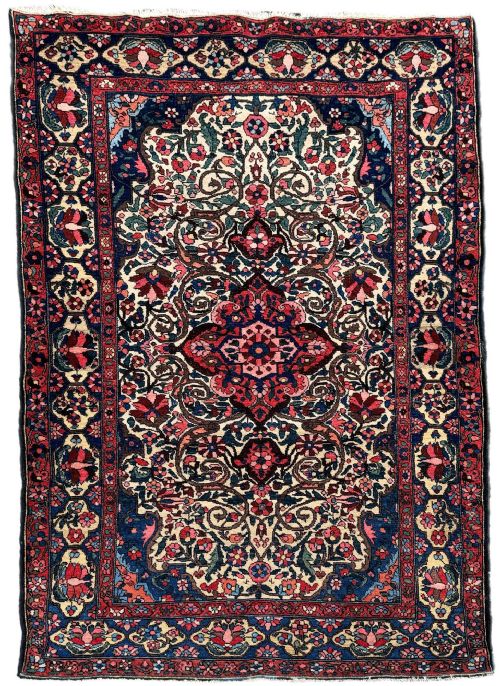
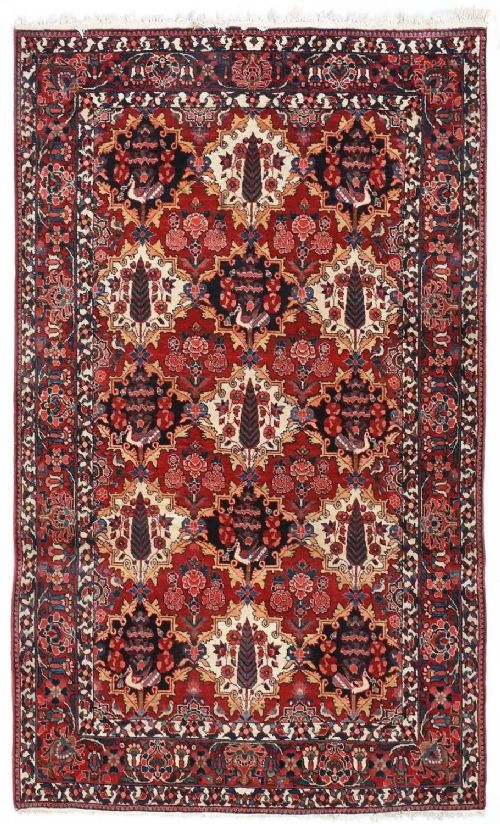
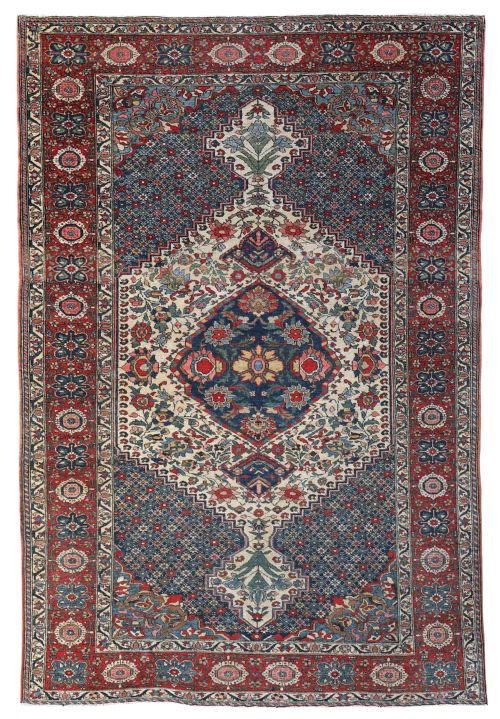
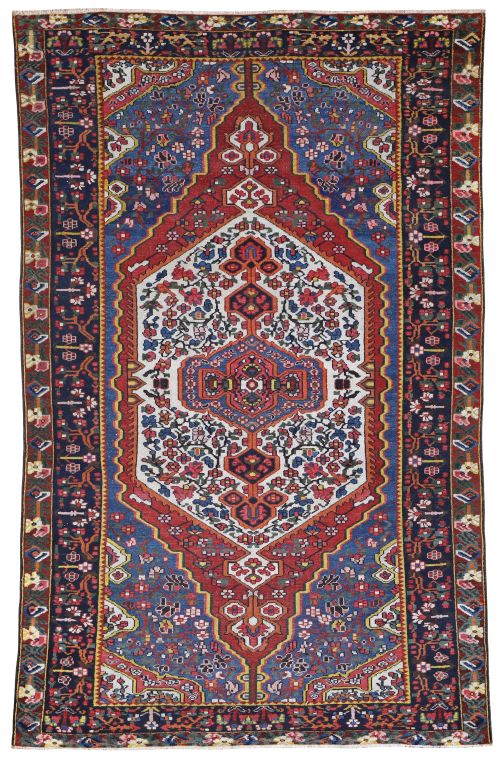
When you search for a hand woven bakhtiari carpet, you are looking at resilient tribal and village floor coverings originating from the Bakhtiari region of Persia. The selection spans distinct forms including traditional area rugs, large carpets, runners, and saddle bags produced across several decades.
You are most likely to meet pieces dating from the late nineteenth century through to the 1930s. These examples showcase classic Persian tribal artistry, often featuring structured garden layouts or prominent floral medallions woven into the field.
How they were made
The construction relies on sturdy wool pile knotted onto cotton foundations to create dense and resilient floor coverings designed for daily use. Weavers utilised natural dyes to achieve deep and enduring colour palettes across the tribal and village workshops.
The weaving traditions combine nomadic geometric motifs with structured Persian floral designs. Each piece reflects the specific hand knotting techniques passed down through generations in the Bakhtiari region.
Some items began life as humble camel saddle bags before finding a second career as decorative floor art.
What varies in quality
The visual strength of a hand woven bakhtiari carpet depends upon the complexity of the design, such as intricate garden compartments or balanced floral medallions. Finer knot density and precise execution of tribal motifs separate the standard village work from superior examples.
The depth and vibrancy of the natural dyes significantly influence the overall character of the piece. Well preserved pile condition and balanced proportions across larger formats also elevate the standing of individual carpets.
The Hand Woven Bakhtiari Carpet Glossary
- Medallion
- A central ornamental design motif placed in the middle of the carpet field. It is frequently seen in floral rug layouts.
- Runner
- A long and narrow format of carpet suited for hallways or corridors. These pieces measure significantly longer than their width.
- Saddle bag
- A utilitarian textile woven in pairs for carrying possessions on animals. Only halves or fragments survive in many historical examples.
- Natural dye
- Colourants derived from plants, roots, and minerals rather than synthetic chemicals. They produce rich tones that age gracefully over time.
- Pile
- The upright yarn loops forming the soft surface of the carpet. The wool pile absorbs wear and protects the foundation structure underneath.
Hand Woven Bakhtiari Carpet: Frequently Asked Questions
How do I clean a hand woven bakhtiari carpet?
Regular gentle vacuuming without a beater bar removes surface dust and protects the wool pile. Professional specialist cleaning is recommended for deeper maintenance to preserve the natural dyes.
Avoid harsh chemical treatments or excessive water immersion. Proper care ensures the textile remains stable for daily domestic use.
Where were these carpets originally made?
These textiles were produced by tribal and village weavers in the Bakhtiari region of Persia. The communities combined nomadic influences with settled Persian design traditions.
Different villages within the region developed distinct preferences for garden compartments and floral medallions. This local variation creates the diverse patterns seen in historical examples.
Are these carpets suitable for heavy foot traffic?
The dense wool construction and sturdy cotton foundations make these floor coverings exceptionally durable. They handle regular walking in living spaces and hallways while maintaining their structural integrity.
Placing a quality underlay beneath the rug prevents slipping and reduces friction against hard floors. This simple addition extends the working life of the textile.
How do I date an antique bakhtiari carpet?
Dating relies on examining the specific wool characteristics, dye palettes, and structural weave details. Pieces from the nineteenth century often display subtle variations in natural colouration and softer hand-spun wool.
Comparing the design motifs against documented tribal styles helps narrow down the production era. Structural indicators such as selvedge construction also provide clues to the period of origin.