

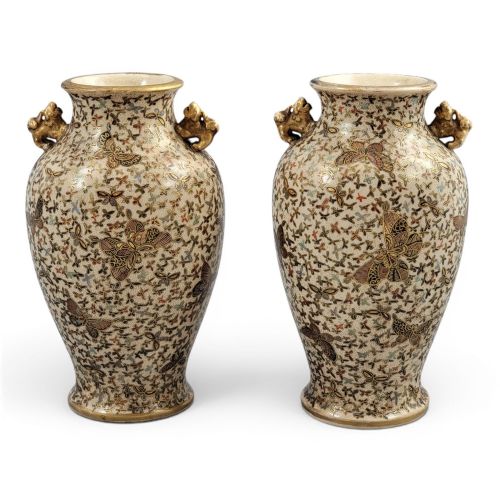


Cream Glazed Urn
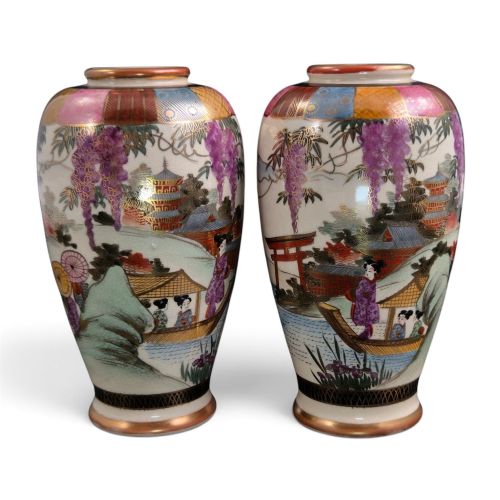
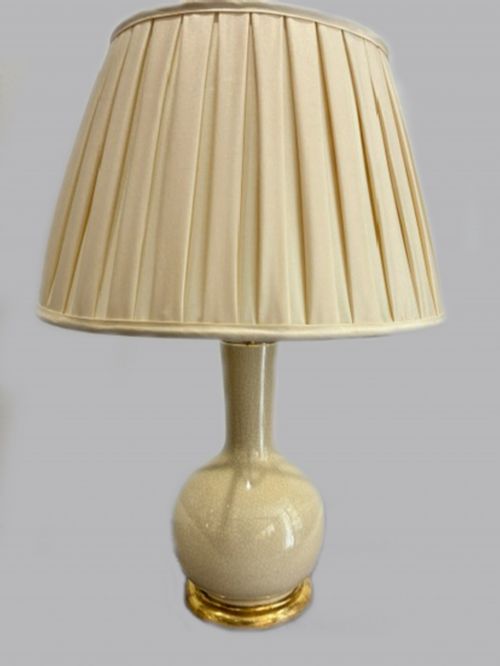
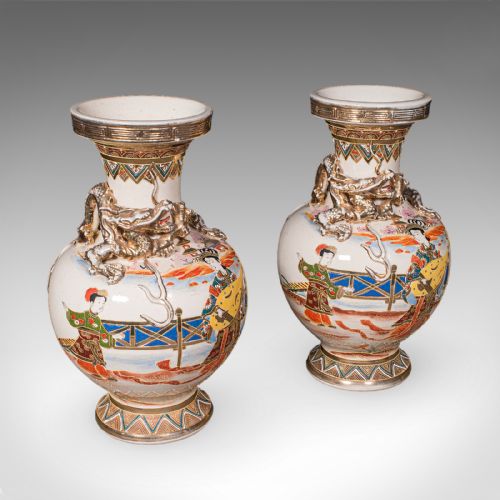
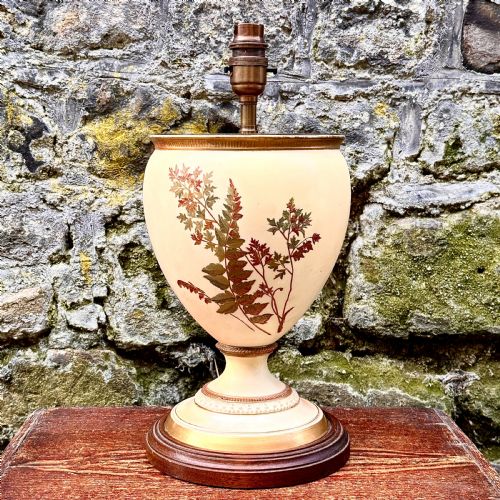
These cream glazed urn pieces bring classic ceramic form and subtle glaze work into a room.
Cream Glazed Urn
A cream glazed urn provides a subtle focal point in a room, drawing the eye with its soft neutral tones and classic proportions. When searching for a cream glazed urn, buyers encounter various forms ranging from traditional garden pieces to refined table vessels.
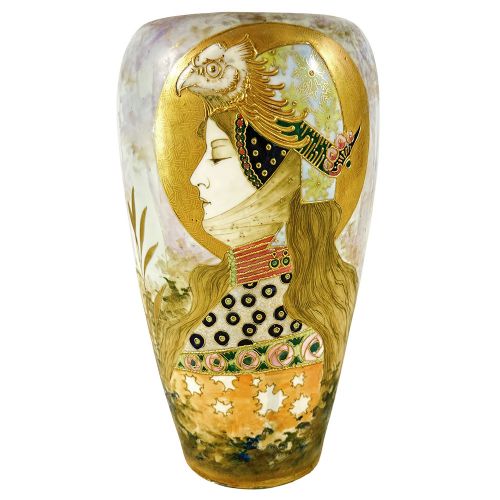
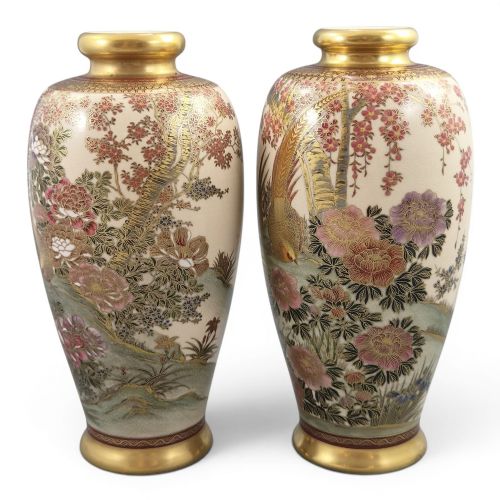
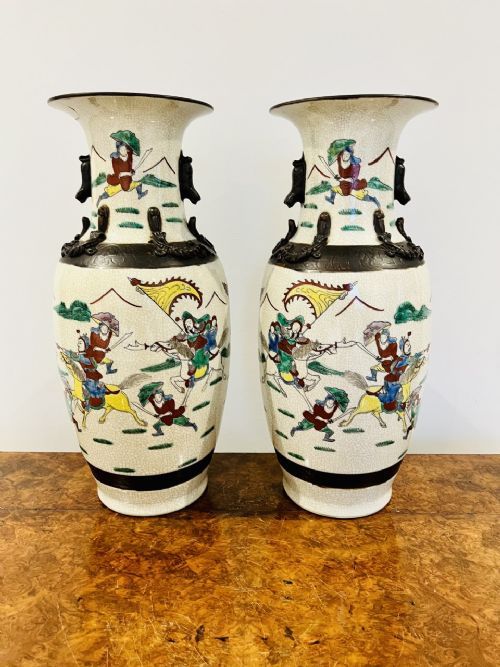
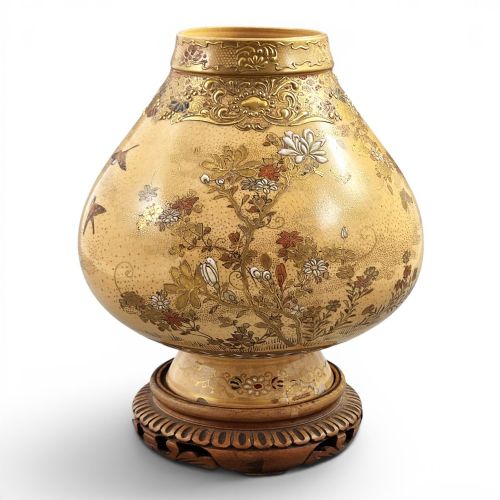
The pieces appearing on this page span several periods, notably the nineteenth century, Edwardian era, and Art Deco years. Originating from diverse workshops in Japan, England, France, and China, these items take the shape of vases, table lamps, and jardinieres.
Makers utilised earthenware, porcelain, and ceramic, applying specialised crackle or smooth finishes to achieve the characteristic light surface. Such objects function practically as containers or stand alone as decorative elements.
How they were made
Potters shaped earthenware and ceramic bodies on the wheel or in moulds before applying fluid glazes that pooled and settled during firing. This chemical interaction produced the fine crackle effects and creamy surface depths seen on many pieces.
Workshops added decorative layers using gold leaf, gilt, and hand-painted enamel pigments over the primary glaze. Artisans then subjected these detailed vessels to secondary kiln firings to set the metallic and coloured motifs permanently.
Listings feature items from the nineteenth century, Edwardian period, and Art Deco era, utilising earthenware, ceramic, and glaze materials.
What varies in quality
Quality rests in the crispness of the modelled form and the stability of the glaze body. Superior examples demonstrate uniform coverage without pooling defects, maintaining structural integrity across handles, rims, and foot rings.
The precision of hand-painted detailing and the application of gold leaf dictate the finer tier of these works. Master workshops achieved greater control over kiln temperatures, resulting in stable crackle patterns and lasting surface decoration.
Royal Worcester·Kinkōzan Workshop·Reissner Stellmacher and Kessel·Lipscombe and Co
The Cream Glazed Urn Glossary
- Earthenware
- A porous pottery body fired at lower temperatures, requiring an applied glaze to achieve water resistance. It forms the structural base for many traditional ceramic vessels.
- Jardiniere
- An ornamental pot or stand designed to hold growing plants or flowers. These items often feature handles and decorative surface motifs suited to interior display.
- Crackle glaze
- A ceramic finish intentionally patterned with microscopic surface fissures during cooling. Potters enhance these networks by rubbing dark pigments into the fine lines.
- Gilt
- A thin layer of gold applied to the ceramic surface for decorative accent. Artisans used this technique to highlight raised motifs and rim borders.
Cream Glazed Urn: Frequently Asked Questions
How do I clean a cream glazed urn?
Dust the surface gently with a dry, soft cloth to prevent abrasive particles from scratching the glaze layer. Avoid immersion in water, particularly for pieces with gilt or enamel details that can degrade over time.
For stubborn marks, use a slightly damp cloth with mild soap, then dry immediately. Protect antique ceramics from sudden temperature changes to preserve the underlying glaze.
Where should I place an urn at home?
Position these vessels on stable surfaces such as sideboards, entrance tables, or mantelpieces where their proportions can be appreciated. Ensure they sit away from heavy foot traffic to prevent accidental knocks.
Garden or terrace variants require sheltered spots away from severe frost to protect the earthenware body from cracking. Indoor table lamps and jardinieres function best on level wooden furniture.
How do I identify the period of an urn?
Examine the base for maker marks, signatures, or workshop stamps that link the piece to specific manufacturing eras. Stylistic indicators like Art Deco geometric lines or Meiji period motifs provide clear chronological clues.
The character of the glaze and the weight of the ceramic body also help distinguish nineteenth-century works from later twentieth-century productions.
Can these urns hold fresh flowers?
Determine whether the interior glaze is completely sealed before adding water to prevent moisture absorption into the porous earthenware body. Many decorative vessels serve primarily as dry ornaments rather than functional vases.
For pieces equipped with proper interior glazing, use a small inner container to protect antique ceramic walls from prolonged moisture contact.