

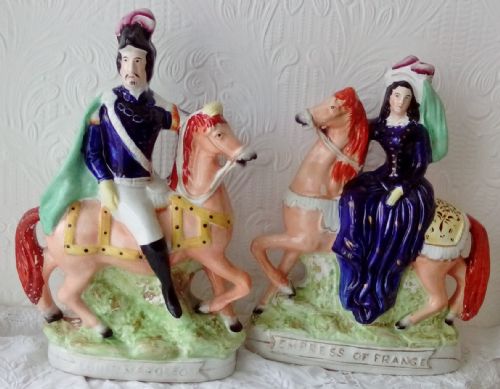


Cream Glaze Figurine
A cream glaze figurine brings sculptural grace to a room, offering tactile charm through smooth, glossy surfaces and historic character.
Cream Glaze Figurine
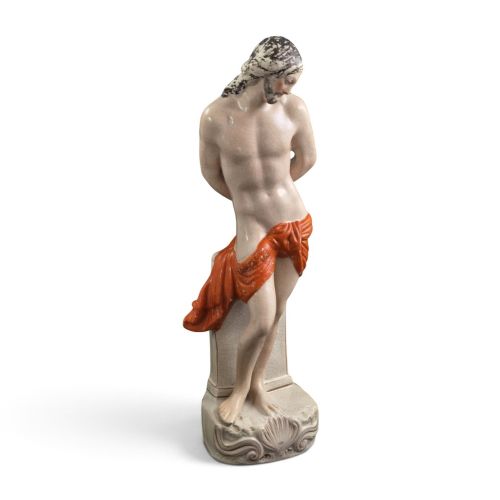
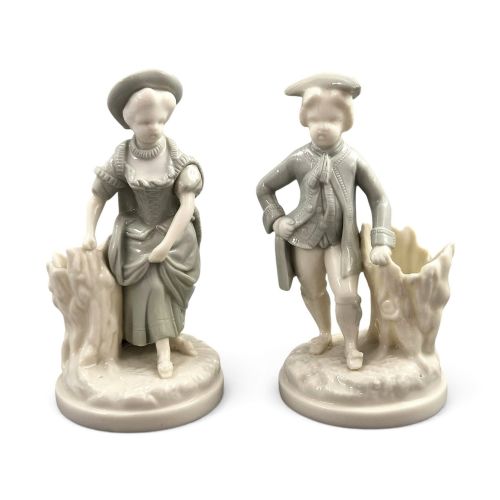
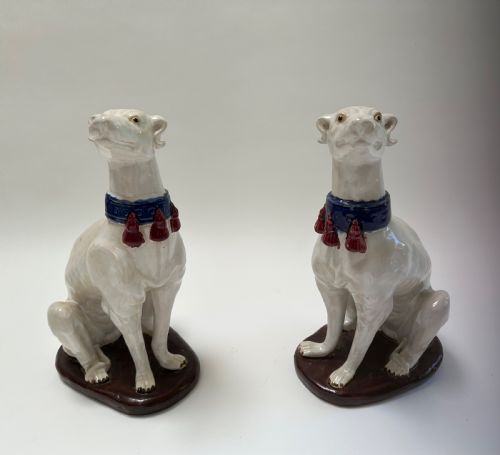
A cream glaze figurine encompasses sculptural earthenware, porcelain, and ceramic figures finished in pale, glossy coatings. These pieces span periods from the Georgian era through the Victorian years and into the 1930s Art Deco movement.
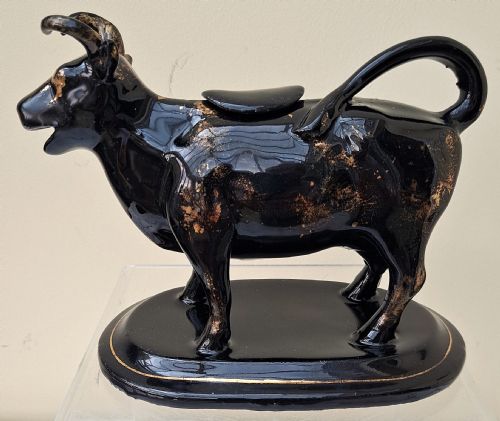
The selection here includes Staffordshire figures, figural salts, and porcelain sculptures alongside Japanese Satsuma wares and French decorative pieces. Buyers frequently encounter nineteenth-century Staffordshire depictions of notable figures, animals, and classical subjects on this page.
Makers and regional potteries shape the variety, ranging from English earthenware works to continental porcelain and Japanese okimono. Each object serves primarily as a decorative ornament or functional figural vessel within a room scheme.
Judging Quality and Execution
Quality rests upon the crispness of the modelled detail and the evenness of the glaze application across complex surfaces. Superior examples retain fine facial expressions and precise hand-painted enamel work without pooling or running in the glaze.
The sophistication of the form and the reputation of the producing pottery or sculptor separate standard domestic wares from exceptional pieces. Retaining original gilding and undamaged painted decoration elevates the standing of any figure.
Cream Glaze Figurine Retail Price Guide 2026
Typical asking prices for cream glaze figurine among the pieces listed under this phrase on Sellingantiques today, from the lower quarter to the upper quarter. They describe what is for sale here now, not the wider market.
Materials recorded across the inventory include glazed ceramic, enamel, gilt, and gold leaf.
Royal Worcester·Clarice Cliff·Royal Dux·Fasold And Stuach
The Cream Glaze Figurine Glossary
- Earthenware
- A porous ceramic body fired at lower temperatures, requiring an opaque glaze to hold liquids and create a smooth finish. It forms the basis of many nineteenth-century Staffordshire figures.
- Glaze
- A glassy coating fused to ceramic surfaces through firing, providing colour, shine, and impermeability. In these pieces, cream-toned glazes define the overall visual texture.
- Okimono
- A Japanese ornamental carving or sculpture designed for display on a shelf or in a tokonoma alcove. These works often display intricate detail in ceramic or porcelain.
- Soft-Paste
- A type of porcelain compounded from clay, glass, and ground minerals rather than hard-paste materials. It produces a warm, tactile body common in eighteenth-century French figures.
- Flat Back
- A Staffordshire figure style moulded with a finished front and a plain, unglazed or hollow rear designed for display against a wall.
Cream Glaze Figurine: Frequently Asked Questions
How do I clean a cream glaze figurine?
Dust the surface gently with a soft, dry brush to prevent dirt accumulation in recessed moulded details. Avoid harsh chemical cleaners that might damage delicate overglaze enamels and gold leaf highlights.
Test any damp cleaning method on an inconspicuous area first, particularly if the piece shows age-related crazing in the glaze layer. Keep antique ceramics out of direct sunlight and away from areas of high moisture.
What periods do these figures come from?
The pieces span from the Georgian era through the Victorian period and into 1930s Art Deco designs. Each era brings distinct modelling styles, from robust Staffordshire earthenware to sleek porcelain nudes.
Consulting the specific date indicators helps distinguish mid-nineteenth-century Staffordshire work from later twentieth-century studio pieces. Regional origins also dictate the stylistic markers of each era.
Where were these figures displayed originally?
Owners placed these decorative ornaments on mantelpieces, side tables, and cabinets within Victorian and Edwardian parlours. Figural salts and cream jugs also sat upon dining tables for formal service.
Larger groups and animal sculptures served as focal points in drawing rooms, while smaller okimono occupied display alcoves. Their dual role combined decorative appeal with domestic utility.
How do I spot a reproduction?
Examine the glaze texture and wear patterns for signs of genuine age, such as fine crazing and base friction. Modern reproductions often lack the subtle hand-painted enamel variations found in period pieces.
Compare the weight and clay body with verified examples from the same pottery or region. Consistent production marks and stylistic integrity help confirm authenticity.