




Victorian Religious Statue
A victorian religious statue brings devotion and solemn craft into a room, offering carved wood or moulded parian ware shaped by nineteenth-century hands.
Victorian Religious Statue
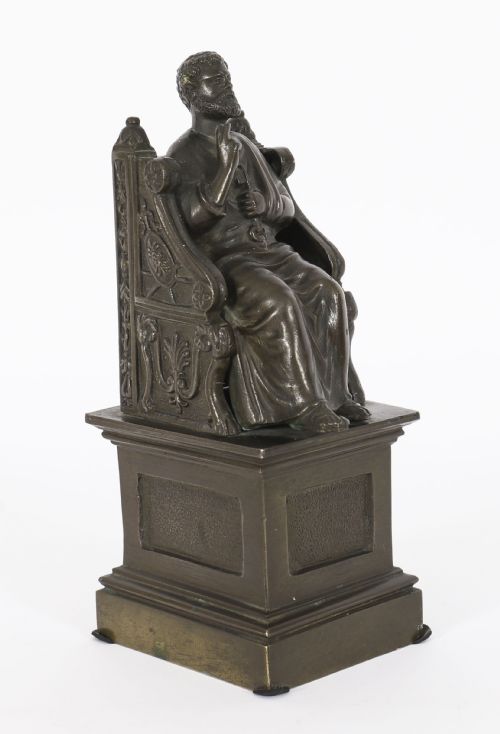
When you search for a victorian religious statue, you encounter devotional figures ranging from Staffordshire earthenware and parian ware to carved oak and patinated bronze. These objects capture the pious spirit and sculptural ambition of the nineteenth century, reflecting both British pottery traditions and continental Grand Tour influences. Most examples on this page date from the decades between eighteen-sixty and eighteen-ninety, showing styles from standard Victorian to Gothic Revival.
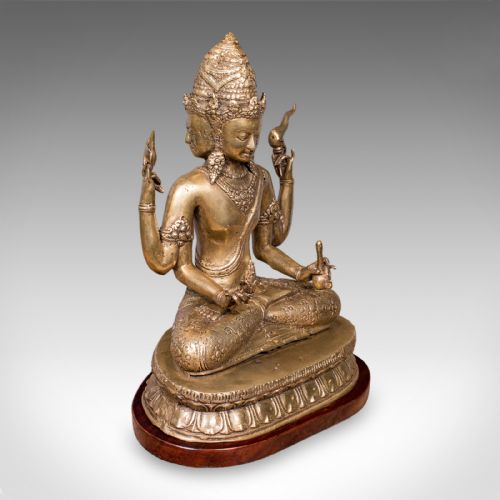
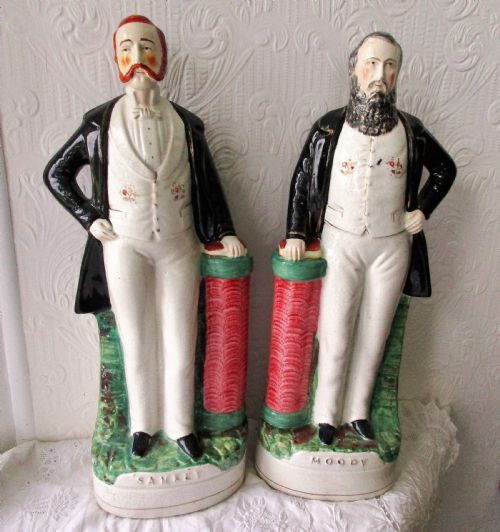
The assortment spans diverse forms, including portrait figures of preachers, classical saints, monks, and Asian deities produced during the Victorian era. You will find small porcelain figurines alongside substantial carved oak studies of apostles and brass altar crucifixes. Each piece serves as a tangible link to period worship, domestic piety, or nineteenth-century travel and collection.
Materials and Techniques
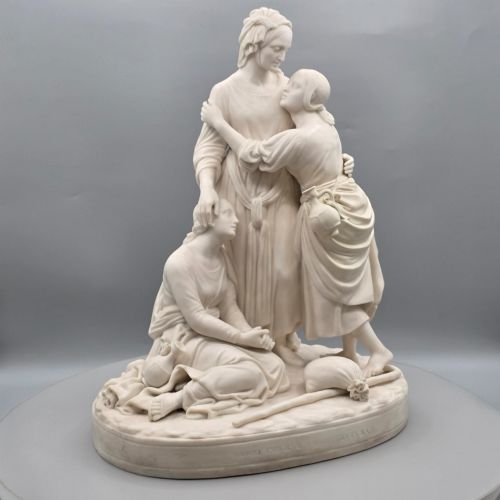
Pottery figures and groups rely on moulded earthenware, porcelain, and parian ware, often finished with glaze and enamel details. Potteries like Minton and Royal Worcester utilised fine clay bodies to achieve smooth, marble-like surfaces or colourful Staffordshire glazes.
Victorian Religious Statue Retail Price Guide 2026
Typical asking prices for victorian religious statue among the pieces listed under this phrase on Sellingantiques today, from the lower quarter to the upper quarter. They describe what is for sale here now, not the wider market.
Distinctions in Quality
Quality rests in the precision of the modelling and the crispness of the hand-carved details in wood or cast metal. Finer figures display subtle facial expressions and natural folds in garments, whereas simpler earthenware pieces rely on painted enamels for definition.
The reputation of the maker or pottery workshop heavily influences the standard of a piece, with named works by factories like Royal Worcester or modellers demonstrating superior execution. The choice of material also dictates refinement, distinguishing mass-moulded pottery from deeply carved hardwood studies.
Minton·Royal Worcester
The Victorian Religious Statue Glossary
- Parian Ware
- A fine-grained, unglazed porcelain resembling white marble, developed in the nineteenth century for classical and religious figures. It allows for crisp detail without a glossy finish.
- Grand Tour
- A cultural journey undertaken by nineteenth-century Europeans visiting continental sites, frequently acquiring bronze sculptures and souvenirs. These items often replicated classical or religious art.
- Gothic Revival
- An architectural and artistic style popular in the Victorian period, drawing inspiration from medieval forms. Religious statues in this style often feature pointed arches and solemn, medievalised drapery.
- Staffordshire Earthenware
- Pottery produced in the Staffordshire potteries, known for moulded earthenware figures finished with enamel colours and glaze. These popular domestic ornaments frequently depicted religious subjects or contemporary evangelists.
- Patinated Bronze
- A metal sculpture treated with chemical solutions to produce a darkened or antiqued surface finish. This technique enhances the depth and perceived age of religious bronzes.
Victorian Religious Statue: Frequently Asked Questions
What materials are these statues made from?
These pieces appear in various materials including earthenware, porcelain, parian ware, carved oak, walnut, brass, and patinated bronze.
Potteries utilised clay bodies and glazes, while woodcarvers and metalworkers shaped timber and cast metal into devotional forms.
How do I identify a Victorian piece?
Dating relies on stylistic markers such as Gothic Revival motifs, Victorian dress, and typical nineteenth-century pottery bodies.
Makers' marks, registered design numbers, and recorded operating dates of factories like Minton or Royal Worcester also help confirm the period.
Were these statues used in homes or churches?
Victorian religious figures served both domestic and ecclesiastical purposes, ranging from private study ornaments to altar crucifixes.
Smaller parian groups and earthenware figures were suited for domestic mantelpieces, while carved oak saints and brass crosses often fulfilled devotional roles in chapels and studies.
What subjects are commonly depicted?
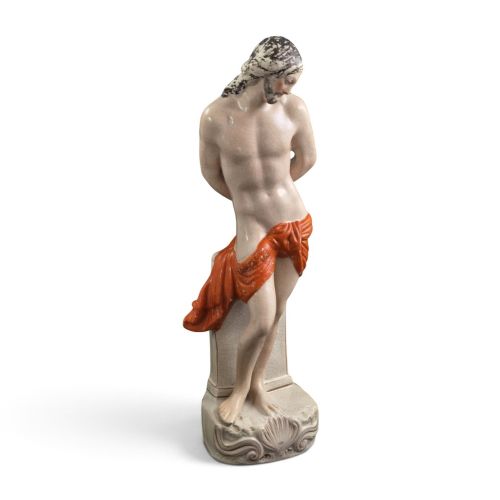
Common subjects include biblical figures such as Christ, St Paul, St Peter, and various saints or monks.
You also encounter Asian deities, portrait figures of nineteenth-century evangelists, and literary or biblical groups like Naomi and her daughters-in-law.