


Cream Framed Floral Painting
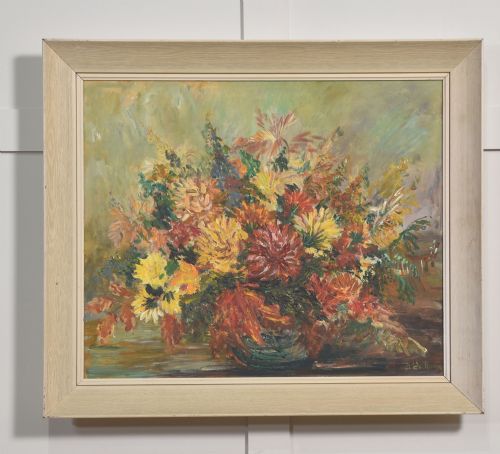
A cream framed floral painting brings botanical colour and decorative warmth to an interior, drawing on centuries of still life traditions.
Cream Framed Floral Painting
When you search for a cream framed floral painting, you encounter oil paintings, oil on canvas, and botanical prints featuring floral subjects. These works span from the 19th century through the mid-20th century, including periods like the 1930s, 1920s, and 1950s.
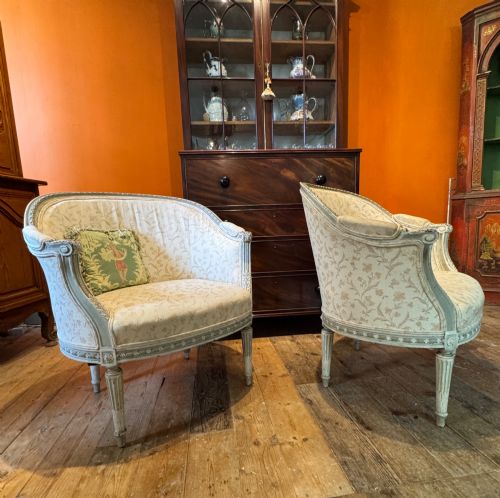
The selections on this page incorporate distinct styles such as British Impressionism, Post-Impressionism, and French Louis XVI Style. Alongside canvases, the listings include related painted items such as mirrors, beds, and armchairs that share a similar palette.
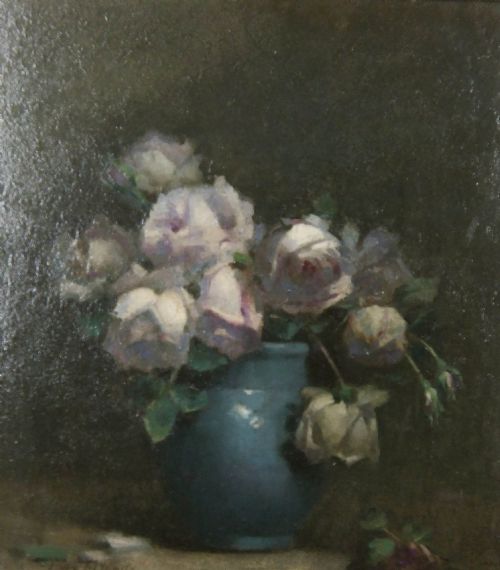
Makers and artists represented range from named painters like William Thomas Wood and Owen Bowen to anonymous hands producing decorative floral still lifes. Works capture subjects from garden roses and late summer roses to orchids and anemones in an interior.
How they were made
These works utilise traditional materials such as oil paint applied to canvas or wood panels. Frames and decorative supports are constructed from wood, beech, and carved wood, often finished with gold leaf or painted surfaces.
Techniques range from impressionistic brushwork and luminist pointillism to botanical engraving. The physical build of the painted panels and frames relies on period joinery and hand-finishing methods.
Listings feature oil paint, canvas, wood, glass, and gold leaf across pieces dated from the nineteenth century to the mid-twentieth century.
What varies in quality
Quality in these works rests upon the precision of the brushwork and the harmony of the composition, distinguishing accomplished artistic hands from standard decorative pieces. The depth of the oil paint layers and the preservation of the canvas surface dictate the visual impact of the painting.
The craftsmanship of the surrounding frame also influences the overall standard. Hand-carved wooden frames finished with period paint or gold leaf show greater refinement than simpler moulded surrounds.
D. L. Williams·William Thomas Wood·Margaret Laing·Ernest Higgins Rigg·Owen Bowen
The Cream Framed Floral Painting Glossary
- Oil painting
- A work executed with pigments bound in a drying oil, typically linseed. This medium allows for rich colour blending and textured brushwork.
- Canvas
- A heavy woven fabric used as a surface for oil painting. It is typically stretched over a wooden frame before application.
- Botanical engraving
- A print produced from an engraved plate depicting plant species with scientific and artistic precision. These prints are often hand-coloured.
- Luminist pointillism
- A painting technique focusing on the effects of light through the application of small, distinct dots of colour. It creates a vibrant optical mixture on the canvas.
- Gold leaf
- Gold beaten into extremely thin sheets used for gilding frames and decorative surfaces. It provides a warm, reflective border to the artwork.
Cream Framed Floral Painting: Frequently Asked Questions
How do I date an oil painting?
Dating relies on stylistic evidence, canvas preparation, and framing techniques typical of specific decades. Signatures and artist records also help narrow the period.
Examining the stretcher bars and the type of nails or fixings used on the back provides further clues to the age of the piece.
Where should I hang a floral painting?
These works suit sitting rooms, bedrooms, or hallways where natural light enhances the painted colours. Pair them with neutral walls to let the botanical subject stand out.
Keep paintings away from direct sunlight and damp environments to protect the oil paint and canvas over time.
What is a still life painting?
A still life depicts inanimate subject matter, typically commonplace objects such as cut flowers in a vase. In these pieces, the focus rests on arrangement, light, and colour.
Artists use this genre to explore texture and composition without the narrative requirements of portraiture or landscape painting.
How do I clean a painted frame?
Dust the surface gently with a soft, dry brush to remove loose particles without disturbing the finish. Avoid using household cleaning sprays or excessive water.
If the painted or gilded surface requires deeper attention, consult a professional conservator to prevent stripping the historic finish.