



Vintage Impressionist Flower Painting
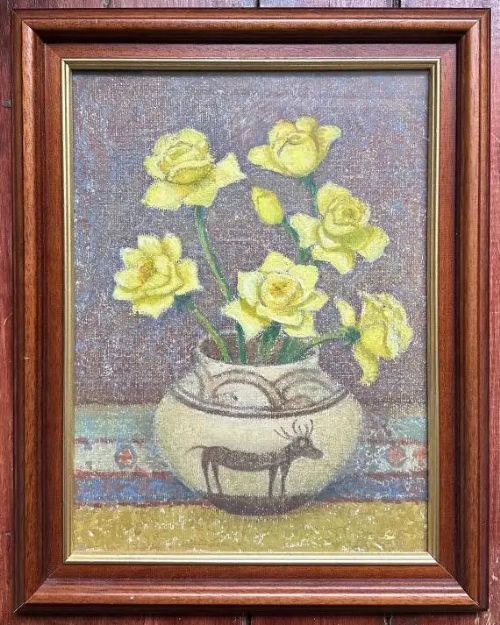
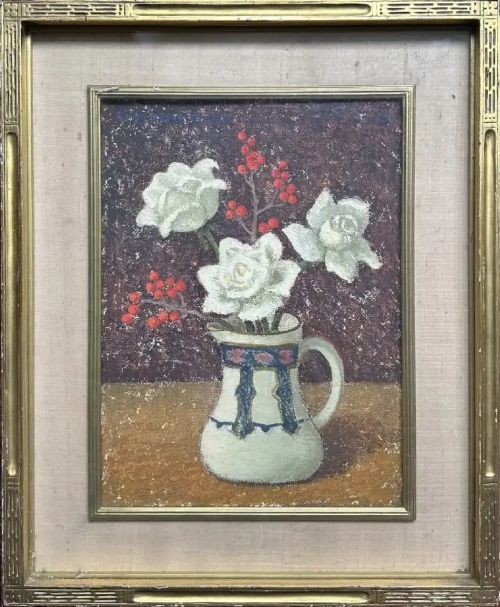
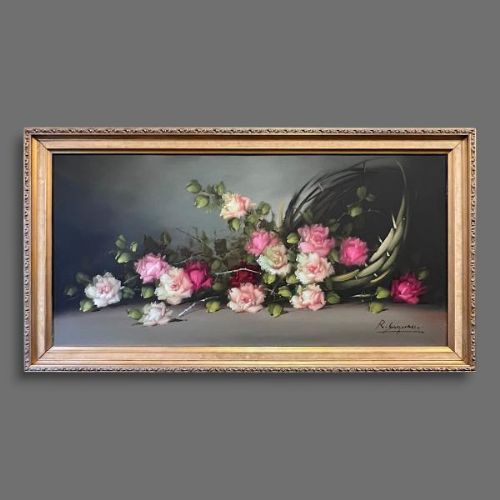
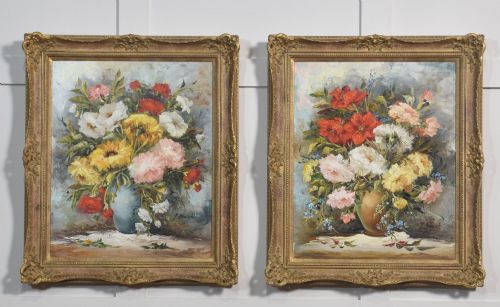
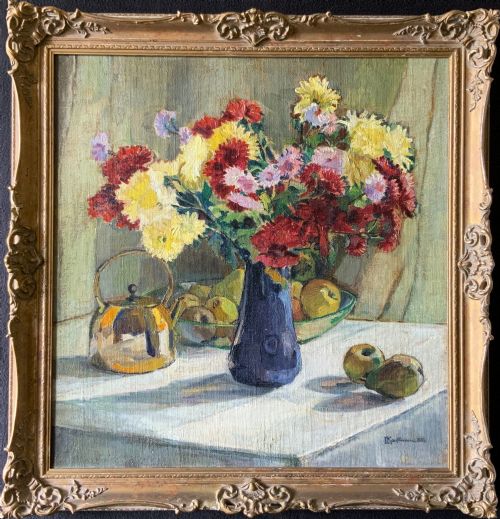
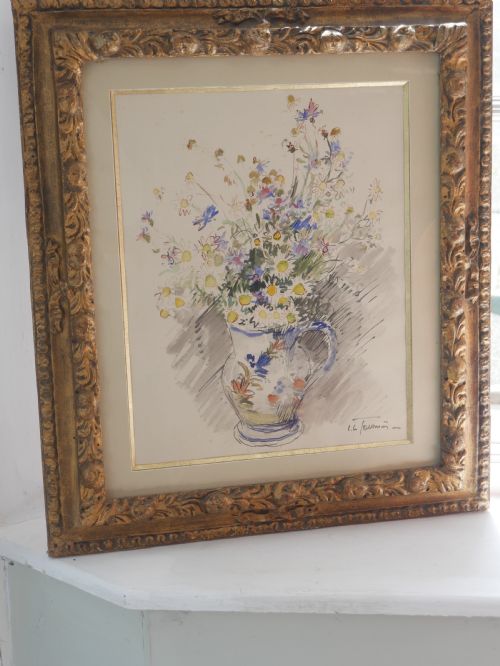
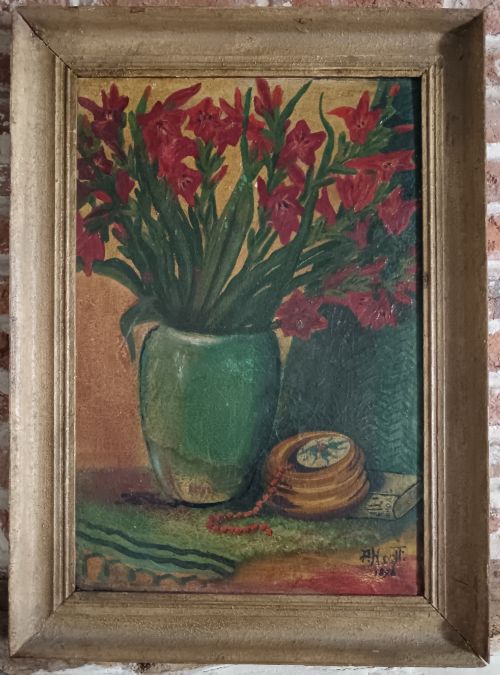
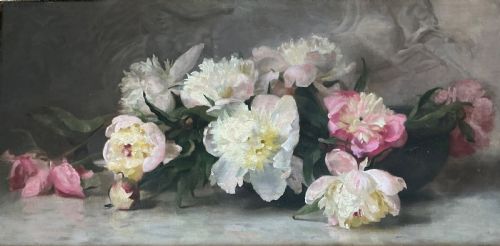
These vintage impressionist flower painting works capture loose brushwork and vibrant floral subjects across the nineteenth and twentieth centuries.
Vintage Impressionist Flower Painting
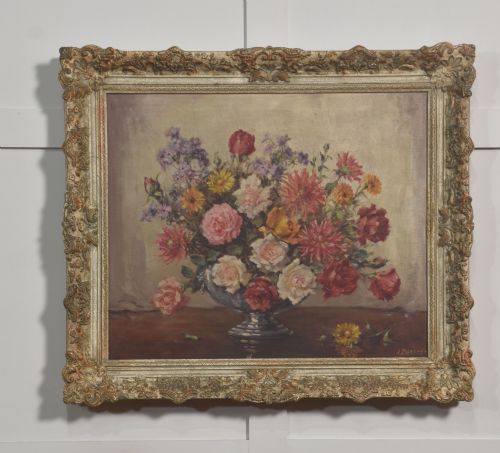
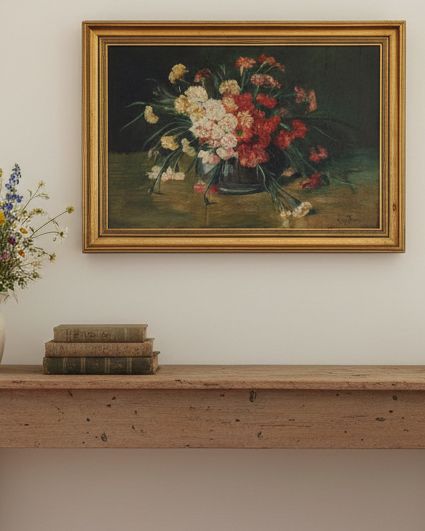
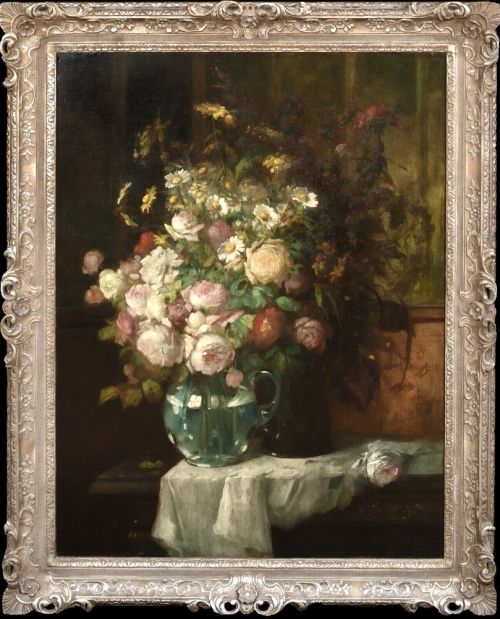
A vintage impressionist flower painting represents a floral still life or garden scene created in an impressionist, post-impressionist, or modernist manner. These artworks focus on light, colour, and texture rather than botanical precision. A buyer searching this phrase encounters pieces ranging from small intimate watercolours to large oil paintings on canvas or board.
The selections available include works from British, European, and American hands, spanning periods from the late nineteenth century through the mid-twentieth century. Many of these paintings depict domestic arrangements such as roses, peonies, and anemones placed in vases, baskets, or interior settings.
How They Were Made
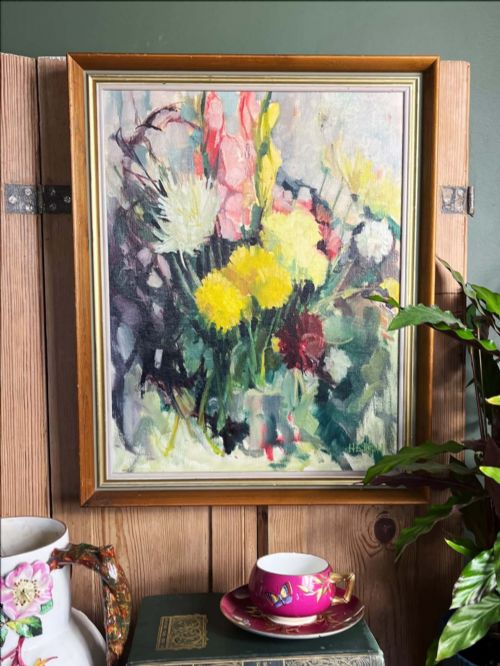
Artists typically applied oil paint or watercolour onto prepared canvas, wooden board, or heavy paper. Impasto techniques often build thick, textured surfaces that catch the light directly, giving petals and leaves a tangible three-dimensional presence.
Many surviving works retain their original wood and gesso gilt frames, which complement the loose brushwork and colour harmonies of the period.
The listings show works executed in oil, watercolour, and gouache, spanning from the eighteen-nineties through the nineteen-sixties.
What Varies in Quality
Quality rests upon the confidence of the brushwork and the artist's ability to balance colour and light within a composition. Stronger works demonstrate assured handling of paint, where loose marks still convey the structural form and vitality of the flowers.
The integration of the subject with its surrounding interior or background distinguishes more accomplished pieces from simpler decorative studies. Provenance and attribution to documented artists further elevate the standing of individual works.
I. Berezny·Konstantin Stoitzner·Emma Fordyce MacRae·Manuela Bonati·Owen Bowen·Gertrude Hayes·Amile Coppieters·Florence Hess·Lester Sutcliffe·Ernest Higgins Rigg·Sir Matthew Smith·Lilian Stannard·Rowland Henry Hill·Maud Frances Eyston Sumner·Elizabeth T. Sutcliffe·William Thomas Wood
The Vintage Impressionist Flower Painting Glossary
- Impasto
- Paint applied thickly to a canvas or board, standing out in relief from the surface. This technique allows brush or palette knife marks to remain clearly visible.
- Still life
- A work of art depicting mostly inanimate subject matter, typically commonplace objects which may be either natural or man-made. In this context, the focus rests upon cut flowers and potted plants.
- Post-Impressionism
- An art movement developing from about the eighteen-eighties, extending impressionist rejection of strict naturalism in favour of bolder colours and symbolic forms.
- Gesso
- A plaster-like mixture used as a coating for wooden frames before painting or gilding. It provides a smooth surface that holds ornamental detail.
Vintage Impressionist Flower Painting: Frequently Asked Questions
How do I identify a vintage impressionist flower painting?
Look for visible, expressive brushstrokes and a primary focus on the play of light across petals and leaves rather than strict academic realism. The materials typically include oil paint on canvas or board, often housed in period wooden frames.
Context also helps with identification, as these pieces frequently date from the late nineteenth century through the mid-twentieth century and bear signatures or attribution to known regional art groups.
Where were these flower paintings created?
These works originated across Britain, continental Europe, and America, reflecting international movements in impressionism and plein-air painting. Regional groups, such as the Staithes artists in Britain, frequently captured local gardens and domestic floral arrangements.
Artists also worked in urban studios and rural retreats, producing varied interpretations of summer flowers, vases, and interior window views.
How should I display an oil painting on board?
Display these works away from direct sunlight and significant fluctuations in temperature and humidity to protect the oil paint and wooden or gesso frames. Ensuring adequate wall space allows larger canvases and framed watercolours to be appreciated without crowding.
Matching the frame style to your interior decor helps integrate these mid-century and antique pieces into modern living spaces.
What subjects besides roses appear in these works?
Artists painted a wide variety of flora, including peonies, carnations, anemones, dahlias, chrysanthemums, and water lilies in garden ponds. These botanical subjects often appear alongside everyday objects such as wicker baskets, ceramic jugs, and Hopi pots.
Interviews with the artist's studio or views through a window also form common compositional elements alongside the central floral display.