






Cream Ceramic Ornament
A cream ceramic ornament brings tactile warmth and period character to a room through modelled figures, animals, and decorative objects.
Cream Ceramic Ornament
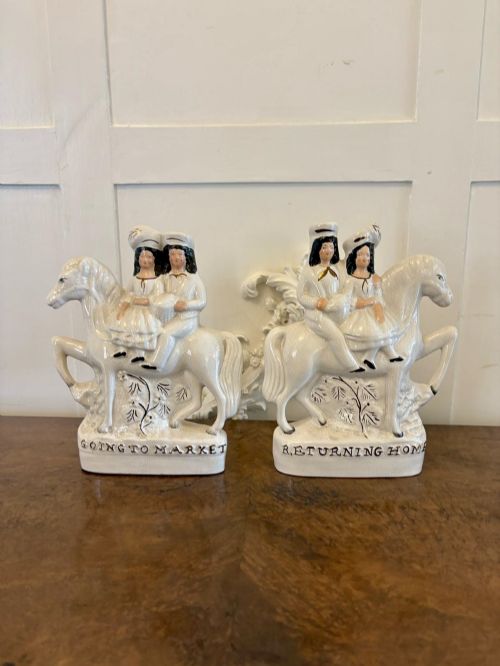
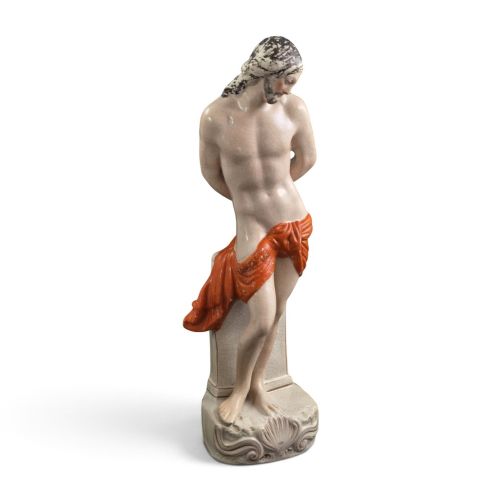
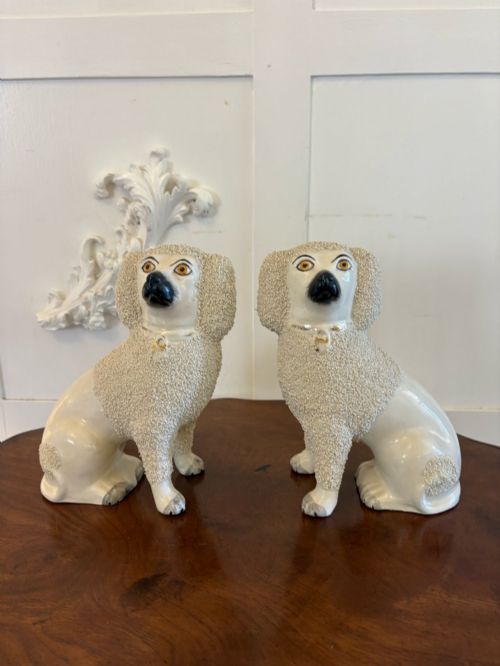
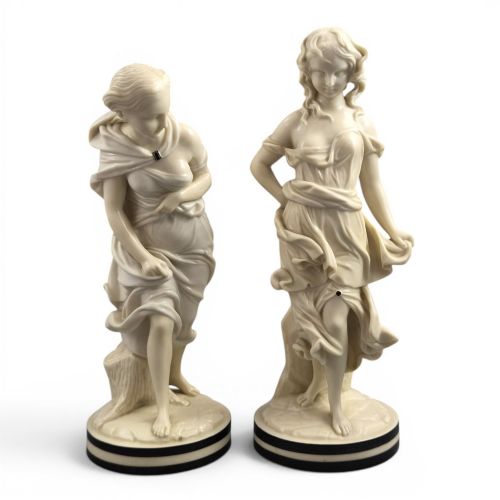
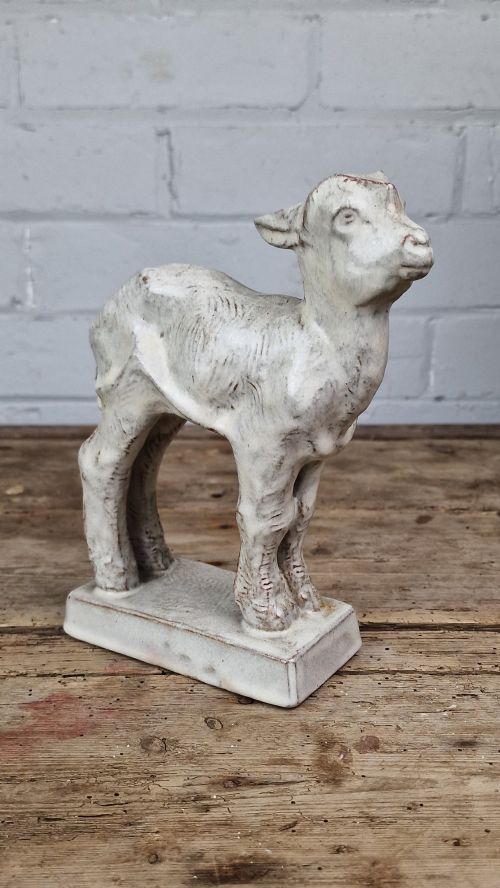
When you search for a cream ceramic ornament, you encounter a diverse array of moulded and modelled works spanning the nineteenth and twentieth centuries. These objects range from Victorian Staffordshire animal pairs and portrait figures to Royal Worcester classical maidens and Art Deco animalier sculptures.
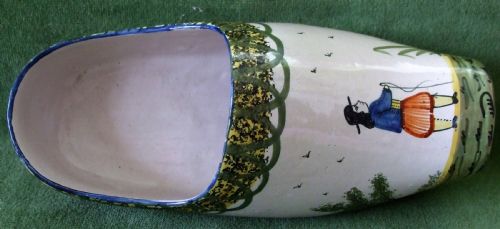
The selection encompasses continental porcelain groups, Japanese Satsuma okimono, French faience sabots, and terracotta models. Figures, ewers, and cottages dominate the inventory, reflecting varied domestic display traditions across English, French, German, and Asian workshops.
How they were made
Maker utilise earthenware, porcelain, terracotta, and soft-paste ceramic bodies, often finished with lead glaze, enamel, or gilding. Bisque porcelain appears in unglazed matte finishes, particularly on piano babies and nineteenth-century figural groups.
Modelling techniques combine slip-casting or hand-modelling with surface painting and gilding. Artisans apply delicate colour washes, gold leaf highlights, and specialised glazes before firing the ceramic bodies in kilns.
Cream Ceramic Ornament Retail Price Guide 2026
Typical asking prices for cream ceramic ornament among the pieces listed under this phrase on Sellingantiques today, from the lower quarter to the upper quarter. They describe what is for sale here now, not the wider market.
Materials across the selection include porcelain, earthenware, terracotta, Parian ware, and soft-paste ceramic bodies finished with glazes and gold leaf.
What varies in quality
The depth and uniformity of the glaze, alongside the preservation of original gilding and enamel colours, mark superior examples. The presence of clear maker stamps or registration marks further reinforces the standing of an individual piece.
Royal Worcester·Kerr & Binns·Royal Dux
The Cream Ceramic Ornament Glossary
- Bisque
- Unglazed white porcelain that has been fired once, valued for its smooth, matte finish resembling marble. It appears frequently on nineteenth-century figural groups and piano babies.
- Earthenware
- Porous pottery fired at lower temperatures, requiring a glaze to achieve impermeability. Staffordshire figures and folk art pottery utilise this versatile ceramic body.
- Okimono
- Japanese decorative sculpture designed for display on a household altar or in a tokonoma alcove. These carved or modelled pieces often depict deities, figures, or animals.
- Ewer
- A large pitcher or jug with a wide spout and elaborate handle, often created as an ornamental display object rather than for practical service. Several Victorian examples utilise ceramic and glaze finishes.
- Faience
- Tinned-glazed earthenware produced in France and other European regions, often decorated with colourful hand-painted motifs. French provincial sabots showcase this traditional technique.
Cream Ceramic Ornament: Frequently Asked Questions
How do I date an antique ceramic figure?
Examine the base for impressed factory marks, registration numbers, or handwritten signatures that correspond to known production periods. Stylistic details such as Victorian dress or Art Deco geometric lines also indicate the era of manufacture.
Material composition provides additional clues, as soft-paste porcelain, Parian ware, and earthenware each dominated specific decades. Comparing the modelling style to documented pieces by makers like Royal Worcester or Royal Dux helps narrow the date range.
Where should I display a ceramic ornament?
Place figures and decorative objects on sturdy mantelpieces, bookcases, or sideboards away from high-traffic edges where accidental knocks might occur. Ensure the display area avoids direct, intense sunlight to protect delicate enamel colours and gilding.
Some larger items, such as continental figures, benefit from enclosed spaces or glass domes to shield the porous ceramic surfaces from dust accumulation. Grouping pairs or matching sets together creates a balanced visual arrangement on tabletops.
What is the difference between porcelain and earthenware?
Porcelain is a dense, vitrified ceramic fired at very high temperatures until it becomes non-porous and sometimes translucent. Earthenware is a coarser, more porous pottery fired at lower temperatures that requires a glaze to hold liquids.
Victorian Staffordshire figures typically utilise earthenware bodies, whereas Royal Worcester and continental figures frequently employ fine porcelain. This fundamental distinction affects both the weight of the object and its durability over time.