
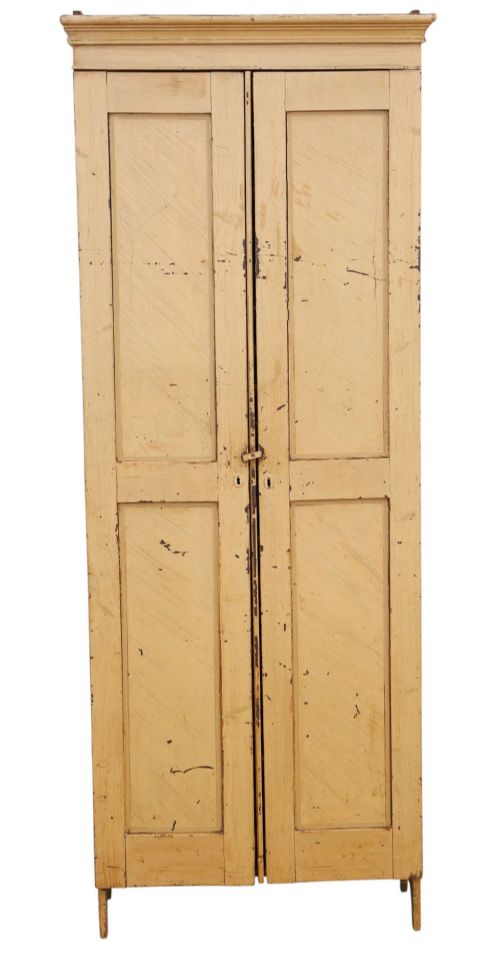
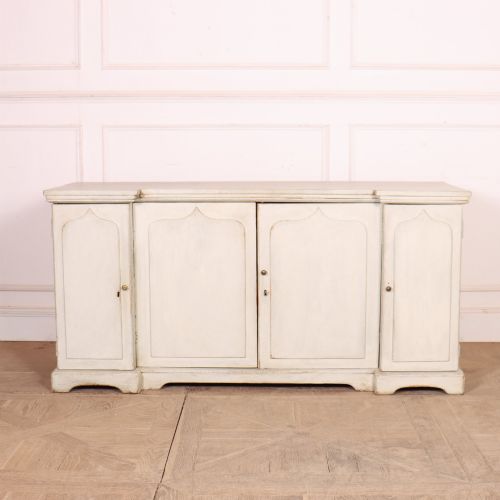
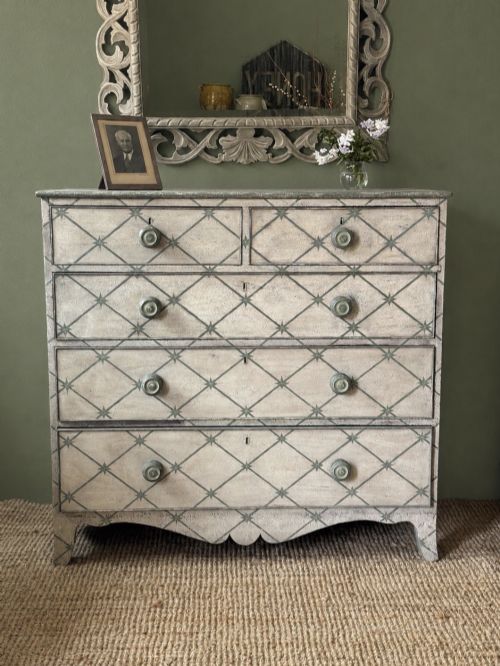
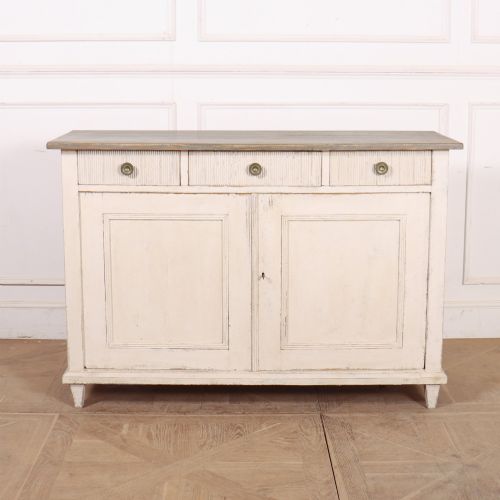


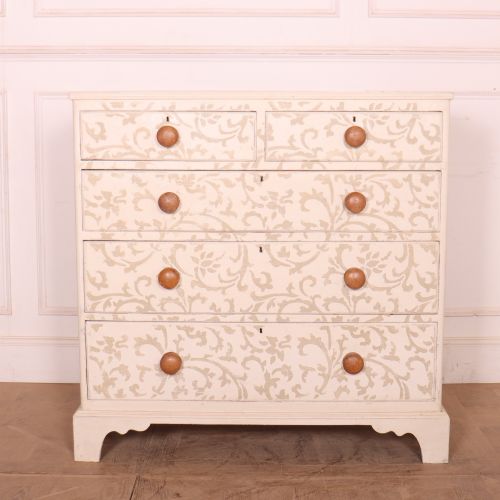

Cream Dresser
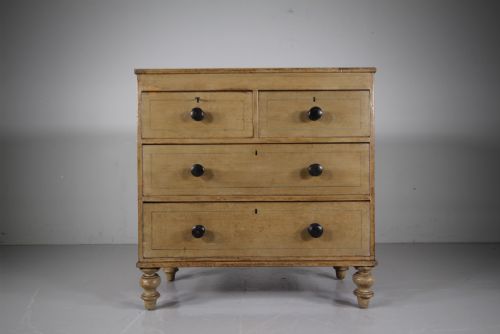
A cream antique dresser brings practical storage and soft painted character into a room, spanning country kitchens and formal drawing rooms.
Cream Dresser
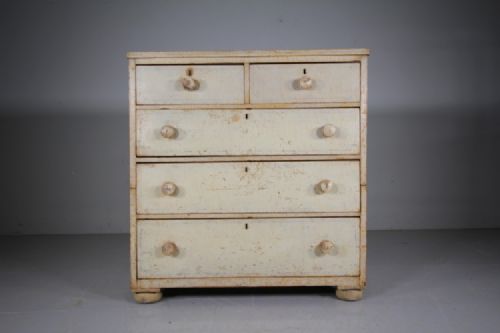
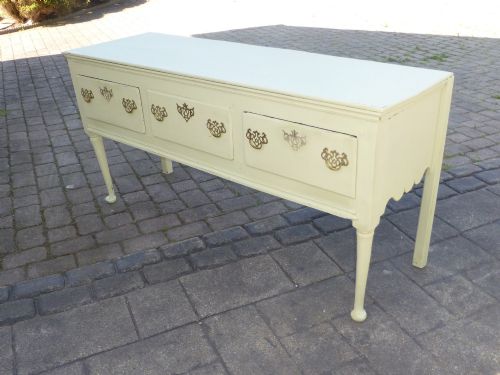
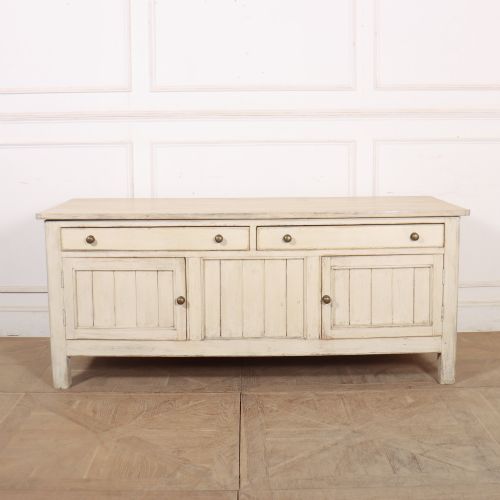
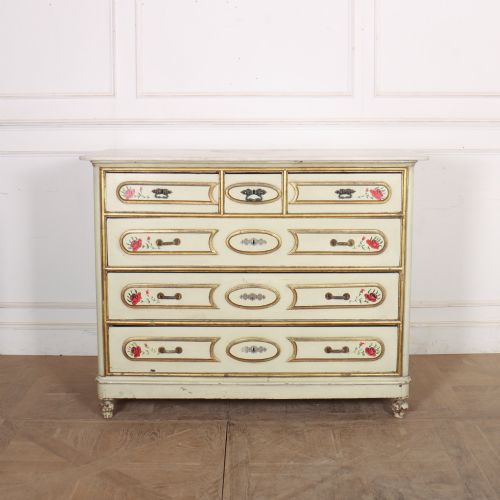
When you search for a cream antique dresser, you encounter pieces that range from tall kitchen cupboards and potboard bases to chests of drawers and commodes. The evidence shows forms originating in English, French, German, Spanish, Hungarian, Swedish and Italian workshops.
The nineteenth century dominates the available examples, alongside pieces from the eighteenth century, the Victorian era, and later decades like the 1920s and 1930s. Kitchen dressers, housekeeper cupboards and dresser bases form the core of what you will find on this page.
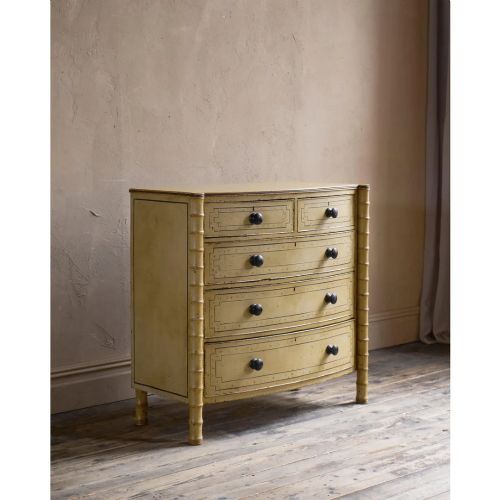
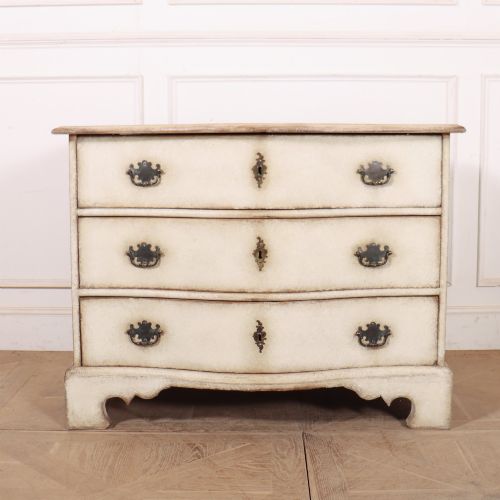
Regional variations appear frequently, such as Welsh and Norfolk dressers, English country house furniture, and continental commodes with serpentine fronts. Many items arrive in original paint, offering a direct link to their historical domestic setting.
Materials and construction methods
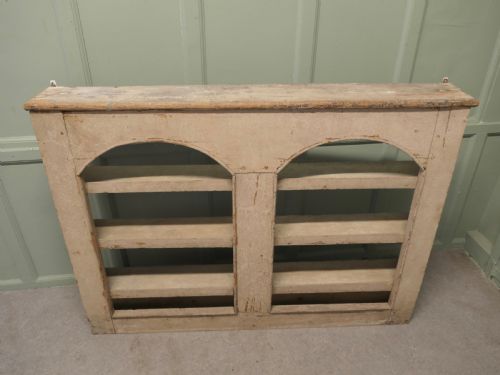
Makers relied primarily on solid pine and oak for the structural carcasses, framing and shelving of these large storage items. Wood was joined using traditional methods suited to domestic utility, often built in two parts for ease of transport.
Surface finishes rely on paint applied over wood, sometimes showing decades of layering or surviving as original pale cream coatings. Brass hardware such as handles and escutcheons complement the painted wooden surfaces, alongside iron fittings and glass panels.
One cheerful Hungarian piece arrives wearing a dual personality of cream and teal paint.
Distinctions in craftsmanship and finish
The integrity of the original paint surface distinguishes everyday utilitarian items from pieces finished with greater decorative ambition. Surviving coats that retain their authentic tone without modern intervention carry distinct historical weight.
Structural complexity sets certain examples apart, such as breakfront configurations, bow fronts, carved serpentine commodes, and two-piece construction with integrated shelving or display cabinets.
The Cream Dresser Glossary
- Dresser base
- The lower section of a kitchen dresser featuring cupboards and drawers, historically used for food preparation and storage.
- Housekeeper cupboard
- A large tall cupboard with multiple doors used in large country houses for storing linen and household provisions.
- Potboard dresser
- A traditional dresser featuring an open slatted lower shelf designed for displaying pots and heavy kitchenware.
- Serpentine commode
- A chest of drawers featuring a curving, wave-like front profile, often associated with continental cabinet making.
- Bowfront
- A convex, curved cabinet front that projects outward in a smooth arc, popular during the Georgian and Regency periods.
Cream Dresser: Frequently Asked Questions
How do I date a painted wooden dresser?
Dating relies on examining the construction joints, timber types, and the composition of the paint layers. Secondary woods inside drawers often provide clear clues regarding the period.
Stylistic details such as bow fronts or bracket feet also help narrow down the decade of manufacture.
Are these dressers made in two parts?
Larger cupboards and dressers were frequently constructed in two sections to allow for easier movement through doorways and around staircases. The division typically occurs between the counter base and the upper shelving unit.
Examining the joinery points reveals whether a tall piece was originally designed to separate.
What is original paint on antique furniture?
Original paint refers to the earliest decorative coating applied to the timber during its period of manufacture. Surviving primary paint layers show authentic wear and chemical composition consistent with age.
These untouched surfaces differ significantly from later decorative repainting.
How do I care for a painted wooden surface?
Historic painted finishes require gentle maintenance using dry or barely damp cloths to remove dust without abrasive cleaners. Avoiding direct sunlight and sudden humidity changes protects the timber substrate from movement.
Wax is occasionally used on unpainted wood parts, but painted areas need careful handling to preserve the finish.