
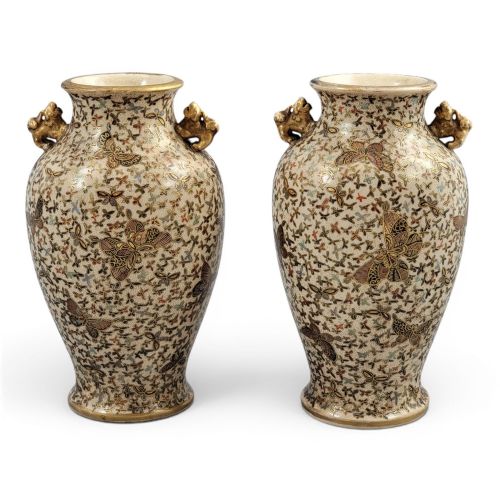


Crackled Glaze Pottery
Crackled glaze pottery brings distinctive crazed surfaces to vases, bowls, and jars from Japanese, Persian, and European studios.
Crackled Glaze Pottery
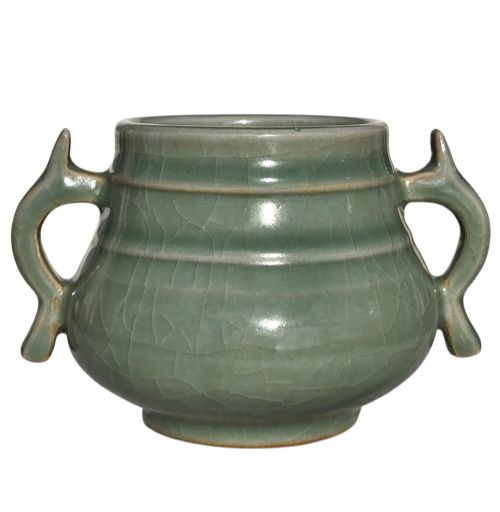
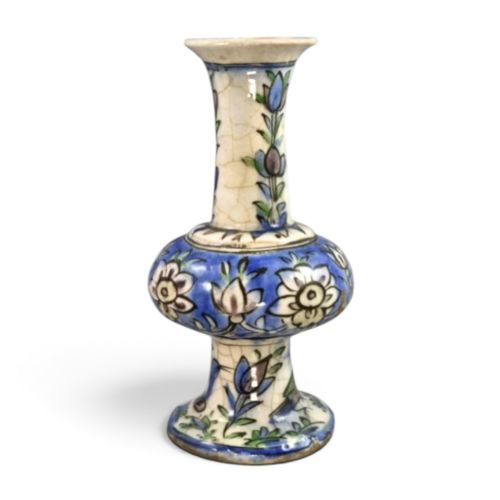
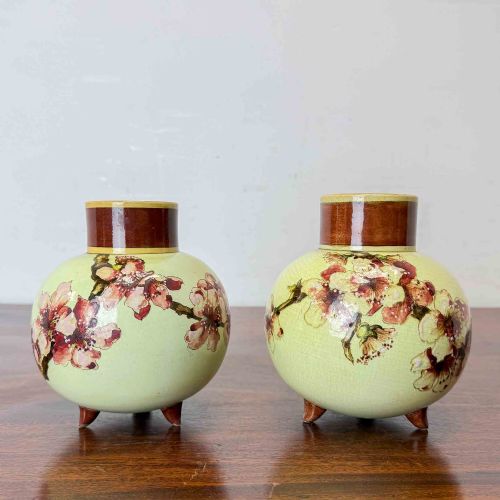
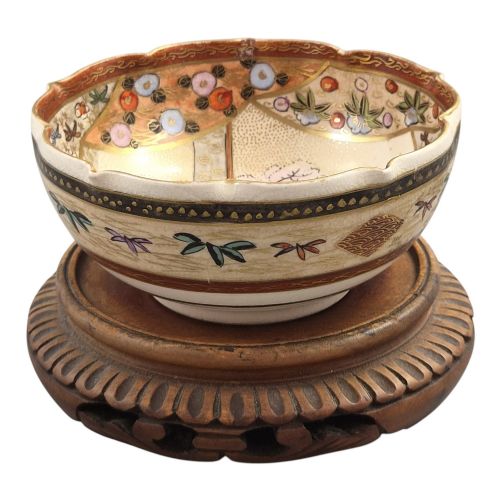
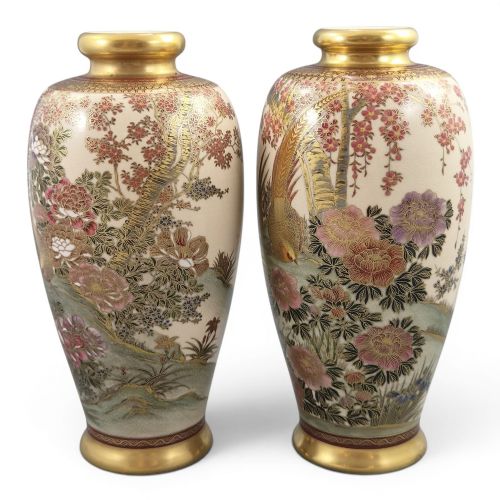
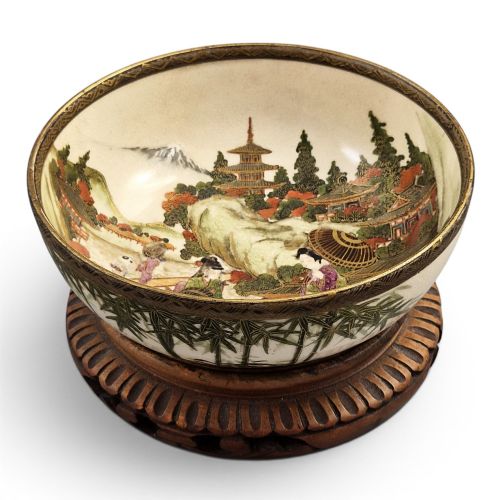
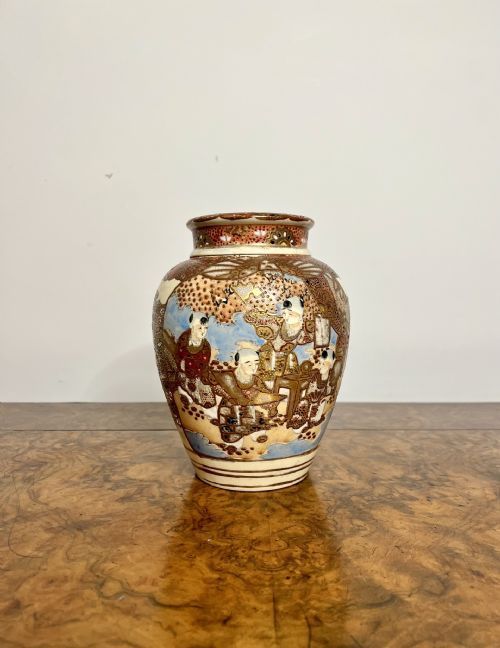
Crackled glaze pottery encompasses decorative vessels such as vases, ginger jars, tea caddies, and bowls shaped from ceramic and earthenware. When you search for crackled glaze pottery, you encounter works produced predominantly during the nineteenth century, the Meiji period, and the early twentieth century.
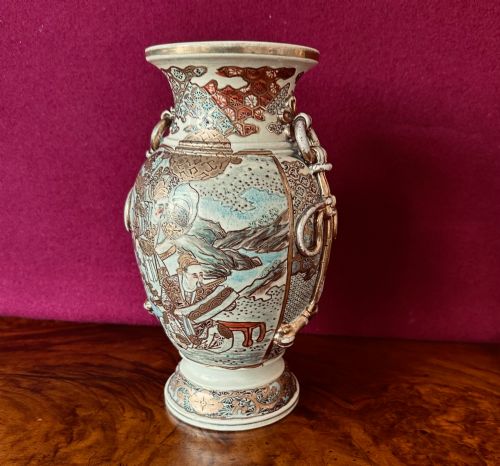
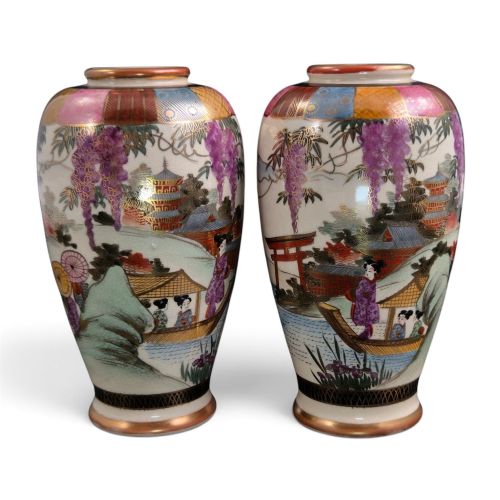
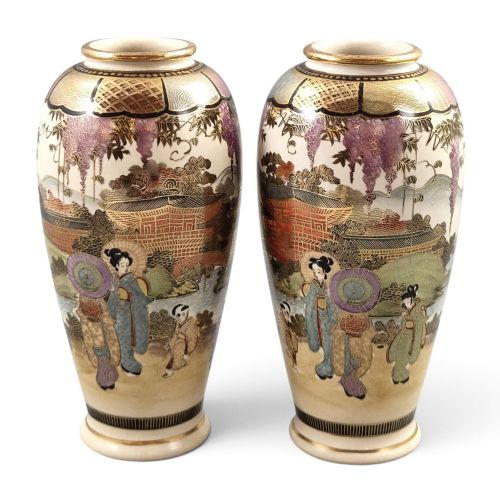
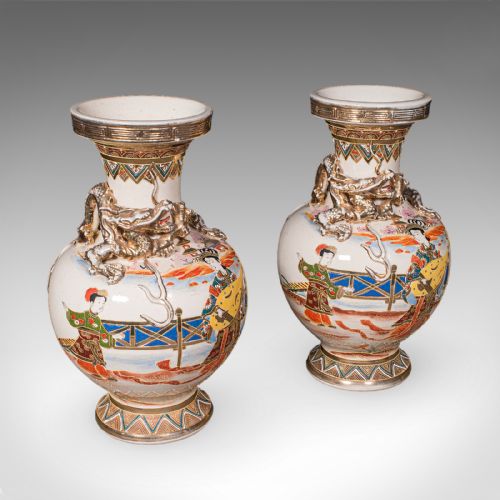
The selections on this page centre heavily upon Japanese Satsuma wares from Kyoto, Tokyo, and Kobe, alongside Qajar Persian ceramics and British faience. Forms range from miniature cabinet vases and footed incense burners to monumental garniture sets and decorative bowls.
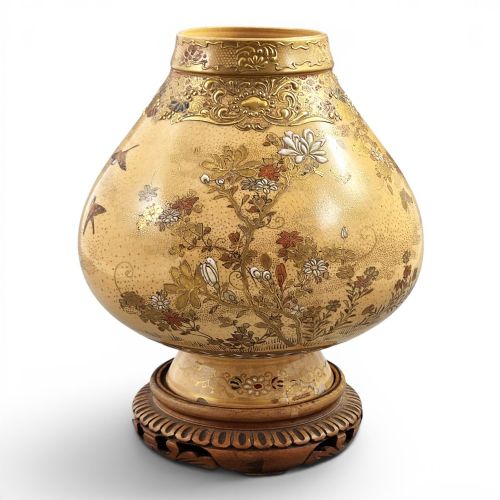
Makers and studios decorated these surfaces with court figures, landscapes, flora, and fauna, frequently accented with enamel and gold leaf. Collectors select these objects to display hand-painted detail and the intentional network of fine lines within the glaze.
How they were made
Potters shaped ceramic and earthenware bodies into baluster vases, hexagonal jars, and bowls before applying specialised glazes designed to craze during cooling. Artisans then hand-painted complex scenes using polychrome enamels, cobalt blue pigments, and gold leaf or gilt detailing.
Many Japanese and Persian workshops layered raised enamel work, known as moriage, over the crackled ground to create tactile surface relief. Kiln workers controlled firing temperatures to set the metallic highlights and fix the intricate narrative or botanical designs across the earthenware.
Listings feature earthenware and ceramic vessels decorated during the Victorian, Edwardian, Meiji, Taisho, and Showa periods.
What varies in quality
Quality rests upon the precision of the hand-painted artistry, the delicacy of the figural or landscape scenes, and the clarity of the underlying glaze network. Master studios employed skilled artists who rendered facial expressions, robes, and natural foliage with exceptional fineness.
The application of gold leaf and enamel relief distinguishes standard decorative production from the output of celebrated makers and workshops. Heavier bodies and well-balanced proportions in larger vases and bowls indicate superior ceramic execution.
Manpei·Gyokkō·Kinkōzan Workshop·Kinzan·Ryuzan·Chosei·Kinkozan·Seiko-en Chokei·Choshuzan·Jissei·Yoshisada·Tokyo Taizan·Shizan·Shozan·Hattori·Hayakawa·Le Manceau
The Crackled Glaze Pottery Glossary
- Satsuma
- Earthenware originating from the Satsuma province in Japan, characterised by an ivory-coloured, crackled glaze and elaborate enamel and gilt decoration. Production later centred extensively in Kyoto studios.
- Moriage
- A decorative technique using slip applied in dots or lines to build up raised patterns on ceramic surfaces before firing. This method adds significant texture beneath or beside the painted enamel scenes.
- Koro
- A traditional Japanese incense burner typically featuring a pierced cover and supported on three or more feet. These vessels often utilise crackled glazes and detailed figural panels.
- Gilt
- A thin layer of gold applied to the surface of ceramic bodies or glazes to highlight rims, borders, and specific motifs. Artisans used this to frame intricate painted compositions.
- Baluster
- A vase shape with a rounded body that tapers toward the base and swells outward before narrowing into a distinct neck. This form provides a broad canvas for landscape and court scenes.
Crackled Glaze Pottery: Frequently Asked Questions
How do I date Japanese Satsuma pieces?
Dating Satsuma ceramics involves examining the signatures, kiln marks, and stylistic shifts between the late Edo period, the Meiji era, and the Taisho period.
Earlier nineteenth-century examples often display softer crackle patterns and restrained gilding, whereas pieces from the peak Meiji era tend to feature denser figurative scenes and heavier gold highlights.
Were these ceramic vessels used for display?
Many objects on this page, including large baluster vases, ginger jars, and decorative bowls, served primarily as ornamental display pieces in domestic interiors rather than utilitarian vessels.
Specialist items like koro burners and tea jars combined functional forms with intricate miniature painting intended for quiet contemplation in reception rooms.
How should I care for antique ceramic vases?
Antique ceramic vases and bowls require gentle dusting with a dry, soft cloth and should be kept away from direct sunlight to protect fragile enamel colours and gold leaf.
Displaying them on stable surfaces prevents accidental knocks, and avoiding water prevents moisture from entering historical crackle lines in the earthenware body.