
Antique Oriental Vessel
An antique oriental vessel brings centuries of master craftsmanship into a room, offering functional beauty through historic bronzes, porcelains and earthenware.
Antique Oriental Vessel
When you search for an antique oriental vessel, you encounter a diverse range of historic utilitarian and decorative objects originating from China and Japan. These pieces span multiple centuries, from early ceramic water pots and Ming dynasty bronzes to large Meiji period vases and Qing dynasty censers.
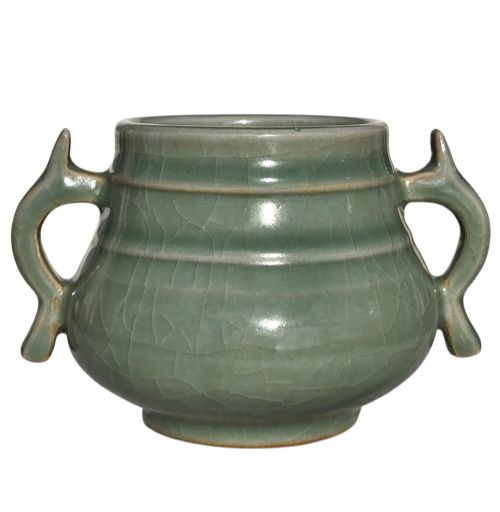
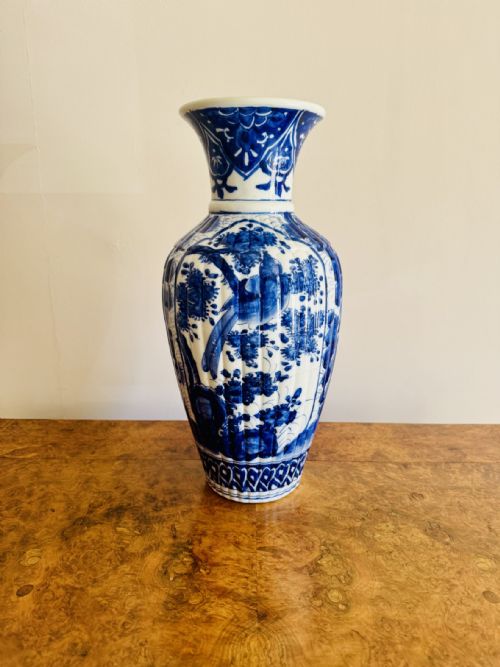
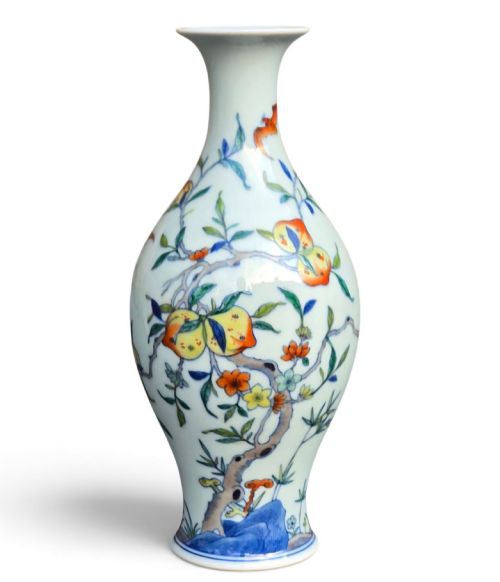
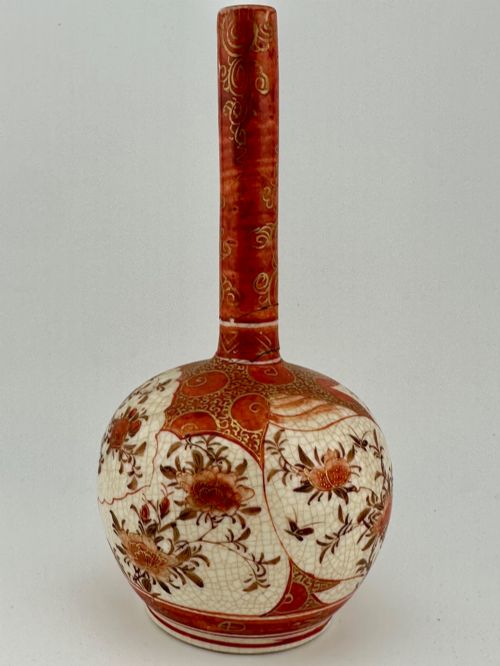
You are most likely to meet bronze censers and porcelain vases on this page, reflecting the strong survival rate of metalwork and ceramic wares from the nineteenth and early twentieth centuries. These take forms such as tripod incense burners, ginger jars, decorative bowls, and scholar's brush pots.
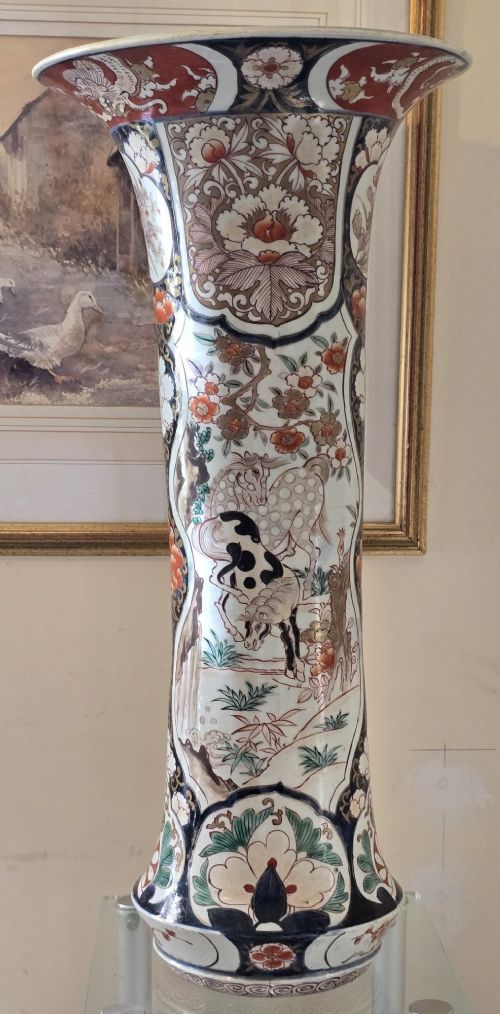
The materials and styles range widely across dynasties and reigns, including archaic bronze forms with taotie decoration, cloisonne enamel items, and Imari porcelain. Each vessel carries the distinct aesthetic conventions of its period of origin, shaped by court tastes or regional workshops.
Materials and methods of construction
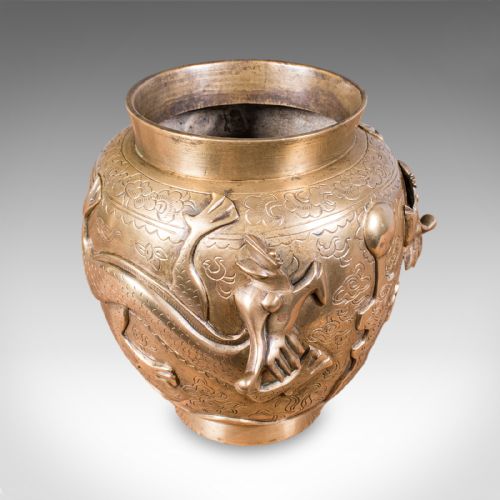
Metal vessels rely heavily on bronze casting, frequently utilising lost-wax techniques to achieve complex shapes like tripods, dragon handles, and qilin finials. Artisans often enhanced these bronze surfaces through meticulous inlays of other metals, gold leaf applications, or detailed high-relief chasing.
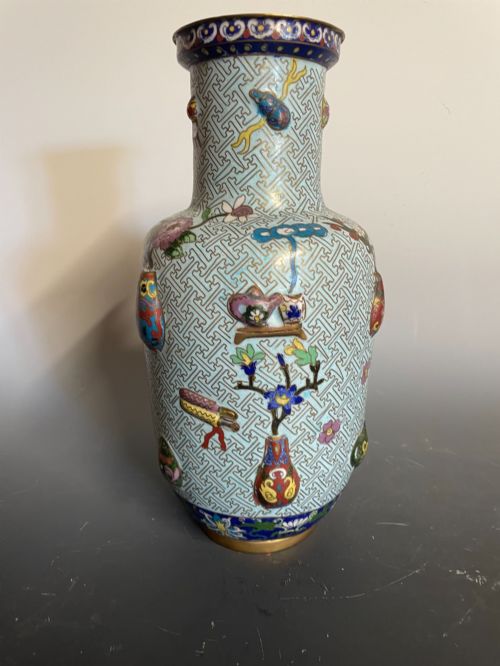
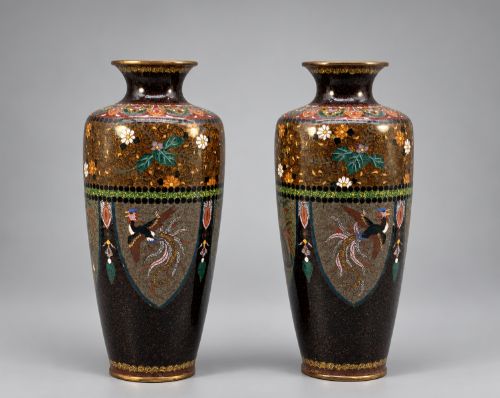
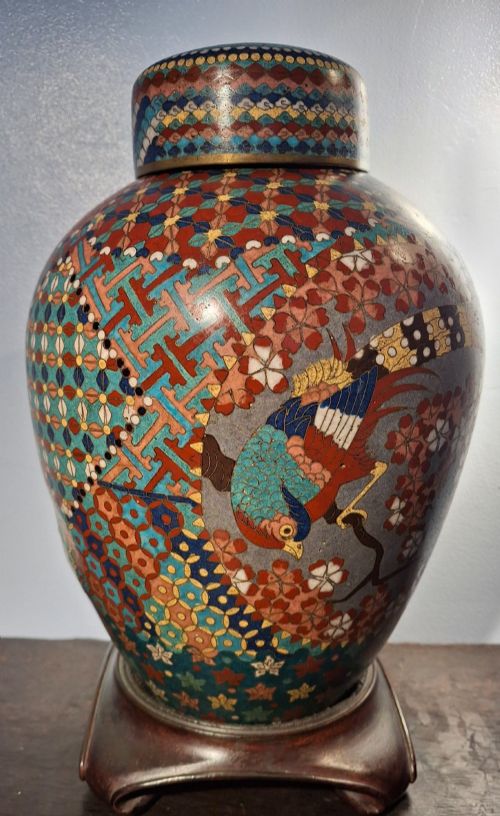
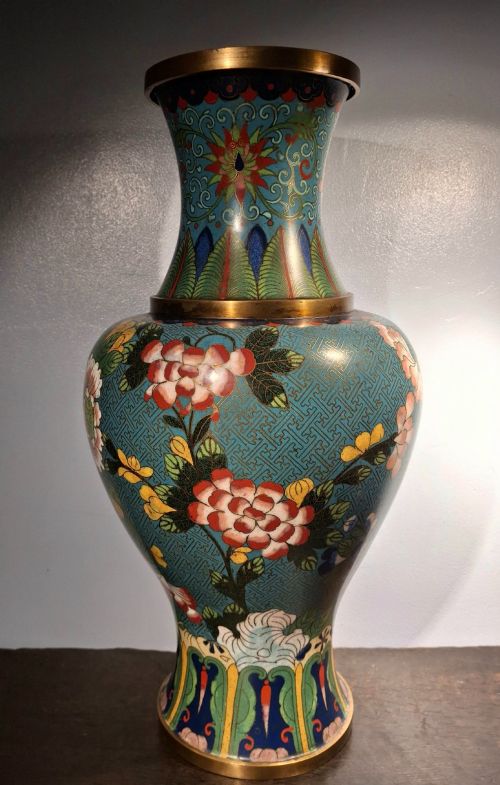
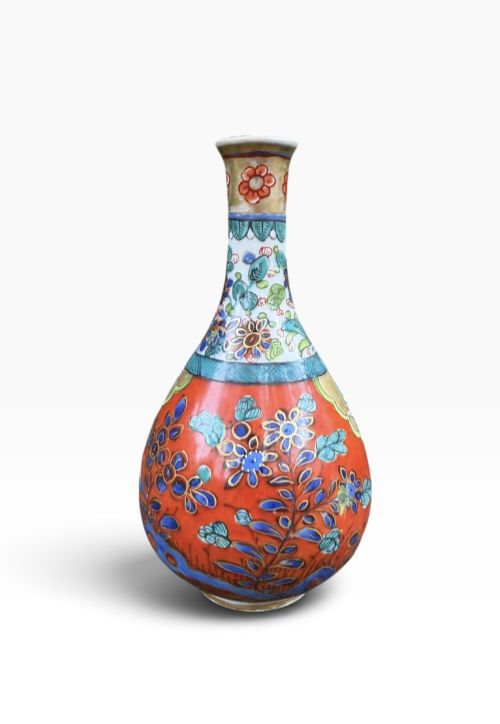
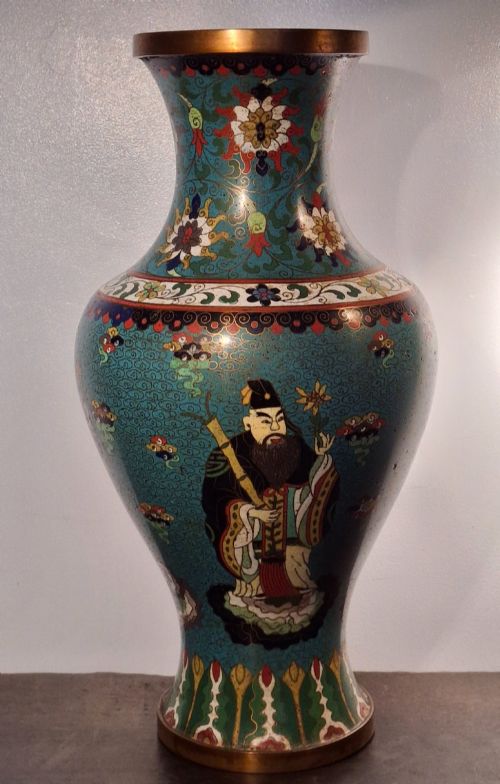
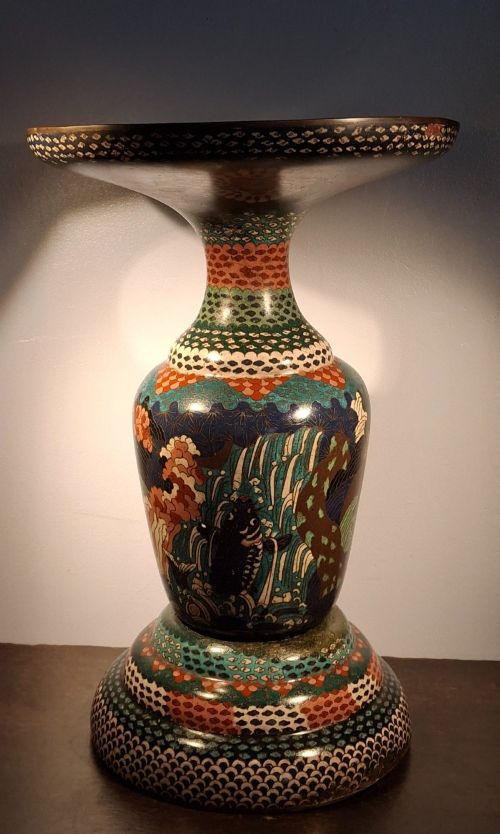
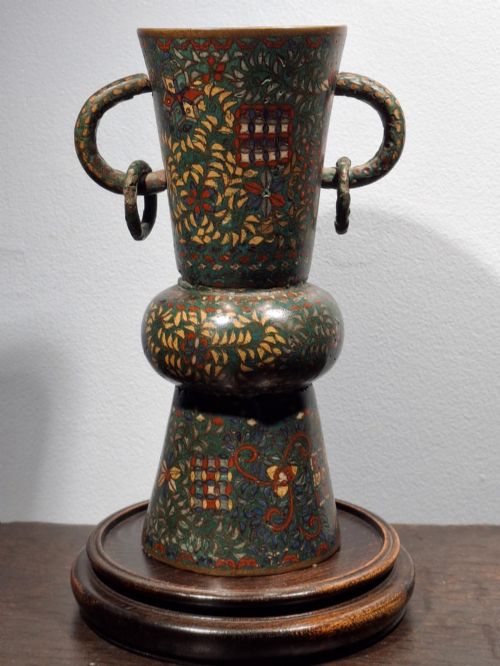
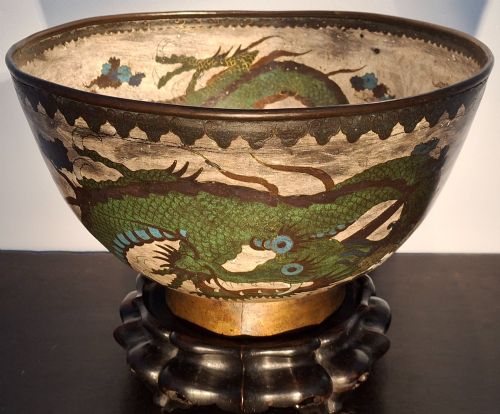
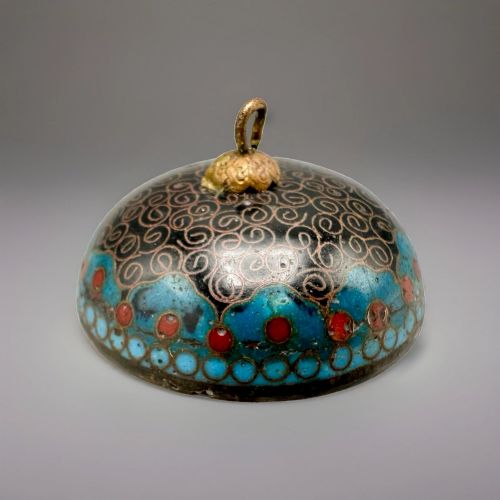
Ceramic pieces involve shaping clays such as earthenware, porcelain, or red Tokoname clay, followed by high-temperature firing and hand-painting with pigments or glazes. Cloisonne examples require soldering delicate metal wires to a metal base to form cells, which are then filled with coloured enamel pastes before firing and polishing.
Several bronze censers feature fierce qilin and dragon finials keeping watch over centuries of quiet study.
Distinctions in quality and execution
The standard of an antique oriental vessel rests primarily on the crispness of its casting, carving, or painting. Masterworks display deeply defined relief work, secure and precise enamel cells, and balanced proportions without distortion from the kiln or mould.
Material weight and finish also separate standard pieces from exceptional examples. Heavy, substantial bronzes with well-preserved patinas, deliberate archaistic details, and custom elements indicate superior workshop production rather than mass commercial output.
KANASAWA
The Antique Oriental Vessel Glossary
- Censer
- A vessel designed for burning incense during rituals or domestic use. They frequently feature tripod legs, pierced covers, and animal-form handles.
- Meiji Period
- A Japanese historical era spanning from 1868 to 1912 marked by opening trade and exceptional decorative metalwork and ceramics. Pieces from this time often show sophisticated patination and naturalistic motifs.
- Cloisonne
- A decorative metalwork technique where wire compartments are soldered to a body and filled with enamel. This creates vibrant coloured patterns across vases, bowls, and small jars.
- Brush Pot
- A cylindrical vessel used by scholars to hold writing brushes. These items appear in materials ranging from carved wood and horn to porcelain and bronze.
- Archaistic
- A stylistic choice where later makers deliberately emulate the archaic forms and decorative motifs of ancient dynasties. It connects nineteenth-century production to early ritual bronzes.
Antique Oriental Vessel: Frequently Asked Questions
What is a censer used for?
A censer served primarily to burn aromatic incense during traditional rituals, scholarly gatherings, or domestic reflection. Their pierced covers allowed scented smoke to drift freely through the room.
Over time, these vessels transitioned into purely decorative art objects displayed for their intricate cast bronze forms and symbolic ornamentation.
How do I identify a Meiji period piece?
Japanese items from the Meiji period often display distinct naturalistic motifs like birds, blossoms, and figures, executed with high technical precision. Bronze works from this era typically feature sophisticated patination and metal inlay.
Matching the stylistic markers against the dates of the Meiji era helps confirm the manufacturing window of the object.
How do I care for antique bronze?
Antique bronze requires minimal intervention to preserve its historic surface and natural patina. Keep the metal away from direct moisture and handle it with clean hands to prevent skin oils from affecting the finish.
Dust the surface gently with a soft, dry cloth rather than applying commercial polishes that strip away age.