

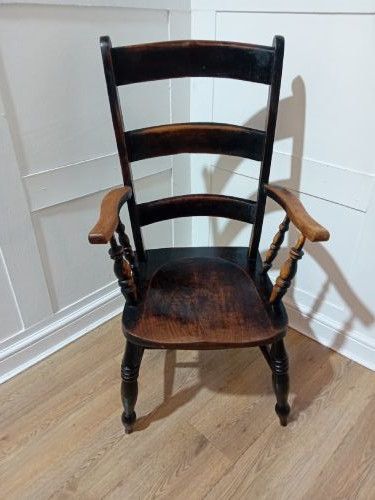

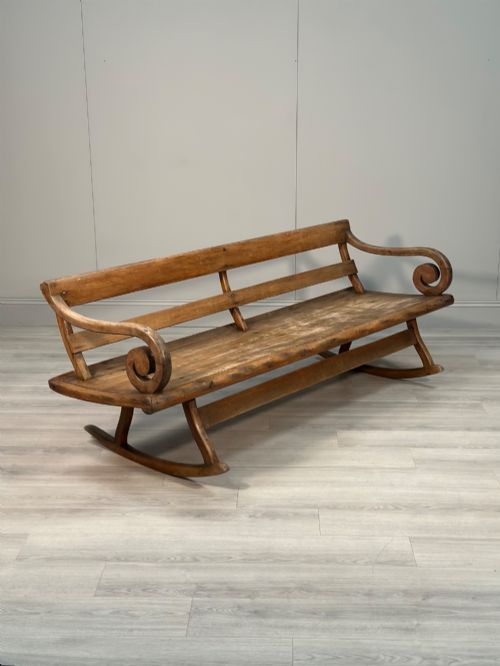
Country Wooden Seat
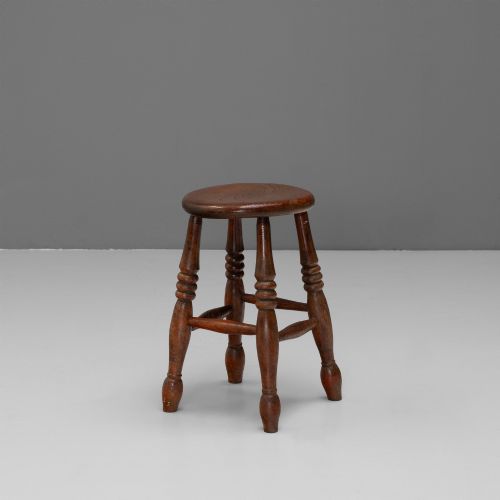
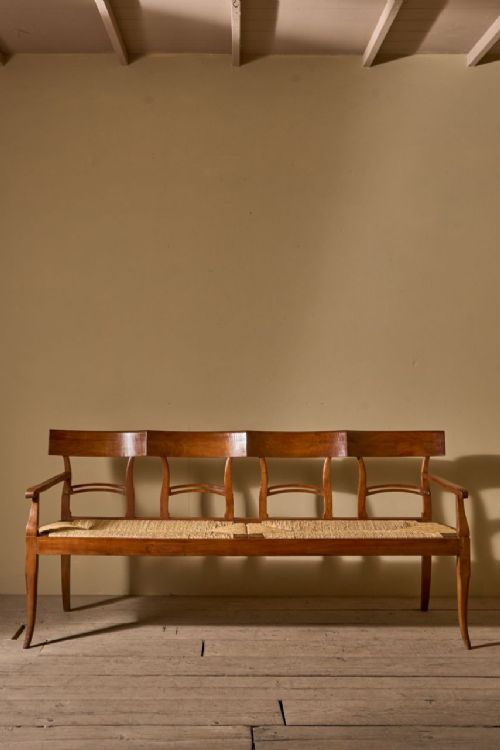
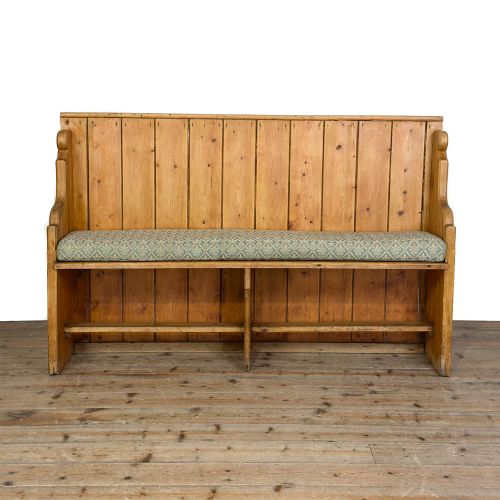
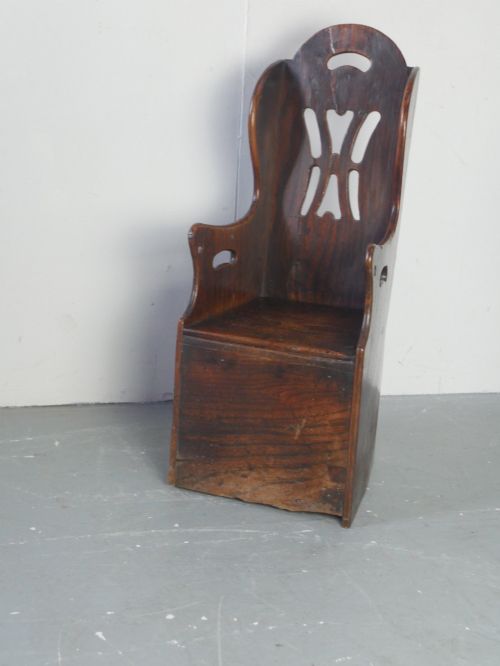
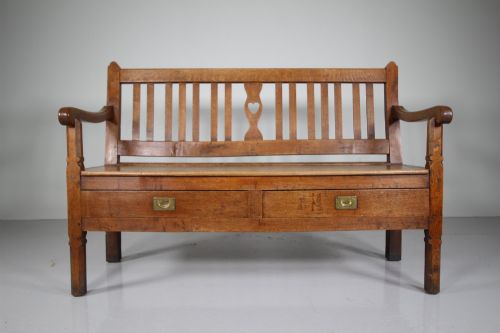
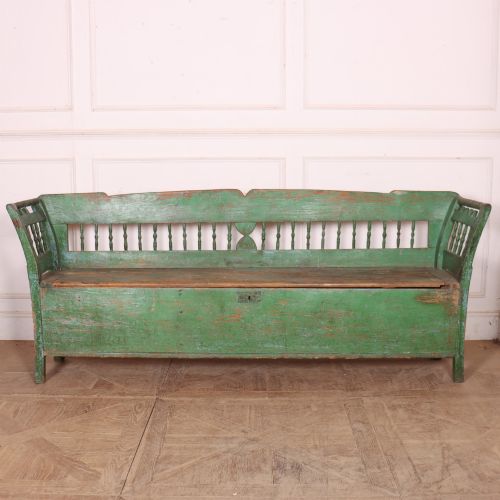
A country wooden seat brings vernacular honesty and honest timber into a room, spanning simple stools to grand eighteenth-century settles.
Country Wooden Seat
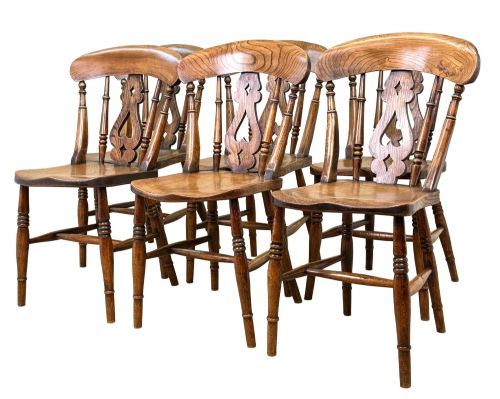
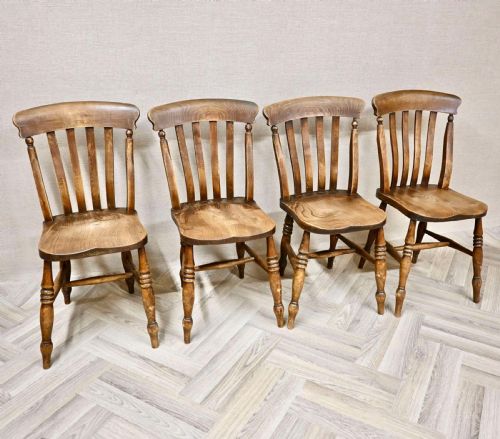
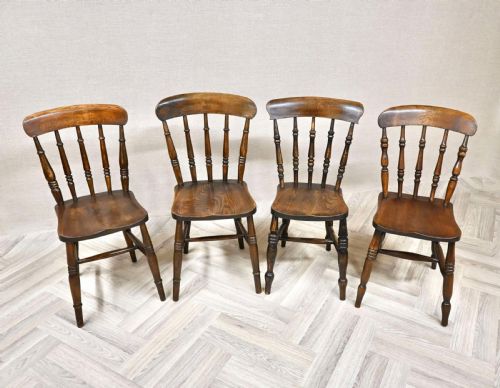
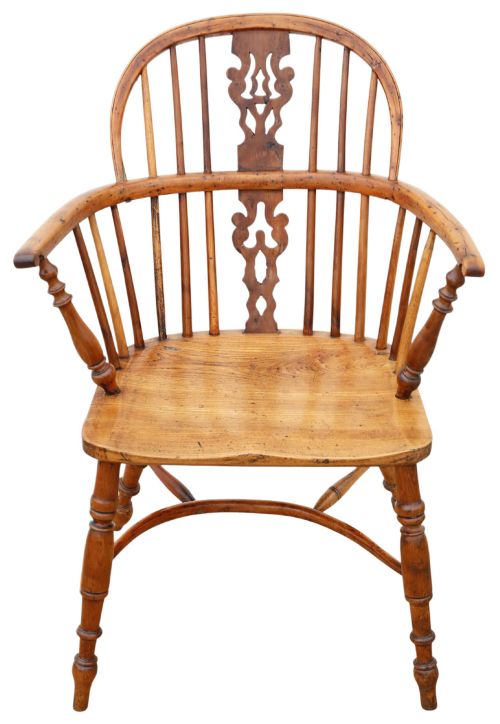
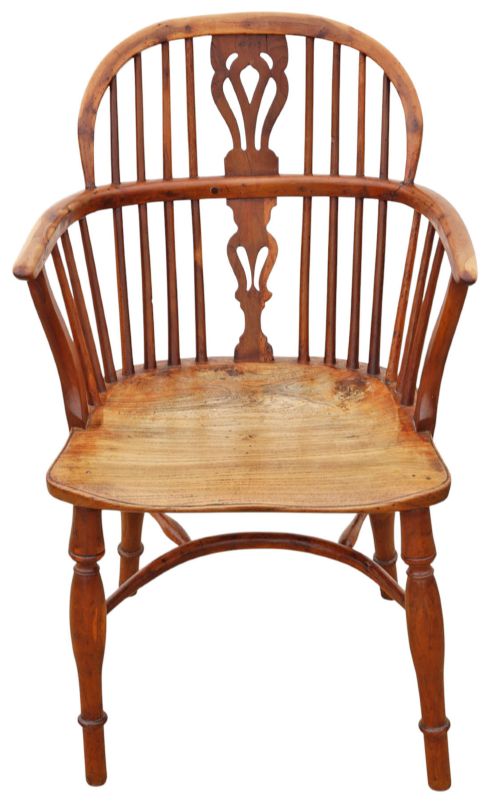
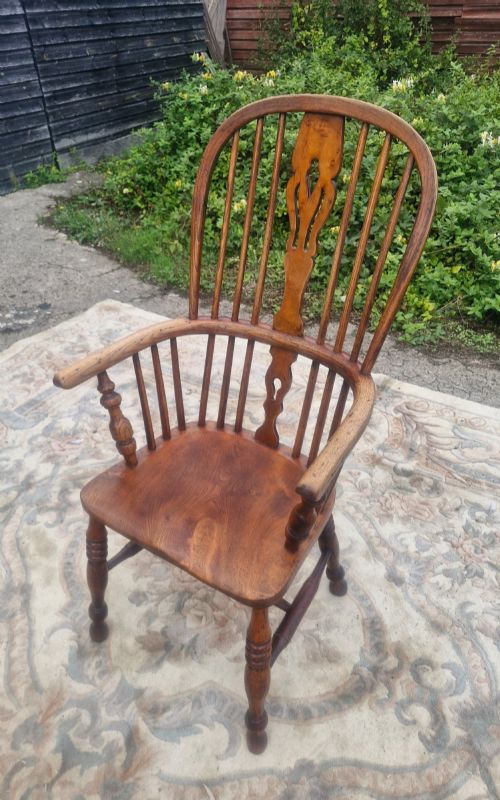
A country wooden seat encompasses a wide variety of domestic furniture, most commonly appearing as farmhouse Windsor chairs, oak settles, and sturdy kitchen stools from the eighteenth and nineteenth centuries. Buyers searching for a country wooden seat will encounter pieces fashioned for practical daily use in farmhouses, cottages, and taverns rather than formal urban parlours.
Materials and construction
Construction relies on native hardwoods chosen for strength and resilience, combining elm for sculpted seats, ash or beech for spindles and legs, and yew or oak for structural frames and armbows. Joinery methods embrace traditional pegged joints, wedged tenons, and steam-bent components designed to withstand generations of heavy domestic wear.
Surfaces frequently show the honest patination of age, remaining in original finish or bearing traces of old paint and scrubbed pine. Makers utilised local timber resources directly, resulting in robust vernacular items shaped by function and regional woodworking practices.
Judging character and integrity
Quality rests in the originality of the timber, the depth of patination accumulated through use, and the structural integrity of the joints. Finer examples retain their original saddle seats, well-turned spindles, and uncompromised proportions without excessive replacement parts.
The distinction between ordinary utility items and superior examples lies in the grace of the turning, the complexity of the stick or wheelback construction, and the harmonious integration of multiple woods such as yew and elm in high-grade Windsor chairs.
The Country Wooden Seat Glossary
- Saddle seat
- A wooden chair seat sculpted with hollows for comfort, often shaped from a single thick slab of elm.
- Settle
- A high-backed wooden bench with solid sides and often a box base beneath the seat, designed to keep out drafts.
- Windsor chair
- A chair built with a heavy wooden seat into which the legs and back spindles are independently tenoned.
- Joint stool
- A low wooden stool constructed with mortise and tenon joints using pegs, common before chairs became universal.
- Vernacular furniture
- Domestic items made by local craftspeople using regional traditions and materials, distinct from high-style urban cabinet-making.
Country Wooden Seat: Frequently Asked Questions
How do I care for an old wooden seat?
Keep wooden seating away from direct heat sources and sudden humidity changes to prevent the timber from splitting or joints from loosening.
Apply a microcrystalline wax occasionally to nourish the surface and preserve the patination without trapping moisture.
Are these seats comfortable for daily use?
Many traditional country seats feature ergonomically carved elm saddle seats and supportive spindle backs designed for long hours of use.
Adding a simple loose cushion can provide extra comfort while keeping the historic wooden surface visible.
What is the difference between a Windsor and a ladderback?
Windsor chairs utilise a solid thick wooden seat base into which separate turned spindles and legs are fitted directly.
Ladderback chairs feature a frame construction with horizontal slats between upright posts, often fitted with woven or tapestry seats.
How can I tell the age of a country chair?
Examine the tool marks, the method of construction, and the wear patterns around the footrests and seat edges.
Older eighteenth-century pieces often display hand- pit-sawing marks, pegged joinery, and deep surface patination distinct from later Victorian copies.