

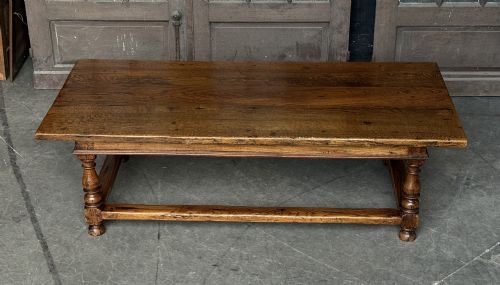
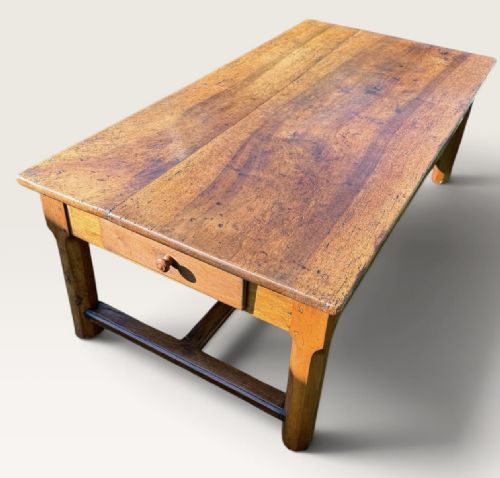
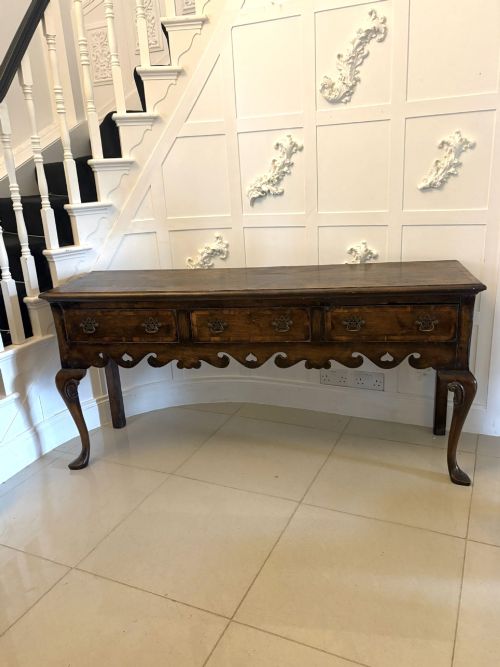
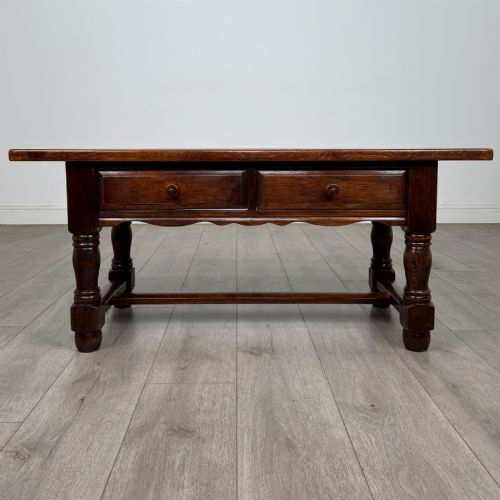

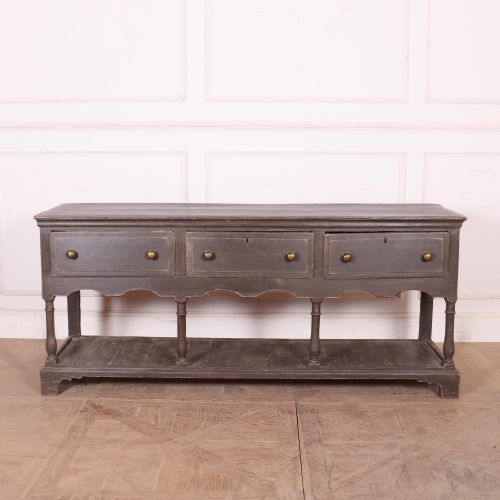


Country Style Low Table
These country style low table pieces are low-built domestic furnishings fashioned from solid woods, offering sturdy utility for daily living.
Country Style Low Table
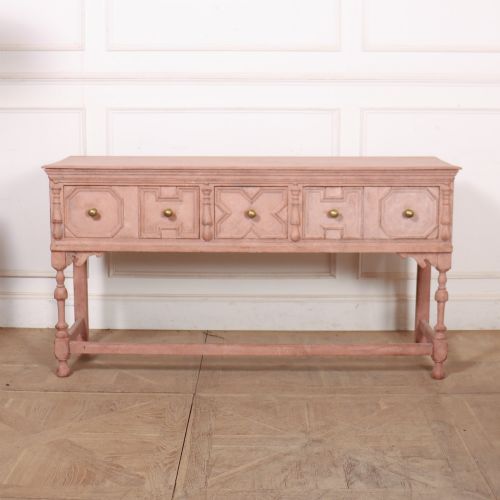
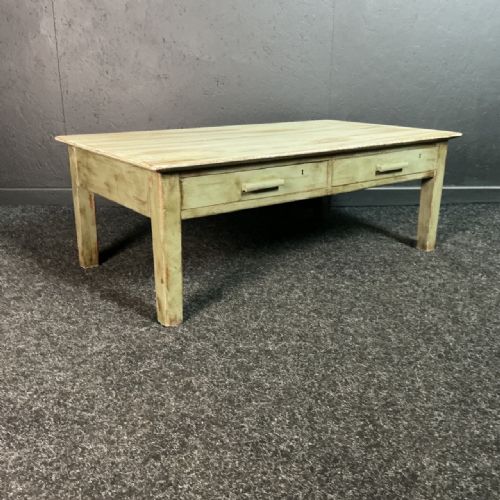
A country style low table encompasses low-slung coffee tables, low boys, side tables, and adapted dresser bases drawn from various periods including the 18th century, 19th century, and early decades of the 20th century. These forms originate from distinct traditions such as English country, French provincial, and rustic farmhouse aesthetics.
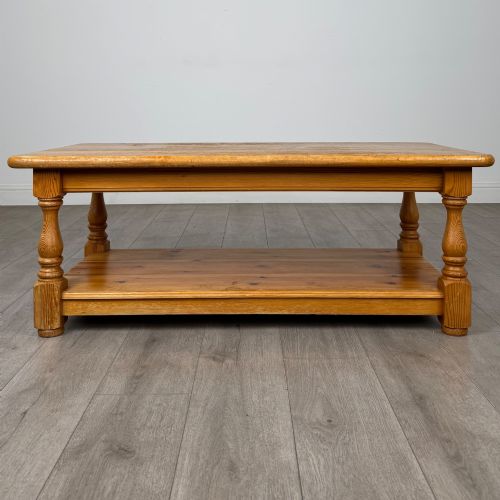
Buyers most frequently encounter coffee tables and low side tables rendered in pine, oak, and fruitwood. Many pieces reflect revival or later interpretations of earlier periods, such as Georgian style and Jacobean revival.
The category bridges formal antique cabinetry and utilitarian country use. Lower proportions emerge through either original domestic design or later adaptation of taller serving pieces.
How they were made
Makers utilised solid timbers including oak, pine, cherrywood, walnut, and fruitwood, often selecting local woods for regional construction. Surfaces frequently display visible grain, pegged joints, and hand-turned legs.
Finishes range from bare timber and polished wood to historical painted treatments. Additional materials such as brass fittings, marble tops, and leather upholstery appear on specific stylistic variants.
Country Style Low Table Retail Price Guide 2026
Typical asking prices for country style low table among the pieces listed under this phrase on Sellingantiques today, from the lower quarter to the upper quarter. They describe what is for sale here now, not the wider market.
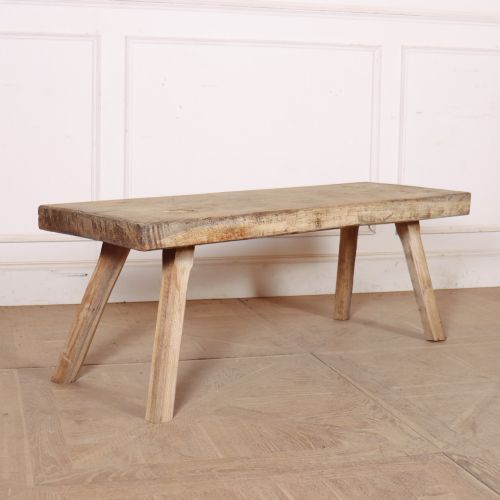
Some pieces started life holding joints of meat in the pantry before retiring to hold coffee cups.
What varies in quality
Quality rests in the selection of timber and the integrity of the joinery, distinguishing sturdy hand-built construction from lesser assembly. Grain figure in woods like oak, walnut, and cherrywood elevates the visual presence of a piece.
Proportion and adaptation define the upper tier of the range. Tables retaining their original height and unaltered structural elements command greater regard than pieces heavily modified from taller historical furniture.
The Country Style Low Table Glossary
- Dresser base
- The lower section of a traditional kitchen storage unit featuring cupboards and drawers, frequently adapted into low serving or console tables.
- Low boy
- A small, low-standing table fitted with drawers, originating in the 18th century and commonly used as a side or hall table.
- Joint stool
- A sturdy wooden stool constructed with pegged mortise and tenon joints, sometimes repurposed for low surface use.
- Potboard
- An open slatted lower shelf incorporated into the base of a dresser for storing heavy kitchen pottery.
- Fruitwood
- Timber sourced from fruit-bearing trees such as cherry or apple, prized by country cabinet makers for its fine grain and warm tone.
Country Style Low Table: Frequently Asked Questions
What is a country style low table?
It is a low wooden furnishing designed for living spaces, drawing upon vernacular English, French, and provincial traditions.
The category includes coffee tables, low boys, and adapted side tables constructed from materials like oak, pine, and fruitwood.
How do I date an antique low table?
Dating relies on examining the timber species, construction techniques like pegged joinery, and the style of the legs or apron.
Pieces range from 17th-century forms to 20th-century revivals, with Edwardian and Victorian interpretations appearing frequently in the selection.
Were these tables originally low?
Many tables retain their original low proportions, such as traditional coffee tables and low boys built for specific domestic tasks.
Others originated as taller items, such as dresser bases or serving tables, which were subsequently reduced in height for modern use.
How do I care for wooden low tables?
Maintenance involves protecting the timber surface from excessive moisture, direct heat sources, and sharp impacts.
Regular dusting and occasional application of appropriate wax help preserve the natural finish of woods like oak, pine, and cherrywood.