


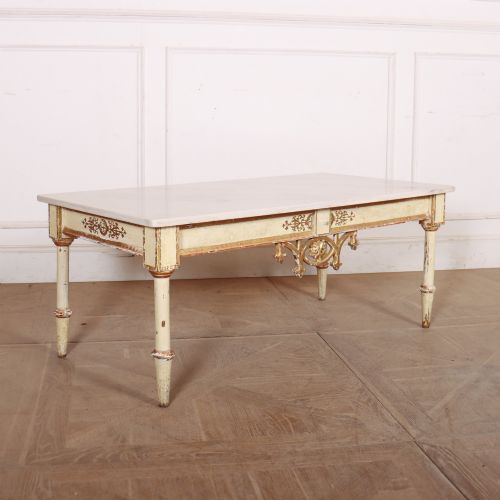


Vintage Painted Coffee Table
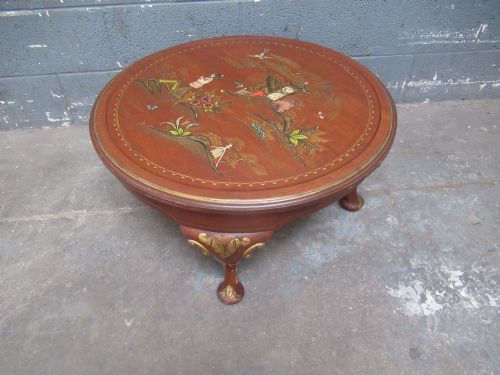
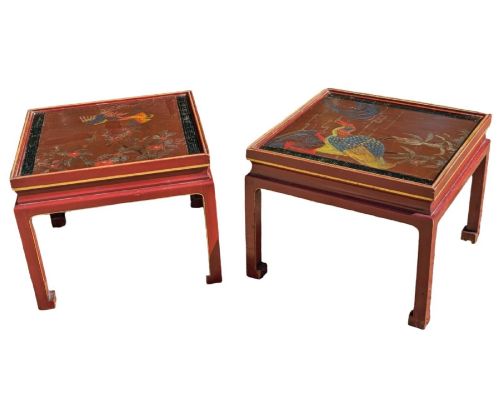
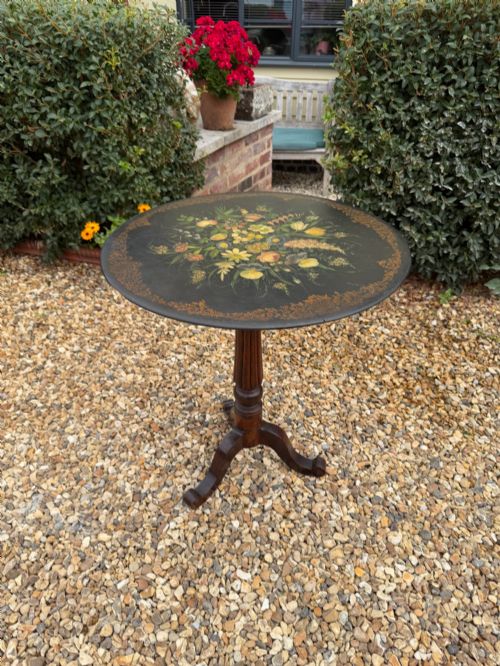
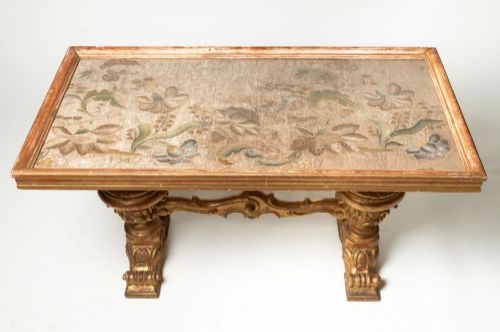
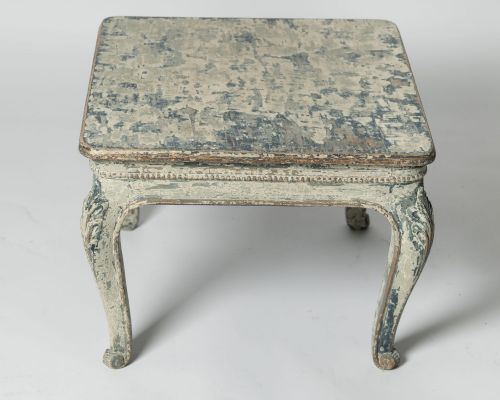
A vintage painted coffee table brings character to a room through decorative surfaces spanning from nineteenth century to twentieth century origins.
Vintage Painted Coffee Table
When you search for a vintage painted coffee table, you encounter a varied selection of low surfaces adapted from earlier furniture forms or built specifically for functional use. These pieces bridge utilitarian needs and decorative arts, often taking the shape of low tables, tray tables, or nests.
The selections on this page draw from multiple eras, ranging from nineteenth century items to twentieth century creations. You find English, French, Italian, and Asian pieces utilising diverse painting traditions.
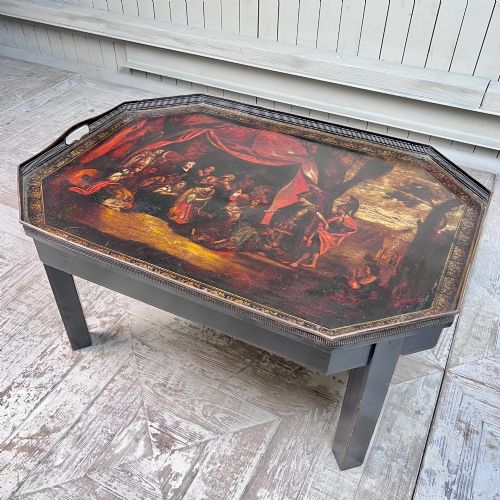
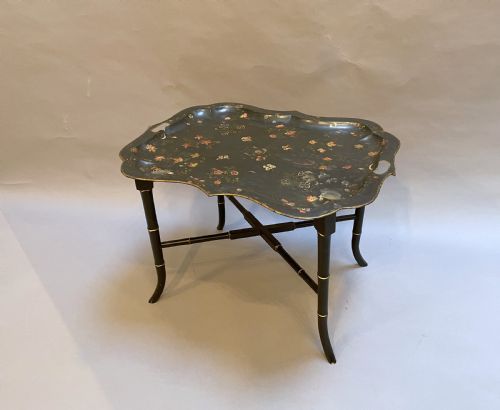
Tray tables and low occasional tables dominate the selection, frequently featuring decorated tops supported by folding or fixed stands. These forms reflect both formal reception rooms and casual garden spaces.
How they were made
The construction relies on woods such as oak, pine, and hardwood, alongside metals, iron, and papier-mâché for specific structural requirements. Artisans applied layers of paint, lacquer, and sometimes gold leaf to the primary surfaces.
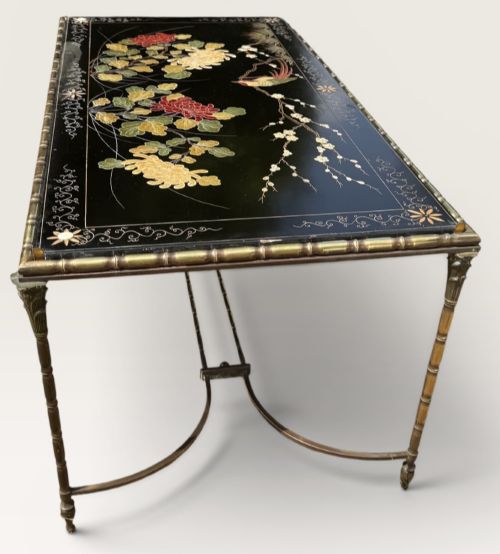
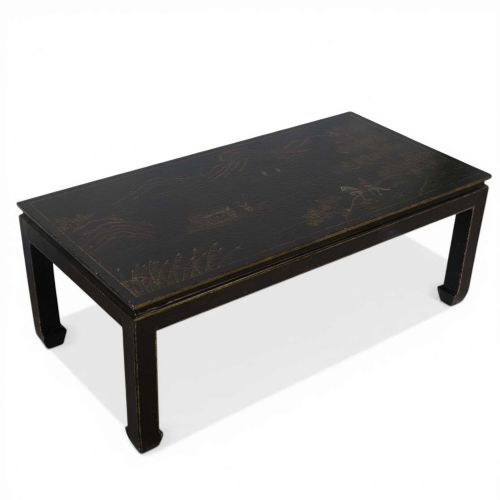
Decorative techniques include hand-painted scenes, japanning, and intricate Chinoiserie motifs applied over prepared wooden grounds. Marble tops also appear, set into cast iron or carved wooden frames for added durability.
Vintage Painted Coffee Table Retail Price Guide 2026
Typical asking prices for vintage painted coffee table among the pieces listed under this phrase on Sellingantiques today, from the lower quarter to the upper quarter. They describe what is for sale here now, not the wider market.
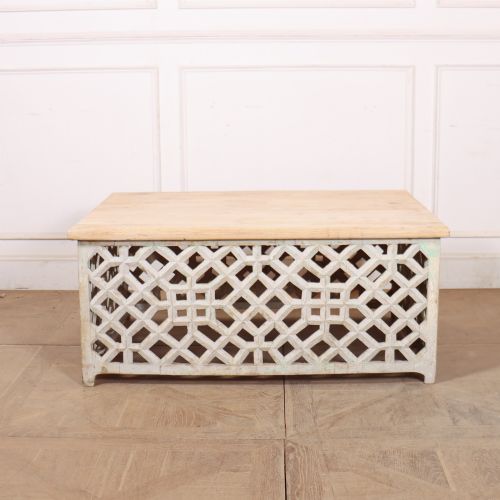
One piece repurposes a traditional trunk into a low table, proving that storage solutions make surprisingly comfortable companions for your coffee.
What varies in quality
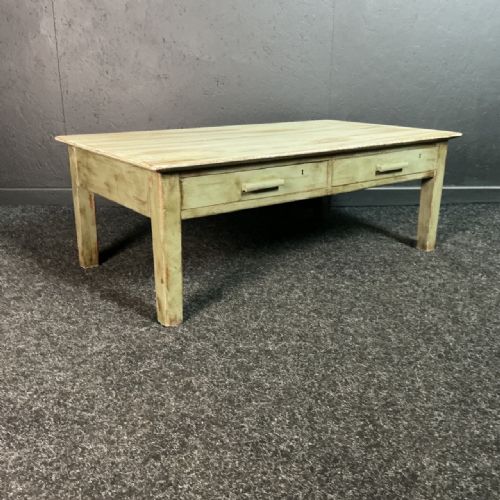
The refinement of the painted surface determines much of the visual distinction among these items. Fine execution shows in detailed pictorial scenes and careful layering of lacquer, whereas simpler pieces rely on plain painted finishes over rustic pine or oak.
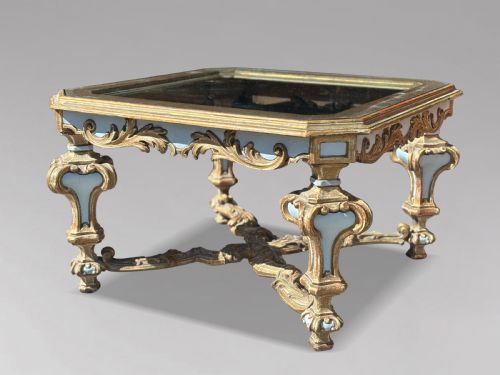
Materials also dictate the character of the piece, with imported marble tops, gilt accents, and specialised metal stands marking more ambitious production. The integration of tray tops onto sturdy stands requires careful proportion to ensure stability.
Maison Bagues·Harrods
The Vintage Painted Coffee Table Glossary
- Toleware
- Painted or japanned metalware, typically tin or iron, frequently utilised for removable trays placed atop folding stands. These trays display decorative scenes or floral borders.
- Japanning
- European imitation of East Asian lacquerwork involving layered varnishes and heat drying. This technique created glossy dark surfaces adorned with raised metallic designs.
- Nest of tables
- Set of graduated tables designed to slide underneath one another for compact storage. They serve as versatile side or coffee surfaces in domestic interiors.
- Specimen marble
- Mosaic arrangement of various coloured marbles assembled in geometric or pictorial patterns. This technique appears on tabletops supported by iron or wood bases.
Vintage Painted Coffee Table: Frequently Asked Questions
How do I use a tray table as a coffee table?
Removable tole or lacquer trays rest securely upon folding or fixed wooden and iron stands. This arrangement allows the top surface to lift off independently.
Position the combination centrally in a seating area to serve drinks or display books, ensuring the stand height suits surrounding upholstery.
What is the difference between Chinoiserie and Japanned finishes?
Chinoiserie describes an overarching European style inspired by Chinese aesthetics, characterised by figures, landscapes, and floral motifs. Painted and gilt details define the visual presentation.
Japanning specifically refers to the varnishing technique that imitates Asian lacquer, typically producing a glossy dark surface beneath the decorative painting.
How do I care for a lacquered tabletop?
Lacquered and painted surfaces require gentle maintenance using a dry or slightly damp soft cloth. Avoid harsh chemical cleaners that can damage the underlying varnish.
Protect the finish from direct heat and moisture by using coasters and mats beneath cups and decorative objects.
Where were painted tray tables originally placed?
Nineteenth and early twentieth century households utilised these portable tables in reception rooms, drawing rooms, and garden spaces. Their lightweight construction enabled easy movement for serving refreshments.
Today, their compact proportions make them adaptable surfaces for contemporary living rooms and smaller seating arrangements.