



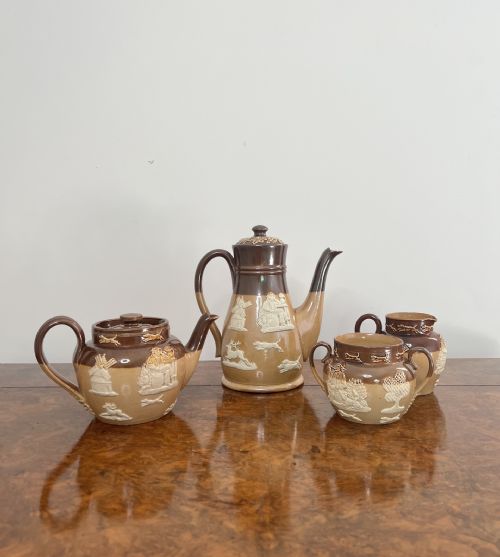


Country Pottery Pitcher
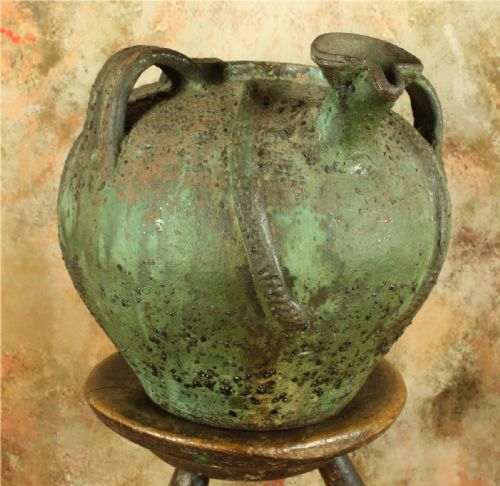
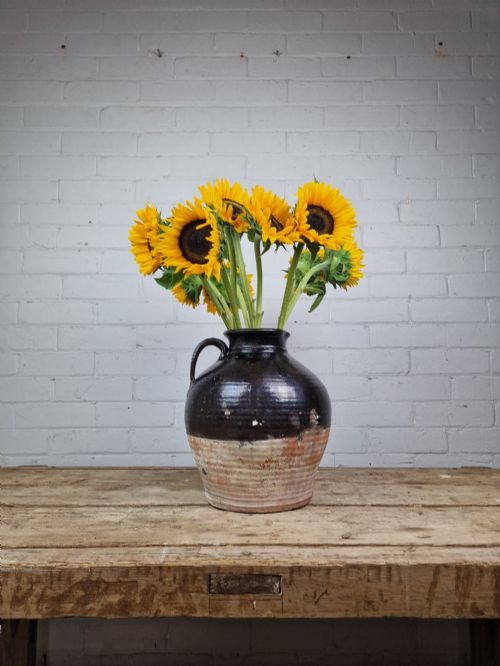
These country pottery pitcher pieces are earthy vessels shaped by hands across centuries, offering functional charm and historical depth to any room.
Country Pottery Pitcher
A country pottery pitcher represents utilitarian domestic earthenware and stoneware formed for daily tasks in rural homes and workshops. The selection here spans the seventeenth, eighteenth, and nineteenth centuries, alongside early pieces from the twentieth century.
Forms include large tavern jugs, oil pots, creamers, and puzzle jugs reflecting English, French, and Dutch origins. Buyers will encounter regional slipware vessels, tin-glazed polychrome jugs, and salt-glazed pieces from makers like Doulton Lambeth.
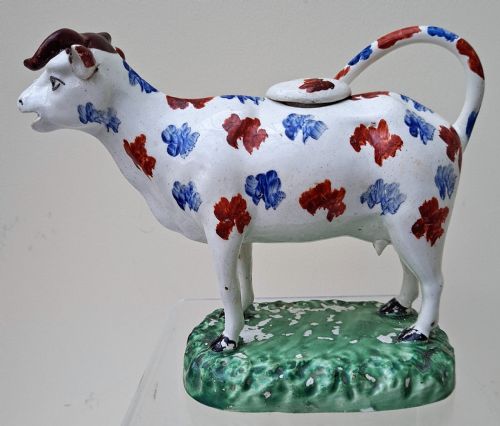
The aesthetic leans towards rustic country and Georgian folk art, with utilitarian shapes dominating the group. Everyday vessels such as cow creamers and strawberry jars sit alongside larger handled jugs intended for storage or serving.
How they were made
Potters shaped native clay on the wheel or by hand, finishing surfaces with lead glaze, tin glaze, or salt glaze to seal the porous body. Paint and slip trailing provided simple decoration on earthenware and terracotta bodies.
Firing took place in traditional kilns where heat control created natural variations in the glaze texture and body colour. Salt glazing involved throwing salt into the kiln during high heat to produce a distinctive pitted orange-peel finish on stoneware.
Several cows stand ready to pour cream from their mouths, proving that historical breakfast tables enjoyed a touch of zoomorphic humour.
What varies in quality
Quality rests upon the balance of the form and the richness of the glaze application. A well-thrown vessel shows confident handling of the clay with a pleasing weight and directness.
The character of the glaze and slipwork distinguishes standard utilitarian output from more expressive folk art examples. Surface depth, pooling of the lead or tin glaze, and the spontaneity of painted or trailed decoration elevate a piece.
Doulton Lambeth
The Country Pottery Pitcher Glossary
- Slipware
- Pottery decorated with slip, which is a liquid mixture of clay and water, applied before firing. This technique creates contrasting patterns and trailed lines across the earthenware body.
- Salt Glaze
- A finish achieved by throwing common salt into the kiln at peak temperature, reacting with the silica in the clay. The process forms a durable, glossy surface with a texture akin to an orange peel.
- Tin Glaze
- An opaque white glaze made by adding tin oxide to lead glaze, commonly used as a canvas for painted polychrome decoration. It defines much of the continental European pottery from earlier centuries.
- Toby Jug
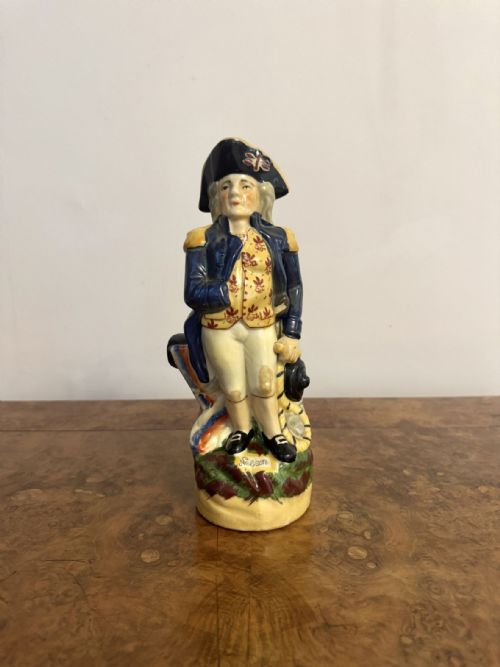
- A pottery jug shaped as a seated person, usually a robust figure holding a mug and beer mug. These figural vessels became popular during the Georgian period.
- Puzzle Jug
- A drinking vessel featuring a pierced neck and multiple spouts that challenges the drinker to imbibe without spilling the liquid. They demonstrate the playful side of traditional potters.
Country Pottery Pitcher: Frequently Asked Questions
What is a country pottery pitcher used for?
These vessels served practical purposes in historical homes, ranging from holding ale and oil to serving cream or water at the table. Larger jars and jugs managed kitchen storage and daily farm tasks.
Today, collectors use them primarily as decorative objects or flower vases that bring rustic character and historical texture to interior spaces.
How do I tell seventeenth-century slipware apart from nineteenth-century pieces?
Seventeenth-century slipware often displays heavier, earthier bodies with spontaneous trailed slip patterns and deep lead glazes that reflect early workshop methods. Nineteenth-century examples tend to show refined throwing techniques and more uniform decorative application.
Examining the wear patterns, the composition of the clay body, and the specific glaze characteristics helps clarify the period of production.
Are these pitchers waterproof for everyday use?
Many historic earthenware and slipware vessels were glazed to hold liquids, but age and hairline fractures can make them porous over time. It is safer to use a glass liner if you plan to display fresh flowers inside.
Gentle hand washing without harsh detergents preserves the historic glaze and any delicate surface paint.
What distinguishes salt glaze from lead glaze?
Lead glaze creates a smooth, glossy, transparent coating that warms the natural tone of the underlying clay body. Salt glaze produces a tougher, textured finish with a characteristic orange-peel surface resulting from chemical reactions inside the hot kiln.
Salt-glazed pieces are typically stoneware, whereas lead-glazed vessels are usually more porous earthenware.