



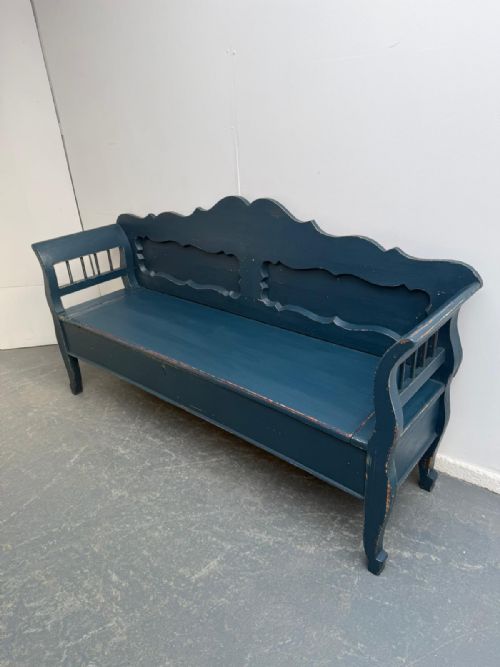
Country Pine Settle Bench
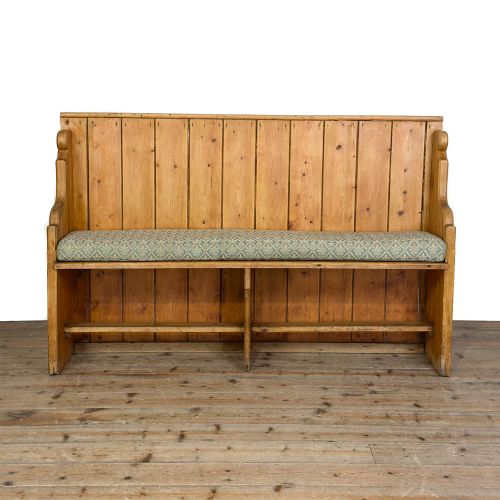
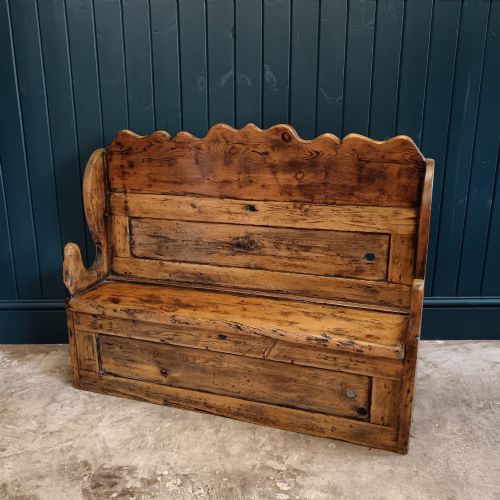
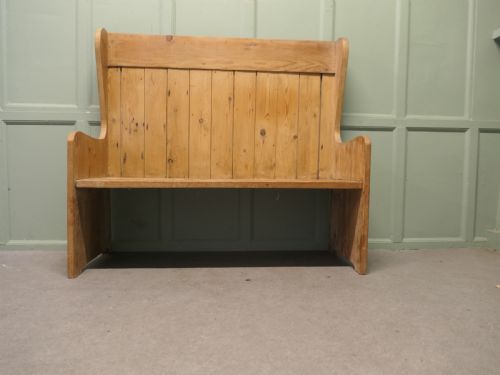
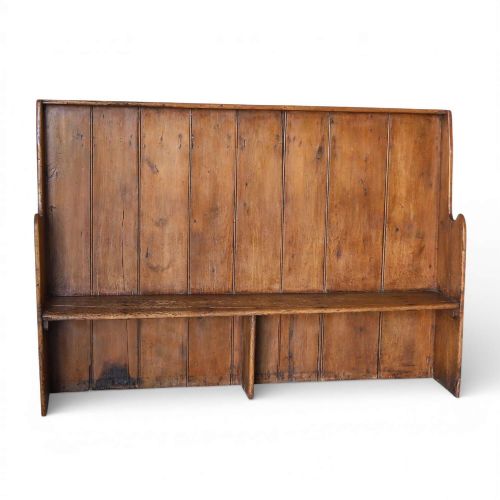
A country pine settle bench brings rugged vernacular warmth and high-backed fireside shelter into a modern hallway or kitchen.
Country Pine Settle Bench
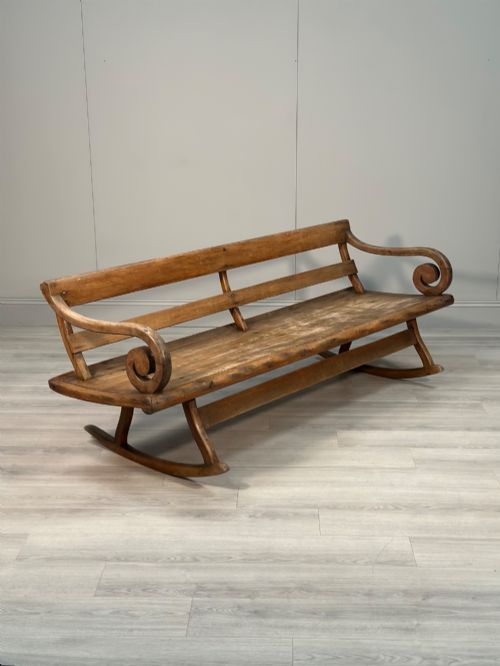
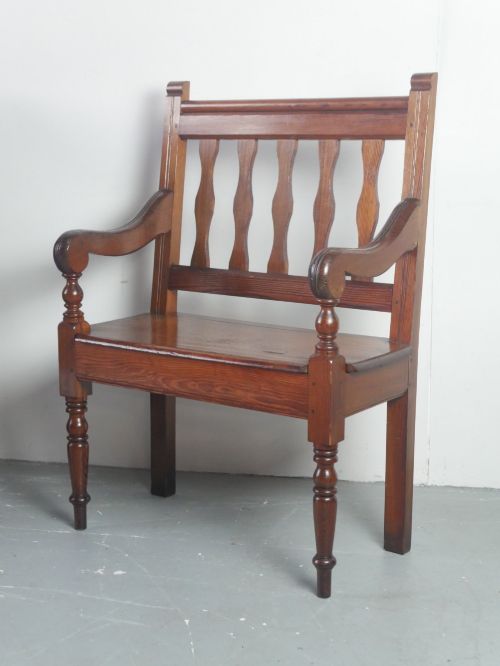
When you search for a country pine settle bench, you are looking at sturdy, high-backed wooden seating designed to block draughts in farmhouse kitchens and tavern taprooms. The pieces gathered here span several centuries, including Georgian and Victorian examples, alongside continental pieces originating from Hungary, Sweden, Spain, and Austria.
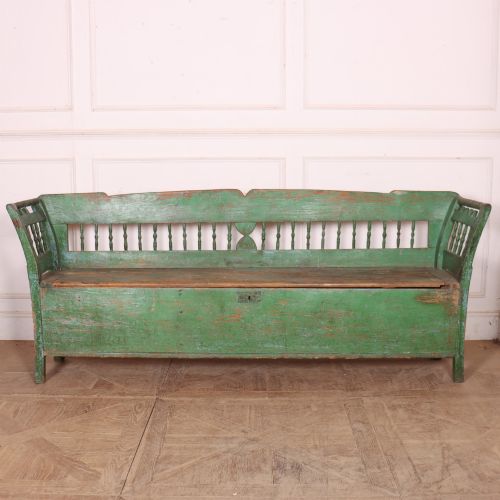
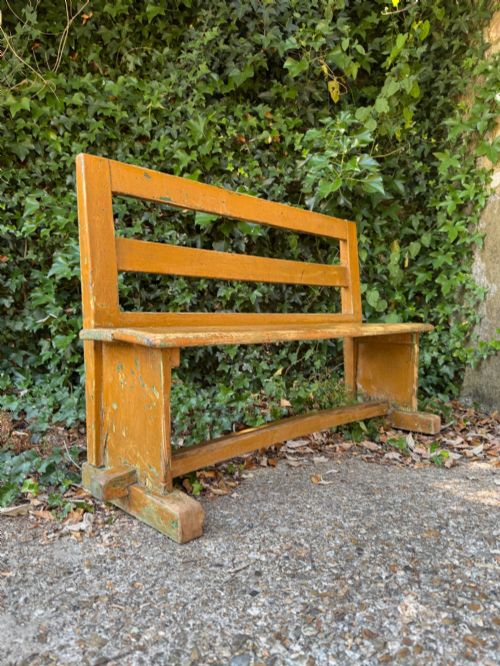
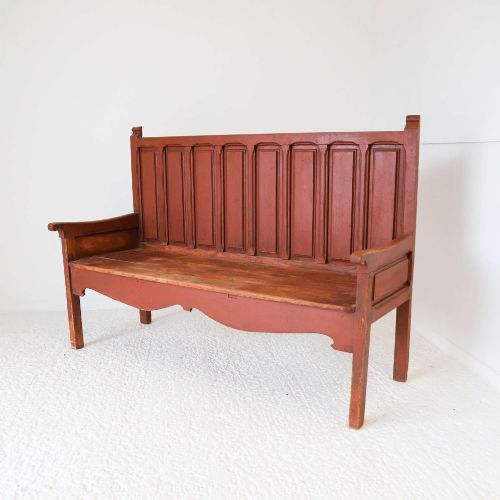
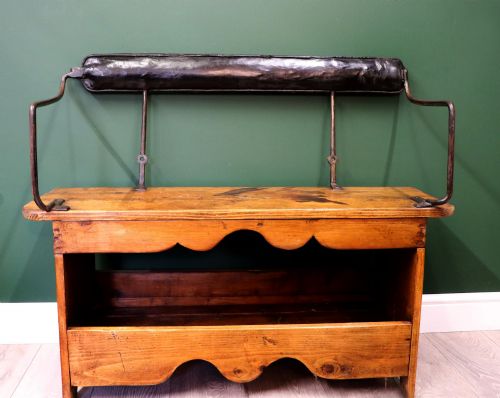
The forms vary from simple panelled benches and church pews to enclosed box settles with hinged seats for storage, and occasionally dual-purpose chair tables. You will encounter high-backed fireside versions built to trap heat from an open hearth, as well as slimmer hall benches intended for narrow passageways.
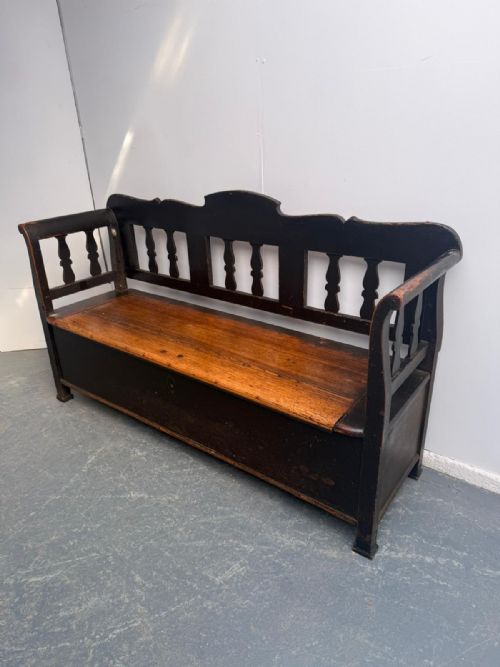
Origin plays a strong role in the character of these items, with Hungarian and Welsh workshops contributing distinctive painted finishes, spindled backs, and barrel-backed constructions. Elm and ash occasionally join pine in the timber mix, grounding the rustic aesthetic in utilitarian British and European traditions.
How they were made
Joiners built these benches using solid softwood timber, predominantly pine and pitch pine, often reinforced with secondary hardwoods like elm or ash for structural strength. Planks were joined with pegged mortise and tenon joints, creating rigid frames capable of withstanding heavy daily use in busy domestic spaces.
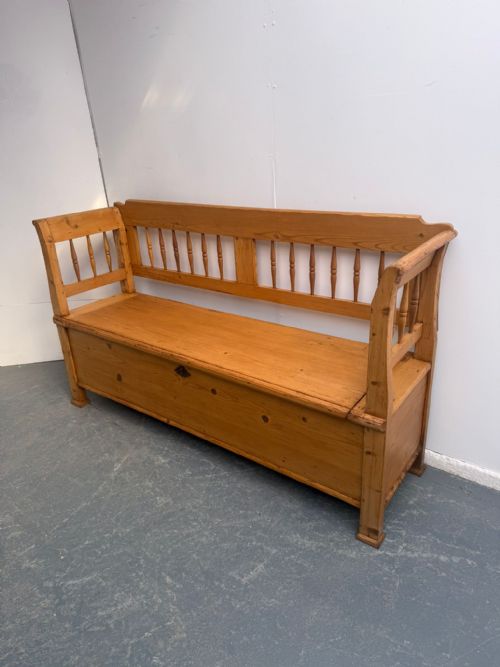
Surfaces were either left bare to acquire a natural waxed patina over generations or coated in layers of practical paint, ranging from blue and grey to black. Box settles incorporated integrated storage compartments beneath hinged plank seats, requiring basic blacksmith-made iron hinges and fixings.
The listings here include examples from the eighteenth, nineteenth, and early twentieth centuries, constructed in pine, pitch pine, elm, and ash.
What varies in quality
Quality rests heavily on the integrity of the original construction and the survival of authentic surface treatments, whether a deep honey brown wax or early painted layers. Pieces that retain their original back panels, unclipped feet, and untouched hardware hold significantly more character than heavily restored examples.
Proportion and execution distinguish standard utilitarian furniture from finer vernacular pieces, particularly where curved barrel backs or turned spindles are involved. A well-proportioned frame with honest wear tells a clearer story of its domestic or tavern history.
The Country Pine Settle Bench Glossary
- Settle
- A wooden bench with a high back and solid arms designed to keep out cold draughts in old houses. They often feature integrated box storage beneath the seat.
- Box settle
- A variation featuring a hinged seat lid opening over a deep compartment used for blankets or household goods. This dual-purpose design saved space in modest rural dwellings.
- Barrel back
- A curved, enclosing backrest designed to wrap closely around the sitter. This feature offered maximum protection from cold air currents near an open hearth.
- Patina
- The surface sheen and mellow colour developed by wood over decades of handling, waxing, and exposure to light. It serves as a visual indicator of age and genuine use.
- Vernacular
- Everyday furniture built by local tradesmen using regional materials and traditional methods rather than adhering to high-style metropolitan fashion.
Country Pine Settle Bench: Frequently Asked Questions
Where were settle benches used?
These benches traditionally stood in the draughty kitchens of farmhouses, cottages, and rural taverns where high backs provided shelter from cold air.
Over time, they moved into hallways and living spaces as practical seating with concealed storage for everyday items.
How do I tell an older settle apart?
Earlier examples from the eighteenth and early nineteenth centuries often display pegged joints, hand-planed boards, and more primitive framing techniques.
Later Victorian pieces tend to feature more uniform machine-sawn timber and simpler applied mouldings.
Can I use a settle in a modern hallway?
A slim hallway bench or box settle provides functional seating while offering hidden storage for shoes, scarves, and bags.
Their high backs also create a strong visual anchor and a sense of division in open-plan spaces.
What is the difference between painted and waxed finishes?
Many continental and Welsh pieces received protective coats of practical paint in colours like blue, grey, or black, which often survives in wonderful distressed layers.
Waxed finishes highlight the natural grain and knots of the pine, developing a warm honey brown tone through handling.